
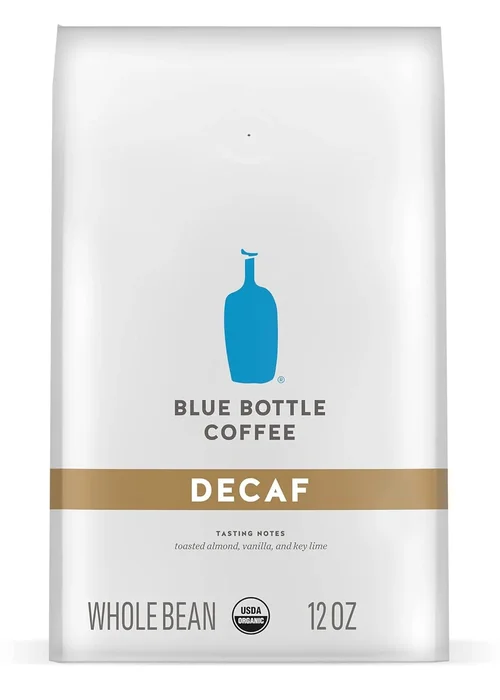
Decaf coffee in New York City isn’t just a niche preference—it’s a growing movement. Whether you’re sensitive to caffeine, managing health conditions like anxiety or high blood pressure, or simply winding down after a long day in the city that never sleeps, decaf has become a staple for many New Yorkers. But not all decaf is created equal. In a city known for its discerning palates and high standards for coffee, finding a truly great decaf brew can feel like searching for a quiet corner in Times Square. That’s where this guide comes in.
This comprehensive buying guide is designed to help you navigate the crowded and often confusing world of decaf coffee in NYC. Whether you’re sipping at a local café in Williamsburg, brewing at home in Queens, or ordering online from a specialty roaster in Brooklyn, we’ll arm you with the knowledge to make an informed decision. You’ll learn how decaf is made, what separates high-quality decaf from the rest, and where to find the best options across price ranges and styles. From single-origin Swiss Water Process beans to small-batch roasted blends, we’ll cover it all.
The decaf coffee market in NYC is thriving, thanks to a surge in specialty coffee culture and a growing awareness of health and wellness. Independent roasters, artisanal cafés, and even major chains are stepping up their decaf game. However, with so many choices—each claiming to be “the best”—it’s easy to feel overwhelmed. This guide cuts through the noise. We’ll break down the key factors to consider, compare different types of decaf, highlight common pitfalls, and offer expert-backed recommendations tailored to your lifestyle and budget. By the end, you’ll know exactly what to look for—and where to find it—so your next cup of decaf is as rich, flavorful, and satisfying as any caffeinated brew.

What to Look for When Buying Decaf Coffee in NYC
1. Decaffeination Method
The process used to remove caffeine is one of the most critical factors in determining the quality of your decaf coffee. Not all decaf is made the same way, and the method used can significantly impact flavor, aroma, and even health considerations. The most common methods include the Swiss Water Process, the Direct Solvent Method, the Indirect Solvent Method, and the Carbon Dioxide (CO₂) Process.
The Swiss Water Process is widely regarded as the gold standard for decaf. It uses only water, temperature, and time to extract caffeine, preserving the coffee’s natural flavors without chemicals. This method is ideal for purists who want a clean, chemical-free cup. On the other hand, solvent-based methods—like those using methylene chloride or ethyl acetate—are faster and cheaper but can leave trace residues and sometimes alter the coffee’s taste. While these solvents are approved by the FDA and generally considered safe, some consumers prefer to avoid them for peace of mind.
The CO₂ method uses pressurized carbon dioxide to extract caffeine and is excellent for preserving complex flavor profiles, making it a favorite among specialty roasters. It’s more expensive and less common, but the results are often worth it. When shopping for decaf in NYC, always check the label or product description for the decaffeination method. If it’s not listed, don’t hesitate to ask the roaster or barista. A reputable seller will be transparent about how their coffee was processed.
2. Bean Origin and Quality
Just like regular coffee, the origin of your decaf beans plays a huge role in flavor. High-quality decaf starts with high-quality green coffee beans. In NYC, many top roasters source single-origin beans from regions known for exceptional coffee, such as Ethiopia, Colombia, Guatemala, and Kenya. These beans often have distinct flavor notes—floral, fruity, chocolatey, or nutty—that can shine through even after decaffeination.
Single-origin decaf allows you to experience the unique terroir of a specific farm or region, offering a more nuanced and authentic coffee experience. Blends, on the other hand, combine beans from multiple origins to create a balanced, consistent profile. While blends can be delicious, they may lack the complexity of single-origin options.
When evaluating bean quality, look for terms like “specialty grade,” “shade-grown,” or “fair trade.” These indicators suggest that the beans were grown and processed with care. Avoid decaf labeled as “commercial grade” or “commodity coffee,” as these are often lower in quality and may have been over-roasted to mask flaws. In NYC, roasters like Sey Coffee, Birch Coffee, and Joe Coffee Company are known for sourcing high-quality beans—even for their decaf offerings.
3. Roast Profile and Freshness
The roast level and freshness of your decaf coffee are just as important as the beans and decaffeination method. Decaf beans can lose flavor more quickly than regular coffee because the decaffeination process can strip away some of the oils and compounds that contribute to aroma and taste. That’s why freshness is paramount.
Look for decaf that’s been roasted within the past two weeks. Most reputable roasters in NYC will include a roast date on the packaging—never settle for a “best by” date, which can be misleading. The roast profile should match your taste preferences: light roasts tend to preserve more origin character and acidity, while medium and dark roasts offer bolder, richer flavors with notes of caramel, chocolate, or smokiness.
Avoid pre-ground decaf whenever possible. Grinding coffee just before brewing maximizes flavor and aroma. If you must buy pre-ground, choose a coarse grind for French press or a medium grind for drip machines. In NYC, many specialty shops offer in-store grinding, so you can get freshly ground beans to take home.
4. Flavor Profile and Taste
One of the biggest misconceptions about decaf is that it’s inherently bland or bitter. While low-quality decaf can taste flat or chemical-like, premium decaf can be just as complex and enjoyable as regular coffee. The key is finding a roast and origin that aligns with your palate.
If you enjoy bright, fruity coffees, look for a light-roast Ethiopian decaf with notes of bergamot and blueberry. If you prefer something smooth and chocolatey, a medium-roast Colombian or Brazilian decaf might be your match. Dark roasts, often labeled as “French” or “Italian,” are ideal for those who love bold, smoky flavors.
Tasting is believing. Many NYC cafés offer decaf tastings or small-sample packs, so you can try before you commit. Roasters like Devoción and Partners Coffee often host cupping sessions where you can sample different decaf options side by side. Don’t be afraid to ask for a cupping or a small pour-over to evaluate the flavor firsthand.
5. Brand Reputation and Transparency
In a city with hundreds of coffee brands and roasters, reputation matters. A brand’s commitment to quality, sustainability, and transparency can tell you a lot about the decaf they sell. Look for roasters that share information about their sourcing, roasting process, and decaffeination method. Brands that are open about their practices are more likely to deliver a superior product.
In NYC, several roasters have built strong reputations for excellence in decaf. Sey Coffee, for example, is known for its meticulous sourcing and experimental processing, including decaf offerings that rival their caffeinated counterparts. Birch Coffee emphasizes sustainability and community, often highlighting the farmers behind their beans. Joe Coffee Company offers a range of decaf options, from single-origin to blends, all roasted in small batches.
Check online reviews, social media, and local food blogs to gauge a brand’s reputation. A quick search for “best decaf coffee NYC” will reveal favorites like Café Grumpy, Abraço, and Sweetleaf, all of which offer high-quality decaf with clear sourcing information.
6. Price and Value
Decaf coffee in NYC can range from under $10 per bag at chain stores to over $30 for small-batch, single-origin offerings from specialty roasters. While price isn’t always an indicator of quality, it’s important to understand what you’re paying for.
Budget decaf (under $12) is often mass-produced, pre-ground, and may use lower-quality beans or chemical decaffeination. These are fine for casual drinkers but may lack depth and freshness. Mid-range decaf ($12–$20) typically offers better beans, fresher roasting, and more transparent sourcing. This is the sweet spot for most New Yorkers who want quality without breaking the bank.
Premium decaf ($20–$30) often comes from small-batch roasters using Swiss Water or CO₂ processing, with single-origin beans and detailed flavor notes. These are ideal for coffee enthusiasts who treat decaf as seriously as regular coffee. Luxury decaf ($30+) may include rare varietals, limited releases, or direct-trade partnerships—perfect for special occasions or gifting.
7. Packaging and Sustainability
How your decaf is packaged can affect both freshness and environmental impact. Look for resealable bags with one-way valves, which allow gases to escape without letting air in. Avoid vacuum-sealed bricks or plastic containers, which can trap moisture and degrade flavor.
Sustainability is increasingly important to NYC coffee drinkers. Many roasters now use compostable or recyclable packaging, and some even offer refill programs or discounts for returning bags. Brands like Grounds & Grains and Café Altura emphasize eco-friendly practices, from sourcing to packaging.
Additionally, consider the carbon footprint of your coffee. Locally roasted decaf reduces transportation emissions and supports the NYC economy. Roasters like Brooklyn Roasting Company and Oslo Coffee Roasters offer fresh, locally roasted decaf with minimal environmental impact.
8. Accessibility and Convenience
Finally, consider how and where you’ll buy your decaf. Do you prefer shopping in person at a local café, or do you rely on online delivery? In NYC, both options are plentiful.
Local cafés offer the advantage of freshness and expert advice. You can talk to baristas, sample different roasts, and often get beans ground to your preferred setting. Stores like Whole Foods, Union Market, and independent grocers carry a wide selection of decaf brands.
Online shopping offers convenience and access to a broader range of roasters. Websites like Trade Coffee, Driftaway Coffee, and the roasters’ own sites allow you to subscribe to regular deliveries, ensuring you never run out. Many NYC roasters also offer local delivery or pickup options, combining the best of both worlds.
Different Types of Decaf Coffee in NYC
Common Buying Mistakes to Avoid
❌ Mistake: Ignoring the Decaffeination Method
Why it’s bad: Choosing decaf without knowing how it was processed can lead to disappointment. Chemical-based methods may leave off-flavors or residues, while natural methods like Swiss Water preserve more of the coffee’s original character.
What to do instead: Always check the label or ask the roaster about the decaffeination process. Prioritize Swiss Water or CO₂ methods for the cleanest, most flavorful results.
❌ Mistake: Buying Pre-Ground Decaf
Why it’s bad: Pre-ground coffee loses flavor rapidly due to increased surface area exposure to air. Decaf is especially vulnerable because it already has reduced aromatic compounds.
What to do instead: Buy whole beans and grind them just before brewing. If you must buy pre-ground, choose a coarse grind for French press or cold brew.
❌ Mistake: Overlooking the Roast Date
Why it’s bad: Coffee, especially decaf, is best consumed within two weeks of roasting. Without a roast date, you could be buying stale beans that taste flat or cardboard-like.
What to do instead: Only buy decaf with a visible roast date. If it’s not listed, ask or look for another brand.
❌ Mistake: Choosing Based on Price Alone
Why it’s bad: The cheapest decaf is often low-quality, over-roasted, or made with inferior beans. You’ll end up drinking more to get satisfaction, costing you more in the long run.
What to do instead: Invest in mid-range or premium decaf for better flavor and value. Think of it as paying for quality, not just caffeine removal.
❌ Mistake: Not Tasting Before Committing
Why it’s bad: Flavor is subjective. What one person loves, another may find bitter or sour. Buying a large bag without tasting can lead to waste and frustration.
What to do instead: Try small samples or visit cafés that offer decaf tastings. Many NYC roasters sell 4-oz sample packs for under $10.
❌ Mistake: Storing Decaf Improperly
Why it’s bad: Exposure to air, light, heat, or moisture accelerates staling. Even the best decaf will degrade quickly if stored in a clear jar on the counter.
What to do instead: Use an airtight, opaque container and store it in a cool, dark place. Avoid the fridge or freezer unless you’re storing for more than a month.
❌ Mistake: Assuming All Decaf Tastes the Same
Why it’s bad: This mindset prevents you from exploring the rich variety of high-quality decaf available. You might dismiss decaf altogether based on a bad experience with low-grade coffee.
What to do instead: Approach decaf with an open mind. Treat it like regular coffee—experiment with origins, roasts, and brewing methods to find your perfect cup.
Budget Guidelines: How Much Should You Spend?
– Entry-Level ($8–$12): This tier includes mass-market brands like Folgers Decaf, Maxwell House, and store-brand options. These are convenient and widely available but often use chemical decaffeination and lower-quality beans. Expect a flat, sometimes bitter taste. Best for occasional use or large households.
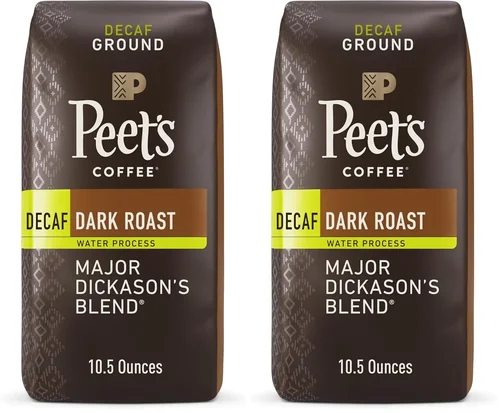
– Mid-Range ($12–$20): This is the sweet spot for most NYC coffee drinkers. Brands like Peet’s Decaf Major Dickason’s Blend, Starbucks Decaf Pike Place, and local roasters like Birch Coffee offer better beans, fresher roasting, and more transparent sourcing. You’ll find Swiss Water options and single-origin decaf in this range.
– Premium ($20–$30): Ideal for enthusiasts and regular drinkers. These decafs often feature single-origin beans, CO₂ or Swiss Water processing, and detailed flavor notes. Roasters like Sey Coffee, Devoción, and Partners Coffee dominate this space. Expect complex, nuanced flavors that rival regular coffee.
– Luxury ($30+): Reserved for rare releases, limited editions, or direct-trade partnerships. These decafs may come from experimental farms or use innovative processing techniques. Perfect for gifting or special occasions. Examples include Blue Bottle’s limited decaf offerings or small-batch roasts from Oslo Coffee Roasters.
Expert Tips for Getting the Best Deal
– Buy in Season: Many roasters offer discounts in January (post-holiday) or during summer months when coffee sales dip. Sign up for newsletters to get alerts.
– Subscribe for Savings: Most online roasters offer 10–15% off for subscription orders. You’ll save money and ensure a steady supply of fresh decaf.
– Shop Local: Support NYC roasters by buying directly from their cafés or websites. You’ll often get fresher beans and better customer service.
– Look for Sample Packs: Many roasters sell variety packs that let you try multiple decaf options for the price of one. Great for discovering new favorites.
– Check Return Policies: If you buy online and don’t like the coffee, can you return it? Reputable roasters often offer satisfaction guarantees.
– Attend Coffee Events: NYC hosts numerous coffee festivals, cuppings, and tastings. These are great opportunities to sample decaf and meet roasters.
– Use Cashback and Rewards: Apps like Rakuten or credit card rewards can add up when buying coffee online.
– Buy in Bulk (Carefully): If you drink decaf daily, buying a larger bag can save money—but only if you can finish it within 2–3 weeks.

Frequently Asked Questions
Q: Is decaf coffee completely caffeine-free?
A: No, decaf is not 100% caffeine-free. By law, decaf must contain less than 0.1% caffeine by weight. That means an 8-oz cup may still have 2–15 mg of caffeine, compared to 80–100 mg in regular coffee. For most people, this is negligible, but those with extreme sensitivity should be aware.
Q: Does decaf coffee have health benefits?
A: Yes! Decaf retains many of the antioxidants and beneficial compounds found in regular coffee, such as chlorogenic acid and polyphenols. It may support heart health, reduce inflammation, and lower the risk of type 2 diabetes—without the jittery side effects of caffeine.
Q: Can I make espresso with decaf coffee?
A: Absolutely. Many NYC cafés offer decaf espresso, and you can make it at home with a quality decaf blend. Look for a medium or dark roast with good crema potential. Brands like Lavazza Decaf or Counter Culture’s Slow Motion work well.
Q: Is Swiss Water Process decaf worth the extra cost?
A: For many, yes. It’s chemical-free and preserves more of the coffee’s natural flavor. If you’re health-conscious or sensitive to chemicals, it’s a worthwhile investment.
Q: Where can I buy the best decaf coffee in NYC?
A: Top spots include Sey Coffee (Williamsburg), Birch Coffee (multiple locations), Joe Coffee Company (Flatiron), and Oslo Coffee Roasters (Chelsea). Online, try Trade Coffee or the roasters’ own websites.
Q: How long does decaf coffee stay fresh?
A: Ideally, consume within 2–3 weeks of the roast date. Store in an airtight container away from light and heat. Freeze for longer storage, but only if you won’t open it frequently.
Q: Can I use decaf for cold brew?
A: Yes! Cold brew is a great way to enjoy decaf, as the slow extraction process brings out smooth, low-acid flavors. Use a coarse grind and steep for 12–24 hours.
Q: Is decaf coffee more expensive to produce?
A: Yes, decaffeination adds cost, especially with methods like Swiss Water or CO₂. That’s why high-quality decaf often costs more than regular coffee.
Q: Do decaf beans look different?
A: Not usually. Decaf beans may be slightly lighter in color, but the difference is minimal. The roast level has a bigger impact on appearance.
Q: Can I grow my own decaf coffee?
A: Not practically. Decaffeination requires industrial equipment. However, some naturally low-caffeine varieties like Coffea charrieriana exist, but they’re not commercially available.
Our Final Recommendations
– Best for Budget-Conscious Buyers: Birch Coffee Decaf Blend – Affordable, widely available, and uses Swiss Water Process. Great for daily brewing.
– Best Overall Value: Sey Coffee Decaf Ethiopia – Single-origin, CO₂ processed, with bright floral notes. A standout for flavor and quality.
– Best Premium Option: Devoción Decaf Colombia – Freshly roasted, direct from farm, with rich chocolate and caramel notes. Ideal for special occasions.
– Best for Beginners: Joe Coffee Company Decaf House Blend – Smooth, balanced, and easy to brew. Perfect for those new to specialty decaf.
– Best for Advanced Users: Partners Coffee Decaf Guatemala – Complex, single-origin, Swiss Water Process. A treat for experienced palates.
Conclusion: Making the Right Choice
Choosing the best decaf coffee in NYC doesn’t have to be a daunting task. By focusing on key factors like decaffeination method, bean origin, roast freshness, and brand transparency, you can find a cup that’s not just caffeine-free, but truly exceptional. Whether you’re sipping in a Brooklyn café or brewing at home in Manhattan, the right decaf can be a rich, satisfying experience.
Remember, the best decaf is the one that fits your taste, budget, and lifestyle. Don’t settle for the first bag you see—explore, taste, and experiment. With the insights from this guide, you’re equipped to make a confident, informed decision. So go ahead, treat yourself to a great cup of decaf. Your taste buds—and your nerves—will thank you.