
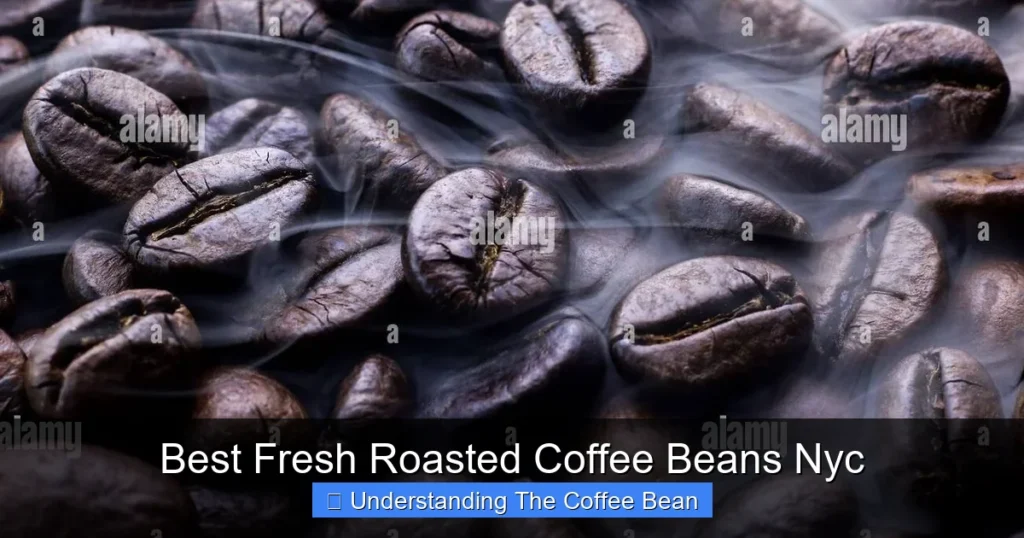
New York City is a coffee lover’s paradise, home to some of the freshest and most flavorful roasted beans in the world. Whether you’re brewing at home or sipping at a neighborhood café, knowing where to find the best fresh roasted coffee beans NYC offers can transform your daily ritual into a rich, aromatic experience.
If you’ve ever walked through the streets of New York City on a crisp morning, you’ve likely caught the rich, inviting aroma of freshly roasted coffee wafting from a corner café or a boutique roastery. It’s more than just a scent—it’s a signal that somewhere nearby, someone is carefully crafting the perfect cup. But what makes a coffee bean truly “fresh”? And why does it matter so much when you’re brewing at home?
Freshness in coffee isn’t just about how recently it was roasted—it’s about preserving the complex flavors locked inside each bean. When coffee is roasted, it undergoes a chemical transformation that releases aromatic compounds, oils, and acids. These elements are delicate. Within days of roasting, coffee begins to lose its vibrancy as oxygen breaks down those flavor molecules. That’s why the best fresh roasted coffee beans NYC has to offer are not only roasted locally but also sold with clear roast dates and stored properly to maintain quality.
New York City has become a hub for specialty coffee culture, driven by a passionate community of roasters, baristas, and coffee enthusiasts. From the Lower East Side to Williamsburg, and from Harlem to Long Island City, small-batch roasters are redefining what it means to drink great coffee. They’re not just selling beans—they’re sharing stories, building relationships with farmers, and experimenting with roasting profiles to bring out the best in every origin. Whether you’re a seasoned coffee connoisseur or just starting to explore beyond your morning drip, understanding the journey from bean to cup can deepen your appreciation—and improve your brew.
Key Takeaways
- Freshness matters: Coffee beans are at their peak flavor within 2–4 weeks of roasting—look for roast dates, not just expiration dates.
- Local roasters lead the way: NYC-based roasters like Sey Coffee, Birch Coffee, and Joe Coffee prioritize small-batch, high-quality roasting.
- Single-origin vs. blends: Single-origin beans highlight unique regional flavors, while blends offer balanced, consistent profiles.
- Roast level impacts taste: Light roasts preserve origin notes, medium roasts balance acidity and body, and dark roasts deliver bold, smoky flavors.
- Grind just before brewing: For maximum freshness, buy whole beans and grind them right before you brew.
- Sustainability is growing: Many NYC roasters focus on ethical sourcing, direct trade, and eco-friendly packaging.
- Try seasonal offerings: Rotating seasonal beans let you explore new flavors and support sustainable farming cycles.
📑 Table of Contents
Why Fresh Roasted Coffee Beans Matter
Let’s start with the basics: why does freshness make such a difference? Think of coffee beans like fresh herbs. When you buy basil at the market, it’s bright, fragrant, and full of life. But leave it on the counter for a week, and it wilts, turns brown, and loses its punch. Coffee beans work similarly—only instead of wilting, they go stale.
When coffee is roasted, it releases carbon dioxide (CO₂), a natural byproduct of the roasting process. This gas acts as a protective barrier, slowing down oxidation—the main enemy of freshness. However, over time, CO₂ escapes, and oxygen seeps in, degrading the delicate flavor compounds. The result? A flat, dull cup that lacks the brightness, sweetness, and complexity you’d expect.
The ideal window for brewing fresh roasted coffee is between 2 and 4 weeks after the roast date. During this time, the beans are still releasing CO₂ at a healthy rate, preserving their aroma and taste. After four weeks, the decline becomes noticeable. That’s why buying beans with a visible roast date—and choosing a roaster who roasts frequently—is crucial.
Another factor is storage. Even the freshest beans can go bad if they’re exposed to heat, light, moisture, or air. That’s why reputable roasters use resealable, opaque bags with one-way valves. These valves allow CO₂ to escape without letting oxygen in, maintaining freshness longer.
In NYC, many roasters take freshness seriously. They roast in small batches multiple times a week, ensuring that customers get beans at their peak. Some even offer same-day delivery or in-store pickup within hours of roasting. This level of care is what sets the best fresh roasted coffee beans NYC apart from mass-produced alternatives.
Top NYC Roasters to Know
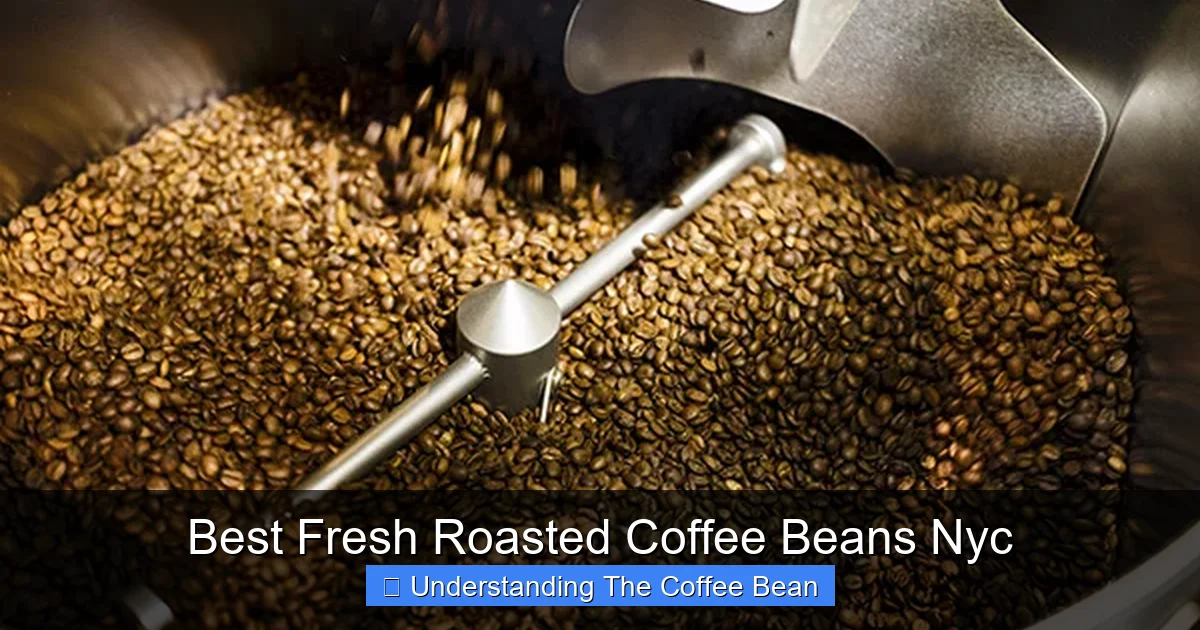
Visual guide about Best Fresh Roasted Coffee Beans Nyc
Image source: santaclaritaofficecoffee.com
New York City is home to a vibrant coffee scene, with roasters that prioritize quality, transparency, and innovation. Here are some of the standout names you should know:
Sey Coffee
Located in the heart of Brooklyn’s Bushwick neighborhood, Sey Coffee is a pioneer in the NYC specialty coffee movement. Known for its minimalist aesthetic and laser focus on light-roasted, single-origin beans, Sey sources directly from farmers in Ethiopia, Colombia, and beyond. Their roasting style emphasizes clarity and terroir—letting the unique characteristics of each region shine. Try their Ethiopian Yirgacheffe for a floral, tea-like cup with notes of bergamot and stone fruit.
Birch Coffee
With multiple locations across Manhattan, Birch Coffee combines community warmth with serious coffee craft. Founded by a former teacher, the brand emphasizes education and connection. They roast their beans in-house at their Long Island City facility, offering a rotating selection of single-origin and blended coffees. Their “Birch Blend” is a crowd-pleaser—balanced, smooth, and perfect for espresso or drip.
Joe Coffee
A staple in the NYC coffee landscape since 1997, Joe Coffee has grown from a single shop to a network of cafés and a robust wholesale operation. They roast in small batches in Long Island City, focusing on sustainability and farmer relationships. Their “Ethiopia Guji” is a standout—bright, juicy, and packed with blueberry and citrus notes.
La Cabra
Originally from Norway, La Cabra opened its first U.S. location in Tribeca, bringing Scandinavian roasting precision to NYC. They’re known for clean, nuanced profiles and a commitment to traceability. Their beans are roasted lightly to highlight origin flavors, and they often feature lesser-known regions like Honduras and Rwanda. Their packaging is also eco-friendly—compostable bags with clear roast dates.
Devoción
What sets Devoción apart is their radical approach to freshness. They import green coffee directly from farms in Colombia and roast it in Brooklyn within 48 hours of harvest. This means their beans are among the freshest you can find anywhere. Their “Fresh Harvest” line is a game-changer—vibrant, juicy, and explosively aromatic. If you want to taste coffee at its absolute peak, Devoción is the place to go.
Partners Coffee
With roots in Brooklyn and a growing presence in Manhattan, Partners Coffee focuses on approachable, high-quality beans. They roast in small batches and offer a mix of single-origin and blended options. Their “Brooklyn Blend” is a smooth, chocolatey favorite, while their seasonal offerings let you explore new flavors throughout the year.
Understanding Roast Levels and Flavor Profiles
Not all coffee beans are created equal—and a big part of that comes down to roast level. The way beans are roasted dramatically affects their flavor, body, and aroma. Understanding the differences can help you choose the right beans for your taste preferences.
Light Roast
Light roasts are roasted for a shorter time and at lower temperatures, preserving the natural characteristics of the coffee’s origin. These beans are typically light brown, dry (no oil on the surface), and have a higher acidity. Flavors are bright, floral, and fruity—think jasmine, lemon, or strawberry. Light roasts are ideal if you enjoy tasting the “terroir” of the coffee, such as the high-altitude brightness of a Kenyan bean or the tea-like delicacy of an Ethiopian Yirgacheffe.
In NYC, roasters like Sey and La Cabra specialize in light roasts, often using them to showcase rare or experimental processing methods, like anaerobic fermentation or natural drying.
Medium Roast
Medium roasts strike a balance between origin flavors and roast development. They’re richer in body, with moderate acidity and a wider range of flavors—notes of caramel, nuts, chocolate, and stone fruit are common. The beans are medium brown and may have a slight sheen of oil. This roast level is versatile, working well with most brewing methods, from pour-over to French press.
Birch Coffee and Joe Coffee often feature medium roasts in their core offerings, appealing to a broad audience while still maintaining quality.
Dark Roast
Dark roasts are roasted longer and at higher temperatures, resulting in a bold, smoky flavor with low acidity and a heavy body. The beans are dark brown to nearly black, with a glossy oil coating. Flavors tend toward chocolate, spice, and char—think espresso blends or French roast. While dark roasts can mask origin characteristics, they’re beloved for their consistency and intensity.
Some NYC roasters, like Café Grumpy, offer dark roast options for traditional espresso lovers, though the trend in specialty coffee leans toward lighter profiles.
Choosing the Right Roast for You
Your ideal roast depends on your taste and brewing method. If you enjoy bright, complex cups, go for a light roast. If you prefer something smooth and balanced, medium is a safe bet. And if you love a strong, bold shot of espresso, dark roast might be your go-to.
Don’t be afraid to experiment. Many roasters offer sampler packs or small bags so you can try different roasts and origins. Keep a coffee journal to track what you like—note the roast level, origin, processing method, and flavor notes. Over time, you’ll develop a clearer sense of your preferences.
Single-Origin vs. Blends: What’s the Difference?
Another key decision when buying coffee is whether to choose single-origin beans or a blend. Both have their merits, and understanding the difference can help you make a more informed choice.
Single-Origin Coffee
Single-origin beans come from one specific region, farm, or cooperative. This allows you to taste the unique characteristics of that area—climate, soil, altitude, and processing methods all influence the final cup. For example, a coffee from Guatemala’s Antigua region might have notes of cocoa and spice, while one from Ethiopia’s Sidamo region could be floral and wine-like.
Single-origin coffees are often roasted lighter to preserve these nuanced flavors. They’re perfect for pour-over, Chemex, or AeroPress brewing, where clarity and detail shine.
In NYC, roasters like Devoción and Sey frequently feature single-origin offerings, sometimes even labeling the farm name and harvest date. This level of transparency builds trust and connects you directly to the source.
Coffee Blends
Blends combine beans from multiple origins to create a balanced, consistent flavor profile. Roasters carefully select and mix beans to achieve a specific taste—say, a chocolatey base with a hint of fruitiness or a smooth, nutty finish. Blends are often designed for espresso, where consistency and crema are important.
Many NYC roasters offer signature blends, like Birch Coffee’s “Birch Blend” or Joe Coffee’s “Espresso Blend.” These are great for everyday drinking and work well with milk-based drinks like lattes and cappuccinos.
Which Should You Choose?
If you’re exploring and want to discover new flavors, start with single-origin beans. They’re like tasting a single ingredient in its purest form. If you prefer reliability and a familiar taste, blends are a solid choice.
Many coffee lovers enjoy both—using single-origin for morning pour-overs and blends for afternoon espresso. The best fresh roasted coffee beans NYC offers include both options, so you can switch it up depending on your mood.
How to Store and Brew for Maximum Freshness
Even the best beans can lose their magic if not stored and brewed properly. Here’s how to keep your coffee fresh and flavorful from bag to cup.
Storage Tips
Store your beans in an airtight container away from heat, light, and moisture. Avoid the fridge or freezer—temperature fluctuations cause condensation, which degrades quality. Instead, keep them in a cool, dark cupboard. Use the original bag if it has a one-way valve and resealable closure; otherwise, transfer to a ceramic or stainless steel container.
Buy only what you can use within 2–3 weeks. Freshness declines rapidly after opening, so smaller bags are better than bulk purchases.
Brewing Best Practices
Grind your beans just before brewing. Pre-ground coffee loses flavor quickly due to increased surface area exposure. Invest in a good burr grinder—blade grinders create uneven particles, leading to inconsistent extraction.
Use filtered water at the right temperature (195–205°F). Too hot, and you’ll burn the coffee; too cool, and it won’t extract properly.
Match your grind size to your brewing method:
– Coarse for French press
– Medium for drip coffee
– Fine for espresso
– Medium-fine for pour-over
Experiment with ratios—start with 1:16 (coffee to water) and adjust to taste. A digital scale helps ensure consistency.
Try Different Methods
Don’t limit yourself to one brewing method. A V60 pour-over highlights acidity and clarity, while a French press delivers a fuller body. An AeroPress is versatile and great for travel. Each method extracts flavors differently, so trying new techniques can reveal hidden notes in your beans.
Sustainability and Ethical Sourcing in NYC Coffee
More than ever, coffee lovers care about where their beans come from and how they’re produced. In NYC, many roasters are leading the charge in ethical sourcing and sustainability.
Direct Trade and Fair Relationships
Instead of relying on middlemen, roasters like Sey and Devoción work directly with farmers, paying premium prices and building long-term partnerships. This ensures farmers earn a living wage and can invest in quality and sustainability.
Eco-Friendly Practices
From compostable packaging to energy-efficient roasters, NYC coffee companies are reducing their environmental impact. La Cabra uses 100% compostable bags, while Partners Coffee supports reforestation projects in coffee-growing regions.
Seasonal and Rotating Offerings
Many roasters offer seasonal beans that reflect harvest cycles. This supports sustainable farming and lets you experience the diversity of coffee throughout the year. Try a winter harvest from Colombia or a summer release from Ethiopia—each tells a story.
Conclusion
Finding the best fresh roasted coffee beans NYC has to offer is about more than just taste—it’s about connection, quality, and care. From the moment a bean is harvested to the second it hits your cup, every step matters. By choosing local roasters who prioritize freshness, transparency, and sustainability, you’re not only treating yourself to a superior cup of coffee—you’re supporting a movement that values people and planet.
Whether you’re sipping a bright Ethiopian pour-over from Sey or enjoying a smooth Brooklyn Blend from Partners Coffee, you’re part of a vibrant community that celebrates the art and science of coffee. So next time you’re in NYC, skip the chain and seek out a local roaster. Bring home a bag with a roast date, grind it fresh, and brew with intention. Your taste buds—and your morning—will thank you.
Frequently Asked Questions
How long do fresh roasted coffee beans last?
Fresh roasted coffee beans are best consumed within 2–4 weeks of the roast date. After that, they begin to lose flavor and aroma due to oxidation.
Should I refrigerate or freeze my coffee beans?
No. Refrigeration and freezing can cause condensation and temperature fluctuations, which degrade quality. Store beans in an airtight container in a cool, dark place instead.
What’s the difference between a roast date and an expiration date?
A roast date tells you when the beans were roasted—this is what matters for freshness. An expiration date is less reliable and often just a shelf-life estimate.
Can I use fresh roasted beans for espresso?
Yes, but make sure they’re roasted within the past 2–4 weeks and ground finely. Light roasts may require adjustments to your machine’s pressure and timing.
Are single-origin beans better than blends?
Not necessarily—it depends on your taste. Single-origin beans highlight unique flavors, while blends offer balance and consistency. Both can be excellent.
Where can I buy fresh roasted coffee beans in NYC?
Visit local roasters like Sey Coffee, Birch Coffee, Joe Coffee, Devoción, or La Cabra. Many also sell online with fast shipping to ensure freshness.