
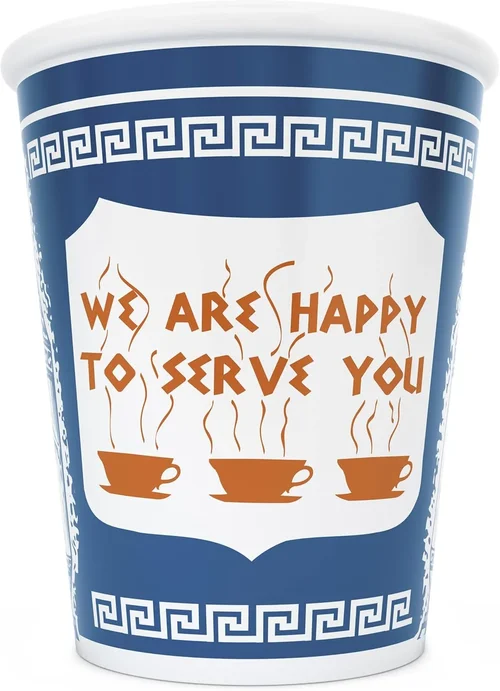
New York City doesn’t just serve coffee—it lives and breathes it. From corner bodegas to third-wave roasteries tucked into converted lofts, the city’s caffeine culture is as diverse and dynamic as its neighborhoods. But when summer hits with its sweltering humidity and sidewalks that feel like griddles, hot coffee takes a backseat. That’s when iced coffee becomes not just a preference, but a necessity.
This guide exists because navigating NYC’s iced coffee landscape can be overwhelming. With hundreds of cafes, pop-ups, and chains all claiming to serve “the best,” how do you know where to spend your time—and your $7? Whether you’re a local looking to upgrade your morning ritual or a visitor wanting to experience authentic New York caffeine craftsmanship, this buying guide cuts through the noise. You’ll learn how to evaluate quality, understand what makes an iced coffee truly exceptional, avoid overpriced disappointments, and find spots that match your taste, budget, and lifestyle.
The market for iced coffee in NYC has evolved far beyond simple cold brew on tap. Today, it includes nitro-infused pour-overs, slow-drip Japanese-style methods, house-made syrups, oat milk foam art, and even seasonal limited editions tied to local events or collaborations. Understanding this ecosystem means knowing not just where to go, but what to order, when to go, and why certain places stand out. By the end of this guide, you’ll be equipped to make informed decisions—whether you’re grabbing a quick cup on your commute or seeking out a hidden gem for a weekend treat.
—

What to Look for When Buying Iced Coffee in NYC
1. Bean Origin & Roast Profile
The foundation of any great iced coffee starts with the beans. In NYC, many top-tier cafes source single-origin beans directly from farmers or work with small-batch roasters who prioritize transparency and sustainability. Look for menus that list origin countries (like Ethiopia, Colombia, or Guatemala), processing methods (washed, natural, honey), and roast dates—not just “house blend.”
Why does this matter? Because iced coffee amplifies subtle flavors. A light roast from Yirgacheffe might reveal floral and citrus notes that get lost in hot brewing, while a medium-dark roast from Brazil could offer chocolatey richness that holds up beautifully over ice. Avoid places that use pre-ground, stale beans or generic “espresso blend” without details—they’re likely cutting corners.
2. Brewing Method
Not all iced coffee is created equal. The method used dramatically impacts flavor, body, and sweetness. Here are the most common techniques you’ll encounter:
– Cold Brew: Steeped in cold water for 12–24 hours. Smooth, low-acid, and naturally sweet. Ideal for those sensitive to acidity.
– Japanese-Style Slow Drip (Kyoto Cold): Water drips slowly over coffee grounds into a chilled vessel. Produces a clean, tea-like clarity with bright acidity.
– Flash-Chilled (or “Japanese Iced”): Hot coffee is brewed directly onto ice, rapidly cooling it while preserving aromatic compounds. Retains more complexity than cold brew.
– Nitro Cold Brew: Nitrogen-infused cold brew served on tap, creating a creamy, Guinness-like texture without dairy.
Each method suits different palates. If you prefer bold, full-bodied drinks, go for traditional cold brew. If you enjoy nuanced, tea-like profiles, try a slow-drip or flash-chilled option. Always ask how your chosen spot prepares their iced coffee—many places default to one method, but some offer multiple.
3. Milk & Sweetener Quality
In a city obsessed with customization, the add-ins matter just as much as the coffee itself. Unfortunately, many chains and budget spots use low-quality milk (often ultra-pasteurized or filled with stabilizers) and artificial syrups loaded with high-fructose corn syrup.
Look for cafes that use organic, local dairy or premium plant-based alternatives like oat milk from brands such as Oatly or Minor Figures. These not only taste better but also froth well and complement—not mask—the coffee’s natural flavors. Similarly, house-made syrups (vanilla, lavender, cardamom) made with real cane sugar or maple syrup add depth without chemical aftertaste.
4. Ice Quality
Yes, ice matters—especially in iced coffee. Cheap, freezer-burned ice cubes made from tap water can dilute your drink quickly and impart off-flavors. High-end NYC cafes often use filtered or purified water to make dense, slow-melting ice that chills without watering down the brew.
Some places even use specialty ice: spherical cubes for slower melt, or flavored ice (like coffee-infused or citrus-chilled) that enhances rather than dilutes. While this might seem like a minor detail, it’s a hallmark of craftsmanship. A truly great iced coffee should taste consistent from first sip to last—not weak and watery by the end.
5. Customization & Flexibility
New Yorkers value control. The best iced coffee spots let you tailor your drink precisely: strength (single vs. double shot), sweetness level, milk type, temperature, and even ice amount. This isn’t just about preference—it’s about respecting the coffee.
Avoid places that force you into preset sizes or combinations. A good cafe will welcome questions and adjustments. For example, if you want half-sweet vanilla oat milk cold brew with extra ice, they should accommodate it without attitude. This flexibility often reflects the staff’s knowledge and pride in their product.
6. Speed vs. Craftsmanship Balance
NYC runs on speed, but great iced coffee shouldn’t be rushed. That said, you don’t need to wait 10 minutes for a decent cup. The ideal spot balances efficiency with care. For instance, a well-trained barista can pull a perfect espresso shot, pour it over ice, and add milk in under two minutes—without sacrificing quality.
Watch out for places that pre-make large batches of iced coffee and let it sit for hours. While convenient, this leads to oxidation and flavor degradation. Freshly brewed is always better, even if it means a slightly longer wait during peak hours.
7. Ambiance & Experience
Let’s be honest: part of enjoying iced coffee in NYC is the vibe. Are the staff friendly and knowledgeable? Is the space clean and inviting? Can you actually sit down, or is it strictly grab-and-go? These factors influence your overall satisfaction.
Some people prefer minimalist, standing-room-only spots for a quick caffeine fix. Others want a cozy corner to work or chat. Consider your needs: if you’re working remotely, check for reliable Wi-Fi and ample outlets. If you’re meeting friends, look for places with outdoor seating or spacious interiors.
8. Price Transparency & Value
Iced coffee in NYC ranges from $3 at a bodega to $8+ at a specialty roastery. But price doesn’t always equal quality—and vice versa. What matters is value: are you getting a well-crafted drink that justifies the cost?
Be wary of hidden fees (e.g., “plant-based milk upcharge” that’s $1.50 when the drink itself is $6). Transparent pricing shows respect for the customer. Also, consider portion size: a $5 cold brew in a 12-oz cup may be a better deal than a $4 version in an 8-oz cup.
—
Different Types of Iced Coffee in NYC

—
Common Buying Mistakes to Avoid
❌ Mistake: Choosing Based Solely on Price
Why it’s bad: Opting for the cheapest option often means sacrificing bean quality, freshness, and brewing technique. A $3 iced coffee from a chain may use stale pre-ground beans and artificial sweeteners, leaving you with a bitter, chemical aftertaste.
What to do instead: Focus on value, not just cost. A $5 cold brew made with single-origin beans and house-filtered ice offers far more satisfaction than a discounted, mass-produced alternative. Think of it as an investment in your daily mood.
❌ Mistake: Ignoring the Menu Details
Why it’s bad: Many cafes use vague terms like “iced coffee” without specifying the method or origin. This ambiguity can lead to disappointment if you’re expecting a smooth cold brew but get a watery espresso over ice.
What to do instead: Always read the menu carefully or ask the barista. Look for descriptors like “slow-drip,” “Ethiopian single-origin,” or “nitro-infused.” If the menu lacks detail, that’s a red flag.
❌ Mistake: Over-Customizing Without Understanding Flavor Profiles
Why it’s bad: Adding three syrups, extra milk, and whipped cream might seem fun, but it can completely mask the coffee’s natural character—especially if it’s a high-quality single-origin brew meant to be savored.
What to do instead: Start simple. Try the coffee black or with just one addition (like oat milk). Once you understand the base flavor, you can experiment thoughtfully. Remember: great coffee shouldn’t need heavy masking.
❌ Mistake: Visiting Only Tourist Hotspots
Why it’s bad: Iconic locations like Times Square or SoHo often prioritize volume over quality. Their iced coffee may be pre-brewed, reheated, or made with lower-grade beans to meet demand.
What to do instead: Explore neighborhood gems in areas like Williamsburg, Astoria, or the Lower East Side. Local favorites often have tighter quality control and more passionate baristas.
❌ Mistake: Not Checking Freshness Indicators
Why it’s bad: Iced coffee that’s been sitting for hours loses its vibrancy and develops stale or sour notes. This is especially true for flash-chilled or pour-over styles.
What to do instead: Observe the brewing process if possible. Ask when the batch was made. If it’s mid-morning and they’re still serving yesterday’s cold brew, move on.
❌ Mistake: Assuming All Plant-Based Milks Taste the Same
Why it’s bad: Oat, almond, soy, and coconut milks behave very differently in iced coffee. Some curdle, others lack creaminess, and many have added sugars that clash with the coffee.
What to do instead: Experiment! Oat milk is generally the safest bet for iced coffee due to its neutral flavor and smooth texture. But don’t be afraid to ask for a sample or try a new brand each time.
❌ Mistake: Skipping the Receipt or Loyalty Program
Why it’s bad: Many NYC cafes offer digital loyalty programs (via apps like Cloosby or Square) that give you a free drink after a certain number of purchases. Missing out means leaving money on the table.
What to do instead: Always ask if they have a rewards program. Even small savings add up over time—especially if you’re a daily drinker.
—
Budget Guidelines: How Much Should You Spend?
– Entry-Level ($3–$5):
What to expect: Basic cold brew or espresso over ice, often from chains or bodegas. Beans may be generic, and milk options limited. Ice quality varies. Best for occasional sippers or those on a tight budget.
Example: Bodega cold brew, Dunkin’ iced coffee, or Starbucks Pike Place Iced.
– Mid-Range ($5–$7):
Sweet spot for most buyers. You’ll find freshly brewed cold brew, single-origin options, and better milk choices. Many independent cafes fall here. Expect knowledgeable staff and attention to detail.
Example: Blue Bottle cold brew, Sey Coffee flash-chilled, or Partners Coffee nitro.
– Premium ($7–$9):
For enthusiasts and professionals. Think small-batch roasts, experimental brewing methods, house-made syrups, and artisanal add-ins. Often served in specialty vessels (like Japanese glassware).
Example: Devoción slow-drip, Hi-Collar Japanese iced, or Variety Coffee’s seasonal specials.
– Luxury ($9+):
Top-tier features include rare microlot beans, custom ice molds, multi-step brewing processes, and curated pairings (like coffee with pastries from renowned bakers). These are destination experiences, not daily habits.
Example: Stumptown’s reserve cold brew flights or La Cabra’s Nordic-style iced pour-over.
—
Expert Tips for Getting the Best Deal
– Go Early or Late: Avoid rush hours (8–10 AM). Baristas are calmer, lines are shorter, and you’re more likely to get a freshly brewed batch. Early mornings (7–8 AM) often have the freshest cold brew of the day.
– Use Local Apps: Download apps like All The Bars or Coffee Gator to find nearby cafes with real-time ratings and promotions. Some offer exclusive discounts for app users.
– Follow on Social Media: Many NYC cafes announce flash sales, new menu items, or happy hour deals (yes, for coffee!) on Instagram or Twitter. A 20% off promo can make a $7 drink feel like a $5 steal.
– Ask About Loyalty Programs: Even if they don’t advertise it, some shops have punch cards or digital rewards. A free drink after 9 purchases pays off quickly.
– Try “Off-Menu” Options: Some baristas know secret preparations—like a half-caff nitro or a lavender-honey cold brew. Politely ask, “What’s your favorite iced coffee right now?” You might discover a hidden gem.
– Check Return Policies: While rare, some high-end cafes will remake your drink if it’s not up to standard. Don’t hesitate to speak up—your feedback helps them improve.
– Bring Your Own Cup: Many places offer $0.25–$0.50 off for reusable cups. It’s eco-friendly and saves money over time.
– Visit During Off-Seasons: Winter months often see fewer tourists and more relaxed service. Some cafes even offer “winter iced coffee” specials with spiced syrups or festive twists.
—
Frequently Asked Questions
Q: Is cold brew really better than iced coffee?
A: Not necessarily—it depends on your taste. Cold brew is smoother and less acidic, making it ideal for sensitive stomachs or those who dislike bitterness. Traditional iced coffee (brewed hot then chilled) retains more aromatic complexity and brightness. Try both to see which suits you.
Q: Why is NYC iced coffee so expensive?
A: High rent, skilled labor, premium ingredients, and artisanal methods all contribute to the cost. Unlike chain outlets, independent cafes invest in quality beans, trained baristas, and sustainable practices—which reflect in the price.
Q: Can I make great iced coffee at home like I get in NYC?
A: Absolutely! Invest in a good cold brew maker (like Takeya or OXO), fresh whole beans, and filtered water. Grind coarse, steep 12–18 hours, and store in the fridge. For flash-chilled, use a gooseneck kettle and V60. It won’t replicate every nuance, but you’ll get remarkably close.
Q: What’s the difference between nitro and regular cold brew?
A: Nitro cold brew is infused with nitrogen gas, giving it a creamy, frothy texture similar to stout beer. It’s served on tap and doesn’t require milk to feel rich. Regular cold brew is still smooth but lacks that velvety mouthfeel.
Q: Are there caffeine-free iced coffee options in NYC?
A: Yes! Many cafes offer decaf cold brew or herbal “coffee” alternatives made from chicory, dandelion, or roasted grains. Places like Birch Coffee and Abraço carry excellent decaf options.
Q: How long does iced coffee stay fresh?
A: Cold brew can last up to two weeks refrigerated if stored properly in an airtight container. Flash-chilled or espresso-based iced coffee is best consumed within a few hours for peak flavor.
Q: Should I shake my iced coffee before drinking?
A: Only if it’s layered (like milk on top). Gently stirring ensures even distribution of flavors. Shaking can over-aerate and flatten the taste, especially with nitro brews.
Q: What’s the best time of year for iced coffee in NYC?
A: Late spring through early fall (May–September) is peak season, with the widest variety and freshest batches. However, many cafes now serve high-quality iced coffee year-round.
Q: Do I need to tip for iced coffee?
A: It’s appreciated but not mandatory. A $0.50–$1 tip for a $6 drink shows gratitude for good service, especially if the barista went above and beyond with customization.
—
Our Final Recommendations
– Best for Budget-Conscious Buyers: Bodega Cold Brew
Reliable, under $4, and widely available. Not gourmet, but consistent and refreshing on a hot day.
– Best Overall Value: Blue Bottle Coffee (Multiple Locations)
Freshly brewed cold brew, transparent sourcing, and fair pricing ($5–$6). Their New Orleans-style iced coffee (with chicory and milk) is a standout.
– Best Premium Option: Sey Coffee (Bushwick)
Light-roast specialists with impeccable flash-chilled iced coffee. Expect floral, tea-like clarity and a serene, minimalist setting.
– Best for Beginners: Partners Coffee (Williamsburg)
Approachable menu, friendly staff, and excellent nitro cold brew. Great introduction to third-wave coffee without intimidation.
– Best for Advanced Users: Hi-Collar (East Village)
Japanese-inspired café serving authentic slow-drip iced coffee in a retro setting. A pilgrimage site for coffee purists.
—
Conclusion: Making the Right Choice
Choosing the best iced coffee in NYC isn’t just about finding the strongest or cheapest option—it’s about aligning your drink with your values, taste, and lifestyle. Whether you prioritize sustainability, flavor complexity, speed, or ambiance, the city offers something for every palate and preference.
Remember: the perfect iced coffee is the one that makes your day better. It might be a $4 cold brew from your local bodega that hits the spot on a sweltering subway platform. Or it could be a $9 slow-drip masterpiece enjoyed slowly in a sunlit Brooklyn loft. There’s no single “best”—only what’s best for you.
Use this guide as your compass. Ask questions, experiment, and don’t be afraid to walk away from a place that doesn’t meet your standards. NYC’s coffee scene thrives on discerning customers who demand quality. By voting with your wallet, you help sustain the craft and innovation that make this city’s caffeine culture world-class.
So go forth—explore, sip, and savor. Your ideal iced coffee is out there, waiting in a corner shop, a rooftop café, or a hidden alleyway. And now, you know exactly how to find it.