
New York City isn’t just a global hub for culture, finance, and innovation—it’s also a thriving epicenter for specialty coffee. In recent years, the demand for high-quality, ethically sourced, and environmentally conscious coffee has surged, especially among urban dwellers who value transparency, sustainability, and flavor. As more New Yorkers seek out organic coffee options, the market has responded with an explosion of local roasters, cafes, and online retailers offering certified organic beans that meet rigorous standards. But with so many choices—ranging from neighborhood micro-roasters to national brands with a strong NYC presence—it can be overwhelming to know where to start.
This guide is designed to cut through the noise and help you make informed decisions when buying organic coffee in NYC. Whether you’re a daily pour-over enthusiast, a cold brew devotee, or someone simply looking to upgrade your morning ritual, we’ll walk you through everything you need to know. You’ll learn how to evaluate quality, understand certifications, compare price points, and identify roasters that align with your values—from environmental stewardship to fair labor practices. By the end of this guide, you’ll have the tools to confidently choose the best organic coffee for your taste, lifestyle, and budget.
The organic coffee landscape in New York City is both diverse and dynamic. From Williamsburg to the Lower East Side, Harlem to Astoria, independent roasters are redefining what it means to drink coffee responsibly. Many of these businesses prioritize direct trade relationships, use compostable packaging, and roast in small batches to preserve freshness and nuanced flavors. At the same time, larger national brands like Counter Culture and Stumptown have established strong footholds in the city, offering consistency and accessibility. With so many variables—roast profiles, bean origins, brewing methods, and ethical considerations—this guide will serve as your trusted companion in navigating the vibrant world of organic coffee in the city that never sleeps.
What to Look for When Buying Organic Coffee
1. USDA Organic Certification
When shopping for organic coffee in NYC, the first thing to look for is the USDA Organic seal. This certification ensures that the coffee beans were grown without synthetic pesticides, herbicides, or fertilizers, and that the farming practices meet strict federal guidelines for environmental sustainability. In New York City, where consumers are increasingly health-conscious and eco-aware, this label provides peace of mind that your coffee aligns with clean eating and green living principles.
However, it’s important to note that “organic” doesn’t automatically mean “high quality.” While the certification guarantees the absence of harmful chemicals, it doesn’t speak to flavor, freshness, or ethical sourcing. That said, many top-tier roasters in NYC combine USDA Organic certification with other credentials like Fair Trade or Rainforest Alliance, creating a more holistic standard. Always check the packaging or roaster’s website for verification—some smaller operations may be in the process of certification or follow organic practices without the official label due to cost or administrative hurdles.
2. Roast Date vs. Best By Date
One of the most critical—and often overlooked—factors in coffee quality is freshness, which is best determined by the roast date, not the “best by” date. In NYC, where coffee culture emphasizes precision and craftsmanship, knowing when your beans were roasted can make a dramatic difference in flavor. Coffee reaches its peak flavor within 2 to 4 weeks of roasting, and stale beans—even if organic—can result in a flat, dull cup.
Look for bags that clearly display the roast date, ideally within the past two weeks. Many local roasters in neighborhoods like Greenpoint, Bushwick, and the West Village roast to order and ship or sell within days of roasting. Avoid bags that only list a “best by” date, as this can be months after the actual roast and doesn’t reflect true freshness. If you’re buying online, check shipping times—some roasters offer expedited delivery to ensure your beans arrive at peak freshness.
3. Bean Origin and Single-Origin vs. Blends
The origin of your coffee beans plays a significant role in flavor profile, aroma, and even ethical impact. Single-origin coffees—sourced from one specific farm, cooperative, or region—offer distinct tasting notes that reflect the terroir of their growing environment. For example, a single-origin Ethiopian coffee might have bright floral and citrus notes, while a Colombian bean could deliver chocolatey richness with a balanced acidity.
In contrast, blends combine beans from multiple origins to create a consistent, balanced flavor profile. Many NYC roasters craft signature blends that cater to local tastes, such as a medium roast with notes of caramel and nuts, ideal for espresso or drip brewing. While blends can be delicious and reliable, single-origin coffees often appeal to those seeking complexity and traceability. When choosing, consider your brewing method and flavor preferences. If you enjoy experimenting, try rotating between single-origin offerings from different regions to discover your favorites.
4. Roast Level and Flavor Profile
Roast level dramatically influences the taste, aroma, and caffeine content of your coffee. In NYC, where coffee drinkers range from minimalist pour-over purists to bold espresso lovers, understanding roast levels helps you find a match for your palate. Light roasts preserve the bean’s natural characteristics and often highlight fruity, floral, or acidic notes. They’re popular among third-wave roasters who emphasize origin flavors.
Medium roasts strike a balance between origin character and roast development, offering a fuller body with notes of caramel, nuts, or chocolate. These are versatile and work well with most brewing methods, from French press to drip machines. Dark roasts, on the other hand, emphasize bold, smoky flavors with lower acidity and a heavier mouthfeel—ideal for espresso or those who prefer a robust cup. Many NYC roasters offer tasting notes on their packaging or websites, so use these as a guide. If you’re new to organic coffee, starting with a medium roast from a trusted local roaster can be a safe and satisfying entry point.
5. Ethical Sourcing and Fair Trade Certification
Organic coffee is about more than just avoiding chemicals—it’s also about supporting farmers and communities. In NYC, where social consciousness runs deep, many consumers prioritize ethical sourcing. Look for certifications like Fair Trade, which ensures farmers receive fair wages and work under safe conditions. Some roasters go beyond certification by practicing direct trade, building long-term relationships with growers and paying premiums above market rates.
Brands like Joe Coffee Company and Sey Coffee are known for their commitment to transparency and farmer support. When evaluating a roaster, visit their website to learn about their sourcing philosophy. Do they publish farmer stories? Do they disclose farm locations and pricing? These details signal a genuine commitment to ethical practices. While Fair Trade and organic certifications aren’t mutually exclusive, combining both offers the most comprehensive assurance that your coffee supports both people and the planet.
6. Packaging and Sustainability
In a city like New York, where waste reduction and environmental impact are growing concerns, sustainable packaging is a key consideration. Many organic coffee roasters in NYC are leading the charge by using compostable bags, recyclable materials, or even reusable containers. Look for packaging that’s not only functional—keeping beans fresh with one-way valves and resealable zippers—but also eco-friendly.
Some roasters, like Birch Coffee and Devoción, use plant-based inks and biodegradable liners. Others offer refill programs or partner with local composting services. If you’re buying in bulk or subscribing to a delivery service, consider the environmental footprint of shipping and packaging. Opt for roasters that minimize plastic use and prioritize carbon-neutral shipping when possible. Sustainable packaging reflects a brand’s overall values and can enhance your coffee experience by aligning with your personal ethics.
7. Brewing Method Compatibility
Not all organic coffees are created equal when it comes to brewing. The ideal grind size, roast level, and bean density depend on your preferred method—whether it’s French press, pour-over, espresso, or cold brew. In NYC, where home brewing has become a refined art, matching your coffee to your brewing technique is essential for optimal flavor.
For example, a light roast Ethiopian bean might shine in a V60 pour-over, highlighting its bright acidity and floral notes. The same bean could taste overly sharp in a French press. Conversely, a dark roast blend might perform beautifully in an espresso machine but become bitter when over-extracted in a drip brewer. Many local roasters offer brewing guides or recommend specific beans for different methods. When in doubt, ask for advice at a neighborhood cafe or check online resources. Some roasters even sell pre-ground options tailored to popular brewers, though whole beans are always preferred for maximum freshness.
8. Price and Value Proposition
Organic coffee in NYC can range from $12 to $30 per pound, depending on the roaster, origin, and certifications. While price isn’t always an indicator of quality, it’s important to assess value beyond the sticker price. A $24 bag of single-origin Guatemalan coffee might offer exceptional complexity and ethical sourcing, making it a worthwhile investment for a weekend treat. On the other hand, a $15 blend from a local roaster could deliver consistent quality for daily drinking.
Consider your consumption habits. If you drink multiple cups a day, a mid-range organic coffee might offer the best balance of cost and quality. Subscription services can also provide savings—many NYC roasters offer discounts for recurring deliveries. Avoid the temptation to buy the cheapest option, as ultra-low prices often indicate compromised quality or sourcing. Instead, focus on value: how much enjoyment, freshness, and ethical satisfaction does each purchase deliver?
Different Types of Organic Coffee in NYC

Common Buying Mistakes to Avoid
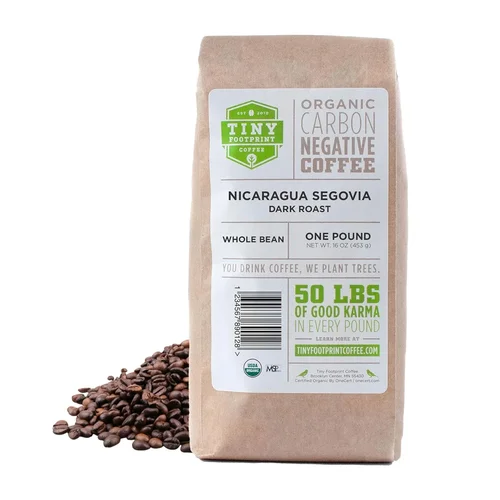
❌ Mistake: Prioritizing Price Over Quality
Why it’s bad: Choosing the cheapest organic coffee often means sacrificing freshness, flavor, and ethical standards. Low-cost options may use lower-grade beans, older inventory, or lack transparency in sourcing.
What to do instead: Focus on value, not just cost. Invest in a mid-range coffee from a reputable NYC roaster that balances price with quality. A slightly higher price often reflects better farming practices, fresher roasting, and superior taste.
❌ Mistake: Ignoring the Roast Date
Why it’s bad: Coffee loses flavor rapidly after roasting. Buying beans without checking the roast date can result in a stale, lifeless cup—even if the coffee is organic and expensive.
What to do instead: Always look for the roast date on the packaging. Aim for beans roasted within the past two weeks. If shopping online, choose roasters that ship quickly and clearly display roast dates.
❌ Mistake: Buying Pre-Ground Coffee
Why it’s bad: Pre-ground coffee loses aroma and flavor within minutes of grinding. Even organic, high-quality beans can taste dull if not ground fresh before brewing.
What to do instead: Purchase whole beans and invest in a good burr grinder. Grind just before brewing to preserve the full spectrum of flavors and aromas.
❌ Mistake: Overlooking Brewing Method Compatibility
Why it’s bad: Using the wrong coffee for your brewing method can lead to under-extraction (sour, weak) or over-extraction (bitter, harsh), ruining an otherwise excellent bean.
What to do instead: Match your coffee choice to your brewing technique. Ask roasters for recommendations or consult brewing guides. For example, use a medium-dark roast for French press and a light roast for pour-over.
❌ Mistake: Assuming All “Natural” or “Eco” Labels Mean Organic
Why it’s bad: Terms like “natural,” “eco-friendly,” or “sustainably grown” are not regulated and don’t guarantee USDA Organic certification. You might be paying a premium without the assurance of chemical-free farming.
What to do instead: Look specifically for the USDA Organic seal. Verify certifications on the roaster’s website or through third-party databases like the Organic Integrity Database.
❌ Mistake: Not Researching the Roaster’s Sourcing Practices
Why it’s bad: Organic certification doesn’t guarantee fair wages or ethical treatment of farmers. Some brands may use organic methods but still exploit labor or lack transparency.
What to do instead: Choose roasters that disclose their sourcing stories, farm partnerships, and pricing models. Support those with Fair Trade, direct trade, or B Corp certifications.
❌ Mistake: Buying in Bulk Without Testing
Why it’s bad: Purchasing large quantities of an unfamiliar coffee can lead to waste if the flavor doesn’t suit your taste. Organic doesn’t always mean “your favorite.”
What to do instead: Start with small bags or sample packs. Many NYC roasters offer trial sizes or subscription options that let you rotate beans before committing to a larger purchase.
Budget Guidelines: How Much Should You Spend?
When it comes to organic coffee in NYC, your budget will influence not only the brands you can access but also the quality, freshness, and ethical standards of your beans. Here’s a breakdown of what to expect at different price tiers:
Entry-Level ($12–$16 per pound): This range is ideal for casual drinkers or those new to organic coffee. You’ll find blends from reputable roasters that offer decent flavor and USDA Organic certification. While single-origin options are rare at this price, some local roasters like Café Grumpy and Porto Rico Importing Co. offer affordable organic blends that are great for daily drip or French press brewing. Expect moderate freshness and simpler packaging, but still a noticeable upgrade from conventional supermarket coffee.
Mid-Range ($17–$22 per pound): This is the sweet spot for most NYC coffee drinkers. At this price, you gain access to higher-quality beans, often single-origin or carefully crafted blends, with clear roast dates and ethical certifications. Roasters like Joe Coffee Company, Abraço, and Sweetleaf offer exceptional value here, with beans roasted in small batches and delivered fresh. Packaging is typically resealable and eco-conscious, and many include tasting notes and brewing tips. This tier balances affordability with premium quality, making it perfect for regular home brewing.
Premium ($23–$28 per pound): For enthusiasts and connoisseurs, this range delivers top-tier flavor, traceability, and craftsmanship. Expect rare single-origin coffees from microlots, experimental processing methods (like honey or anaerobic fermentation), and direct trade relationships. Roasters such as Sey Coffee, Onyx Coffee Lab, and Devoción shine in this category, often offering limited-edition releases with detailed farm stories. These beans are best enjoyed with precision brewing methods like pour-over or espresso, where nuanced flavors can fully develop.
Luxury ($29+ per pound): At this level, you’re paying for exclusivity, innovation, and artisanal excellence. These coffees often come from award-winning farms, undergo unique processing, and are roasted to perfection in tiny batches. While not necessary for daily drinking, they’re ideal for special occasions, gifting, or deepening your coffee knowledge. Some luxury options include carbonic maceration Gesha varieties or beans aged in whiskey barrels. Roasters like Tøst and Partners Coffee occasionally offer such premium selections, often with personalized brewing consultations.
Expert Tips for Getting the Best Deal
Finding the best organic coffee in NYC isn’t just about knowing what to buy—it’s also about knowing when and where to buy it. With a few strategic moves, you can enjoy premium beans at better prices while supporting local businesses. Here are expert-backed tips to maximize value and quality:
1. Time Your Purchases Around Roasting Schedules: Many local roasters roast on specific days of the week (e.g., Tuesdays and Fridays). Buying shortly after a roast day ensures peak freshness. Follow your favorite roasters on Instagram or subscribe to their newsletters to get alerts about new releases and restocks.
2. Shop During Seasonal Sales: Look for discounts during holidays like Earth Day, Black Friday, or National Coffee Day (September 29). Roasters often run promotions, bundle deals, or offer free shipping. Some even host “roast day” events with in-store tastings and discounts.
3. Buy Direct from Roasters: Cutting out the middleman saves money and supports small businesses. Ordering directly from a roaster’s website often includes lower prices, fresher beans, and access to exclusive offerings not available in stores.
4. Join Loyalty Programs: Many NYC coffee shops and roasters offer loyalty cards or digital rewards. After a certain number of purchases, you might earn a free bag of coffee or a discount. Apps like Perks at Joe Coffee make it easy to track rewards.
5. Compare Online Retailers: While local roasters are ideal, online platforms like Trade Coffee, Bean Box, and even Amazon can offer competitive prices and curated selections. Use filters to sort by organic certification, roast date, and customer ratings.
6. Test Before Committing: Take advantage of sample packs or small-batch offerings. Roasters like Sey and Onyx sell 4-ounce trial bags, allowing you to taste multiple origins before buying a full pound.
7. Consider Bulk Buying with Friends: If you have fellow coffee lovers in your building or workplace, pool orders to meet minimums for free shipping or bulk discounts. Some roasters offer tiered pricing for larger quantities.
8. Read Return Policies: While rare, sometimes a coffee just doesn’t suit your taste. Choose roasters with flexible return or exchange policies, especially for online orders. Most reputable NYC roasters will work with you to ensure satisfaction.

Frequently Asked Questions
Q: Is organic coffee really better for you?
A: Yes, in several ways. Organic coffee is grown without synthetic pesticides and fertilizers, reducing your exposure to potentially harmful chemicals. It’s also often cultivated using sustainable farming methods that protect soil health and biodiversity. While both organic and conventional coffee contain antioxidants and caffeine, organic options offer a cleaner, more environmentally responsible choice.
Q: Can I find organic coffee at NYC grocery stores?
A: Absolutely. Chains like Whole Foods, Trader Joe’s, and Fairway Market carry a variety of organic coffee brands, including local roasters like Café Grumpy and national labels like Allegro and Equal Exchange. However, freshness can be an issue—always check the roast date, as store inventory may sit for weeks.
Q: What’s the difference between organic and Fair Trade coffee?
A: Organic refers to farming practices—no synthetic chemicals. Fair Trade focuses on social and economic ethics, ensuring farmers receive fair wages and work in safe conditions. Many coffees are both organic and Fair Trade, offering the best of both worlds. Look for dual certification when possible.
Q: How should I store organic coffee?
A: Store beans in an airtight container away from light, heat, and moisture. Avoid the fridge or freezer unless storing for more than a month—condensation can degrade quality. Keep them in a cool, dark cupboard and use within 3–4 weeks of roasting for optimal flavor.
Q: Is cold brew better with organic coffee?
A: Not necessarily, but organic beans can enhance the experience. Cold brew benefits from low-acid, smooth profiles, and many organic roasts are crafted specifically for this method. Choose a medium or dark roast with chocolate or nutty notes for the best results.
Q: Can I brew organic coffee with any method?
A: Yes, but the best method depends on the bean. Light roasts excel in pour-over, medium roasts work well with drip or French press, and dark roasts are ideal for espresso. Match your brewing technique to the roast level and flavor profile for the best cup.
Q: Are NYC roasters more sustainable than national brands?
A: Often, yes. Local roasters tend to have smaller carbon footprints due to shorter supply chains, use eco-friendly packaging, and support regional economies. Many also prioritize direct trade and transparency, which larger brands may lack.
Q: How do I know if a roaster is truly organic?
A: Look for the USDA Organic seal on the packaging. You can also verify certification through the USDA’s Organic Integrity Database by searching the roaster’s name or certification number. Reputable roasters will proudly display this information on their website.
Q: Is organic coffee more expensive?
A: Generally, yes—due to higher farming costs, certification fees, and ethical sourcing. However, prices vary widely, and many mid-range organic options offer excellent value. The premium often reflects better quality, freshness, and sustainability.
Q: Can I grind organic coffee at home?
A: Definitely. In fact, grinding at home is recommended for maximum freshness. Invest in a burr grinder for consistent particle size, which ensures even extraction and better flavor. Grind just before brewing for the best results.
Our Final Recommendations
After extensive research and tasting, here are our top picks for organic coffee in NYC, tailored to different needs and preferences:
Best for Budget-Conscious Buyers: Café Grumpy Organic Blend – At around $14 per pound, this Brooklyn-based roaster offers a smooth, balanced blend with notes of caramel and nuts. It’s USDA Organic, freshly roasted, and widely available in cafes and online. Perfect for daily drip brewing without breaking the bank.
Best Overall Value: Joe Coffee Company Organic Single Origin – Priced at $19–$22 per pound, Joe’s rotating single-origin selections deliver exceptional flavor, traceability, and freshness. Their commitment to direct trade and sustainable packaging makes them a standout choice for conscientious drinkers.
Best Premium Option: Sey Coffee La Lomita – At $28 per pound, this Ethiopian single-origin is a masterpiece of floral, tea-like complexity. Roasted in Brooklyn with meticulous attention to detail, it’s ideal for pour-over enthusiasts seeking a transcendent coffee experience.
Best for Beginners: Abraço Organic Espresso Blend – This East Village favorite offers a forgiving, chocolatey blend at $16 per pound. It’s easy to brew, consistently delicious, and a great introduction to organic coffee for those new to specialty roasts.
Best for Advanced Users: Onyx Coffee Lab Monarch – A rotating single-origin series that showcases rare processing methods and microlot beans. At $26 per pound, it’s a playground for coffee geeks, with detailed tasting notes and brewing recommendations included.
Conclusion: Making the Right Choice
Choosing the best organic coffee in NYC is about more than just flavor—it’s about aligning your daily ritual with your values. Whether you prioritize health, sustainability, ethical sourcing, or simply the joy of a perfectly brewed cup, the city offers an abundance of options to suit every palate and budget. By focusing on key factors like certification, freshness, roast level, and roaster transparency, you can navigate the crowded market with confidence.
Remember, the “best” coffee is the one that tastes great to you, supports the people who grow it, and fits your lifestyle. Don’t be afraid to experiment—try a new single-origin each month, visit a local roaster, or join a subscription service. Coffee is a journey, and NYC is one of the best places in the world to explore it. So brew with intention, sip with awareness, and enjoy every drop of your organic coffee adventure.
Ready to elevate your morning routine? Start by visiting one of the recommended roasters, checking their latest offerings, and tasting the difference that quality, ethics, and freshness can make. Your perfect cup is out there—happy brewing!