
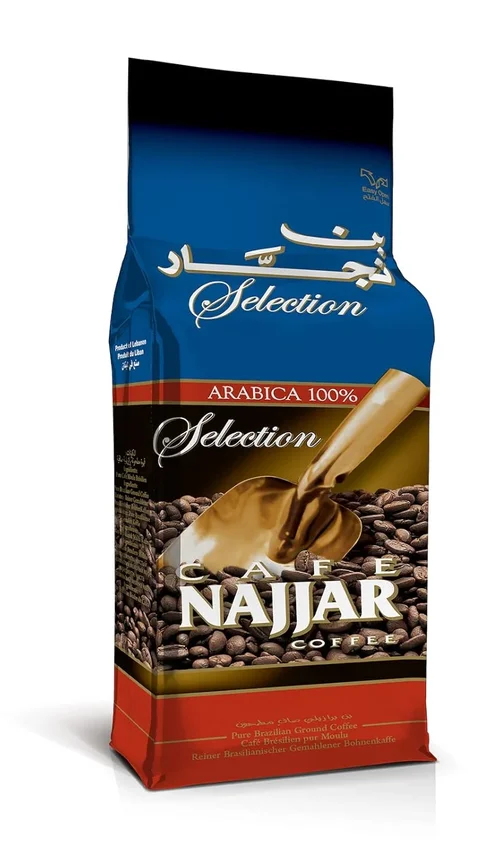
Turkish coffee is more than just a beverage—it’s a centuries-old ritual steeped in tradition, culture, and deep flavor. In New York City, where global cuisines converge and culinary excellence is both expected and celebrated, Turkish coffee has carved out a respected niche among coffee lovers seeking something authentic, rich, and deeply aromatic. Whether you’re sipping it in a cozy Brooklyn café or brewing it at home using beans sourced from a specialty roaster in Queens, Turkish coffee offers a unique experience that stands apart from espresso, pour-over, or drip methods.
This guide was created for anyone in NYC—whether you’re a lifelong resident, a recent transplant, or a visitor eager to explore the city’s vibrant coffee scene—who wants to discover the very best Turkish coffee experiences the city has to offer. From understanding what makes Turkish coffee truly “Turkish” to knowing where to buy the finest beans, how to brew like a pro, and which cafes serve it with genuine craftsmanship, this comprehensive resource will equip you with everything you need. We’ll walk you through key factors to consider when choosing beans or equipment, compare different types of Turkish coffee setups, highlight common pitfalls to avoid, and provide expert-backed recommendations tailored to every budget and skill level.
The market for Turkish coffee in NYC is surprisingly robust. While it may not dominate headlines like third-wave specialty coffee, it thrives in neighborhoods with strong Middle Eastern, Mediterranean, and Balkan communities—think Astoria, Bay Ridge, Jackson Heights, and parts of Manhattan’s Upper West Side. Independent roasters, family-owned cafes, and even high-end restaurants now offer meticulously prepared Turkish coffee, often using traditional ibrik (cezve) pots and finely ground beans roasted to perfection. At the same time, online retailers and local grocers make it easier than ever to source quality ingredients and tools. With so many options available, knowing what to look for—and where to find it—is essential to enjoying an authentic, satisfying cup every time.

What to Look for When Buying Turkish Coffee in NYC
1. Bean Origin & Roast Profile
The foundation of exceptional Turkish coffee lies in the beans themselves. Unlike other brewing methods that can mask imperfections, Turkish coffee’s ultra-fine grind and unfiltered preparation mean that bean quality is paramount. Look for single-origin Arabica beans from regions known for their compatibility with Turkish-style roasting—Ethiopia, Yemen, Brazil, and certain parts of Turkey itself (like the historic region of Harran). These beans typically have low acidity, medium body, and notes of chocolate, nuts, or dried fruit, which complement the slow-simmered brewing process.
Equally important is the roast profile. Authentic Turkish coffee uses a dark roast—but not the charred, oily beans common in Italian espresso. Instead, aim for a deep, almost black roast with a matte finish (no surface oil), sometimes called “Turkish roast.” This ensures the coffee develops the characteristic sweetness and syrupy texture without becoming bitter. In NYC, roasters like Sey Coffee in Bushwick and Bean & Bean in multiple locations offer small-batch, traditionally roasted beans specifically labeled for Turkish preparation.
2. Grind Fineness & Consistency
Turkish coffee requires the finest possible grind—finer than powdered sugar. If the grind is too coarse, the coffee will lack body and fail to produce the prized foam (köpük); if too fine, it can clog your cezve or create an overly muddy cup. The ideal grind should feel like talcum powder between your fingers—smooth, almost weightless, and completely uniform.
While pre-ground Turkish coffee is widely available in ethnic markets (especially in Astoria’s Greek and Turkish shops or Bay Ridge’s Arab grocers), freshly grinding your own beans just before brewing yields superior aroma and flavor. Invest in a high-quality manual burr grinder designed for Turkish coffee, such as the Zassenhaus or Hario models. Many NYC-based roasters also offer custom grinding services—just ask when you purchase your beans. Avoid blade grinders at all costs; they create inconsistent particle sizes that ruin the brew.
3. Water Quality & Temperature Control
Since Turkish coffee is boiled (not extracted under pressure like espresso), water plays a critical role in the final taste. Use filtered or spring water to avoid chlorine or mineral off-flavors. The ideal temperature is just below boiling—around 195°F to 200°F—because boiling water can scorch the fine grounds and introduce bitterness.
In practice, this means heating the water separately before adding it to the cezve, or carefully monitoring the brew as it simmers. Traditionalists heat the cezve directly over low flame, removing it just before the first boil (when a froth begins to rise). Modern electric Turkish coffee makers, like those from Beko or Arzum, automate this process with precision thermostats—but purists argue they lack the soul of stovetop brewing. Whichever method you choose, never let the coffee boil vigorously.
4. Cezve (Ibrik) Material & Design
The vessel you use matters as much as the beans. A traditional cezve (also called ibrik) is a small, long-handled pot usually made of copper, brass, or stainless steel, often lined with tin to prevent metallic aftertaste. Copper conducts heat evenly and responds quickly to temperature changes—ideal for the delicate simmering required. However, unlined copper can react with acidic liquids, so always choose lined versions unless you’re experienced with maintenance.
Size is another consideration. Standard cezves hold 2–4 demitasse cups (about 2–3 oz each). For home use, a 3-cup model offers flexibility. Avoid aluminum cezves—they can impart a metallic flavor. In NYC, you’ll find authentic cezves at stores like Kalustyan’s in the East Village, Sahadi’s in Brooklyn, or online via Etsy sellers specializing in handmade Turkish crafts. Look for pots with a narrow spout to help control foam formation and prevent spills.
5. Sweetness Level & Customization
Turkish coffee is traditionally served with sugar added during brewing—not after—which allows it to dissolve fully and integrate into the foam. The standard sweetness levels are: sade (unsweetened), az şekerli (slightly sweet), orta şekerli (medium sweet), and çok şekerli (very sweet). Your preference here is personal, but note that adding sugar affects the coffee’s viscosity and foam stability.
If you’re new to Turkish coffee, start with orta şekerli to appreciate the balance of sweetness and coffee intensity. Some modern cafes in NYC offer sugar-free or alternative sweetener options (like date syrup or stevia), but these can alter the traditional texture. Always specify your sweetness level when ordering out—many establishments default to medium unless instructed otherwise.
6. Café Authenticity & Preparation Ritual
Not all places serving “Turkish coffee” in NYC prepare it authentically. True Turkish coffee is brewed slowly in a cezve, allowed to foam three times, and served unfiltered in small porcelain cups with a glass of water on the side (to cleanse the palate). The grounds settle naturally, and it’s customary not to stir after serving.
When evaluating a café, observe their process: Do they use a cezve? Is the coffee simmered gently? Is there visible foam? Reputable spots like Tabaq in Williamsburg, Çiya Sofrasi in the East Village (though technically Turkish-inspired), and Pasha Cafe in Midtown adhere closely to tradition. Avoid places that serve Turkish coffee made with instant powder or French press—it’s a telltale sign of inauthenticity.
7. Packaging & Freshness Indicators
Freshness is non-negotiable. Turkish coffee loses its aromatic complexity within weeks of grinding due to its enormous surface area. When buying pre-ground, check for vacuum-sealed packaging with a roast or pack date clearly printed. Avoid cans or bags without transparency—oxidation degrades flavor rapidly.
Whole beans are always preferable if you have a grinder. Look for opaque, resealable bags with one-way valves that allow CO2 to escape without letting air in. In NYC, roasters like Oslo Coffee Roasters (with locations in Chelsea and Williamsburg) and Sweetleaf (multiple locations) often stock Turkish-roast beans and can grind them to order. Ask about their roast schedule—many small batches are roasted weekly.
8. Cultural Context & Serving Etiquette
Understanding the cultural significance enhances the experience. In Turkey and surrounding regions, Turkish coffee is a symbol of hospitality, patience, and connection. It’s often served after meals, during social visits, or as part of engagement ceremonies. The foam (köpük) is considered a mark of skill—a well-made cup should have a thick, creamy layer that lingers.
In NYC, respecting this tradition means savoring the coffee slowly, not rushing through it. It’s also polite to leave a small amount of grounds in the cup (they’re not meant to be drunk) and sometimes even read them for fun—a practice known as tasseography. Many authentic cafes will serve Turkish delight or lokum alongside the coffee, enhancing the sensory experience.
Different Types of Turkish Coffee in NYC

Common Buying Mistakes to Avoid
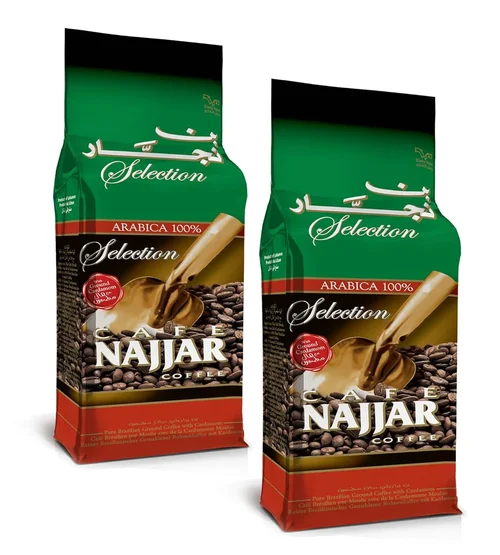
❌ Mistake: Choosing Pre-Ground Coffee Without Checking Freshness
Why it’s bad: Most pre-ground Turkish coffee on supermarket shelves is months old and stale, resulting in a flat, lifeless cup lacking the signature aroma and foam.
What to do instead: Always check the pack date. Better yet, buy whole beans and grind them yourself, or purchase from NYC roasters who grind to order. Stores like Kalustyan’s often rotate stock frequently—ask when the batch was ground.
❌ Mistake: Using the Wrong Grind Size
Why it’s bad: A coarse grind won’t extract properly, while an inconsistent grind (from a blade grinder) creates bitter and weak flavors simultaneously.
What to do instead: Invest in a dedicated Turkish burr grinder or seek out specialty shops that offer precision grinding. Never use espresso or drip grind settings.
❌ Mistake: Overheating or Boiling the Coffee
Why it’s bad: Boiling destroys delicate compounds, causes bitterness, and prevents proper foam formation. The coffee may also boil over, creating a mess.
What to do instead: Heat gently over low flame, removing the cezve just as foam begins to rise. Repeat this process 2–3 times for layered flavor.
❌ Mistake: Skipping the Water Ritual
Why it’s bad: Serving Turkish coffee without a side of water feels incomplete and can overwhelm the palate with intensity.
What to do instead: Always serve with a small glass of cold water—it cleanses the palate and enhances the coffee’s sweetness.
❌ Mistake: Buying Cheap, Unlined Cezves
Why it’s bad: Low-quality copper or aluminum pots can leach metals into the coffee, affecting taste and potentially health.
What to do instead: Choose lined copper, brass, or high-grade stainless steel cezves from reputable sellers. Avoid decorative pots sold as souvenirs unless verified food-safe.
❌ Mistake: Ignoring Sweetness Preferences When Ordering
Why it’s bad: Assuming all Turkish coffee is unsweetened (or vice versa) leads to disappointment. Many NYC cafes default to medium sweetness.
What to do instead: Always specify your preference: “sade,” “az şekerli,” etc. If unsure, ask for a sample or start with medium.
❌ Mistake: Drinking the Grounds
Why it’s bad: The thick sludge at the bottom is undrinkable and gritty. Consuming it ruins the smooth finish.
What to do instead: Sip slowly and stop when you feel sediment. It’s normal—and expected—to leave a tablespoon or so in the cup.
Budget Guidelines: How Much Should You Spend?
Entry-Level ($10–$25): This tier is ideal for beginners or occasional drinkers. Expect pre-ground coffee from brands like Kurukahveci Mehmet Efendi (available at many NYC grocers) and basic stainless steel cezves. While convenient, freshness may be compromised. Best for trying the style before investing more.
Mid-Range ($25–$60): The sweet spot for most home brewers. Includes freshly roasted beans from local NYC roasters (e.g., Sey Coffee’s Turkish roast), a quality manual grinder, and a lined copper cezve. You’ll notice a dramatic improvement in aroma, foam, and overall balance. Perfect for daily enjoyment.
Premium ($60–$120): For enthusiasts who value consistency and craftsmanship. Think electric Turkish makers (like the Beko TKM6100), artisanal cezves from Turkish craftsmen, and single-origin subscriptions. These setups deliver café-quality results at home with minimal effort.
Luxury ($120+): Reserved for collectors and serious connoisseurs. Hand-hammered copper cezves with intricate engravings, rare Yemeni or Ethiopian microlot beans, and custom grinding services fall here. While not necessary for great coffee, they elevate the ritual into an art form.
Expert Tips for Getting the Best Deal
- Shop during cultural holidays: During Ramadan, Eid, or Turkish National Days, many ethnic markets in Astoria and Bay Ridge offer discounts on coffee and cezves.
- Visit roaster open houses: Places like Sey Coffee and Oslo often host weekend events with free tastings and 10–15% off purchases.
- Buy in bulk with friends: Splitting a 2-lb bag of beans with a fellow enthusiast reduces cost per cup and ensures freshness through shared use.
- Check return policies: If buying an electric maker online, ensure it’s returnable in case it doesn’t meet your expectations.
- Test before committing: Try Turkish coffee at multiple NYC cafes (e.g., Tabaq, Pasha Cafe, Çiya Sofrasi) to understand your taste preferences before investing in equipment.
- Look for bundle deals: Some online retailers (like Amazon or Turkish specialty sites) offer cezve + bean + cup sets at a discount.
- Join loyalty programs: Cafes like Bean & Bean offer points for repeat purchases—great for regulars.
- Consider二手 (used) gear: Gently used cezves and grinders appear on Facebook Marketplace or Craigslist NYC—just sanitize thoroughly before use.

Frequently Asked Questions
Q: Can I make Turkish coffee without a cezve?
A: Technically yes—using a small saucepan—but you’ll lose the precise heat control and foam management that a cezve provides. For authenticity and best results, a proper cezve is strongly recommended.
Q: Is Turkish coffee stronger than espresso?
A: Not necessarily in caffeine content (a 2 oz Turkish coffee has slightly less caffeine than a single espresso), but it feels stronger due to its concentrated flavor, thick texture, and unfiltered nature.
Q: Where in NYC can I find the most authentic Turkish coffee?
A: Top spots include Tabaq (Williamsburg), Pasha Cafe (Midtown), and Sahadi’s (Brooklyn), which also sells beans and cezves. Astoria’s Greek and Turkish bakeries often serve excellent versions too.
Q: How long does Turkish coffee stay fresh?
A: Pre-ground: 2–3 weeks in an airtight container away from light and heat. Whole beans: up to 6 weeks. Always smell before brewing—if it lacks aroma, it’s past its prime.
Q: Can I reheat Turkish coffee?
A: Not recommended. Reheating breaks down the foam and intensifies bitterness. Brew only what you’ll drink immediately.
Q: Why is there foam on top?
A: The foam (köpük) forms when fine particles and oils emulsify during slow heating. It’s a sign of proper technique and fresh beans—and it’s delicious!
Q: Is Turkish coffee vegan?
A: Yes, traditionally. It contains only coffee, water, and optional sugar. Avoid versions with milk or cream, which are not standard.
Q: How do I clean my cezve?
A: Rinse with warm water immediately after use—never use soap, as it can strip the lining. For stubborn residue, use a paste of baking soda and water, then rinse thoroughly.
Q: Can I use flavored beans for Turkish coffee?
A: Possible, but not traditional. Vanilla or cardamom notes can work, but avoid overly artificial flavors. Cardamom is actually a classic addition—crush a pod and add it during brewing.
Q: What’s the difference between Turkish and Greek coffee?
A: Nearly identical in preparation and ingredients. The main distinction is cultural—Greek coffee is often sweeter and may include a bit more foam. Both use the same cezve and grind.
Our Final Recommendations
Best for Budget-Conscious Buyers: Kurukahveci Mehmet Efendi Pre-Ground ($9 at Kalustyan’s) + basic stainless cezve ($15). Great for trying the style without commitment.
Best Overall Value: Sey Coffee Turkish Roast Whole Beans ($18/8 oz) + Hario Slim Mill Grinder ($45) + lined copper cezve ($35). Delivers café-quality results at home.
Best Premium Option: Beko TKM6100 Electric Turkish Coffee Maker ($120) paired with Oslo Coffee’s Ethiopian Single Origin ($22). Perfect for consistent, effortless brewing.
Best for Beginners: Visit Tabaq in Williamsburg for a guided tasting, then purchase their house blend and a starter cezve kit. Learn by doing!
Best for Advanced Users: Subscribe to Bean & Bean’s Turkish Roast Rotation ($30/month) and invest in a handcrafted Anatolian copper cezve ($80+). Explore terroir like a pro.
Conclusion: Making the Right Choice
Choosing the best Turkish coffee experience in NYC isn’t just about finding the strongest brew or the cheapest beans—it’s about aligning your choice with your lifestyle, taste preferences, and respect for tradition. Whether you’re drawn to the meditative ritual of stovetop brewing, the convenience of modern appliances, or the warmth of sharing a cup in a neighborhood café, NYC offers unparalleled access to authentic, high-quality Turkish coffee.
Remember: freshness, grind consistency, and proper technique matter more than brand names or price tags. Start simple, taste widely, and gradually refine your setup as your palate evolves. And above all, savor the moment—Turkish coffee is meant to be enjoyed slowly, mindfully, and with company whenever possible.
So go ahead: grab a cezve, source some freshly roasted beans from a local NYC roaster, and pour yourself a cup steeped in history and flavor. Your perfect Turkish coffee experience awaits.