
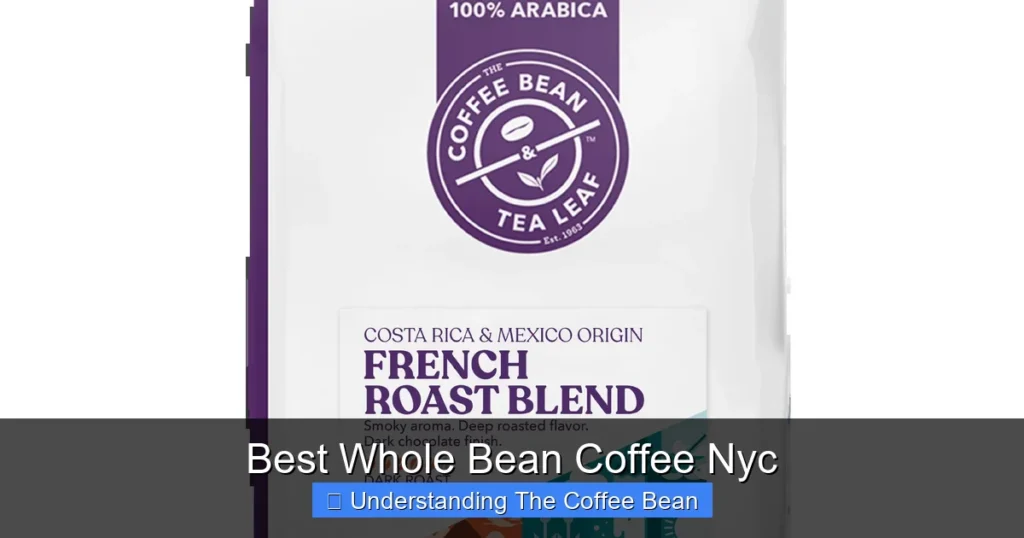
Finding the best whole bean coffee in NYC means exploring the city’s vibrant local roasting scene. With countless artisanal roasters and unique flavor profiles, New Yorkers are spoiled for choice—whether you’re brewing at home or gifting a coffee lover.
New York City isn’t just known for its skyline, Broadway shows, or pizza slices—it’s also a thriving hub for coffee culture. From corner bodegas serving up strong, no-frills brews to sleek third-wave cafés pulling perfect espresso shots, the city runs on caffeine. But for those who take their coffee seriously, the real magic happens at home—with a bag of freshly roasted whole bean coffee.
The rise of specialty coffee in NYC over the past two decades has transformed the way locals drink their morning cup. No longer content with stale, pre-ground supermarket blends, New Yorkers are seeking out high-quality, ethically sourced beans that reflect the city’s diversity and sophistication. Whether you’re a pour-over purist, a French press fanatic, or an espresso enthusiast, the key to a great cup starts with the bean—and in NYC, you’re never far from a roaster crafting something extraordinary.
But with so many options, how do you find the best whole bean coffee in NYC? It’s not just about popularity or price—it’s about understanding what makes a coffee truly exceptional. From roast level and origin to processing method and freshness, every detail shapes the final flavor in your mug. This guide will walk you through everything you need to know to make an informed choice, spotlight the top local roasters, and help you brew a cup that rivals any café in the city.
Key Takeaways
- Freshness is everything: Whole bean coffee stays fresher longer than pre-ground, preserving aroma and flavor for a richer brew.
- Local roasters lead the way: NYC is home to some of the most innovative and quality-focused coffee roasters in the world.
- Single-origin vs. blends: Single-origin beans highlight unique regional flavors, while blends offer balanced, consistent taste profiles.
- Roast date matters more than expiration: Always check the roast date—coffee is best consumed within 2–4 weeks of roasting.
- Grind at home for peak flavor: Investing in a good burr grinder ensures optimal extraction and maximum freshness.
- Sustainability and ethics count: Many NYC roasters prioritize fair trade, direct trade, and eco-friendly practices.
- Try seasonal offerings: Limited-edition seasonal beans often feature unique processing methods and rare varietals.
📑 Table of Contents
- Why Whole Bean Coffee Beats Pre-Ground Every Time
- Understanding Coffee Bean Origins and Profiles
- Top NYC Roasters Serving the Best Whole Bean Coffee
- How to Store Whole Bean Coffee for Maximum Freshness
- Brewing Methods That Highlight Whole Bean Coffee
- Sustainability and Ethics in NYC Coffee Culture
- Seasonal and Limited-Edition Offerings
- Conclusion
Why Whole Bean Coffee Beats Pre-Ground Every Time
If you’re still buying pre-ground coffee, it’s time for a wake-up call—literally. Whole bean coffee is the gold standard for flavor, aroma, and freshness. Once coffee beans are ground, they begin to lose their volatile aromatic compounds almost immediately. Oxygen, light, and moisture start breaking down the oils and flavors that make coffee so enjoyable. Within minutes of grinding, much of that complexity begins to fade.
Whole beans, on the other hand, retain their integrity for weeks when stored properly. The outer shell protects the inner seed, slowing oxidation and preserving the nuanced flavors developed during roasting. That means when you grind your beans just before brewing, you’re unlocking the full potential of that coffee—whether it’s the bright citrus notes of an Ethiopian Yirgacheffe or the rich chocolate undertones of a Colombian Supremo.
The Science of Freshness
Coffee beans release carbon dioxide after roasting—a natural process that helps preserve flavor. Pre-ground coffee loses this protective gas quickly, accelerating staling. Whole beans continue to degas slowly, maintaining a more stable internal environment. Studies have shown that coffee brewed from freshly ground beans has significantly higher levels of aromatic compounds and a more balanced acidity.
Grind Consistency Matters
Another advantage of grinding at home? Control. Different brewing methods require different grind sizes. Espresso needs a fine grind, French press calls for coarse, and pour-over falls somewhere in between. Pre-ground coffee is typically optimized for drip machines, which means it might not work well for your preferred method. A quality burr grinder lets you adjust the particle size precisely, ensuring even extraction and a more flavorful cup.
Invest in a Good Grinder
You don’t need to spend hundreds, but skipping the blade grinder is essential. Blade grinders chop beans unevenly, creating fines and boulders that lead to over- and under-extraction. A burr grinder crushes beans uniformly, giving you consistent results every time. Look for models under $100—brands like Baratza, Fellow, and Oxo offer excellent entry-level options.
Understanding Coffee Bean Origins and Profiles
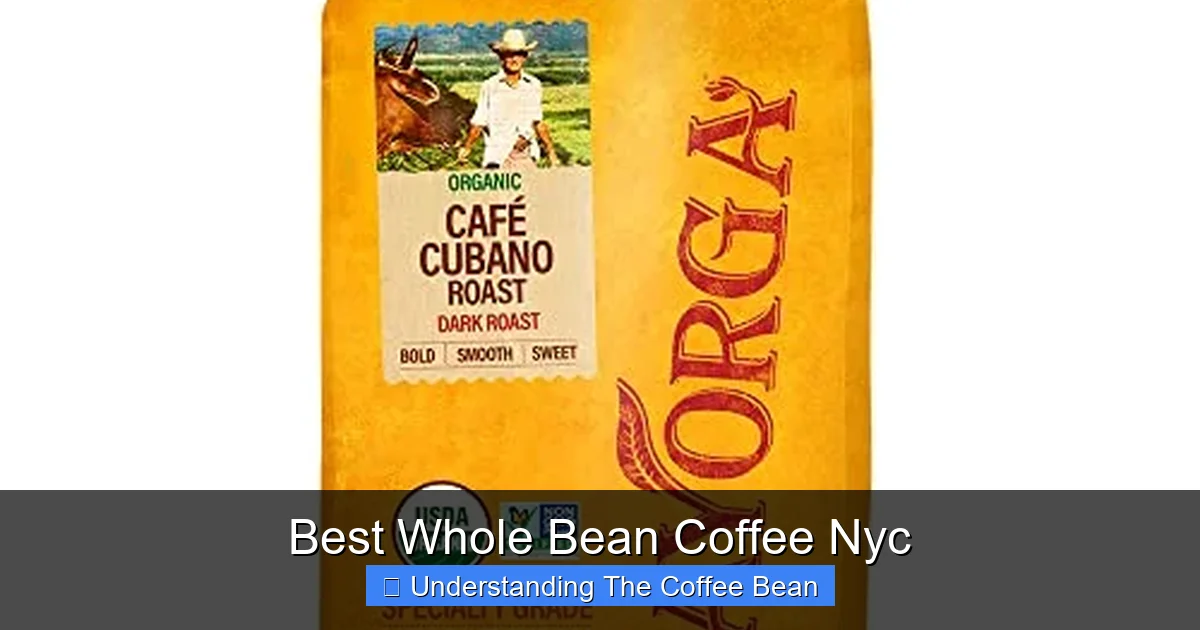
Visual guide about Best Whole Bean Coffee Nyc
Image source: m.media-amazon.com
Not all coffee beans are created equal. The region where a coffee is grown—its altitude, soil, climate, and processing method—plays a huge role in its flavor. Understanding these differences helps you choose beans that match your taste preferences.
Africa: Bright, Fruity, and Complex
African coffees, especially from Ethiopia and Kenya, are known for their vibrant acidity and floral, berry-like notes. Ethiopian beans often have wine-like qualities with hints of blueberry or jasmine. These are ideal for pour-over or Chemex brewing, which highlights their delicate aromatics.
Central & South America: Balanced and Approachable
Countries like Colombia, Guatemala, and Costa Rica produce coffees with medium body, balanced acidity, and notes of caramel, nuts, or chocolate. These versatile beans work well across brewing methods and are great for everyday drinking.
Asia-Pacific: Earthy and Full-Bodied
Indonesian beans, such as Sumatran or Sulawesi, tend to be low in acidity with deep, earthy, and sometimes smoky flavors. They’re often processed using the wet-hulling method, which gives them a unique funky richness. These are perfect for French press or cold brew.
Processing Methods: Washed, Natural, Honey
How coffee cherries are processed after harvest also affects flavor:
– Washed: Beans are fermented and washed to remove fruit, resulting in clean, bright flavors.
– Natural: Dried with fruit intact, producing fruity, fermented notes.
– Honey: Partially removed fruit, offering a balance of sweetness and clarity.
Top NYC Roasters Serving the Best Whole Bean Coffee
New York City is home to a thriving community of independent roasters who are passionate about quality, sustainability, and innovation. Here are some of the best spots to find exceptional whole bean coffee.
Blue Bottle Coffee
With origins in Oakland but a strong NYC presence, Blue Bottle is a pioneer of the third-wave coffee movement. They roast in small batches and prioritize freshness, often shipping beans within days of roasting. Their single-origin offerings—like the Ethiopia Sidama or Colombia La Esperanza—are clean, complex, and perfect for pour-over.
Devoción
Devoción stands out for its commitment to ultra-freshness. They import green beans directly from Colombian farms and roast them in Brooklyn within 48 hours of harvest. Their “Freshly Harvested” line features beans that are literally days old when they reach your cup. Try their Huila single-origin for a juicy, tropical flavor.
Sey Coffee
Located in Bushwick, Sey Coffee focuses on light-roasted, high-elevation beans that highlight terroir. Their roasting style emphasizes clarity and sweetness, making their coffees ideal for those who enjoy nuanced, tea-like brews. Their Ethiopia Worka Sakaro is a fan favorite, with notes of peach, bergamot, and honey.
Partners Coffee
Originally from Brooklyn, Partners has expanded across the city and beyond. They offer a mix of single-origin and blended coffees, with a focus on direct trade relationships. Their “Brooklyn Blend” is a smooth, chocolatey option great for espresso, while their seasonal single-origins rotate frequently.
Joe Coffee Company
A longtime favorite among NYC coffee lovers, Joe Coffee sources beans from top farms around the world and roasts them in Long Island City. Their “Proving Ground” blend is a balanced, crowd-pleasing option, while their single-origin offerings—like the Rwanda Kinini—showcase bright, wine-like acidity.
Kavka Coffee Roasters
Based in Williamsburg, Kavka specializes in small-batch, ethically sourced beans. They offer a rotating selection of single-origins, often featuring unique processing methods like anaerobic fermentation. Their packaging is minimalist and eco-friendly, appealing to conscious consumers.
How to Store Whole Bean Coffee for Maximum Freshness
Even the best beans can go stale if not stored properly. Follow these tips to keep your coffee tasting its best:
Keep It Cool, Dark, and Dry
Heat, light, and moisture are coffee’s worst enemies. Store beans in an airtight container away from the stove, window, or dishwasher. A cool pantry or cupboard is ideal.
Avoid the Fridge or Freezer
Contrary to popular belief, refrigerating or freezing coffee can damage it. Condensation forms when beans are removed, introducing moisture that degrades flavor. Plus, coffee absorbs odors easily—your leftover garlic bread could end up in your morning brew.
Buy in Smaller Quantities
It’s tempting to stock up, but coffee is best consumed within 2–4 weeks of roasting. Buy only what you’ll use in a week or two to ensure peak freshness.
Use a One-Way Valve Bag
Many roasters ship beans in bags with one-way valves that let CO2 escape without letting air in. If transferring to another container, choose one with a similar valve or seal tightly after each use.
Brewing Methods That Highlight Whole Bean Coffee
The way you brew your coffee can make or break the experience. Here’s how to get the most out of your whole beans.
Pour-Over (V60 or Chemex)
Perfect for highlighting delicate, floral notes in light-roasted beans. Use a gooseneck kettle for precise control and a medium-fine grind. Bloom the grounds with hot water for 30 seconds before pouring slowly in circles.
French Press
Ideal for full-bodied, earthy coffees. Use a coarse grind and steep for 4 minutes before pressing. The immersion method extracts rich oils and sediment, creating a bold, textured cup.
Espresso
Requires a fine grind and high pressure. Best with medium to dark roasts that can stand up to intense extraction. Invest in a quality machine or try a stovetop Moka pot for a strong, concentrated brew.
Cold Brew
Great for reducing acidity and highlighting sweetness. Use a coarse grind and steep in cold water for 12–24 hours. Works well with almost any bean, but especially smooth, chocolatey blends.
Sustainability and Ethics in NYC Coffee Culture
More than just taste, today’s coffee drinkers care about where their beans come from and how they’re produced. NYC roasters are leading the charge in ethical sourcing.
Direct Trade vs. Fair Trade
Fair Trade ensures farmers receive a minimum price, but Direct Trade goes further—roasters build long-term relationships with farms, often paying well above market rates. Many NYC roasters, like Devoción and Sey, prioritize direct trade for better quality and transparency.
Eco-Friendly Packaging
Look for roasters using compostable or recyclable bags. Some, like Partners Coffee, offer reusable containers or refill programs to reduce waste.
Supporting Local Economies
Buying from local roasters keeps money in the community and reduces the carbon footprint associated with shipping. Plus, you’re more likely to get freshly roasted beans when they’re made just miles from your home.
Seasonal and Limited-Edition Offerings
One of the joys of specialty coffee is the ever-changing selection. Many NYC roasters release seasonal beans that reflect harvest cycles and experimental processing.
Spring and Summer: Bright and Fruity
Look for African coffees with floral and citrus notes—perfect for iced pour-overs or cold brew.
Fall and Winter: Rich and Spiced
Darker, chocolatey blends with hints of cinnamon or nutmeg are ideal for cozy mornings. Some roasters even release holiday-themed blends with festive packaging.
Experimental Lots
Keep an eye out for anaerobic ferments, carbonic maceration, or honey-processed beans. These innovative methods create unique flavor profiles—think tropical fruit, wine, or even kombucha-like tang.
Conclusion
Finding the best whole bean coffee in NYC is about more than just taste—it’s about connection. Connection to the farmers who grow the beans, to the roasters who craft them with care, and to the city’s rich coffee culture. With so many incredible options available, there’s never been a better time to explore, experiment, and elevate your home brewing game.
Start by choosing a reputable local roaster, prioritize freshness, and invest in a good grinder. Try different origins, processing methods, and brewing techniques to discover what you love. Whether you’re sipping a bright Ethiopian pour-over on a Sunday morning or pulling a rich espresso shot before work, the perfect cup is within reach.
So go ahead—grind those beans, heat the water, and pour yourself a coffee that’s as vibrant and dynamic as the city itself.
Frequently Asked Questions
What makes whole bean coffee better than pre-ground?
Whole bean coffee stays fresher longer because the outer shell protects the inner seed from oxidation. Grinding just before brewing preserves aroma and flavor, resulting in a richer, more complex cup.
How long does whole bean coffee stay fresh?
Whole bean coffee is best consumed within 2–4 weeks of the roast date. Store it in an airtight container in a cool, dark place to maintain quality.
Where can I buy the best whole bean coffee in NYC?
Top local roasters include Blue Bottle, Devoción, Sey Coffee, Partners Coffee, Joe Coffee Company, and Kavka Coffee Roasters. Many sell online with local delivery or in-store pickup.
Should I grind my coffee at home?
Yes! Grinding at home ensures maximum freshness and allows you to adjust the grind size for your brewing method, leading to better extraction and flavor.
What’s the difference between single-origin and blended coffee?
Single-origin coffee comes from one region or farm, highlighting unique terroir and flavor notes. Blends combine beans from multiple origins for balance, consistency, and complexity.
How do I choose the right coffee for my taste?
Consider your preferred flavor profile: bright and fruity (try African beans), balanced and chocolatey (Central/South American), or earthy and bold (Asian-Pacific). Experiment with different roasts and brewing methods to find your favorite.