
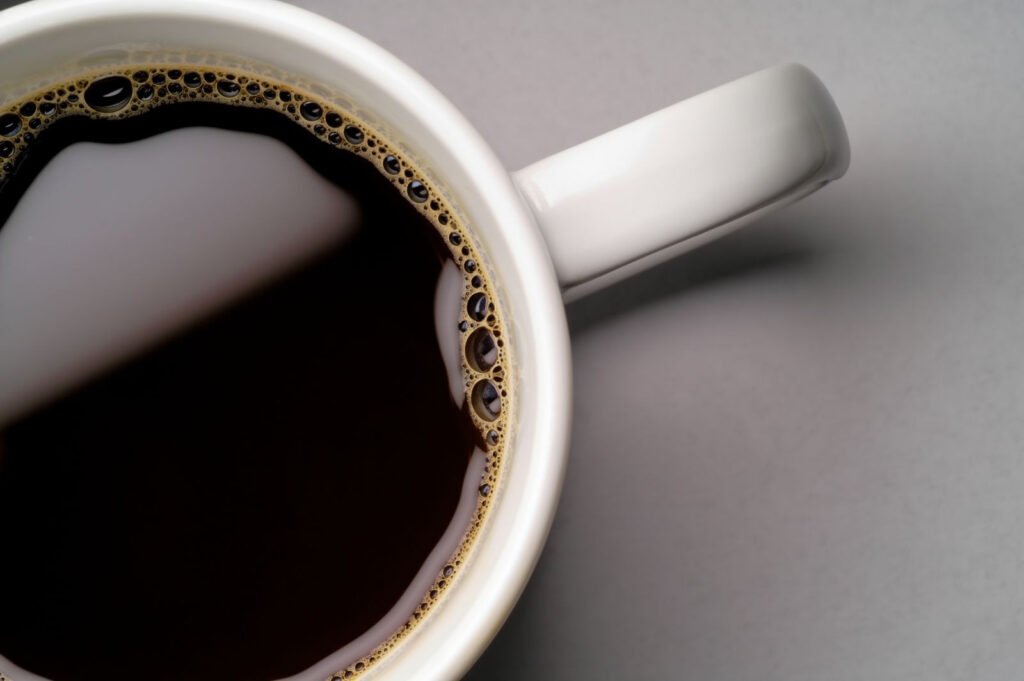
I’ve spent years studying and writing about everyday health habits, and I’ve also had my fair share of throbbing, mid-day headaches. Here’s the quick truth: yes, drinking coffee can help with headaches for many people, especially when the pain is mild to moderate or migraine-related. But there are important caveats. In this guide, I’ll break down when coffee works, why it works, when it backfires, and how to use it wisely based on both research and what I’ve learned in real life. If you’ve ever wondered, Can drinking coffee help with headaches?, you’re in the right place.

Source: www.health.harvard.edu
How Caffeine Works For Headaches
Coffee helps headaches primarily because of caffeine. Caffeine narrows dilated blood vessels in the brain (vasoconstriction), which can reduce headache pain. It also blocks adenosine, a signaling molecule that rises during pain and fatigue and is linked to migraine attacks. On top of that, caffeine increases alertness, which can make you feel better while your headache resolves.
From the clinical side, caffeine is often combined with over-the-counter pain relievers because it can enhance their effectiveness. Multiple controlled studies have shown that adding around 65 to 130 mg of caffeine to analgesics like acetaminophen or aspirin improves pain relief and speeds onset compared with the pain reliever alone.
What I’ve seen in practice and personally is this: a modest amount of caffeine taken early in the headache window can shorten the duration and decrease intensity. But “more” isn’t better—overshooting leads to jitteriness, a crash, or a rebound headache later.
Key mechanisms to remember:
- Vasoconstriction reduces pounding, blood vessel–driven pain.
- Adenosine blockade reduces pain signaling and drowsiness.
- Synergy with analgesics boosts absorption and efficacy.
Evidence snapshot:
- Randomized trials support caffeine plus analgesic combinations for tension-type headaches and some migraines.
- Observational data suggest caffeine can be an attack trigger in some migraineurs, especially at higher daily intakes or with inconsistent use.

Source: centralstatespainclinic.com
When Coffee Can Help: Types Of Headaches
Coffee is most likely to help the following:
- Early tension-type headaches. These often feel like a band around your head. A small coffee can take the edge off, especially if you’re also dehydrated or sleep-deprived.
- Migraines, if timed right. A single cup at onset may reduce severity, particularly when paired with an OTC pain reliever.
- Caffeine withdrawal headaches. If you missed your usual morning cup, a headache by late morning is common. Restoring your routine dose often resolves the pain within an hour.
What I do: when I feel a tight, dull ache building after hours at the screen, I’ll drink a small coffee with water and take a short walk. If it feels like a migraine aura is coming, I’ll have a half cup with my usual medication and dim the lights. The combination frequently shortens the episode.
What research suggests:
- Moderate, consistent caffeine consumers who use a single, early dose at headache onset tend to report better relief than those who take multiple cups later in the day.

Source: www.health.harvard.edu
When Coffee Can Make Headaches Worse
Caffeine isn’t a cure-all. It can aggravate or trigger headaches in certain scenarios:
- Overuse or inconsistent intake. Large, fluctuating doses can set you up for rebound headaches or trigger migraines the next day.
- Dehydration. Coffee is mildly diuretic for nonhabitual drinkers; if you’re already dehydrated, pain can worsen.
- Late-day consumption. Caffeine can disrupt sleep, and poor sleep is a major headache trigger.
- High sensitivity or underlying anxiety. Jitters, heart racing, and increased muscle tension can intensify head pain.
Warning signs to watch:
- You need more coffee each week to get the same relief.
- You regularly get a headache when you skip coffee.
- You’re using caffeine multiple times a day for pain.
Lessons learned: I once pushed through a deadline with three strong cups after 2 p.m. The next morning, I woke up with a band-like headache and poor sleep. Since then, I cap caffeine by early afternoon and limit “rescue” coffee to once per headache episode.
How Much Coffee Helps? Dosing And Timing
A practical, evidence-aligned approach:
- Start low. 50 to 100 mg caffeine (about half to one 8 oz cup of brewed coffee) at headache onset.
- Pair with water. Drink a full glass to counter dehydration.
- Consider food. A light snack stabilizes blood sugar, which can also help headaches.
- Wait 45 to 60 minutes. If only partial relief, one more small serving may help.
- Daily ceiling. Aim to keep total daily caffeine under 200 to 300 mg if you’re sensitive, and under 400 mg if you tolerate caffeine well.
Timing tips:
- Best window: within the first hour of headache onset.
- Avoid after mid-afternoon to protect sleep.
- Keep your baseline intake steady day to day to reduce withdrawal headaches.
Real-life example: I switched from one large cup to two smaller cups earlier in the day. My afternoon headaches became less frequent, and I needed “rescue” coffee less often.
Coffee With Pain Relievers: What To Know
Caffeine can make certain pain relievers work better and faster. Many OTC combination formulas include about 65 mg of caffeine with acetaminophen or aspirin. If you prefer plain coffee, you can pair one small cup with your usual OTC dose.
Helpful guidelines:
- Use only one caffeine source at a time. If your pill already has caffeine, skip the coffee.
- Keep it occasional. Reserve combinations for more intense days, not daily use.
- Check interactions. If you take prescription migraine medicines, ask your clinician how caffeine fits in.
- Track your response. A headache diary helps you find your sweet spot without overuse.
Safety notes:
- People with uncontrolled hypertension, certain heart conditions, or pregnancy should discuss caffeine limits with a clinician.
- Avoid mixing with high-dose NSAIDs long term without medical guidance.
Practical Tips From My Routine
Over time, I’ve refined a simple playbook that balances relief with prevention:
- At the first sign of a headache, I drink a small coffee and a tall glass of water.
- I step away from screens for 10 minutes, stretch my neck and shoulders, and adjust my posture.
- If it feels migraine-like, I dim lights, have a light snack, and pair my coffee with the medication that works for me.
- I cap total caffeine by early afternoon and keep a consistent daily baseline to avoid withdrawal.
- If I’m relying on caffeine more than twice a week for headaches, I reassess triggers like sleep, stress, or hydration.
Common mistakes to avoid:
- Chasing relief with cup after cup.
- Using coffee as a substitute for sleep or meals.
- Ignoring hydration and posture, which often contribute to tension headaches.
Who Should Be Careful
Coffee isn’t ideal for everyone. Be cautious or seek medical advice if you have:
- Pregnancy or are breastfeeding
- Uncontrolled high blood pressure or certain heart rhythm conditions
- Severe anxiety disorders or panic attacks
- Gastrointestinal issues worsened by coffee, like reflux
- Chronic daily headaches or frequent migraines requiring specialized care
- A history of caffeine overuse or significant withdrawal symptoms
Red flags for medical attention:
- A new, sudden, severe headache
- Headaches after head injury
- Headaches with neurologic symptoms like weakness, confusion, or vision loss
- Persistent headaches that don’t improve with standard measures
Transparency note: While research supports caffeine’s role in headache relief, individual responses vary widely. What helps me may not work for you, and a personalized plan from a healthcare professional is always best if headaches are frequent or severe.
Frequently Asked Questions
How Quickly Can Coffee Relieve A Headache?
Most people feel an effect within 30 to 60 minutes, especially if the coffee is taken at the first sign of pain and paired with water or an OTC pain reliever.
What’s The Best Coffee Dose For Headaches?
Start with 50 to 100 mg of caffeine, about half to one 8 oz cup. If needed, a second small serving after 45 to 60 minutes can help. Avoid exceeding your total daily limit.
Can Coffee Trigger Migraines?
Yes, in some people. Large or inconsistent caffeine intake and late-day coffee are common triggers. Keeping intake stable and moderate reduces risk.
Is Tea Or Espresso Better Than Regular Coffee?
The key is the caffeine dose and timing, not the source. Tea has less caffeine per cup, espresso is concentrated but small. Choose what lets you dose consistently without overdoing it.
Can I Mix Coffee With My Pain Medication?
Caffeine can enhance some OTC pain relievers. If your medication already contains caffeine, avoid extra coffee. For prescription migraine drugs, ask your clinician about the best approach.
Why Do I Get A Headache When I Skip Coffee?
That’s likely a caffeine withdrawal headache. Gradually tapering your daily intake or keeping a consistent moderate dose can help prevent it.
Does Decaf Help With Headaches?
Decaf has minimal caffeine, so it won’t provide the same vasoconstrictive effects. It can still help with hydration and ritual, but expect less direct pain relief.
Conclusion
Coffee can absolutely help with headaches when used strategically: modest doses, early in the pain window, with good hydration and sleep. It works through vasoconstriction, adenosine blockade, and synergy with certain pain relievers. The flip side is real—overuse, irregular intake, and late-day caffeine can worsen or trigger headaches. My best advice is to experiment thoughtfully: track your response, keep your baseline steady, and use “rescue” coffee sparingly. If headaches are frequent or severe, partner with a clinician to build a personalized plan.
If this guide helped, subscribe for more practical health breakdowns, leave a comment with your experience, or share it with someone who needs quick relief strategies.
Watch This Video on Can drinking coffee help with headaches?