
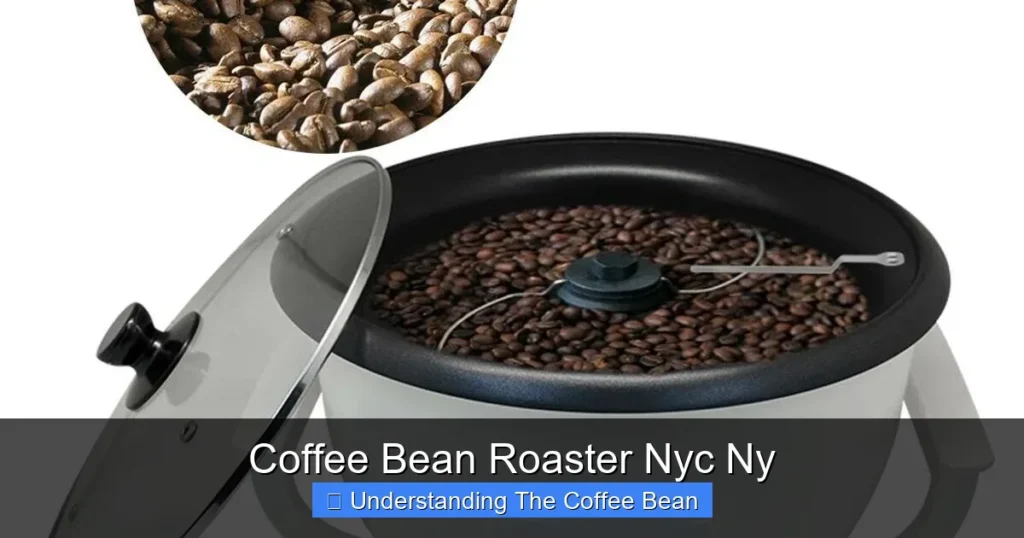
New York City is a haven for coffee lovers, home to some of the most innovative and passionate coffee bean roasters in the world. From small-batch artisans to iconic roasteries, NYC delivers exceptional quality, unique flavor profiles, and a deep commitment to sustainability and craft.
If you’ve ever wandered through the bustling streets of New York City with a warm cup of coffee in hand, you’ve likely tasted the magic of a locally roasted bean. There’s something special about sipping a perfectly brewed cup made from beans roasted just blocks away—fresher, bolder, and more connected to the craft than anything you’d find on a supermarket shelf. New York City isn’t just a coffee-drinking city; it’s a coffee-roasting capital. From Brooklyn to the Bronx, Manhattan to Queens, passionate roasters are transforming green coffee beans into aromatic, flavorful treasures every single day.
What sets NYC’s coffee scene apart isn’t just the number of roasteries—it’s the depth of passion, innovation, and community. These aren’t just businesses; they’re laboratories of flavor, hubs of education, and advocates for ethical sourcing. Whether you’re a casual drinker or a full-on coffee geek, understanding the journey of a coffee bean from farm to cup—especially when that cup is brewed in the heart of NYC—adds a whole new layer of appreciation. And it all starts with the roaster.
Key Takeaways
- NYC leads in artisanal coffee roasting: The city boasts a vibrant community of skilled roasters who prioritize quality, origin, and flavor.
- Small-batch roasting ensures freshness: Most NYC roasters use small-batch methods to maintain peak flavor and aroma in every cup.
- Direct trade relationships matter: Many local roasters work directly with farmers, ensuring fair pay and sustainable practices.
- Roasting impacts flavor dramatically: Light, medium, and dark roasts bring out different notes—fruity, nutty, or smoky—depending on the bean and technique.
- Local roasteries offer unique experiences: From cupping sessions to brewing classes, NYC roasters educate and engage coffee enthusiasts.
- Freshness is non-negotiable: Coffee tastes best within 2–4 weeks of roasting—always check the roast date when buying beans.
- Sustainability is a growing focus: Eco-friendly packaging, carbon-neutral shipping, and waste reduction are priorities for many NYC roasters.
📑 Table of Contents
The Art and Science of Coffee Roasting in NYC
Roasting coffee is equal parts art and science. It’s a delicate dance of time, temperature, and intuition that transforms hard, green coffee beans into the fragrant, brown beans we know and love. In New York City, this process is elevated to an art form. Local roasters don’t just follow recipes—they experiment, refine, and innovate to bring out the best in every bean.
What Happens During Roasting?
When green coffee beans are heated in a roaster, a series of chemical reactions occur. First, moisture evaporates. Then, the beans begin to yellow and develop a toasted aroma. As the temperature rises, the beans undergo the Maillard reaction and caramelization, creating complex flavors and the signature coffee smell. The first crack—a popping sound similar to popcorn—signals the start of light roasting. A second crack indicates a darker roast. Roasters carefully monitor these stages to achieve the desired flavor profile.
Why Small-Batch Roasting Matters
Most NYC roasters use small-batch roasting, which means they roast in smaller quantities—often just a few pounds at a time. This allows for greater control over the process. Roasters can adjust time and temperature with precision, ensuring consistency and highlighting the unique characteristics of each bean. Small batches also mean fresher coffee. Since the beans aren’t sitting in large inventory piles, they’re typically sold and brewed within days of roasting—maximizing flavor and aroma.
The Role of the Roaster
The roaster is both scientist and artist. They must understand the origin of the bean—whether it’s from Ethiopia, Colombia, or Guatemala—and how its natural flavors respond to heat. A skilled roaster knows when to slow down the roast to bring out fruity notes or speed it up to enhance body and sweetness. In NYC, many roasters develop their own profiles, often naming them after neighborhoods or local landmarks. For example, a roaster in Williamsburg might offer a “Brooklyn Bright” light roast with citrusy notes, while a Harlem-based roaster could feature a “Harlem Bold” dark roast with chocolate and spice.
Top Coffee Bean Roasters in NYC
New York City is home to a diverse array of coffee roasters, each with its own philosophy, style, and flavor signature. Whether you’re looking for a single-origin pour-over or a rich espresso blend, there’s a roaster in NYC that fits your taste.
1. Sey Coffee (Brooklyn)
Sey Coffee is a pioneer in the NYC specialty coffee scene. Known for its minimalist aesthetic and focus on light-roast, single-origin coffees, Sey sources beans directly from farms in Ethiopia, Kenya, and Honduras. Their roasting style emphasizes clarity and brightness, allowing the natural fruit and floral notes of the beans to shine. Visit their café in Bushwick for a cupping session or pick up a bag of their seasonal offerings.
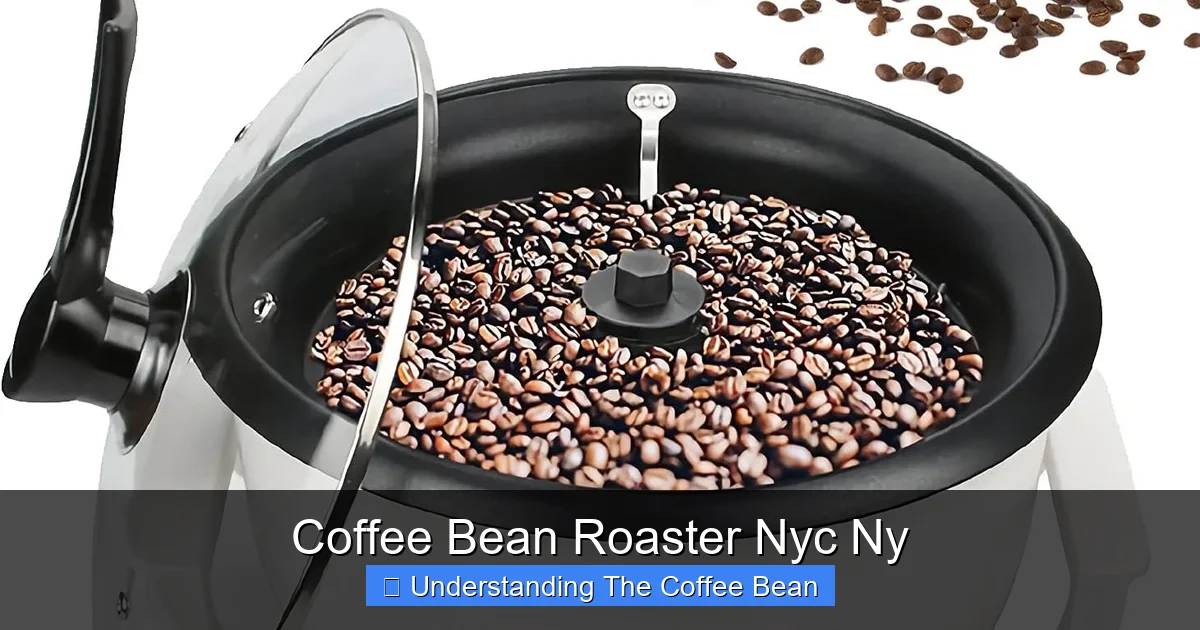
Visual guide about Coffee Bean Roaster Nyc Ny
Image source: m.media-amazon.com
2. Joe Coffee Company (Multiple Locations)
With several locations across Manhattan and Brooklyn, Joe Coffee has become a staple for New Yorkers. They roast in small batches at their Brooklyn facility and offer a rotating selection of single-origin and blended coffees. Their “Proprietor’s Blend” is a crowd-pleaser—balanced, smooth, and perfect for drip or espresso. Joe also hosts brewing workshops, making it a great spot for coffee education.
3. Birch Coffee (Manhattan)
Birch Coffee combines community and quality. Founded by a former teacher, the company donates a portion of its profits to literacy programs. Their roasting style leans toward medium roasts with approachable, well-rounded flavors. Try their “Founder’s Blend” for a nutty, caramel-like cup that’s great for beginners and experts alike.
4. Café Grumpy (Multiple Locations)
Café Grumpy is one of NYC’s original specialty coffee roasters. With roots in Greenpoint, Brooklyn, they’ve expanded to multiple neighborhoods while maintaining their commitment to quality. They roast in small batches and offer a wide range of single-origin coffees, including rare and experimental lots. Their “Greenpoint Blend” is a classic—rich, full-bodied, and slightly smoky.
5. Sweetleaf (Long Island City)
Sweetleaf started as a tiny café in Long Island City and has grown into a beloved roastery. They focus on sustainable sourcing and roast to bring out the natural sweetness in each bean. Their “Queen’s Blend” is a smooth, chocolatey favorite, while their seasonal single-origin offerings highlight unique flavor profiles from around the world.
Understanding Coffee Bean Origins and Flavor Profiles
To truly appreciate a coffee bean roaster in NYC, it helps to understand where the beans come from and how origin affects taste. Coffee is grown in over 70 countries, primarily along the “Coffee Belt” near the equator. Each region imparts distinct characteristics to the beans, influenced by altitude, soil, climate, and processing methods.
Africa: The Birthplace of Flavor
African coffees, especially from Ethiopia and Kenya, are known for their bright acidity, floral aromas, and fruity notes. Ethiopian beans often taste like blueberries, jasmine, or lemon. Kenyan coffees are bold and wine-like, with blackcurrant and tomato-like flavors. NYC roasters love these beans for light roasts that highlight their complexity.
Central and South America: Balanced and Approachable
Countries like Colombia, Guatemala, and Costa Rica produce coffees that are well-balanced, with notes of chocolate, nuts, and caramel. These beans are versatile and work well in medium roasts. Many NYC roasters use Central American beans in their house blends because of their reliability and crowd-pleasing taste.
Asia and the Pacific: Earthy and Unique
Indonesian coffees, such as those from Sumatra, are known for their earthy, herbal, and sometimes smoky flavors. They’re often used in dark roasts or espresso blends. Hawaiian Kona coffee is smooth and mild, with a buttery finish. While less common in NYC, some roasters feature these beans as limited editions.
Processing Methods Matter
How coffee cherries are processed after harvesting also affects flavor. The three main methods are washed (clean, bright), natural (fruity, fermented), and honey (sweet, syrupy). NYC roasters often highlight processing on their packaging, helping consumers understand what to expect. For example, a natural-processed Ethiopian might taste like strawberries and wine, while a washed version is cleaner and more tea-like.
The Roasting Spectrum: Light, Medium, and Dark
One of the most important decisions a coffee bean roaster in NYC makes is how dark to roast the beans. The roast level dramatically changes the flavor, body, and aroma of the coffee. Understanding the spectrum helps you choose the right coffee for your taste.
Light Roast: Bright and Complex
Light roasts are roasted just until the first crack. They retain most of the bean’s original flavors, making them ideal for single-origin coffees. Expect notes of fruit, flowers, and citrus. Light roasts have higher acidity and a lighter body. They’re popular among specialty coffee lovers who want to taste the terroir—the unique characteristics of the growing region.
Medium Roast: Balanced and Versatile
Medium roasts are roasted beyond the first crack but before the second. They offer a balance of origin flavors and roast characteristics. You’ll taste hints of caramel, nuts, and chocolate, with moderate acidity and body. This roast level is great for everyday drinking and works well with milk-based drinks like lattes.
Dark Roast: Bold and Smoky
Dark roasts are roasted well into or beyond the second crack. The beans are oily and dark brown, with a smoky, bittersweet flavor. Origin characteristics are muted, replaced by roast-driven notes like charcoal, dark chocolate, and spice. Dark roasts have low acidity and a heavy body. They’re often used in espresso blends for a strong, intense shot.
Choosing the Right Roast
Your preference depends on taste and brewing method. If you enjoy bright, tea-like coffee, go for a light roast. If you like a smooth, all-around cup, medium is ideal. If you prefer strong, bold flavors—especially for espresso—dark roast is the way to go. Many NYC roasters offer samples or small bags so you can try different roasts before committing.
Sustainability and Ethics in NYC Coffee Roasting
More than just great coffee, NYC roasters are leading the way in ethical sourcing and environmental responsibility. As consumers become more conscious of where their food comes from, roasters are responding with transparency, fairness, and sustainability.
Direct Trade and Fair Pay
Many NYC roasters practice direct trade, meaning they buy beans directly from farmers instead of through intermediaries. This cuts out the middleman, ensuring farmers get a fair price. Roasters often visit farms, build long-term relationships, and pay premiums for high-quality beans. This model supports farming communities and encourages sustainable practices.
Eco-Friendly Packaging
Plastic and non-recyclable materials are out. Most NYC roasters now use compostable or recyclable bags with one-way valves to keep coffee fresh. Some even offer refill programs or encourage customers to bring their own containers. This reduces waste and aligns with the city’s sustainability goals.
Carbon-Neutral Shipping
With the rise of online coffee sales, shipping emissions have become a concern. Several NYC roasters offset their carbon footprint by partnering with environmental organizations or using carbon-neutral shipping services. This means your coffee delivery doesn’t cost the earth—literally.
Waste Reduction
Coffee roasting produces chaff—the thin, papery skin that comes off the beans. Instead of throwing it away, some roasters compost it or use it in gardening products. Spent coffee grounds are often donated to urban farms or community gardens as natural fertilizer. These small steps add up to a big impact.
How to Choose the Best Coffee Bean Roaster in NYC
With so many options, how do you pick the right coffee bean roaster in NYC? Here are some practical tips to help you find your perfect match.
1. Check the Roast Date
Freshness is everything. Always look for a roast date on the bag—not just a “best by” date. Coffee tastes best within 2–4 weeks of roasting. If there’s no date, ask the staff. A reputable roaster will be happy to share it.
2. Ask About Sourcing
A good roaster knows where their beans come from. Ask about the farm, region, and processing method. Transparency is a sign of quality and ethics. If they can’t answer, it might be a red flag.
3. Try Before You Buy
Many NYC roasters offer tastings or small samples. Visit their café or attend a cupping session. This lets you experience the flavor before committing to a full bag.
4. Consider Your Brew Method
Different roasts and grinds work better for different brewing methods. If you use a French press, a coarse grind and medium-dark roast are ideal. For pour-over, go for a medium grind and light to medium roast. Ask the roaster for recommendations based on your setup.
5. Support Local
Buying from a local roaster supports small businesses and reduces your carbon footprint. Plus, you’re more likely to get personalized service and fresh beans. Look for roasters with physical locations or local delivery options.
6. Read Reviews and Ask Around
Check online reviews on Google, Yelp, or Instagram. Ask friends or coworkers for their favorites. Word of mouth is powerful in the NYC coffee community.
Conclusion
New York City’s coffee culture is more than just a trend—it’s a movement rooted in quality, craft, and community. The city’s coffee bean roasters are at the heart of this movement, transforming humble green beans into extraordinary cups of coffee. Whether you’re sipping a bright Ethiopian pour-over in Williamsburg or enjoying a rich espresso in Harlem, you’re tasting the passion and precision of local artisans.
Understanding the journey of a coffee bean—from farm to roaster to cup—deepens your appreciation for every sip. It’s not just about caffeine; it’s about connection, sustainability, and the joy of discovery. So next time you’re in NYC, skip the chain and seek out a local roaster. Try something new. Ask questions. Taste the difference. You might just find your new favorite coffee—and a deeper love for the craft behind it.
Frequently Asked Questions
What makes NYC coffee roasters different from others?
NYC coffee roasters stand out for their focus on small-batch roasting, direct trade sourcing, and innovation. Many prioritize sustainability, freshness, and education, offering unique flavor profiles and community engagement.
How do I know if coffee beans are fresh?
Look for a roast date on the bag—coffee is best within 2–4 weeks of roasting. Avoid bags with only a “best by” date. Fresh beans should smell aromatic and have a slight sheen if dark roasted.
What’s the best roast level for beginners?
Medium roast is ideal for beginners. It offers a balanced flavor with notes of chocolate and nuts, without the acidity of light roasts or the bitterness of dark roasts.
Can I buy coffee beans online from NYC roasters?
Yes! Many NYC roasters offer online ordering with nationwide shipping. Look for roasters that provide roast dates and use eco-friendly packaging.
What’s the difference between single-origin and blended coffee?
Single-origin coffee comes from one region or farm, highlighting unique flavors. Blended coffee combines beans from multiple origins to create a balanced, consistent profile.
How should I store my coffee beans?
Store beans in an airtight container away from light, heat, and moisture. Keep them in a cool, dark place—not the fridge or freezer. Grind just before brewing for the best flavor.