
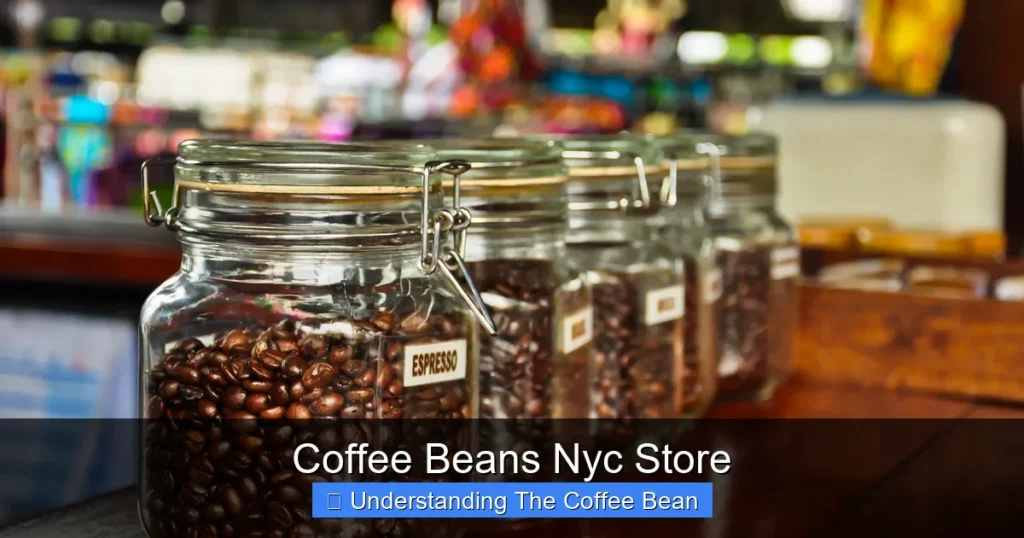
Finding the perfect coffee beans in NYC is easier than ever with a growing number of specialty stores and roasteries. Whether you’re a home brewer or a coffee connoisseur, the city offers fresh, high-quality beans from trusted local sources.
Key Takeaways
- Freshness matters most: Always look for roast dates on packaging—beans are best within 2–4 weeks of roasting.
- Local roasters lead the way: NYC is home to award-winning roasters like Sey Coffee, Birch Coffee, and Joe Coffee, offering unique single-origin and blended options.
- Grind at home for peak flavor: Buying whole beans and grinding just before brewing preserves aroma and taste far better than pre-ground coffee.
- Explore diverse origins: From Ethiopian Yirgacheffe to Colombian Huila, NYC stores offer beans from top coffee-growing regions worldwide.
- Support sustainable practices: Many NYC coffee shops prioritize fair trade, direct trade, and eco-friendly packaging.
- Ask the experts: Knowledgeable baristas and staff can guide you to beans that match your taste preferences and brewing method.
- Try before you commit: Some stores offer small sample bags or cupping sessions to help you discover your favorite profile.
📑 Table of Contents
Why Coffee Beans Matter in the NYC Experience
New York City runs on coffee. From the early morning rush at corner bodegas to the quiet focus of freelancers in Brooklyn cafes, coffee is more than a drink—it’s a ritual, a comfort, and a cultural staple. But behind every great cup is a great bean. And in a city known for its high standards and fast pace, the demand for quality coffee beans has never been higher.
Unlike mass-produced, pre-ground coffee that loses flavor within minutes of opening, fresh, high-quality beans deliver a richer, more nuanced experience. That’s why more New Yorkers are seeking out specialty coffee beans from local NYC stores. These aren’t just places to grab a quick cup—they’re destinations for coffee lovers who care about origin, roast level, and brewing precision. Whether you’re brewing at home with a French press, pour-over, or espresso machine, the right beans make all the difference.
The Rise of Specialty Coffee in NYC
Over the past decade, New York City has transformed into a global hub for specialty coffee. What started with a few pioneering roasters in the early 2000s has exploded into a vibrant scene with hundreds of independent cafes and roasteries. This shift reflects a broader trend: consumers want transparency, quality, and connection to the people and places behind their food and drink.
Today, a coffee beans NYC store isn’t just a retail space—it’s an experience. Many shops offer tastings, brewing workshops, and direct relationships with farmers. You’re not just buying beans; you’re supporting a craft. And because NYC is a city of neighborhoods, each area has its own coffee identity. From the minimalist aesthetic of Williamsburg to the cozy charm of the Upper West Side, the local coffee culture reflects the diversity of the city itself.
What Makes a Great Coffee Bean?
Not all coffee beans are created equal. Understanding what sets high-quality beans apart can help you make smarter choices when shopping at a coffee beans NYC store. It starts with the basics: origin, variety, processing method, and roast profile.
Origin and Terroir
Just like wine, coffee has terroir—the unique combination of soil, climate, and altitude that gives each region its signature flavor. Beans from Ethiopia often have bright, floral, and fruity notes, while those from Guatemala might offer chocolatey richness with a hint of spice. Colombian beans are known for their balanced acidity and smooth body, making them a favorite among home brewers.
When you walk into a specialty store in NYC, you’ll often find beans labeled not just by country, but by specific farms or cooperatives. This level of detail reflects a commitment to traceability and quality. For example, a bag of coffee from Finca El Injerto in Guatemala tells a story—of a family-run farm, sustainable practices, and generations of expertise.
Variety and Processing
Coffee beans come from two main species: Arabica and Robusta. Arabica is the gold standard for specialty coffee—known for its complex flavors, lower caffeine, and smoother taste. Robusta is stronger and more bitter, often used in espresso blends for its crema and caffeine kick.
Within Arabica, there are dozens of varieties, each with distinct characteristics. Bourbon, Typica, and Geisha are prized for their sweetness and complexity. Processing methods—how the fruit is removed from the bean after harvesting—also impact flavor. Washed (or wet-processed) beans tend to be cleaner and brighter, while natural (dry-processed) beans are fruitier and heavier-bodied. Honey processing, popular in Central America, offers a middle ground with caramel-like sweetness.
Roast Level and Freshness
Roasting transforms green coffee beans into the aromatic brown beans we know and love. But not all roasts are the same. Light roasts preserve the bean’s origin flavors—think floral, citrus, or berry notes. Medium roasts offer a balance of origin and roast character, with more body and sweetness. Dark roasts are bold and smoky, often masking the bean’s natural traits with charred, bitter notes.
The key to great coffee? Freshness. Coffee beans are at their peak within 2–4 weeks of roasting. After that, they begin to lose aroma and flavor due to oxidation. That’s why it’s crucial to check the roast date on the bag—not the “best by” date. A reputable coffee beans NYC store will always display this information clearly. Some even roast on-site, ensuring maximum freshness.
Top Coffee Beans NYC Stores to Visit
New York City is packed with incredible places to buy coffee beans. Whether you’re in Manhattan, Brooklyn, Queens, or beyond, there’s a store nearby that offers fresh, high-quality beans and expert guidance. Here are some standout options.
Sey Coffee (Williamsburg, Brooklyn)
Sey Coffee is a pioneer in the NYC specialty scene. Known for its minimalist design and commitment to light-roast, single-origin coffees, Sey sources beans directly from farmers around the world. Their beans are roasted in small batches to highlight unique flavor profiles—like their Ethiopian Yirgacheffe, which bursts with blueberry and jasmine notes.
What sets Sey apart is their transparency. Each bag includes detailed information about the farm, processing method, and tasting notes. They also offer brewing classes and cupping sessions, making it a great place for both beginners and seasoned coffee lovers.
Birch Coffee (Multiple Locations)
With several locations across Manhattan and Brooklyn, Birch Coffee is a local favorite. Founded by a former teacher, the chain emphasizes community and sustainability. Their beans are ethically sourced, and many are certified organic or fair trade.
Birch offers a rotating selection of single-origin and blended beans, with options for every taste. Their “Birch Blend” is a smooth, approachable choice for drip coffee, while their seasonal single origins—like a fruity Kenyan or a chocolatey Brazilian—are perfect for pour-over or French press.
Joe Coffee (Multiple Locations)
Joe Coffee has been a staple in NYC since 1998. With locations in Chelsea, the West Village, and beyond, they’re known for their consistent quality and friendly service. Joe sources beans through direct trade relationships, ensuring fair prices for farmers and top-tier beans for customers.
Their “Espresso Blend” is a classic—rich, balanced, and perfect for milk-based drinks. They also offer a variety of single-origin options, with clear labeling and tasting notes. Joe’s staff is knowledgeable and happy to help you find the right bean for your brewing method.
Partners Coffee (Williamsburg & Manhattan)
Originally from Seattle, Partners Coffee has made a strong impression in NYC. Their Williamsburg roastery is a must-visit, with a sleek space and on-site roasting. They focus on light to medium roasts that highlight origin flavors.
Partners offers a curated selection of beans from countries like Rwanda, Honduras, and Colombia. Their “Sunset Blend” is a crowd-pleaser—nutty, sweet, and versatile. They also sell brewing equipment and offer workshops on everything from espresso extraction to cold brew.
La Cabra (Tribeca & Williamsburg)
La Cabra started in Norway but has found a passionate following in NYC. Their Tribeca location features a beautiful, airy space with a full roastery visible to customers. They roast in small batches using a Loring roaster, which ensures even development and minimal smoke.
Their beans are known for their clarity and complexity. Try their Ethiopian Guji, which offers notes of stone fruit and honey, or their Colombian Huila, with chocolate and red apple flavors. La Cabra also emphasizes sustainability, using compostable packaging and carbon-neutral shipping.
How to Choose the Right Coffee Beans for Your Taste
With so many options, choosing the right coffee beans can feel overwhelming. But it doesn’t have to be. A few simple questions can guide your decision.
What’s Your Brewing Method?
Different brewing methods extract flavors in different ways. Espresso machines need beans with good body and crema—often a medium or dark roast blend. Pour-over and drip coffee shine with light to medium roasts that highlight origin flavors. French press benefits from coarser grinds and fuller-bodied beans, while cold brew works best with low-acid, smooth profiles.
Ask the staff at your local coffee beans NYC store for recommendations based on your setup. Many shops offer brewing guides or even loaner equipment to help you experiment.
Do You Prefer Bright or Bold?
Coffee flavor exists on a spectrum. If you enjoy tea-like clarity and fruity notes, go for a light-roast Ethiopian or Kenyan. If you like rich, chocolatey, or nutty flavors, try a medium-roast Colombian or Guatemalan. Dark roasts are for those who love smoky, intense coffee—think Italian-style espresso.
Don’t be afraid to try something new. Many stores offer small sample bags (4–8 oz) so you can test a bean before committing to a full bag.
Are You Brewing for One or Many?
If you’re making coffee for a household with different tastes, consider a versatile medium roast or a blend. Blends are crafted to balance acidity, body, and sweetness, making them crowd-pleasers. Single-origin beans are ideal if you’re brewing for yourself and want to explore specific flavors.
Storing and Brewing Your Coffee Beans
Buying great beans is only half the battle—how you store and brew them matters just as much.
Storage Tips for Maximum Freshness
Keep your beans in an airtight container away from heat, light, and moisture. Avoid the fridge or freezer—temperature fluctuations cause condensation, which ruins flavor. A cool, dark pantry is ideal.
Buy only what you’ll use in 1–2 weeks. Coffee loses freshness quickly after grinding, so it’s best to buy whole beans and grind them just before brewing.
Grinding: The Secret to Great Coffee
Invest in a good burr grinder. Blade grinders create uneven particles, leading to over- and under-extraction. A burr grinder gives you consistent grind size, which is crucial for balanced flavor.
Grind size should match your brewing method:
– Extra coarse: Cold brew
– Coarse: French press
– Medium: Drip coffee, pour-over
– Fine: Espresso
– Extra fine: Turkish coffee
Brewing Basics for Home Baristas
Start with a 1:15 to 1:17 coffee-to-water ratio (e.g., 20g coffee to 300g water). Use filtered water heated to 195–205°F. Bloom your coffee by pouring a small amount of water over the grounds and waiting 30 seconds—this releases trapped gases and improves extraction.
For pour-over, use a slow, circular pour. For French press, steep for 4 minutes before pressing. For espresso, aim for a 25–30 second extraction.
The Future of Coffee in NYC
The coffee scene in New York City continues to evolve. As consumers become more educated and discerning, the demand for high-quality, ethically sourced beans will only grow. Innovations in roasting technology, sustainable packaging, and direct trade are shaping the future of the industry.
More stores are offering subscription services, so you can have fresh beans delivered weekly or monthly. Others are partnering with local artists and designers to create unique packaging and experiences. The line between coffee shop and community space is blurring, with more emphasis on education, sustainability, and connection.
As climate change affects coffee-growing regions, NYC roasters are adapting by supporting farmers with fair wages and regenerative practices. This not only ensures a stable supply of great beans but also protects the livelihoods of the people who grow them.
Conclusion
Finding the perfect coffee beans in NYC is about more than just caffeine—it’s about flavor, freshness, and connection. Whether you’re sipping a single-origin pour-over in Williamsburg or brewing a rich espresso blend at home, the right beans can turn your daily ritual into something special.
Visit a local coffee beans NYC store, talk to the experts, and explore the world of coffee one cup at a time. With so many incredible options, there’s never been a better time to be a coffee lover in the city that never sleeps.
Frequently Asked Questions
Where can I buy the best coffee beans in NYC?
Top spots include Sey Coffee in Williamsburg, Birch Coffee in Manhattan, Joe Coffee in Chelsea, Partners Coffee in Tribeca, and La Cabra in Tribeca and Williamsburg. These stores offer fresh, high-quality beans and expert advice.
How do I know if coffee beans are fresh?
Look for a roast date on the bag—not just a “best by” date. Fresh beans should be used within 2–4 weeks of roasting. They should smell aromatic and have a slight sheen from natural oils.
Should I buy whole beans or pre-ground coffee?
Always choose whole beans. Grinding just before brewing preserves flavor and aroma. Pre-ground coffee loses freshness quickly and often tastes stale.
What’s the difference between light, medium, and dark roast?
Light roasts highlight origin flavors like fruit and florals. Medium roasts offer balance and sweetness. Dark roasts are bold and smoky, with less origin character.
Can I store coffee beans in the freezer?
It’s not recommended. Freezing causes condensation, which damages flavor. Store beans in an airtight container in a cool, dark place and use within 1–2 weeks.
How do I choose the right beans for my brewing method?
Match your beans to your method: light roasts for pour-over, medium roasts for drip, and blends for espresso. Ask staff at your local NYC coffee store for personalized recommendations.