
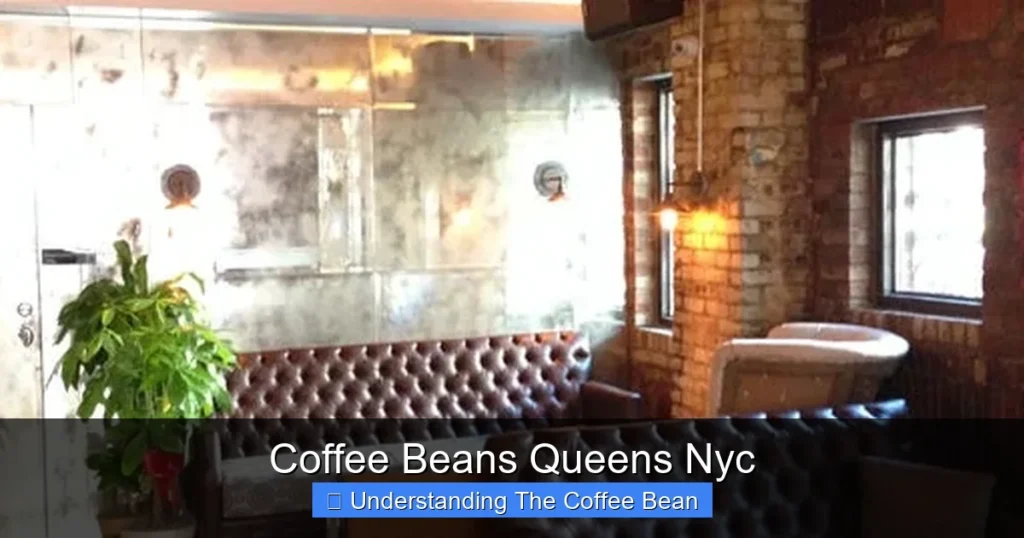
Queens, NYC, is quietly becoming a hotspot for exceptional coffee beans, thanks to its diverse community and passionate local roasters. From Ethiopian single-origins to bold dark roasts, the borough offers a rich coffee culture that rivals Manhattan—without the crowds.
Key Takeaways
- Queens has a growing coffee scene: The borough is home to innovative roasters and cafes that source high-quality beans from around the world.
- Diversity influences flavor profiles: Queens’ multicultural population brings global coffee traditions, resulting in unique blends and brewing methods.
- Local roasting ensures freshness: Many Queens-based roasters roast in small batches, preserving flavor and aroma better than mass-produced brands.
- Farm-to-cup transparency is rising: More Queens roasters share detailed sourcing info, including farm names, harvest dates, and processing methods.
- Home brewing is encouraged: Several shops offer grind recommendations, brewing guides, and classes to help you make café-quality coffee at home.
- Sustainability matters: Eco-friendly packaging, compostable cups, and direct trade practices are common among top Queens roasters.
- Hidden gems are worth the trip: You don’t need to go to Manhattan for great coffee—Queens has standout spots in Astoria, Jackson Heights, and Long Island City.
📑 Table of Contents
- Why Queens, NYC, Is a Coffee Lover’s Paradise
- The Rise of Local Roasting in Queens
- Exploring Coffee Bean Origins in Queens
- Brewing Methods Popular in Queens
- Sustainability and Ethical Sourcing in Queens
- Top Coffee Shops and Roasters in Queens
- How to Choose the Right Coffee Beans in Queens
- Conclusion
Why Queens, NYC, Is a Coffee Lover’s Paradise
When you think of New York City coffee, Manhattan likely comes to mind first. Think iconic chains, trendy downtown cafes, and long lines at artisanal spots. But there’s a quieter, more authentic coffee revolution happening just across the East River—in Queens.
Queens is the most ethnically diverse urban area in the world. Over 138 languages are spoken here, and that cultural richness extends to its coffee culture. From Colombian farmers who’ve settled in Jackson Heights to Ethiopian immigrants brewing traditional pour-overs in Elmhurst, Queens offers a global coffee experience in one borough. The result? A vibrant, evolving scene where coffee beans from Queens, NYC, are roasted with care, served with pride, and enjoyed by a community that truly appreciates flavor, craft, and connection.
What sets Queens apart isn’t just the variety—it’s the authenticity. Many of the best coffee shops here are family-owned, deeply rooted in their neighborhoods, and committed to quality over hype. You won’t find flashy marketing or overpriced lattes. Instead, you’ll discover passionate roasters who know their beans, understand their origins, and are eager to share their knowledge. Whether you’re a seasoned coffee geek or just starting to explore beyond drip machines, Queens has something special to offer.
The Rise of Local Roasting in Queens
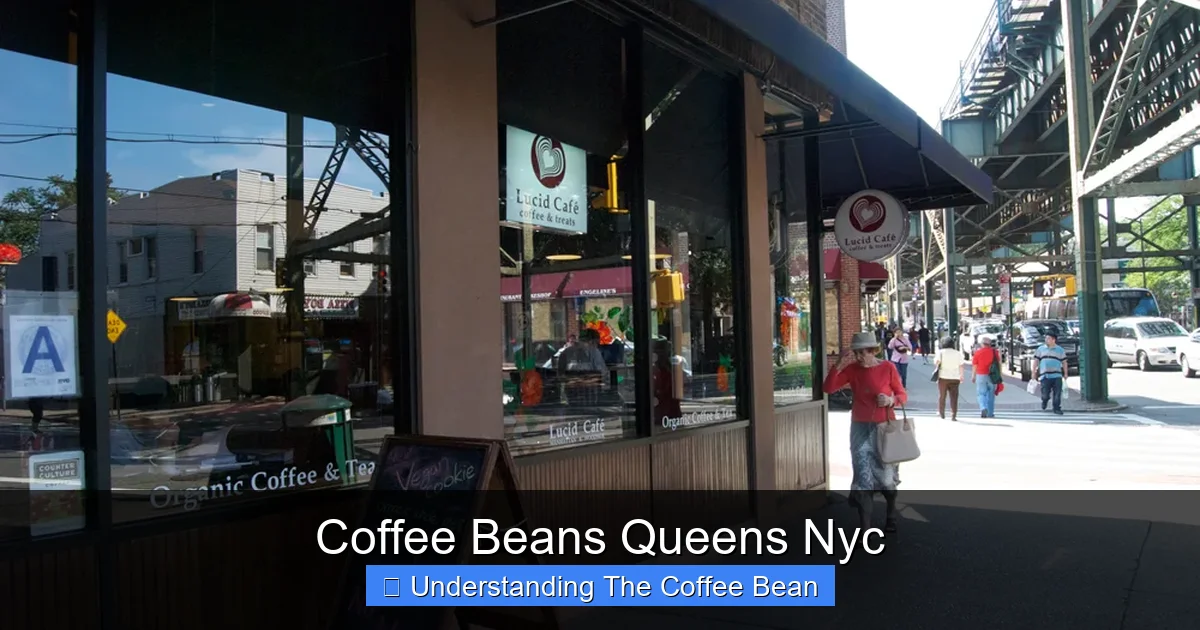
Visual guide about Coffee Beans Queens Nyc
Image source: nycneighborhoods.files.wordpress.com
One of the biggest trends in Queens’ coffee scene is the rise of local roasting. Unlike large national brands that roast beans weeks or months before they hit shelves, Queens-based roasters focus on small-batch, fresh-roasted coffee. This means beans are roasted to order or in limited quantities, ensuring peak flavor and aroma.
Take, for example, Roasted in Queens, a small roastery in Long Island City. They source beans directly from cooperatives in Guatemala and Ethiopia, roast them twice a week, and sell them within days of roasting. Their packaging includes the roast date, origin, and even the farmer’s name—something you rarely see in big-box stores. This level of transparency builds trust and helps consumers understand what they’re drinking.
Another standout is Brew & Bean Co. in Astoria. They offer a rotating selection of single-origin beans, each with tasting notes like “honey sweetness” or “bright citrus finish.” Their staff is trained to explain how altitude, soil, and processing affect flavor, making every cup an educational experience.
Why Freshness Matters
Coffee beans are at their best within two to four weeks of roasting. After that, they begin to lose volatile compounds that give coffee its complex flavors. Oxygen, light, and moisture accelerate this process. That’s why buying beans with a roast date—and using them quickly—is crucial.
Local roasters in Queens solve this problem by roasting frequently and selling locally. You’re more likely to find beans roasted within the past week at a Queens cafe than at a national chain. Plus, many shops offer vacuum-sealed bags or resealable packaging to help you preserve freshness at home.
Small-Batch Roasting = Better Flavor
Small-batch roasting allows for greater control over the roast profile. Roasters can adjust time, temperature, and airflow to bring out the best in each bean. This precision leads to more nuanced flavors—think floral notes in a Kenyan bean or chocolatey depth in a Brazilian roast.
In contrast, large-scale roasters often use automated systems that prioritize consistency over character. While that works for mass-market blends, it can flatten the unique qualities of high-quality beans. Queens roasters, on the other hand, treat each batch like a craft project.
Exploring Coffee Bean Origins in Queens
Queens’ coffee shops don’t just serve great coffee—they tell stories. Many highlight the origins of their beans, connecting customers to the farmers and regions behind each cup. This farm-to-cup approach is becoming more common, especially among independent roasters.
African Origins: Ethiopia and Kenya
Ethiopia is the birthplace of coffee, and its beans are beloved for their floral, tea-like qualities. In Queens, you’ll find Ethiopian Yirgacheffe beans at places like Café Addis in Jackson Heights, a spot run by Ethiopian immigrants. Their pour-over coffee is brewed with a traditional jebena (clay pot), highlighting the bean’s natural sweetness and jasmine notes.
Kenyan beans, known for their bright acidity and blackcurrant flavor, are also popular. Roasters like Queens Coffee Project offer Kenyan AA beans that are wet-processed and sun-dried, resulting in a clean, vibrant cup. They often recommend a medium grind and a 1:16 coffee-to-water ratio for optimal extraction.
Latin American Favorites: Colombia and Guatemala
Colombian beans are a staple in many Queens cafes. Grown in the Andes at high altitudes, they’re known for their balanced flavor—nutty, chocolatey, with a hint of fruit. La Casa del Café in Corona sources directly from a family farm in Huila, Colombia. Their medium roast is smooth and approachable, perfect for espresso or drip.
Guatemalan beans, especially from the Antigua region, are prized for their smoky, spicy notes. The volcanic soil and high elevation create a unique terroir. At Roasted in Queens, their Guatemalan bean has hints of cocoa and cinnamon, with a full body that stands up well to milk-based drinks.
Asian and Pacific Influences: Indonesia and Papua New Guinea
While less common, Indonesian beans like Sumatra Mandheling are gaining traction in Queens. These beans are often processed using the “wet-hulling” method, which gives them a earthy, herbal flavor with low acidity. They’re ideal for those who prefer a bold, rustic cup.
Papua New Guinea beans, grown in the highlands near the equator, offer a smooth, mild flavor with hints of tropical fruit. A few Queens roasters, like Brew & Bean Co., feature these beans seasonally, often in limited releases.
Brewing Methods Popular in Queens
Queens’ diverse population means a wide range of brewing methods are used and celebrated. From traditional Ethiopian jebena to modern V60 pour-overs, the borough is a playground for coffee experimentation.
Pour-Over: The Art of Precision
Pour-over brewing is a favorite among Queens coffee enthusiasts. It allows for full control over extraction, resulting in a clean, flavorful cup. Shops like Queens Coffee Project offer pour-over flights, where you can taste the same bean brewed with different techniques.
To make a great pour-over at home, use a gooseneck kettle for even pouring, a medium-fine grind, and water just off the boil (around 200°F). Bloom the grounds with twice their weight in water for 30 seconds, then pour in slow, circular motions. Total brew time should be 2.5 to 3.5 minutes.
Espresso: The Heart of the Cafe
Espresso is the foundation of lattes, cappuccinos, and Americanos. In Queens, many cafes pull shots using high-quality machines and freshly ground beans. La Casa del Café is known for its rich, syrupy espresso with a thick crema—a sign of proper extraction.
If you’re making espresso at home, invest in a good grinder and tamper. Grind size should be fine, and the dose should be consistent (usually 18–20 grams). Aim for a 25–30 second extraction for a balanced shot.
French Press: Bold and Full-Bodied
The French press is beloved for its simplicity and ability to extract oils and sediments, creating a rich, full-bodied cup. It’s especially popular with darker roasts and African beans.
To use a French press, add coarse-ground coffee (about 1:12 ratio), pour hot water, stir, and steep for 4 minutes. Press slowly and pour immediately to avoid over-extraction.
Cold Brew: Smooth and Refreshing
Cold brew has surged in popularity, especially during Queens’ humid summers. It’s made by steeping coarse grounds in cold water for 12–24 hours, resulting in a smooth, low-acid drink.
Many Queens cafes, like Brew & Bean Co., offer house-made cold brew on tap. You can also make it at home with a large jar and a fine-mesh strainer. Serve over ice with a splash of milk or enjoy black.
Sustainability and Ethical Sourcing in Queens
As coffee lovers become more conscious of their impact, sustainability has become a key focus in Queens’ coffee scene. Many local roasters prioritize ethical sourcing, eco-friendly practices, and community support.
Direct Trade and Fair Wages
Unlike fair trade, which relies on certifications and middlemen, direct trade involves roasters building relationships with farmers and paying above-market prices. This ensures farmers earn a living wage and can invest in sustainable practices.
Roasted in Queens works directly with cooperatives in Guatemala and Ethiopia, visiting farms annually and sharing profits. They also publish annual impact reports, detailing how much they paid farmers and how funds were used.
Eco-Friendly Packaging
Plastic coffee bags contribute to landfill waste. In response, many Queens roasters use compostable or recyclable packaging. Brew & Bean Co. uses bags made from plant-based materials that break down in home compost systems.
Some shops also offer discounts for customers who bring their own containers. This reduces waste and encourages mindful consumption.
Supporting Local Communities
Queens roasters often give back to their neighborhoods. Queens Coffee Project partners with local schools to teach students about coffee farming and sustainability. They also host free brewing workshops for seniors and low-income residents.
By choosing local, you’re not just getting better coffee—you’re supporting small businesses and community initiatives.
Top Coffee Shops and Roasters in Queens
Ready to explore? Here are some of the best places to find coffee beans in Queens, NYC.
Roasted in Queens (Long Island City)
This small-batch roastery offers beans from Ethiopia, Guatemala, and Colombia. Their packaging includes roast dates and farmer info. They also sell brewing equipment and offer weekend cupping sessions.
Brew & Bean Co. (Astoria)
Known for its rotating single-origin menu and knowledgeable staff. Try their Kenyan AA pour-over or house-made cold brew. They also host monthly brewing classes.
La Casa del Café (Corona)
A family-run spot with Colombian roots. Their espresso is rich and balanced, and their pastries are baked fresh daily. They sell whole beans by the pound.
Café Addis (Jackson Heights)
An Ethiopian cafe that serves traditional coffee ceremonies. Watch as beans are roasted over charcoal, ground by hand, and brewed in a jebena. A truly immersive experience.
Queens Coffee Project (Jackson Heights)
A community-focused roaster with a mission to educate and empower. They offer affordable beans, free brewing guides, and volunteer opportunities.
How to Choose the Right Coffee Beans in Queens
With so many options, how do you pick the right beans? Here are some tips:
- Check the roast date: Look for beans roasted within the past two weeks.
- Know your preference: Do you like bright and fruity (light roast) or bold and smoky (dark roast)?
- Ask the staff: Queens baristas are often happy to recommend beans based on your taste.
- Try single-origin: These highlight the unique flavors of a specific region.
- Buy whole beans: Grind just before brewing for maximum freshness.
- Store properly: Keep beans in an airtight container away from light, heat, and moisture.
Conclusion
Queens, NYC, may not have the fame of Manhattan’s coffee scene, but it’s quietly becoming one of the best places in the city to discover exceptional coffee beans. From small-batch roasters to globally inspired cafes, the borough offers a rich, authentic experience that celebrates flavor, community, and sustainability.
Whether you’re sipping a pour-over in Astoria, joining a coffee ceremony in Jackson Heights, or picking up freshly roasted beans in Long Island City, you’re part of a movement that values quality over convenience. So next time you’re in Queens, skip the chain and seek out a local spot. Your taste buds—and the planet—will thank you.
Frequently Asked Questions
Where can I buy the best coffee beans in Queens?
Top spots include Roasted in Queens in Long Island City, Brew & Bean Co. in Astoria, and La Casa del Café in Corona. These shops offer fresh, locally roasted beans with detailed origin info.
Are Queens coffee beans really better than Manhattan’s?
It depends on your taste, but many coffee lovers prefer Queens for its authenticity, diversity, and focus on small-batch roasting. You’ll often find fresher beans and more personal service.
What makes Queens coffee unique?
Queens’ cultural diversity brings global coffee traditions together. You’ll find Ethiopian ceremonies, Colombian espresso, and innovative brewing methods all in one borough.
Can I learn how to brew coffee at home in Queens?
Yes! Many shops like Queens Coffee Project and Brew & Bean Co. offer brewing classes, workshops, and free guides to help you make great coffee at home.
Do Queens roasters use sustainable practices?
Many do. Look for compostable packaging, direct trade sourcing, and community programs. Roasted in Queens and Brew & Bean Co. are leaders in sustainability.
How should I store coffee beans from Queens?
Keep them in an airtight container away from light, heat, and moisture. Use within two to four weeks of the roast date for best flavor.