
New York City’s coffee culture is as dynamic and diverse as the city itself. From third-wave roasters to historic diners, coffee in NYC offers something for every palate—whether you’re chasing a perfect pour-over or a strong espresso to fuel your subway commute.
If you’ve ever wandered the streets of New York City with a steaming cup in hand, you know that coffee isn’t just a drink here—it’s a ritual, a rhythm, a way of life. The city that never sleeps runs on caffeine, and the coffee in NYC reflects that relentless energy. From the first sip at a corner cart to a slow, meditative pour-over in a minimalist Williamsburg café, every cup tells a story. Whether you’re a lifelong New Yorker or a first-time visitor, the city’s coffee scene offers an immersive experience that goes far beyond the bean.
What makes coffee in NYC so special? It’s the sheer variety. You can grab a $2 espresso from a sidewalk vendor in Midtown or spend $8 on a single-origin Ethiopian brew at a roastery in Bushwick. You can sip a classic diner coffee at a Formica-counter joint in Queens or enjoy a lavender honey latte at a plant-filled café in the West Village. The city’s coffee culture is a mosaic—shaped by immigration, innovation, and an insatiable appetite for the next great thing. And it’s always evolving.
Key Takeaways
- Third-wave coffee dominates: NYC is a hub for specialty coffee, with a strong focus on sourcing, brewing precision, and sustainability.
- Diverse neighborhoods, diverse brews: Each borough has its own coffee identity—Brooklyn leans indie, Manhattan blends luxury and convenience, and Queens offers global flavors.
- Iconic spots blend old and new: Historic diners like Café Reggio coexist with modern cafes like Sey Coffee, showing the city’s layered coffee evolution.
- Seasonal and local trends matter: Cold brew in summer, spiced lattes in winter, and hyper-local roasting are staples of the NYC coffee experience.
- Convenience meets quality: Even grab-and-go options from chains like Blue Bottle or local carts now prioritize high-quality beans and ethical sourcing.
- Coffee as community: Many NYC cafes double as workspaces, art galleries, or live music venues, fostering connection beyond the cup.
- Tourist-friendly but locally loved: While popular with visitors, the best coffee spots are often neighborhood favorites known only to locals.
📑 Table of Contents
The Evolution of Coffee in NYC
Coffee has been part of New York’s fabric for centuries, but its modern identity began taking shape in the late 20th century. In the 1970s and 80s, diners and delis served strong, no-frills coffee—often brewed in percolators and poured into thick ceramic mugs. It was functional, not fancy. But as the city changed, so did its taste in coffee.
The 1990s brought the rise of national chains like Starbucks, which introduced Americans to lattes, cappuccinos, and flavored syrups. While some locals scoffed at the sweetness and uniformity, others embraced the consistency. But it was the arrival of the “third wave” coffee movement in the 2000s that truly transformed coffee in NYC. This wave emphasized quality, traceability, and craftsmanship—treating coffee more like wine than a commodity.
Pioneers like Joe Coffee and Café Grumpy helped lead the charge, focusing on direct trade, small-batch roasting, and educating customers about origin and flavor profiles. These cafes weren’t just places to drink coffee—they were classrooms, community hubs, and laboratories for innovation. Today, third-wave principles are the norm, even in unexpected places.
From Diners to Third Wave: A Cultural Shift
To understand coffee in NYC, you have to appreciate its roots in the classic American diner. Places like Tom’s Restaurant in Brooklyn or the Empire Diner in Manhattan have been serving bottomless cups of coffee for decades. The coffee is simple—dark, strong, and always hot—but it’s part of a larger experience: the clatter of plates, the hum of conversation, the sense of timelessness.
But as the city gentrified and tastes evolved, so did the demand for better coffee. Diners began upgrading their brew, switching from commercial brands to locally roasted beans. Some even added pour-over bars or espresso machines. The result? A beautiful blend of old and new—where a 70-year-old counterman can now explain the tasting notes of a Kenyan single-origin.
At the same time, a new generation of coffee lovers emerged—baristas, roasters, and entrepreneurs who saw coffee as an art form. They traveled to origin countries, studied extraction science, and opened cafes that doubled as tasting rooms. This shift wasn’t just about taste—it was about values. Sustainability, fair wages, and environmental responsibility became as important as flavor.
Neighborhood Brews: Coffee Across the Five Boroughs
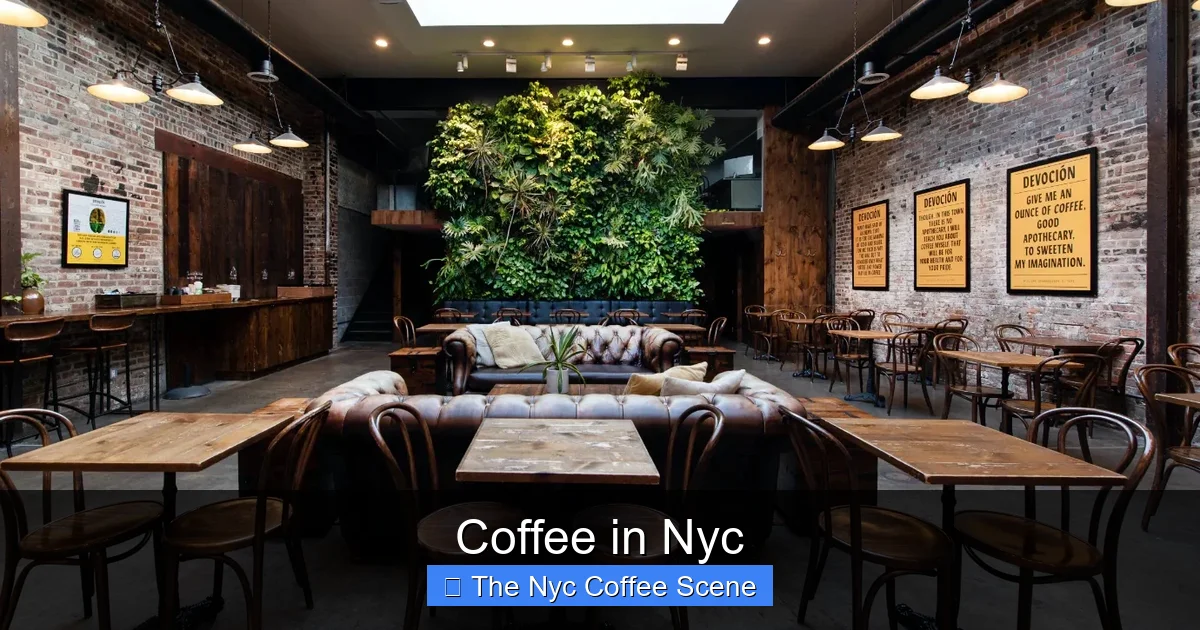
Visual guide about Coffee in Nyc
Image source: graceandlightness.com
One of the most exciting things about coffee in NYC is how it varies from neighborhood to neighborhood. Each borough—and even each block—has its own coffee personality. Exploring the city through its cafes is like taking a delicious, caffeinated tour.
Manhattan: Power, Prestige, and Precision
Manhattan is the heart of the city’s coffee scene, home to some of the most iconic and innovative cafes. In Midtown, you’ll find high-speed espresso bars catering to business professionals—places like Stumptown or La Colombe, where speed and quality go hand in hand. A double shot and a pastry in under two minutes? No problem.
Head downtown, and the vibe shifts. In the West Village, you’ll find cozy, book-filled cafes like Café Grumpy or Abraço, where the baristas know your name and your usual order. These spots are perfect for lingering over a cortado and a conversation. In the East Village, the energy is edgier—think exposed brick, vinyl records, and experimental drinks like matcha-cold brew hybrids.
And then there’s the Financial District, where coffee is fuel for the grind. Here, carts and kiosks serve thousands of commuters every morning. But even in this fast-paced environment, quality has improved. Many carts now use locally roasted beans and offer oat milk by default.
Brooklyn: The Indie Coffee Capital
If Manhattan is the polished face of coffee in NYC, Brooklyn is its creative soul. This borough is a breeding ground for independent roasters and avant-garde cafes. Williamsburg, in particular, is a hotspot—home to legendary spots like Sey Coffee, which roasts its own beans in a converted warehouse and serves some of the cleanest, most vibrant pour-overs in the city.
But Brooklyn’s coffee scene isn’t just about aesthetics. It’s about community. Cafes like Partners Coffee in Greenpoint or Variety Coffee Roasters in Bushwick host pop-up markets, live music, and art exhibitions. They’re places where neighbors meet, freelancers work, and artists find inspiration.
And let’s not forget the borough’s diverse immigrant communities, which bring global coffee traditions to the table. In Sunset Park, you can find Vietnamese iced coffee made with sweetened condensed milk. In Bensonhurst, Italian espresso bars serve tiny, intense shots in tiny cups. This cultural richness makes Brooklyn’s coffee scene uniquely flavorful.
Queens: A Global Coffee Journey
Queens might not get as much attention as Manhattan or Brooklyn, but its coffee scene is one of the most exciting in the city. With over 160 languages spoken, Queens is a microcosm of the world—and its cafes reflect that diversity.
In Jackson Heights, you’ll find Colombian cafes serving rich, dark brews with arepas. In Flushing, Chinese tea houses offer oolong and jasmine alongside espresso-based drinks. And in Astoria, Greek and Middle Eastern influences shine through in cardamom-spiked coffees and strong Turkish brews.
But Queens isn’t just about tradition—it’s also home to innovative new spots. Places like Sweetleaf in Long Island City combine industrial design with a commitment to quality, offering everything from nitro cold brew to house-made syrups. And with the rise of food halls like Industry City, Queens is becoming a destination for coffee lovers seeking something different.
The Bronx and Staten Island: Hidden Gems
While the Bronx and Staten Island are often overlooked in coffee guides, they’re home to some surprising gems. In the Bronx, cafes like The Bronx Beer Hall and The Last Word offer locally roasted coffee in lively, community-focused settings. And in Staten Island, spots like The Coffee Bean & Tea Leaf (yes, even there) and independent cafes like The Grind are gaining traction.
These boroughs may not have the density of cafes found in Manhattan or Brooklyn, but they’re proof that great coffee in NYC isn’t limited to trendy neighborhoods. It’s everywhere—brewing quietly in corner shops, community centers, and family-owned businesses.
Iconic Spots and Rising Stars
No exploration of coffee in NYC would be complete without mentioning some of the city’s most beloved cafes. These spots have shaped the culture, set trends, and kept New Yorkers caffeinated through snowstorms, blackouts, and pandemics.
Historic Legends
Café Reggio, located in Greenwich Village, is one of the oldest coffeehouses in the city. Opened in 1959, it’s famous for introducing cappuccino to America. The walls are lined with art, the chairs are worn, and the espresso is strong. It’s a place where poets, painters, and professors have gathered for decades.
Another legend is Chock full o’Nuts, a chain that once dominated the city with its no-nonsense coffee and sandwiches. Though most locations have closed, a few remain—nostalgic reminders of a simpler time.
Modern Icons
Today’s icons are defined by innovation. Sey Coffee in Bushwick is a temple to light-roast, single-origin coffee. Their beans are roasted in-house, and their baristas are trained to highlight the unique flavors of each origin. It’s a place where coffee is treated with reverence.
Joe Coffee, with multiple locations across Manhattan and Brooklyn, is another standout. Known for its warm, inviting spaces and commitment to sustainability, Joe has become a go-to for both locals and visitors.
And then there’s Partners Coffee, which started in Brooklyn and has expanded to Manhattan. Their minimalist design, seasonal menus, and focus on education make them a favorite among coffee nerds.
Hidden Gems
For every famous spot, there’s a hidden gem waiting to be discovered. In Harlem, Blue Stripes serves coffee alongside cacao-based drinks and vegan treats. In Red Hook, Brooklyn, you’ll find the tiny but mighty Café con Leche, where the owner roasts his own beans and knows every customer by name.
And in the East Village, look for the unmarked door that leads to a speakeasy-style coffee bar—complete with live jazz and a secret menu.
Trends Shaping the Future of Coffee in NYC
The coffee scene in NYC is always evolving. New trends emerge every year, driven by consumer demand, environmental concerns, and technological innovation. Here are some of the biggest trends shaping the future of coffee in the city.
Sustainability and Ethical Sourcing
New Yorkers are increasingly conscious of where their coffee comes from. Many cafes now highlight their direct trade relationships with farmers, ensuring fair wages and sustainable practices. Compostable cups, reusable mug programs, and zero-waste initiatives are becoming standard.
Some roasters, like Devoción, go a step further—importing fresh beans directly from Colombian farms within days of harvest. The result? A cup that tastes noticeably brighter and more vibrant.
Plant-Based and Inclusive Menus
Plant-based milk options are no longer an afterthought. Oat, almond, soy, and coconut milk are widely available, and many cafes offer house-made versions. Some even let you choose your milk based on flavor profile—nutty, creamy, or light.
Inclusivity is also key. Cafes are becoming more welcoming to people of all backgrounds, with gender-neutral restrooms, accessible seating, and multilingual menus.
Technology and Convenience
Apps like Ritual and Cloosca allow you to order ahead and skip the line—perfect for busy New Yorkers. Some cafes even use AI to optimize brewing parameters or predict customer preferences.
But despite the tech, the human touch remains essential. The best coffee experiences still come from a friendly barista who remembers your name and asks how your day is going.
Seasonal and Experimental Drinks
Seasonality is big in NYC coffee. In summer, cold brew reigns supreme—often infused with flavors like lavender, vanilla, or citrus. In winter, spiced lattes, mochas, and gingerbread brews take over.
But the real excitement is in experimentation. Think mushroom coffee for immune support, CBD-infused lattes for relaxation, or cascara (dried coffee cherry tea) for a fruity, tea-like experience.
How to Experience Coffee in NYC Like a Local
Want to drink coffee like a true New Yorker? Here are some tips to help you navigate the scene like a pro.
Go Beyond the Obvious
Skip the tourist traps and chain cafes (unless you’re in a hurry). Instead, seek out neighborhood spots where locals gather. Ask your barista for recommendations—they often know the best hidden gems.
Embrace the Pace
New Yorkers move fast, and coffee culture reflects that. Don’t expect slow service or leisurely chats unless you’re in a designated lounge-style café. Be ready to order quickly, pay with a card or app, and move on.
Try Something New
Don’t stick to your usual order. Ask for a single-origin pour-over, a cortado, or a seasonal special. Many cafes rotate their beans weekly, so there’s always something new to try.
Bring Your Own Mug
Many cafes offer discounts for reusable cups. It’s eco-friendly, cost-effective, and shows you’re a regular.
Respect the Space
If you’re working or studying, be mindful of others. Don’t hog tables, keep noise down, and clean up after yourself. Cafes are shared spaces—treat them with care.
The Heart of the City in a Cup
At its core, coffee in NYC is about connection. It’s about the barista who remembers your order, the stranger you strike up a conversation with while waiting in line, the quiet moment of peace before the day begins. In a city that can feel overwhelming, coffee offers a small, comforting ritual.
It’s also about resilience. Through economic downturns, natural disasters, and global pandemics, New York’s cafes have kept brewing. They’ve adapted, innovated, and continued to serve their communities. That’s the spirit of coffee in NYC—strong, enduring, and always evolving.
Whether you’re sipping a flat white in a sunlit café in SoHo or grabbing a quick espresso from a cart in Times Square, you’re part of a rich, ongoing story. So the next time you take a sip, take a moment to appreciate it. You’re not just drinking coffee—you’re tasting the soul of the city.
Frequently Asked Questions
What makes coffee in NYC different from other cities?
Coffee in NYC stands out due to its incredible diversity, innovation, and cultural depth. From historic diners to cutting-edge roasteries, the city offers a wide range of styles and experiences that reflect its global population and fast-paced lifestyle.
Where can I find the best coffee in NYC?
The best coffee in NYC depends on your taste, but top spots include Sey Coffee in Bushwick, Joe Coffee in multiple locations, and Café Grumpy in the West Village. Neighborhood gems in Brooklyn, Queens, and Harlem are also worth exploring.
Is NYC coffee expensive?
Prices vary widely. You can get a basic coffee for $2–$3 at a cart or diner, while specialty drinks at third-wave cafes may cost $5–$8. Many locals balance cost and quality by choosing mid-range options or using reusable cup discounts.
Can I find plant-based milk options in NYC cafes?
Yes, almost all NYC cafes offer plant-based milk like oat, almond, and soy. Many even serve house-made versions, and oat milk has become the default choice at many specialty spots.
Are NYC cafes good for working or studying?
Many cafes are work-friendly, especially in Brooklyn and Manhattan, but it’s important to be respectful. Look for spots with ample seating, outlets, and a quiet atmosphere—and avoid peak hours if you need focus.
What’s the best time to visit a NYC coffee shop?
Early mornings (7–9 AM) are busy with commuters, while mid-morning (10 AM–12 PM) and early afternoon (2–4 PM) are quieter and ideal for relaxing or working. Weekdays are generally less crowded than weekends.