
New York City’s coffee scene is famous—but is it really worth the hype? While the city boasts trendy cafés and artisanal roasters, many locals and visitors find the quality inconsistent and prices inflated. From long lines to underwhelming pours, the reality often falls short of the Instagram-ready image.
Key Takeaways
- High prices don’t guarantee quality: Many NYC coffee shops charge premium prices but serve average or even subpar coffee, especially in tourist-heavy areas.
- Overcrowding and long wait times: Popular spots often have hour-long lines, making a quick caffeine fix anything but convenient.
- Style over substance: Some cafés prioritize aesthetics and branding over actual coffee craftsmanship, leading to disappointing brews.
- Inconsistent experiences: Even well-known chains and local favorites can vary drastically from one location to another.
- Hidden gems exist—but they’re rare: While there are exceptional independent roasters, they’re often overshadowed by louder, more marketed competitors.
- Tourist traps dominate the scene: Areas like Times Square and SoHo are flooded with overpriced, low-quality options designed for quick turnover, not coffee lovers.
- Local loyalty doesn’t always equal excellence: Just because a café has a loyal following doesn’t mean it serves great coffee—sometimes it’s just convenient or trendy.
📑 Table of Contents
The Hype vs. The Reality of Coffee in NYC
New York City doesn’t just sell coffee—it sells an experience. Walk down almost any block in Manhattan, Brooklyn, or Queens, and you’ll pass a sleek café with minimalist interiors, baristas in beanies, and chalkboard menus touting single-origin pour-overs and oat milk cortados. The city’s coffee culture has become a symbol of urban sophistication, a daily ritual for creatives, professionals, and influencers alike. Social media feeds are flooded with latte art, exposed brick walls, and the soft hum of espresso machines. It’s easy to believe that in NYC, every cup is a masterpiece.
But here’s the truth: for every exceptional cup of coffee, there are dozens that are just… fine. Or worse—overpriced, under-extracted, and served with a side of attitude. The reality is that while New York has some of the best roasters and coffee minds in the world, the average coffee drinker is more likely to encounter mediocrity than mastery. The city’s obsession with aesthetics and speed often comes at the expense of flavor and craftsmanship. And let’s be honest—most people aren’t sipping a $7 cold brew because it’s the best they’ve ever had. They’re doing it because it looks good on Instagram.
Why the NYC Coffee Scene Feels Overrated
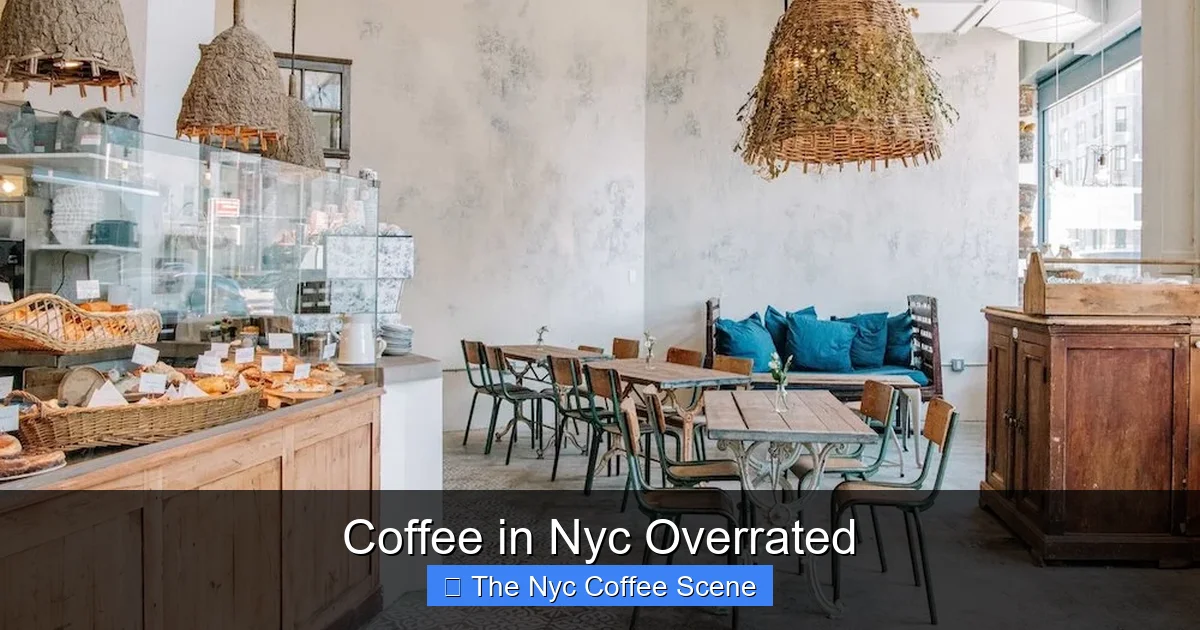
Visual guide about Coffee in Nyc Overrated
Image source: graceandlightness.com
There’s no denying that New York has a vibrant coffee culture. But “vibrant” doesn’t always mean “great.” In fact, the very things that make the scene exciting—the competition, the trends, the density of options—can also make it exhausting and inconsistent. The pressure to stand out leads many cafés to prioritize branding over brewing. You’ll see shops with names like “The Daily Grind” or “Bean There, Done That” that serve coffee tasting like it was pulled through a paper filter twice. Meanwhile, the real talent—small-batch roasters, skilled baristas, and thoughtful sourcing—often gets buried under the noise.
One major issue is the sheer volume of options. With over 5,000 coffee shops in the five boroughs, it’s impossible for every one to be exceptional. And because turnover is high—many cafés open and close within a year—consistency is rare. You might fall in love with a spot in Williamsburg, only to return a month later and find the beans have changed, the barista is new, and the vibe is completely different. This constant churn makes it hard to build trust or loyalty, even for locals who want to support small businesses.
Another factor is the city’s pace. New Yorkers are busy. They’re rushing to work, juggling meetings, and navigating crowded sidewalks. Coffee is often a fuel stop, not a leisurely experience. This demand for speed pushes cafés to prioritize efficiency over quality. Orders are rushed, beans are over-roasted to mask flaws, and milk is steamed too hot, killing the sweetness. The result? A cup that’s hot, caffeinated, and forgettable.
The Price Problem: Paying More for Less
Let’s talk about money. A standard drip coffee in NYC averages $3.50 to $4.50. A latte? $5.50 to $7. And if you want oat milk? Add $0.75. Compare that to cities like Portland or Austin, where you can get a high-quality pour-over for $4 or a expertly pulled espresso for $3. In New York, you’re paying a premium—not just for the coffee, but for the rent, the labor, and the “experience.”
But here’s the kicker: that higher price doesn’t always mean better quality. In fact, some of the most expensive coffees in the city are served in tourist traps where the beans are stale, the water is off, and the baristas are more focused on upselling pastries than pulling a clean shot. I’ve paid $8 for a cold brew in SoHo that tasted like diluted motor oil. I’ve also paid $4 in a no-frills bodega in the Bronx and gotten a rich, smooth cup that made me wonder why I ever bothered with the fancy places.
The markup is especially frustrating when you consider how much of the cost goes to overhead, not the product. A café in a high-rent district like Tribeca or the West Village might charge $6 for a cappuccino just to cover the $20,000 monthly rent. That doesn’t leave much room for investing in better beans or training staff. So while the menu might list “Ethiopian Yirgacheffe, single-origin, light roast,” the actual cup might taste like it was brewed with yesterday’s grounds.
Tourist Traps: The Worst Offenders
If you’re visiting New York, beware: some of the worst coffee in the city is served in the most popular neighborhoods. Times Square, SoHo, and the Meatpacking District are packed with cafés that cater to tourists who don’t know better—or don’t care. These spots rely on foot traffic, not repeat customers, so there’s little incentive to improve quality.
Take the chain cafés in Times Square, for example. They’re bright, loud, and always busy. But the coffee? Often reheated, over-roasted, and served in paper cups that leach flavor. I once ordered a “signature blend” at a well-known national chain in Midtown and was handed a cup that tasted like it had been sitting under a heat lamp for hours. When I asked for a fresh brew, the barista shrugged and said, “That’s how we do it here.”
Even some independent cafés in trendy areas fall into this trap. They’ll use buzzwords like “artisanal,” “small-batch,” and “direct trade” on their menus, but the beans might be months old, the grinder clogged, and the water not filtered. I’ve walked into shops with beautiful interiors and zero customers—only to find out they’re closed for “staff training” because they can’t keep baristas long enough to maintain standards.
The lesson? Just because a café is busy or looks Instagram-worthy doesn’t mean it serves good coffee. In fact, the opposite is often true. The best coffee shops are usually quieter, less flashy, and focused on the craft—not the crowd.
The Rise of the “Coffee Experience”
One of the biggest trends in NYC coffee culture is the shift from beverage to experience. Cafés are no longer just places to grab a drink—they’re destinations. They host live music, art shows, poetry readings, and even yoga classes. Some have libraries, record stores, or vintage clothing sections. It’s not uncommon to see someone spending two hours at a café, laptop open, sipping the same cold brew while scrolling through emails.
There’s nothing wrong with that, of course. Coffee shops have always been social hubs. But when the focus shifts too far from the coffee itself, things can go sideways. I’ve been to cafés where the barista spent more time arranging flowers than making drinks. I’ve seen shops with five different milk options (oat, almond, soy, coconut, macadamia) but no attention to grind size or brew time. The result? A latte that’s all foam, no flavor.
This emphasis on ambiance can also lead to exclusivity. Some cafés have unwritten rules—no laptops after 3 p.m., no groups larger than two, no talking on the phone. While these policies might create a peaceful environment, they can also make the space feel unwelcoming or elitist. And if you’re just there for the coffee? Good luck getting a refill.
When Aesthetics Trump Taste
Let’s be real: a lot of NYC coffee shops are designed for photos, not for drinking. The lighting is perfect, the tables are marble, and the cups are minimalist ceramic. But how often does that translate to a better cup of coffee? Rarely.
I remember walking into a café in Williamsburg that looked like it belonged in a design magazine. The walls were white, the chairs were mid-century modern, and the menu was handwritten on a chalkboard. I ordered a pour-over, excited to try their “seasonal single-origin.” The barista took ten minutes to prepare it, using a gooseneck kettle and a scale. It looked impressive. But when I took a sip? Bitter, over-extracted, and completely unbalanced. The beans were probably great, but the execution was off. And for $6.50, I expected perfection.
This isn’t an isolated incident. Many cafés invest heavily in their look—hiring interior designers, commissioning custom furniture, even curating playlists—but skimp on the basics: fresh beans, clean equipment, trained staff. It’s like building a luxury car with a lawnmower engine. It might look fast, but it won’t get you far.
The Inconsistency Problem
Even the most beloved coffee shops in NYC can be hit or miss. That’s because consistency is hard to maintain in a fast-paced, high-turnover environment. Baristas come and go. Roasters change suppliers. Equipment breaks down. And with so many variables—water temperature, grind size, tamping pressure—it only takes one mistake to ruin a cup.
I’ve had this experience at some of the city’s most hyped spots. One week, a café in Greenpoint serves a flawless flat white—creamy, balanced, with a rich espresso base. The next week, the same drink tastes sour and thin. When I asked what changed, the barista admitted they’d switched milk suppliers and were still adjusting the steaming technique. That’s understandable, but it’s also frustrating when you’re paying premium prices.
Even chains aren’t immune. A national coffee brand might have a great location in Brooklyn Heights but a terrible one in Midtown. The beans are the same, but the baristas aren’t trained the same way. The water quality differs. The rush hour crowd affects timing. The result? Two very different experiences under the same logo.
The Challenge of Scale
As coffee shops grow, maintaining quality becomes harder. A small roastery in Queens might start with a passionate owner who roasts every batch by hand. But as demand increases, they have to hire more staff, buy bigger machines, and source beans in bulk. That’s when shortcuts creep in. Beans might be roasted darker to mask inconsistencies. Brew times might be shortened to keep up with lines. The personal touch gets lost.
I’ve seen this happen with local favorites that suddenly expand to multiple locations. The original shop still serves great coffee, but the new outpost feels like a copy—same menu, same design, but the soul is gone. It’s like eating at a chain restaurant that used to be a family-owned diner. The name is familiar, but the heart isn’t there.
Where to Find Actually Good Coffee in NYC
Despite the challenges, there are still places in New York that take coffee seriously. They might not be the loudest or the flashiest, but they’re worth seeking out. These are the spots where the baristas know your name, the beans are roasted in-house, and the focus is on flavor, not flair.
Some standout examples include:
– **Sweatshop Coffee** in Williamsburg: A no-nonsense spot with excellent espresso and a loyal local following. No Wi-Fi, no laptops—just great coffee and quick service.
– **Devoción** in Williamsburg and Flatiron: Known for ultra-fresh beans flown in directly from Colombia. Their pour-overs are some of the best in the city.
– **Hi-Collar** in East Village: A Japanese-inspired café with meticulous attention to detail. Their siphon coffee is a must-try.
– **Parlor Coffee** in Williamsburg: A roastery and café combo with a focus on transparency and quality. Their seasonal offerings are always worth trying.
– **Birch Coffee** in multiple locations: A local chain that actually cares about consistency. Their beans are well-roasted, and their baristas are well-trained.
These places prove that great coffee is possible in NYC—it just takes a little effort to find it.
Tips for Navigating the NYC Coffee Scene
If you’re tired of overpriced, underwhelming coffee, here are a few tips to help you find the good stuff:
– **Avoid tourist-heavy areas.** Stick to neighborhoods like Park Slope, Astoria, or Bushwick, where locals actually live and drink coffee.
– **Look for roasteries.** Cafés that roast their own beans are more likely to care about quality.
– **Ask questions.** A good barista will be happy to tell you about the origin, roast level, and brewing method.
– **Skip the extras.** Oat milk, flavored syrups, and whipped cream can mask poor-quality coffee. Try it black first.
– **Go early or late.** Mid-morning rushes often lead to rushed drinks. Visit right when they open or after the lunch crowd.
Conclusion: Is Coffee in NYC Really Overrated?
So, is coffee in NYC overrated? The answer isn’t black and white. Yes, the city has some of the most innovative roasters, skilled baristas, and beautiful cafés in the world. But it also has a lot of noise—overpriced drinks, inconsistent quality, and a culture that sometimes values style over substance.
For every exceptional cup, there are dozens that are just average. And for every passionate coffee lover, there’s a tourist paying $7 for a cup they’ll forget by the time they reach the subway. The hype is real, but the reality is more complicated.
If you’re willing to look beyond the Instagram posts and the long lines, you’ll find that New York still has plenty to offer coffee lovers. But you might have to dig a little deeper—and pay attention to what’s in the cup, not just what’s on the menu.
At the end of the day, great coffee is about more than aesthetics. It’s about freshness, skill, and care. And while NYC may not always deliver on that promise, it’s still worth exploring—just don’t expect every cup to be a masterpiece.
Frequently Asked Questions
Is coffee in NYC really that bad?
Not all coffee in NYC is bad—there are excellent roasters and cafés. However, many places serve overpriced, average-quality drinks, especially in tourist areas. The inconsistency and high prices make the overall scene feel overrated to many locals and visitors.
Why is coffee so expensive in New York?
High rent, labor costs, and the demand for premium experiences drive up prices. Many cafés charge more for ambiance and location than for the actual quality of the coffee.
Are there any good independent coffee shops in NYC?
Yes! Places like Devoción, Parlor Coffee, and Sweatshop Coffee are known for high-quality beans and skilled brewing. They’re often quieter and more focused on craft than trendy chains.
Should I avoid coffee shops in tourist areas?
Generally, yes. Areas like Times Square and SoHo are full of overpriced, low-quality options designed for quick turnover. You’ll have better luck in residential neighborhoods like Park Slope or Astoria.
What’s the best time to visit a NYC coffee shop?
Early morning (right at opening) or late afternoon (after the lunch rush) are ideal. These times offer shorter lines and fresher brews, as baristas aren’t rushed.
Can I get good coffee without paying $7?
Absolutely. Many bodegas, local delis, and smaller cafés serve solid coffee for under $4. Look for places that roast their own beans or have a steady local crowd—they’re often the hidden gems.