
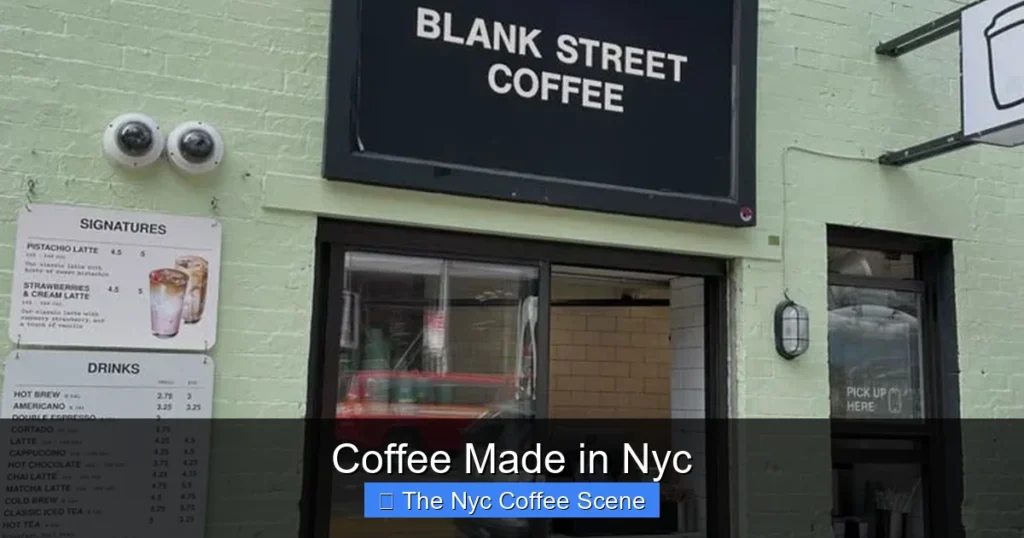
New York City’s coffee scene is a dynamic blend of tradition, innovation, and bold flavor. From small-batch roasters in Brooklyn to historic espresso bars in Manhattan, coffee made in NYC reflects the city’s diverse spirit and relentless energy.
New York City doesn’t just run on coffee—it thrives on it. From the first sip at a corner cart to the carefully poured pour-over in a minimalist Williamsburg café, coffee made in NYC is more than a beverage; it’s a ritual, a rhythm, and a reflection of the city’s relentless pace and diverse soul. Whether you’re rushing to a meeting in Midtown or savoring a slow morning in a Greenwich Village garden café, the city’s coffee culture is as layered and complex as its subway map.
What sets NYC coffee apart isn’t just the quality—it’s the story behind every cup. The city’s coffee scene blends old-world traditions with cutting-edge innovation. Think classic Italian espresso machines humming alongside state-of-the-art siphon brewers, or a bodega selling $1 black coffee next to a specialty shop offering single-origin Ethiopian pour-overs for $7. This duality is what makes coffee made in NYC so compelling. It’s accessible yet refined, fast yet intentional, familiar yet constantly evolving.
Key Takeaways
- NYC is a hub for artisanal coffee roasting: Independent roasters across the five boroughs are crafting unique, high-quality beans with a focus on sustainability and traceability.
- The city’s coffee culture is deeply rooted in history: From classic Italian espresso bars to modern third-wave cafés, NYC’s coffee journey spans over a century.
- Brooklyn leads the craft coffee movement: Neighborhoods like Williamsburg and DUMBO are home to some of the most innovative roasters and baristas in the country.
- Seasonal and local ingredients elevate the experience: Many NYC cafés incorporate local dairy, syrups, and pastries to create a truly regional coffee experience.
- Coffee shops double as community spaces: Beyond serving great brews, NYC cafés foster connection, creativity, and culture in bustling urban environments.
- Sustainability is a growing priority: Eco-conscious practices—from compostable cups to direct trade sourcing—are becoming standard in the city’s top coffee spots.
- Tourists and locals alike can explore coffee trails: Guided tours and self-guided walks make it easy to discover the best coffee made in NYC.
📑 Table of Contents
The Roots of Coffee in New York City
Long before the rise of third-wave coffee, New York was already a coffee town. The city’s love affair with coffee dates back to the 18th century, when coffeehouses became centers of intellectual exchange, much like their European counterparts. By the early 1900s, Italian immigrants brought their espresso traditions to neighborhoods like Little Italy and Harlem, establishing some of the first espresso bars in the U.S. These spots—like Caffe Reggio, founded in 1927—still serve strong, sweet espresso in tiny cups, preserving a piece of Old World charm.
In the mid-20th century, diners and delis became the heart of NYC’s coffee culture. The classic “cup of joe” served in heavy ceramic mugs with a side of cream and sugar was a staple for factory workers, cab drivers, and late-night revelers. These no-frills establishments prioritized speed and volume, but they also built community. Regulars knew their orders by heart, and the coffee was always hot, strong, and affordable.
The 1990s and 2000s saw a shift. As global coffee trends evolved, so did New York’s palate. The arrival of chains like Starbucks introduced Americans to lattes and flavored syrups, but it also sparked a backlash. Locals began craving something more authentic, more personal. This paved the way for the third-wave coffee movement—a focus on high-quality beans, precise brewing methods, and direct relationships with farmers.
Today, coffee made in NYC honors both its humble beginnings and its modern ambitions. You can still find a perfect diner coffee at places like Tom’s Restaurant in Brooklyn or the iconic Gem Spa in the East Village. But you can also experience the precision of a hand-brewed V60 at a roastery in Long Island City or a nitro cold brew infused with local maple syrup in Harlem. The city’s coffee identity is a mosaic—rooted in history, shaped by immigration, and constantly reimagined.
Brooklyn: The Heart of NYC’s Craft Coffee Movement
Visual guide about Coffee Made in Nyc
Image source: koffeetips.com
If Manhattan is the brain of New York City, Brooklyn is its coffee soul. Over the past decade, this borough has emerged as the epicenter of the city’s craft coffee revolution. From the industrial lofts of DUMBO to the tree-lined streets of Park Slope, Brooklyn is home to some of the most innovative roasters, baristas, and café concepts in the country.
One of the key drivers of this movement is the borough’s creative energy. Artists, musicians, and entrepreneurs have flocked to Brooklyn, bringing with them a DIY ethos and a passion for authenticity. This spirit is evident in the way coffee is made and served. At spots like Sey Coffee in Bushwick, beans are roasted in-house using small-batch methods, with a focus on light roasts that highlight the unique terroir of each origin. The result? A cup that tastes floral, fruity, and complex—far from the dark, smoky brews of the past.
Another standout is Variety Coffee Roasters, which started in Williamsburg and has since expanded to multiple locations across the city. Variety is known for its clean, bright profiles and commitment to sustainability. They source beans directly from farmers in Colombia, Ethiopia, and Guatemala, ensuring fair pay and ethical practices. Their cafés double as community hubs, with free Wi-Fi, local art on the walls, and events like latte art workshops and coffee cupping sessions.
But it’s not just about the coffee—it’s about the experience. Many Brooklyn cafés are designed with intention. Think exposed brick, reclaimed wood, and floor-to-ceiling windows that let in natural light. Places like Café Grumpy in Greenpoint or Partners Coffee in Carroll Gardens feel more like living rooms than commercial spaces. They invite you to stay, to work, to connect.
And let’s not forget the food. Brooklyn’s coffee shops often partner with local bakeries and pastry chefs to offer fresh, seasonal treats. At Ovenly, a beloved Williamsburg spot, you can pair your pour-over with a vegan chocolate sea salt cookie or a lemon rosemary scone. The synergy between coffee and food elevates the entire experience, making each visit feel like a small celebration.
Manhattan: Where Tradition Meets Innovation
While Brooklyn may lead the craft charge, Manhattan remains the cultural and commercial heart of NYC’s coffee scene. Here, you’ll find a fascinating mix of old-school charm and modern innovation—often within just a few blocks.
Start in the Financial District, where the morning rush fuels a network of cart vendors and grab-and-go spots. At carts like the iconic Zabar’s coffee stand or the no-nonsense Joe’s Coffee, office workers line up for quick, strong cups to power through the day. These spots may not offer pour-overs or oat milk lattes, but they serve a vital role: providing accessible, reliable coffee to thousands every morning.
Head uptown, and the vibe shifts. In neighborhoods like the West Village and Chelsea, you’ll find a blend of historic institutions and trendy newcomers. Abraço, a tiny but mighty café on East 7th Street, is a prime example. Known for its olive oil cake and expertly pulled espresso, Abraço has been a neighborhood favorite since 2008. It’s the kind of place where locals know each other by name, and the barista remembers your usual order.
Meanwhile, newer spots like Devoción in Williamsburg (with a Manhattan outpost in Flatiron) are redefining what coffee can be. Devoción imports fresh beans directly from Colombian farms, often within days of harvest. Their “living coffee” concept means the beans are at their peak flavor, resulting in a cup that’s vibrant, aromatic, and unlike anything you’ve tasted before. It’s a bold statement in a city that loves to push boundaries.
Manhattan is also home to some of the city’s most iconic coffee institutions. Think of the classic Greek diners where coffee is served in thick mugs with a side of lemon slices, or the old-school Italian cafés where the espresso is so strong it’s almost medicinal. These places may not have Wi-Fi or avocado toast, but they offer something equally valuable: a sense of continuity and comfort.
And then there are the hybrid spaces—cafés that blend coffee with other passions. At The Elk in the West Village, you can sip a perfectly balanced cortado while browsing a curated selection of books and records. At La Colombe in Soho, the focus is on both coffee and craft, with house-made sodas, cold brews on tap, and a sleek, industrial design.
The Rise of Local Roasters and Sustainable Practices
One of the most exciting trends in coffee made in NYC is the surge of local roasters who are redefining what it means to be a coffee company. These aren’t just businesses—they’re missions. Many are founded on principles of sustainability, equity, and transparency.
Take Parlor Coffee, based in Red Hook, Brooklyn. Started by a group of friends who met working in the coffee industry, Parlor is known for its meticulous sourcing and small-batch roasting. They work directly with farmers in countries like Rwanda and Honduras, paying well above fair trade prices and building long-term relationships. Their roastery is open to the public, offering tours and tastings that educate customers about the journey from seed to cup.
Similarly, Coffee Project, with locations in Astoria and the Lower East Side, combines education with exceptional coffee. They offer brewing classes, cupping sessions, and even a “coffee subscription” that delivers freshly roasted beans to your door. Their philosophy is simple: great coffee should be accessible to everyone, regardless of experience.
Sustainability is a major focus for these roasters. Many use compostable packaging, recycle coffee chaff (the husk removed during roasting), and partner with local farms to repurpose used grounds as compost. Some, like Birch Coffee, have even launched carbon-neutral initiatives, offsetting their environmental impact through reforestation projects.
This commitment extends to the café level, too. More and more NYC coffee shops are eliminating single-use plastics, offering discounts for customers who bring their own cups, and sourcing milk from local dairies like Ronnybrook Farm or Battenkill Valley Creamery. Oat milk has become a staple, not just for vegans, but for anyone looking for a creamy, sustainable alternative.
Even the way coffee is brewed is evolving. Cold brew, once a niche product, is now a mainstream favorite, thanks to its smooth, low-acid profile and long shelf life. Nitro cold brew—infused with nitrogen for a creamy, beer-like texture—has become a signature offering at places like Stumptown and Bluestone Lane.
Coffee as Community: The Social Role of NYC Cafés
In a city known for its fast pace and anonymity, coffee shops serve as vital social spaces. They’re where friendships are forged, ideas are born, and communities are built. Coffee made in NYC isn’t just about the drink—it’s about the connection.
Many cafés host regular events: open mic nights, book clubs, art exhibitions, and live music. At Café Grumpy’s Hell’s Kitchen location, you might stumble upon a jazz trio playing during weekend brunch. At Think Coffee in the East Village, local poets gather for weekly readings. These events transform coffee shops from transactional spaces into cultural hubs.
For remote workers and freelancers, cafés are essential offices. With reliable Wi-Fi, ample outlets, and comfortable seating, places like Blue Bottle in Williamsburg or Gregorys Coffee in Midtown have become unofficial co-working spaces. The hum of laptops, the clink of cups, and the quiet focus create a productive yet relaxed atmosphere.
Coffee shops also play a role in neighborhood identity. In Harlem, spots like Lenox Coffee celebrate Black culture with murals, soul music, and community programs. In Jackson Heights, Queens, cafés like Café con Leche serve as gathering places for the area’s vibrant immigrant communities, offering coffee alongside empanadas and plantains.
And let’s not forget the role of baristas. In NYC, being a barista is more than a job—it’s a craft. Many undergo extensive training, learning everything from espresso extraction to milk steaming to customer service. Some even compete in national barista championships, showcasing their skills on a global stage.
Exploring the NYC Coffee Trail
For visitors and locals alike, exploring coffee made in NYC can be a delicious adventure. The city’s coffee trail is as diverse as its neighborhoods, offering something for every palate and preference.
Start in Brooklyn with a stop at Sey Coffee for a light-roast pour-over, then head to Variety Coffee Roasters for a classic New York latte. Cross the bridge to Manhattan and visit Devoción for a taste of “living coffee,” then wind down at Abraço with a slice of olive oil cake.
For a more structured experience, consider a guided coffee tour. Companies like NYC Coffee Walks offer curated walks through neighborhoods like Williamsburg and the Lower East Side, visiting three to four cafés and learning about the history and craft behind each cup. These tours are perfect for first-time visitors or coffee enthusiasts looking to deepen their knowledge.
If you prefer to go solo, create your own itinerary using apps like Google Maps or Yelp. Search for “best coffee in NYC” or filter by “roastery” or “third-wave” to find top-rated spots. Don’t be afraid to venture off the beaten path—some of the city’s best coffee is found in unassuming storefronts or tucked away in quiet corners.
And remember: the best coffee experience isn’t just about the drink. It’s about the atmosphere, the people, and the story. So take your time. Sit down. Strike up a conversation. Let the city’s coffee culture unfold around you.
Conclusion
Coffee made in NYC is more than a trend—it’s a testament to the city’s resilience, creativity, and diversity. From the steam rising off a diner mug to the delicate aroma of a single-origin pour-over, every cup tells a story. It’s a story of immigrants bringing their traditions, of entrepreneurs chasing their dreams, and of communities coming together over a shared love of great coffee.
Whether you’re a lifelong New Yorker or just passing through, there’s always a new café to discover, a new roast to try, and a new connection to make. So the next time you’re in the city, skip the chain and seek out a local spot. Order something you’ve never tried before. Stay a little longer than you planned. Because in New York, the best coffee isn’t just made—it’s lived.
Frequently Asked Questions
What makes coffee made in NYC different from other cities?
Coffee made in NYC stands out due to its blend of tradition and innovation. The city’s diverse population and rich history have created a unique coffee culture that values both classic techniques and modern craftsmanship.
Where can I find the best artisanal coffee in Brooklyn?
Top spots include Sey Coffee in Bushwick, Variety Coffee Roasters in Williamsburg, and Parlor Coffee in Red Hook. Each offers small-batch roasting, expert brewing, and a commitment to quality.
Are there coffee shops in NYC that focus on sustainability?
Yes, many NYC roasters and cafés prioritize sustainability. Look for places that use compostable packaging, source beans ethically, and offer plant-based milk options.
Can I take a coffee tour in New York City?
Absolutely. Companies like NYC Coffee Walks offer guided tours that visit multiple cafés, teach brewing techniques, and share the history of NYC’s coffee scene.
What’s the difference between third-wave and traditional coffee in NYC?
Third-wave coffee focuses on high-quality beans, precise brewing, and direct trade, while traditional coffee emphasizes speed, consistency, and affordability—like diner or cart coffee.
Is it expensive to drink coffee in NYC?
Prices vary widely. You can get a basic coffee for $2 at a cart, or spend $7 on a specialty pour-over. Many cafés offer a range of options to suit different budgets.