
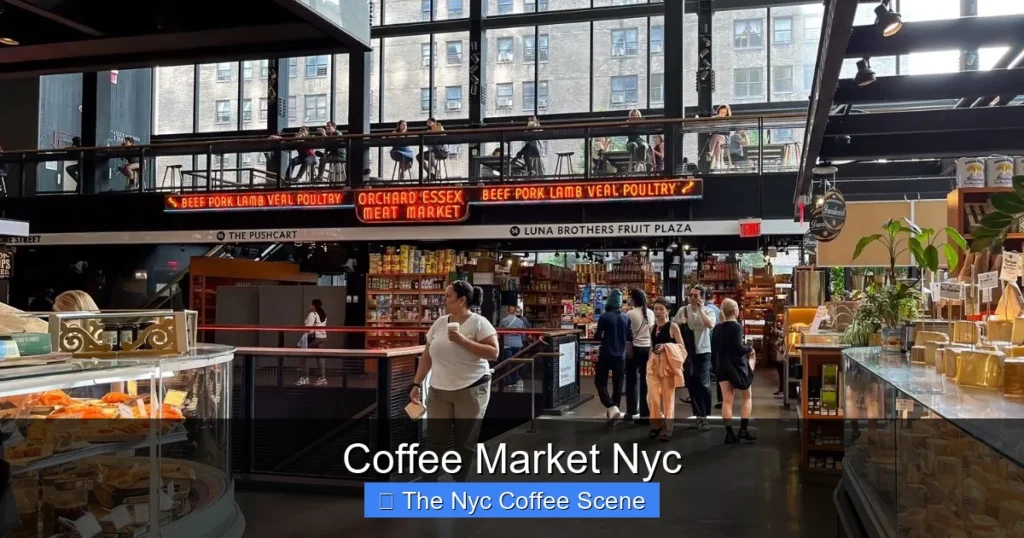
The coffee market NYC thrives on innovation, diversity, and quality. From third-wave roasters to neighborhood gems, the city offers a rich coffee experience for every palate.
New York City doesn’t just run on coffee—it breathes it. From the first sip at a corner bodega to the meticulously crafted pour-over in a Brooklyn loft, coffee is more than a drink here; it’s a ritual, a lifestyle, and a cultural cornerstone. The coffee market NYC has evolved into one of the most dynamic and influential in the world, blending old-world traditions with cutting-edge innovation. Whether you’re a daily commuter grabbing a quick espresso or a coffee connoisseur seeking single-origin beans, the city offers an experience tailored to every taste and pace.
What sets NYC apart isn’t just the sheer number of coffee shops—though there are thousands—but the depth of passion behind each cup. Baristas are trained like chefs, roasters treat green beans like fine wine, and café owners curate spaces that feel like second homes. The city’s diversity fuels its coffee culture, with influences from Latin American espresso traditions, Japanese precision brewing, and Scandinavian minimalist design all converging in one bustling metropolis. This isn’t just about caffeine; it’s about connection, creativity, and community.
Key Takeaways
- Diverse Coffee Culture: NYC’s coffee scene blends global influences, offering everything from Ethiopian pour-overs to Italian espresso bars.
- Third-Wave Dominance: The city is a hub for third-wave coffee, emphasizing bean origin, brewing precision, and sustainability.
- Independent Cafés Rule: While chains exist, independent shops drive innovation and community connection in the NYC coffee market.
- Roasting Revolution: Local roasters like Sey Coffee and Birch Coffee are redefining freshness and flavor profiles across the city.
- Coffee Tourism Booms: Coffee lovers visit NYC specifically to experience its unique café culture and specialty offerings.
- Tech Meets Tradition: Many NYC cafés integrate apps, loyalty programs, and digital ordering while preserving artisanal craftsmanship.
- Sustainability Focus: Eco-conscious practices—like compostable cups and direct trade sourcing—are becoming standard in the NYC coffee market.
📑 Table of Contents
- The Rise of the Third-Wave Coffee Movement in NYC
- Independent Cafés: The Heartbeat of NYC’s Coffee Scene
- Local Roasters Shaping the NYC Coffee Market
- Coffee Tourism: Why People Visit NYC for Coffee
- Technology and the Future of NYC Coffee
- Sustainability and Ethics in the NYC Coffee Market
- Conclusion: The Enduring Appeal of NYC Coffee
The Rise of the Third-Wave Coffee Movement in NYC
The third-wave coffee movement—where coffee is treated as an artisanal craft rather than a commodity—has found its perfect home in New York City. This shift began in the early 2000s, as consumers started demanding transparency, quality, and sustainability. In NYC, this meant a move away from sugary, mass-produced drinks toward single-origin beans, manual brewing methods, and direct relationships with farmers.
One of the earliest pioneers was Stumptown Coffee Roasters, which opened its first NYC location in the West Village in 2010. Their focus on traceability and flavor profiling set a new standard. Soon after, Blue Bottle Coffee arrived, bringing its minimalist aesthetic and obsessive attention to brew time and water temperature. These brands didn’t just sell coffee—they educated customers, hosting cuppings and brewing workshops that turned casual drinkers into enthusiasts.
Today, the third-wave ethos is everywhere. You’ll find it in the way baristas weigh beans to the gram, use gooseneck kettles for precision pouring, and serve coffee in ceramic cups to preserve aroma. Even chain cafés like Starbucks have introduced “Reserve” bars that mimic the third-wave experience, proving how deeply the movement has influenced the broader coffee market NYC.
What Makes Third-Wave Coffee Different?
Third-wave coffee isn’t just about taste—it’s about intention. Every step, from farm to cup, is considered. Roasters often visit farms to select beans personally, ensuring fair pay and sustainable practices. In NYC, this means you might see a bag of coffee labeled not just with the region, but the farmer’s name, harvest date, and processing method.
Brewing methods are equally important. Pour-over, AeroPress, Chemex, and siphon brewing are common, each highlighting different flavor notes. A light roast from Ethiopia might taste like blueberries and jasmine when brewed with a V60, while a Colombian bean could shine with chocolate and caramel notes using a French press.
This level of detail appeals to a growing audience of coffee lovers who see their morning brew as an experience, not just a stimulant. In a city that values authenticity and craftsmanship, third-wave coffee fits right in.
Spotlight: Sey Coffee – A Beacon of Innovation
Few roasters embody the third-wave spirit in NYC like Sey Coffee. Founded in 2017 in a small Bushwick warehouse, Sey has become a destination for coffee purists. They focus exclusively on light-roasted, high-altitude beans, often from experimental farms in East Africa and Central America.
What sets Sey apart is their commitment to freshness. Beans are roasted to order and shipped within 48 hours. Their café features a rotating menu of single-origin offerings, each with detailed tasting notes. Customers can even watch the roasting process through a glass wall, adding a theatrical element to the experience.
Sey also hosts regular events, from latte art competitions to farmer Q&As, fostering a sense of community. For many, visiting Sey isn’t just about coffee—it’s about being part of a movement that values quality, ethics, and education.
Independent Cafés: The Heartbeat of NYC’s Coffee Scene
Visual guide about Coffee Market Nyc
Image source: webrand.coffee
While global chains and third-wave roasters get attention, it’s the independent cafés that truly define the coffee market NYC. These neighborhood spots—often run by passionate individuals or small teams—offer unique atmospheres, personalized service, and a deep connection to their communities.
Take Cafe Grumpy, for example. Founded in 2005 in Chelsea, it was one of the first NYC cafés to focus on high-quality, locally roasted coffee. Their no-laptop policy in the original location encouraged conversation and presence, a radical idea in a city obsessed with productivity. Though they’ve since relaxed the rule, the spirit remains: coffee as a social experience.
Then there’s Abraço, a tiny East Village gem known for its olive oil cake and expertly pulled espresso. With just a handful of seats, it’s a place where regulars know each other by name. The baristas remember your order, and the vibe is warm and unpretentious—proof that great coffee doesn’t need a sleek interior or a long menu.
Community Over Commerce
Independent cafés often serve as community hubs. They host poetry readings, art shows, and local fundraisers. In neighborhoods like Harlem, Bedford-Stuyvesant, and Astoria, cafés have become safe spaces for dialogue and connection.
For example, The Brotherhood in Harlem not only serves excellent coffee but also partners with local organizations to support youth programs. Their “Coffee for a Cause” initiative donates a portion of sales to community development projects. This blend of commerce and compassion is a hallmark of the NYC coffee market.
Challenges Facing Indie Cafés
Despite their cultural value, independent cafés face significant challenges. Rising rent, labor costs, and competition from chains and delivery apps make it tough to survive. Many rely on loyal customers and creative business models—like subscription services or retail bean sales—to stay afloat.
Some have turned to crowdfunding. In 2020, during the pandemic, several NYC cafés launched campaigns to keep their doors open. Customers responded with overwhelming support, showing how much these spaces mean to the community.
Still, the resilience of indie cafés speaks volumes. They adapt, innovate, and continue to serve not just coffee, but a sense of belonging.
Local Roasters Shaping the NYC Coffee Market
Behind every great cup of coffee is a skilled roaster. In NYC, a new generation of local roasters is redefining what it means to brew with integrity and creativity. These aren’t just suppliers—they’re storytellers, educators, and innovators.
Birch Coffee, founded in 2008 by Paul Schlader, is a prime example. With multiple locations across Manhattan, Birch focuses on direct trade relationships and seasonal menus. They roast in-house at their Long Island City facility, ensuring peak freshness. Their “Roast of the Month” club lets customers explore new origins and flavor profiles from home.
Another standout is Devoción, a Brooklyn-based roaster with farms in Colombia. They import fresh-picked beans within 48 hours of harvest, a rarity in the industry. Their Williamsburg café features a living wall of tropical plants, mimicking the Colombian rainforest where their coffee grows. The result? A cup that tastes impossibly vibrant and alive.
The Science of Roasting
Roasting is both an art and a science. In NYC, roasters use data-driven approaches to perfect their craft. They monitor temperature, airflow, and time to bring out the best in each bean. Light roasts highlight acidity and floral notes, while dark roasts emphasize body and bitterness.
But it’s not just about technique—it’s about storytelling. Roasters like those at Onyx Coffee Lab (with a NYC outpost) publish detailed roast profiles online, explaining why they chose a certain curve for a particular bean. This transparency builds trust and educates consumers.
Sustainability in Roasting
Sustainability is a growing priority. Many NYC roasters use energy-efficient roasters, compost coffee chaff, and partner with eco-conscious farms. Some, like Café Altro Paradiso’s in-house roasting program, even use solar-powered equipment.
Packaging is another focus. Compostable bags, reusable containers, and minimal labeling are becoming standard. In a city striving for zero waste, the coffee market NYC is stepping up.
Coffee Tourism: Why People Visit NYC for Coffee
Believe it or not, people travel to New York City specifically for its coffee. Coffee tourism is a real and growing trend, with enthusiasts planning entire trips around café visits, roastery tours, and brewing workshops.
Imagine landing at JFK and heading straight to a pour-over at La Cabra in Tribeca, a Danish-inspired café known for its minimalist design and flawless brews. Or spending a Saturday morning at Partners Coffee in Williamsburg, sipping a single-origin espresso while browsing their curated selection of brewing gear.
These experiences are Instagram-worthy, but they’re also deeply satisfying. Coffee tourists appreciate the craftsmanship, the ambiance, and the chance to taste beans they can’t get at home.
Must-Visit Cafés for Coffee Lovers
For visitors, here are a few standout spots:
– **La Cabra (Tribeca):** Known for its Nordic roasting style and beautiful ceramic cups.
– **Devoción (Williamsburg):** Offers the freshest coffee in the city, with a lush, immersive environment.
– **Sey Coffee (Bushwick):** A pilgrimage site for third-wave fans.
– **Abraço (East Village):** A tiny, beloved spot with legendary espresso.
– **Birch Coffee (Multiple Locations):** Great for trying seasonal roasts and meeting friendly baristas.
Many of these cafés also sell beans online, so you can bring a taste of NYC home.
Coffee Tours and Experiences
Several companies now offer guided coffee tours. These walks take you through neighborhoods like Williamsburg, Chelsea, and the Lower East Side, stopping at 4–5 cafés for tastings and behind-the-scenes insights. Some include brewing classes or meet-and-greets with roasters.
These tours aren’t just for tourists—locals love them too. They offer a chance to discover hidden gems and deepen your appreciation for the city’s coffee culture.
Technology and the Future of NYC Coffee
The coffee market NYC is embracing technology in exciting ways. From mobile ordering to AI-driven brewing, innovation is enhancing both convenience and quality.
Apps like Cloosby and Cupping Room allow you to order ahead, skip the line, and earn rewards. Some cafés use digital menus that update in real time based on bean availability. Others have installed smart brewers that adjust water temperature and flow rate automatically.
But tech doesn’t replace the human touch—it enhances it. Baristas still craft each drink with care, but they’re freed from repetitive tasks to focus on customer interaction and education.
Digital Loyalty and Personalization
Loyalty programs are getting smarter. Instead of a simple “buy 9, get 1 free” stamp card, apps track your preferences and suggest new drinks. If you always order a oat milk latte, the app might recommend a seasonal variation or notify you when your favorite bean is back in stock.
This personalization builds stronger relationships between cafés and customers, turning occasional visitors into regulars.
The Rise of Coffee Subscriptions
Subscription services are booming. For $20–$40 a month, you can receive freshly roasted beans delivered to your door. Many NYC roasters offer customizable plans, letting you choose roast level, grind size, and delivery frequency.
This model supports local businesses and ensures you never run out of great coffee. It’s also a great way to explore new origins and roasters without leaving home.
Sustainability and Ethics in the NYC Coffee Market
As consumers become more conscious, the coffee market NYC is responding with greener practices. Sustainability isn’t just a trend—it’s a necessity.
Many cafés now use compostable cups, lids, and straws. Some have eliminated single-use items altogether, encouraging customers to bring their own mugs with discounts. In 2022, NYC passed a law requiring large food service providers to offer reusable container options, pushing cafés to innovate.
Ethical sourcing is equally important. Direct trade, fair trade, and organic certifications are common. Roasters publish impact reports, detailing how much they pay farmers and what community projects they support.
Zero-Waste Cafés
A few NYC cafés are leading the zero-waste charge. **The Wormery** in Bushwick composts all organic waste and uses a closed-loop system for coffee grounds. **Café Grumpy** partners with local farms to turn used grounds into fertilizer.
These efforts reduce environmental impact and inspire other businesses to follow suit.
Fair Wages for Baristas
Beyond environmental concerns, there’s a growing push for fair labor practices. Baristas in NYC often earn above minimum wage, and some cafés offer health benefits and paid time off. Unions are forming, advocating for better working conditions across the industry.
This focus on people, not just profit, strengthens the entire coffee ecosystem.
Conclusion: The Enduring Appeal of NYC Coffee
The coffee market NYC is more than a collection of shops—it’s a living, breathing culture. It reflects the city’s diversity, creativity, and relentless pursuit of excellence. Whether you’re sipping a $3 espresso at a corner cart or a $7 single-origin pour-over in a minimalist café, you’re part of a story that’s still being written.
What makes NYC coffee special isn’t just the quality—it’s the passion behind it. From the farmer in Colombia to the roaster in Brooklyn to the barista in Manhattan, every cup is a collaboration. And in a city that never sleeps, that cup of coffee is often the thing that keeps us going.
So next time you’re in New York, slow down. Step into a café. Talk to the barista. Try something new. Because in the coffee market NYC, every sip is an invitation—to taste, to connect, and to belong.
Frequently Asked Questions
What makes the NYC coffee market unique?
The NYC coffee market stands out for its diversity, innovation, and deep-rooted coffee culture. With a mix of third-wave roasters, independent cafés, and global influences, the city offers an unparalleled coffee experience that blends tradition with cutting-edge trends.
Are there coffee tours available in NYC?
Yes, several companies offer guided coffee tours that take you to top cafés across neighborhoods like Williamsburg, Chelsea, and the East Village. These tours include tastings, brewing demos, and insights from local roasters and baristas.
What is third-wave coffee, and where can I find it in NYC?
Third-wave coffee treats coffee as an artisanal craft, focusing on bean origin, brewing precision, and sustainability. You can experience it at spots like Sey Coffee, Devoción, La Cabra, and Birch Coffee, all of which emphasize quality and transparency.
Do NYC cafés offer sustainable options?
Many NYC cafés prioritize sustainability through compostable packaging, reusable cup programs, and direct trade sourcing. Some, like The Wormery, are fully zero-waste, turning coffee grounds into compost and minimizing environmental impact.
Can I buy NYC-roasted coffee online?
Absolutely. Most local roasters, including Sey Coffee, Birch Coffee, and Devoción, offer online sales and subscription services. You can have freshly roasted beans delivered to your door, no matter where you live.
What’s the best time to visit a NYC café for coffee?
Early mornings (7–9 AM) are ideal for a quiet experience and fresh brews, while mid-morning (10 AM–12 PM) offers a lively atmosphere. Avoid peak lunch hours if you want to snag a seat and enjoy a relaxed vibe.