

I’ve spent years writing about nutrition and hydration, testing advice on myself and with clients. Here’s the short answer to Does coffee actually dehydrate you?: for most healthy adults, regular coffee does not dehydrate you. While caffeine has a mild diuretic effect, the water in coffee more than offsets it, so your daily brew still counts toward your fluid intake. Let’s dig into what the science, real-world experience, and practical hydration strategies actually say about coffee and dehydration.
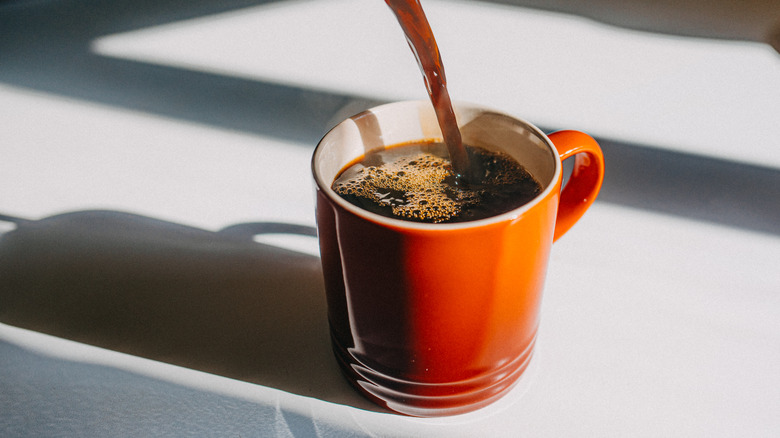
Source: www.chowhound.com
What Dehydration Really Means
Dehydration isn’t just feeling thirsty. Clinically, it’s when your body loses more fluid than it takes in, reducing blood volume and straining systems that regulate temperature, circulation, and electrolytes. The symptoms exist on a spectrum, from mild to severe.
Common signs you might be underhydrated:
- Dry mouth, darker urine, or infrequent urination
- Headaches, fatigue, or difficulty concentrating
- Dizziness, rapid heartbeat, or muscle cramps during activity
Coffee enters this picture as a fluid source that also contains caffeine, a compound known to increase urine output slightly. But context matters: the dose, your tolerance, the environment, and what else you drink all influence the net effect.
Source: www.fastcompany.com
How Caffeine Affects Fluid Balance
Caffeine is a mild diuretic. It blocks adenosine receptors, indirectly influencing hormones and kidney function that can increase urine production. However, two key points get lost in the headlines:
- Dose matters. The diuretic effect is most noticeable at higher caffeine doses, often above 300 mg at once for non-habituated users. A typical 8-ounce brewed coffee has about 80–100 mg.
- Habitual intake reduces the effect. If you drink coffee regularly, your body adapts. Multiple controlled studies show habitual coffee drinkers experience a diminished diuretic response compared to non-regular consumers.
In simple terms, the water in coffee contributes to hydration, and for most people the modest diuretic nudge from caffeine doesn’t outweigh the fluid you’re consuming.

Source: www.sciencealert.com
What The Research Says
Peer-reviewed studies consistently report that coffee hydrates similarly to water when consumed in moderate amounts by regular coffee drinkers:
- Controlled trials comparing equal volumes of coffee and water show no significant differences in total body water, blood markers of hydration, or 24-hour urine output when caffeine intake is moderate.
- Sports and clinical hydration guidelines note that caffeinated beverages can count toward daily fluid goals for healthy adults.
- The diuretic effect is more apparent in people who are not accustomed to caffeine, at higher doses, or when combined with additional dehydrating stressors such as heat or intense endurance exercise without adequate fluid replacement.
In my own practice, I’ve monitored clients’ morning weights, urine color, and training performance. When they swapped two cups of coffee for two cups of water on alternating weeks, there was no meaningful change in hydration markers, provided total fluid intake remained steady.

Source: www.youtube.com
Factors That Change Coffee’s Hydration Impact
How coffee affects you depends on a few personal and environmental variables:
- Your caffeine tolerance: Regular coffee drinkers usually experience less diuresis than occasional drinkers.
- Serving size and strength: A double espresso plus a large cold brew back-to-back is not the same as one 8–12 oz brewed coffee.
- Timing with exercise: Pre-workout caffeine can be fine, but match it with water and electrolytes if you sweat heavily.
- Climate and altitude: Hot, humid days or high altitude increase fluid needs. Coffee still counts, but you’ll need more total fluids.
- Add-ins: Sugar and milk don’t change hydration much for most people, but alcohol alongside coffee (brunch mimosas, Irish coffee) complicates fluid balance.
- Medications and conditions: Some medications and health conditions impact fluid balance and may interact with caffeine’s effects.
If you’re stacking multiple dehydrating factors at once—little water, lots of caffeine, hard training in heat—you’ll feel it. Otherwise, coffee is typically hydration-neutral to positive.
Practical Hydration Tips For Coffee Lovers
Here’s how I keep my coffee habit and stay well hydrated:
- Start with water: I drink a glass of water before my first cup. It’s an easy baseline win.
- Mind total fluids: Aim for about half your body weight in ounces of fluid per day as a simple starting point, then adjust for activity and climate.
- Use the urine-color check: Pale straw to light yellow is the everyday target.
- Space your caffeine: Spread coffee across the morning rather than chugging multiple cups at once if you’re sensitive.
- Pair coffee with electrolytes around workouts: Especially in heat or longer sessions.
- Cap the late-day caffeine: Better sleep supports overall hydration and recovery.
A simple rule I give clients: for every cup of coffee, aim for at least one cup of water somewhere in the same morning or afternoon. It’s not a strict requirement, but it keeps you consistent.
Who Should Be More Careful
Coffee isn’t one-size-fits-all. Consider extra caution if you:
- Are new to caffeine or very sensitive to it
- Have kidney, heart, or uncontrolled blood pressure issues
- Are pregnant or breastfeeding, where caffeine guidance is more conservative
- Take medications with diuretic effects or that interact with caffeine
- Work in hot environments or train for endurance events where sweat losses are high
For these cases, discuss caffeine and hydration with your clinician or coach. It’s not necessarily about avoiding coffee, but about customizing your intake and timing.
A Sample Day: Coffee And Hydration That Works
Here’s a simple structure that’s worked for me and many readers:
- On waking: 8–16 oz water
- Coffee 1: 8–12 oz brewed coffee
- Mid-morning: 12–16 oz water or unsweetened tea
- Lunch: 12–16 oz water
- Coffee 2 (optional): 6–8 oz, earlier in the afternoon
- Pre-workout: 12–20 oz water, add electrolytes if sweating heavily
- Post-workout: 16–24 oz water, adjust for sweat loss
- Evening: Water or herbal tea, as thirst guides
You can swap some water for milk, broth, or low-sugar electrolyte drinks. Hydration is cumulative across your whole day, not determined by a single beverage.
Frequently Asked Questions Of Does Coffee Actually Dehydrate You?
Does Coffee Count Toward My Daily Water Intake?
Yes. For most healthy adults, moderate coffee intake contributes to daily fluid needs. The water in coffee offsets caffeine’s mild diuretic effect.
How Much Coffee Is Considered Moderate?
Generally 1–3 standard cups per day, or up to about 400 mg of caffeine for most adults, is considered moderate. Individual tolerance varies.
Is Cold Brew Less Dehydrating Than Hot Coffee?
Temperature doesn’t change hydration much. What matters more is caffeine dose and your overall fluid intake. Cold brew can be stronger per ounce, so watch serving size.
Will Espresso Dehydrate Me More Than Drip Coffee?
Per ounce, espresso can contain more caffeine, but a typical serving is smaller. The net effect is similar when total caffeine and fluid volume are comparable.
Should I Avoid Coffee Before A Workout?
Not necessarily. Many athletes use coffee as a performance aid. Pair it with water and electrolytes, and avoid overdoing caffeine right before long, hot, or humid sessions.
Can Decaf Dehydrate Me?
Decaf has very little caffeine, so its diuretic effect is negligible. It generally hydrates like other low-caffeine beverages.
Why Do I Urinate More After Coffee?
Caffeine can increase urine production slightly, and you also added liquid to your system. More bathroom trips don’t automatically mean you’re dehydrated.
Wrap-Up And Next Steps
Coffee doesn’t automatically dehydrate you. For most of us, regular coffee is hydration-neutral to positive, especially when total daily fluids are adequate. The keys are moderation, awareness of your caffeine tolerance, and smart timing around exercise and heat. If you love your morning cup, keep it—just keep your water habits consistent too.
Try the simple routine above this week, track your energy, urine color, and performance, and adjust your fluids as needed. If you found this guide helpful, subscribe for more evidence-backed nutrition insights or drop a comment with your questions.
Watch This Video on Does coffee actually dehydrate you?