
I’ve pulled thousands of shots behind the bar and at home, and I still love watching someone taste a ristretto next to an espresso for the first time. If you’ve ever wondered about Espresso vs. Ristretto: what’s the distinction?, here’s the short answer: they use the same coffee and machine, but ristretto is a shorter, more concentrated extraction with less water and a richer, denser flavor, while espresso is a full‑yield shot with broader flavor range and more balance. Stick with me, and I’ll show you exactly how and why that difference happens and how to choose the right one for your taste and drinks.
Source: www.coffeecircle.com
What Is Espresso And What Is Ristretto?
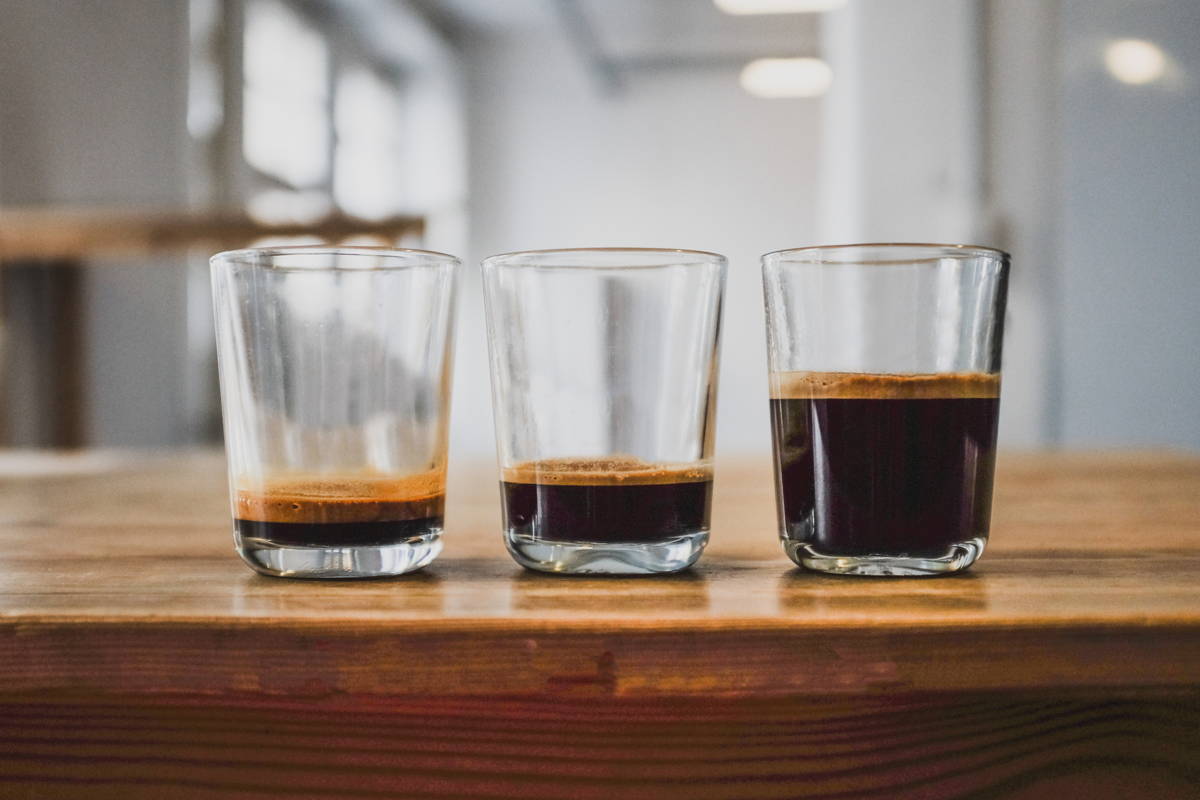
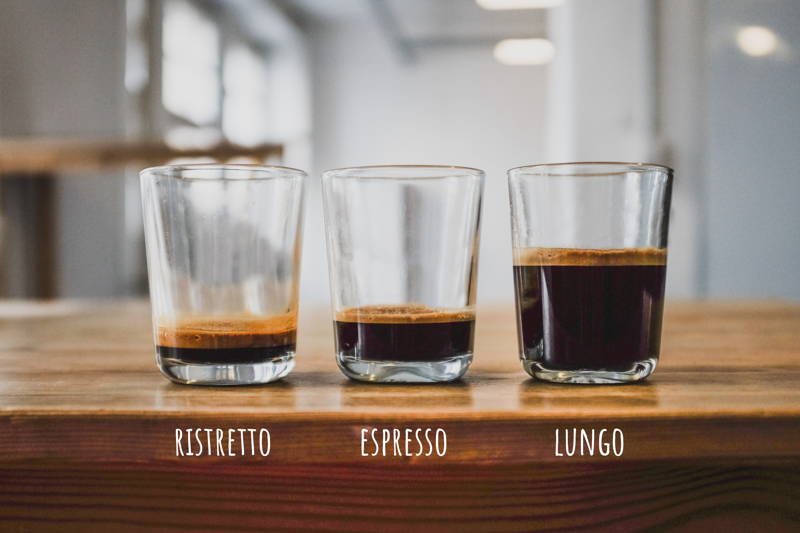
- Espresso: A concentrated coffee brewed by forcing hot water under pressure through a compacted puck of finely ground coffee. Typical café standard is about 1:2 brew ratio (for example, 18 grams of dry coffee to about 36 grams of liquid espresso) in roughly 25–30 seconds.
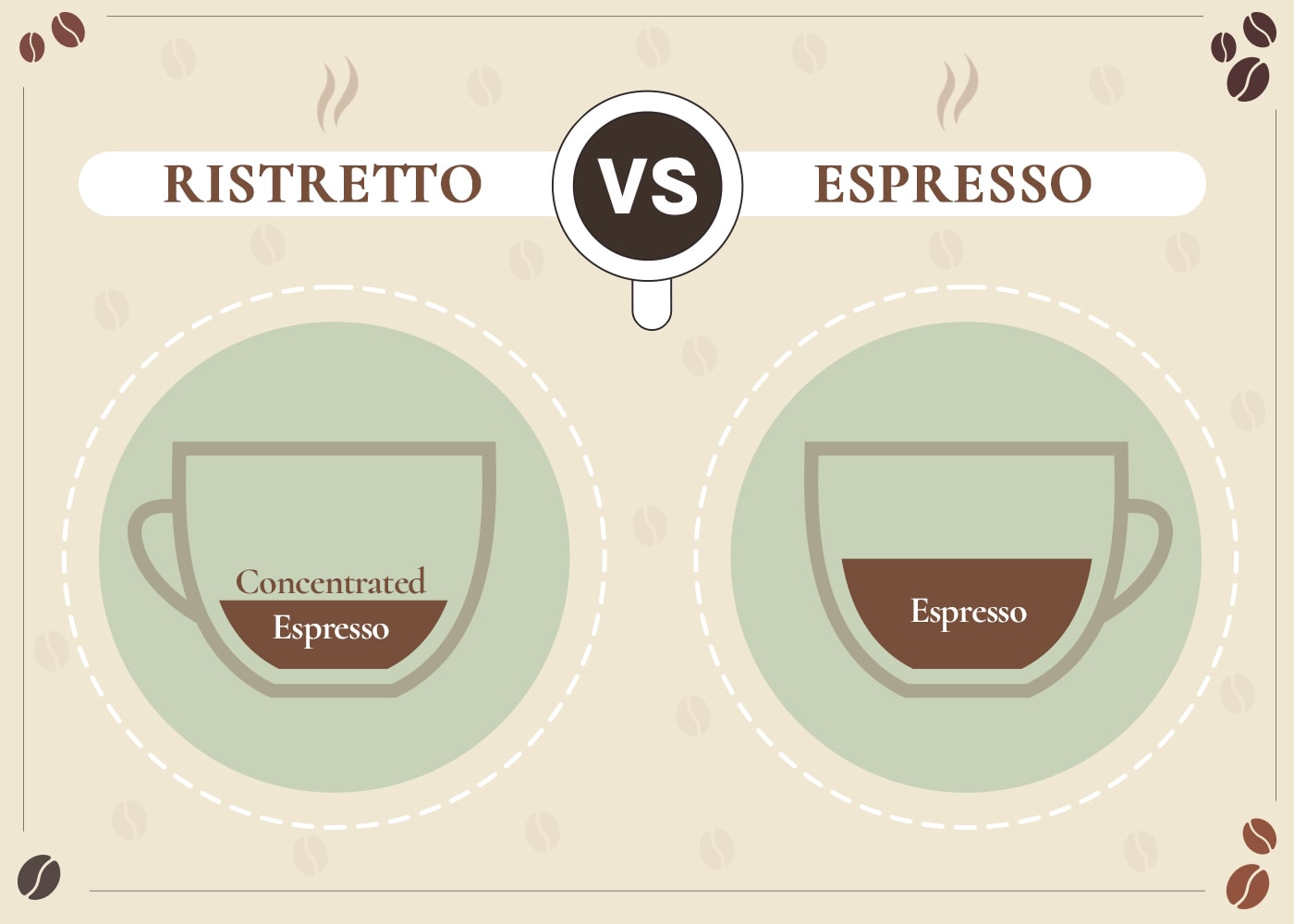
- Ristretto: Italian for restricted or short. It’s the same dose of coffee as espresso but a smaller yield, usually around a 1:1 to 1:1.5 ratio (for example, 18 grams in to 18–27 grams out), often in a similar or slightly shorter time.
In practice, ristretto tastes more syrupy, sweet, and intense, with less of the bitter and sour extremes. Espresso tends to be more balanced, layered, and aromatic across the full spectrum.
Source: cornercoffeestore.com
Key Differences At A Glance
- Dose: Same coffee weight for both.
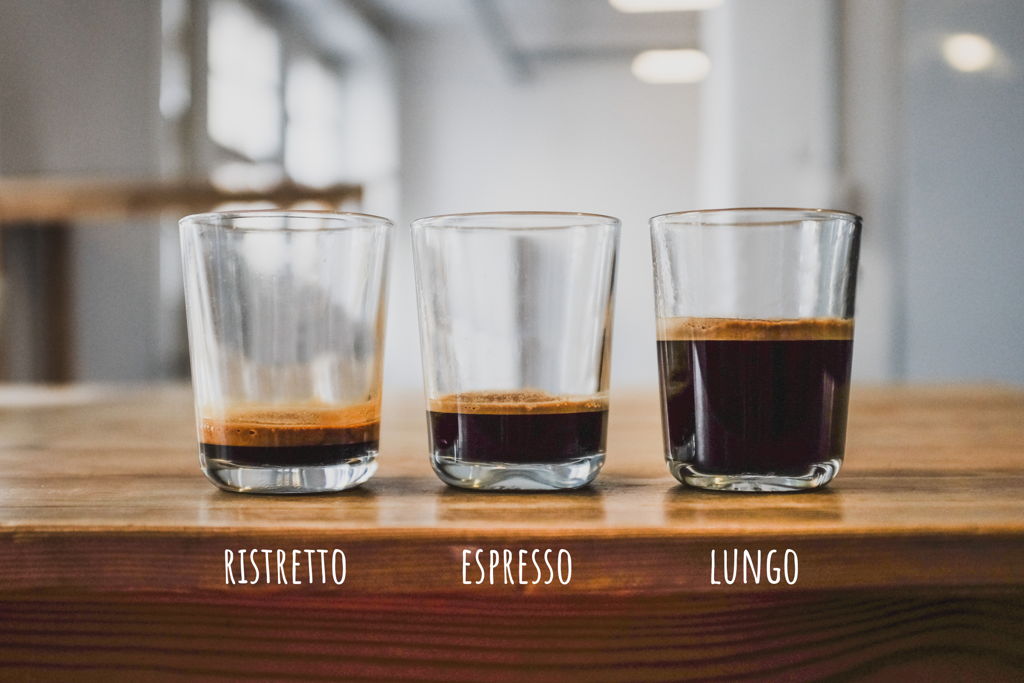
- Yield: Espresso is larger; ristretto is smaller.
- Ratio: Espresso around 1:2; ristretto around 1:1 to 1:1.5.
- Time: Often similar, but many baristas aim for a slightly shorter contact time for ristretto.
- Grind: Ristretto often needs a touch finer to maintain proper flow at a shorter yield.
- Taste: Ristretto is richer, heavier, and sweeter; espresso is more balanced and expressive.
- Use in drinks: Ristretto is great for straight shots and syrupy milk drinks; espresso offers clearer coffee character in larger milk drinks.
Source: www.coffeecircle.com
Variables That Create The Distinction
Dose
- Keep dose identical for both shots so you’re changing only yield and potentially grind. For many baskets, 17–20 grams is a sweet spot.
Grind Size
- Ristretto usually requires a slightly finer grind to prevent the shot from running too fast at a shorter yield. Finer grind increases resistance, enhancing extraction in early phases.
- Espresso needs a grind that supports a consistent 1:2 ratio in about 25–30 seconds with a steady flow.
Brew Ratio And Yield
- Espresso: 1:2 (e.g., 18 g in, 36 g out).
- Ristretto: 1:1 to 1:1.5 (e.g., 18 g in, 18–27 g out).
- Lower yield concentrates earlier-extracted compounds, shaping sweetness and body.
Time And Flow
- Target similar total shot times for both, adjusting grind to hit the yield you want. Many cafes pull ristrettos in roughly 20–28 seconds with a lower output, whereas espressos run 25–32 seconds at full yield.
Temperature And Pressure
- Standard ranges (around 9 bars and 90–96°C) work for both. Slightly higher temperature can increase extraction for lighter roasts, but be cautious with ristretto to avoid pushing harshness into an already concentrated shot.

Source: twochimpscoffee.com
Flavor, Body, Crema, And Caffeine Compared
Flavor
- Ristretto: Big sweetness, chocolaty or caramel notes, ripe fruit, low perceived bitterness. Acidity is present but wrapped in density.
- Espresso: Wider flavor bandwidth. You’ll notice more nuance from acidity to bitters, especially on medium to light roasts.
Body And Mouthfeel
- Ristretto: Syrupy, viscous, almost dessert-like.
- Espresso: Full but less syrupy, with clearer separation of flavors.
Crema
- Both produce crema, but ristretto’s crema often looks thicker due to concentration and shorter yield.
Caffeine
- Per shot, ristretto usually has slightly less caffeine than a full espresso because there’s less liquid overall. Per milliliter, ristretto is more caffeine-dense, but since the volume is smaller, the total dose is generally lower.
Aroma And Aftertaste
- Ristretto: Punchy upfront with a shorter, sweeter finish.
- Espresso: More aromatic complexity and a longer, evolving finish.
Source: www.coffeecircle.com
When To Choose Espresso Vs. Ristretto
- If you prefer bold, sweet, and low bitterness: Choose ristretto straight or in small milk drinks like macchiatos and cortados.
- If you enjoy layered complexity and clarity: Choose espresso as a straight shot or for larger milk drinks like lattes and flat whites.
- For lighter roasts with high acidity: Espresso often showcases nuance better; ristretto can sometimes mute delicate top notes.
- For darker roasts: Ristretto can spotlight sweetness and reduce harshness.
Practical pairing tips
- Chocolate-heavy blends: Shine as ristretto in cappuccinos.
- Fruity single origins: Often better as espresso to express terroir.
- Oat or almond milk: Ristretto’s syrupy body holds up nicely.
How I Dial In Each At Home And In The Café
My baseline recipes
- Espresso: 18 g in, 36 g out, 27–30 seconds, 93°C, 9 bars.
- Ristretto: 18 g in, 24–27 g out, 22–28 seconds, 93°C, 9 bars.
My process
- I start with espresso to find the sweet spot, then shorten the yield for ristretto while tightening the grind slightly.
- I taste for balance: if the ristretto is bland or hollow, I grind finer; if it’s harsh, I may coarsen slightly or lower temperature.
- I track results. A simple scale and a timer remove guesswork and make repeatability easy.
Real-life example
- With a medium roast Brazil-Peru blend, my espresso tasted nutty and balanced at 1:2. The ristretto at 1:1.3 turned it into liquid caramel that cut through milk beautifully. Lesson learned: some blends are built for ristretto comfort.
Common Mistakes And How To Fix Them
- Channeling and uneven puck prep: Distributes water unevenly and wrecks both espresso and ristretto. Fix with consistent distribution, a level tamp, and, if possible, a WDT tool.
- Chasing time instead of taste: Use time as a guide, not the goal. Let your tongue confirm the result.
- Ignoring yield: For ristretto, stop the shot by weight, not by color alone. Weighing is the difference between guessing and knowing.
- Using the same grind for both: Usually leads to under-extracted ristrettos. Nudge finer for ristretto.
- Overly dark roasts at high temperature: Can taste ashy. Drop temperature 1–2°C or shorten contact time.
Myths, Standards, And What The Science Says
- Myth: Ristretto is always more caffeinated. Reality: It’s more concentrated but typically lower in total caffeine due to the smaller volume.
- Myth: Ristretto is just an under-extracted espresso. Reality: Properly dialed ristretto extracts a different slice of the coffee’s soluble spectrum, emphasizing early, sweeter compounds without the harsher late-phase extractions.
- Industry guidance: Specialty coffee bodies define espresso within ranges of pressure, temperature, and ratio. Ristretto is recognized as a shorter, restricted espresso within those parameters.
- Extraction science: Lower yield concentrates early-extracted solubles like simple sugars and certain aromatics. Longer yields bring in more bitter compounds and astringency; that’s why a standard espresso can taste more complex but also more polarizing.
Frequently Asked Questions Of Espresso Vs. Ristretto: What’s The Distinction?
Is Ristretto Just A Smaller Espresso?
No. It’s a shorter extraction with the same dose, designed to capture a sweeter, denser flavor profile at a lower yield.
Which Has More Caffeine, Espresso Or Ristretto?
Per milliliter, ristretto is more concentrated. Per shot, espresso usually delivers more total caffeine because it’s a larger volume.
Should I Change The Grind For Ristretto?
Usually yes. Go slightly finer so the flow rate and extraction stay in balance at the shorter yield.
What’s The Best Ratio For Ristretto?
A reliable starting point is 1:1 to 1:1.5. For example, 18 grams in to 18–27 grams out.
Does Ristretto Taste Better In Milk Drinks?
Many people love ristretto in smaller milk drinks because its syrupy sweetness cuts through milk. For larger drinks, a standard espresso often provides better balance.
Can I Pull A Ristretto On Any Espresso Machine?
Yes, as long as you can control grind size and stop the shot by weight or time. A good grinder and a scale make the biggest difference.
Why Does My Ristretto Taste Sour?
Likely under-extracted. Try a finer grind, slightly higher temperature, or a small increase in yield toward 1:1.3–1:1.5.
Conclusion
Espresso and ristretto are siblings, not twins. Same coffee, same machine—different yield, different expression. If you want layered nuance, stick with a 1:2 espresso. If you crave syrupy sweetness and intensity, go ristretto around 1:1–1:1.5. Start with a consistent dose, adjust grind to control flow, and stop the shot by weight. Then taste, tweak, and trust your palate.
If this guide helped, try dialing in both styles this week, share your results, and subscribe for more practical coffee deep dives. Have a question or a favorite recipe? Drop it in the comments.
Watch This Video on Espresso vs. Ristretto: what’s the distinction?