
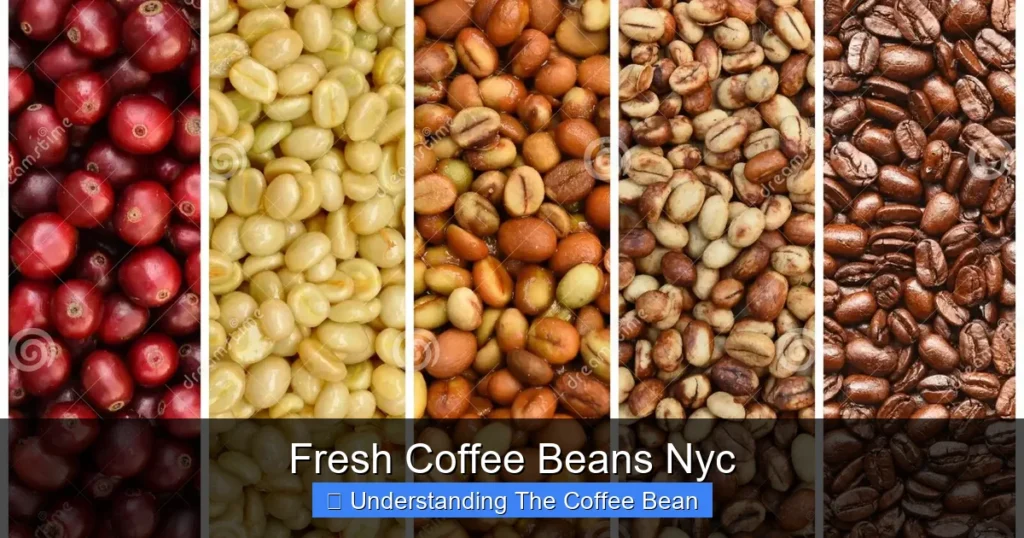
Fresh coffee beans in NYC are more than a trend—they’re a movement toward quality, flavor, and sustainability. From local roasters in Brooklyn to specialty shops in Manhattan, the city offers some of the finest freshly roasted beans in the world.
Key Takeaways
- Freshness is everything: Coffee beans are at their peak flavor within 2–4 weeks of roasting. Buying fresh ensures maximum aroma and taste.
- NYC is a roasting hub: The city is home to dozens of small-batch roasters who prioritize quality, ethical sourcing, and unique flavor profiles.
- Grind just before brewing: Pre-ground coffee loses flavor quickly. Invest in a good grinder for the best results.
- Know your roast date: Always check the roast date on the bag—avoid beans older than a month.
- Explore local roasters: Neighborhoods like Williamsburg, Bushwick, and the Lower East Side are hotspots for artisanal coffee.
- Brewing method matters: Different methods (pour-over, French press, espresso) bring out different notes in fresh beans.
- Support sustainable practices: Many NYC roasters focus on direct trade and eco-friendly packaging.
📑 Table of Contents
- Why Fresh Coffee Beans Matter in NYC
- The Rise of Artisanal Coffee Roasting in New York City
- How to Identify Truly Fresh Coffee Beans
- Best Neighborhoods in NYC for Fresh Coffee Beans
- How to Store Fresh Coffee Beans for Maximum Freshness
- Brewing Methods That Highlight Fresh Beans
- Supporting Sustainability and Ethical Sourcing
- Conclusion: Elevate Your Coffee Experience with Fresh Beans in NYC
Why Fresh Coffee Beans Matter in NYC
There’s something magical about walking into a cozy coffee shop in New York City and being hit with the rich, inviting aroma of freshly roasted coffee beans. It’s not just a scent—it’s a promise of quality, care, and craftsmanship. In a city that never sleeps, coffee is the fuel that keeps millions going, and the demand for high-quality, fresh coffee beans has never been higher.
But what makes fresh coffee beans so special? It all comes down to flavor. Coffee beans are at their best within days of being roasted. During this window, they release aromatic compounds that give your cup its complex notes—fruity, nutty, chocolatey, or floral. Once those compounds fade, the coffee tastes flat and dull. That’s why buying fresh beans is the first step to brewing a truly exceptional cup at home.
In NYC, the coffee culture has evolved far beyond chain cafes and gas station brews. Today’s coffee lovers are connoisseurs. They care about origin, roast level, and how their beans were sourced. They want to know the story behind their coffee. And they’re willing to seek out the best. This shift has given rise to a vibrant community of independent roasters, each with their own philosophy and passion for the craft.
The Rise of Artisanal Coffee Roasting in New York City

Visual guide about Fresh Coffee Beans Nyc
Image source: cooperscoffeeco.com
Over the past decade, New York City has become a hotspot for artisanal coffee roasting. What started as a niche movement has grown into a full-fledged industry, with roasteries popping up in neighborhoods from Greenpoint to Harlem. These aren’t just places to buy beans—they’re destinations for coffee education, community, and innovation.
One reason for this boom is the city’s diverse population. New Yorkers come from all over the world, bringing with them different coffee traditions and tastes. This diversity has inspired roasters to experiment with unique blends, single-origin offerings, and innovative roasting techniques. Whether you’re into bright Ethiopian beans or rich, smoky Sumatrans, you’ll find something that speaks to your palate.
Another factor is the growing emphasis on sustainability and ethical sourcing. Many NYC roasters work directly with farmers in countries like Colombia, Ethiopia, and Guatemala. This direct trade model ensures farmers are paid fairly and that the beans are grown using environmentally responsible practices. It also allows roasters to have more control over quality, resulting in a better product for consumers.
Notable NYC Roasters to Know
If you’re serious about fresh coffee beans, here are a few standout roasters in NYC that are worth your attention:
– **Sey Coffee (Brooklyn):** Known for their light-roast, single-origin coffees, Sey focuses on clarity and terroir. Their minimalist aesthetic and commitment to transparency have earned them a loyal following.
– **Partners Coffee (Brooklyn & Manhattan):** With multiple locations across the city, Partners offers a rotating selection of fresh beans, often featuring rare and experimental lots.
– **Birch Coffee (Multiple Locations):** A local favorite, Birch Coffee roasts in-house and emphasizes community and sustainability. Their beans are consistently fresh and flavorful.
– **Joe Coffee Company (Multiple Locations):** A pioneer in the NYC specialty coffee scene, Joe Coffee has been roasting high-quality beans since 2003. They offer a wide range of single-origin and blended options.
– **Café Grumpy (Multiple Locations):** One of the first wave of NYC specialty roasters, Café Grumpy is known for their balanced, approachable coffees and strong relationships with farmers.
These roasters don’t just sell coffee—they educate. Many offer cupping sessions, brewing workshops, and even tours of their roasting facilities. It’s a great way to deepen your understanding of what makes great coffee.
How to Identify Truly Fresh Coffee Beans
Not all coffee labeled “fresh” is actually fresh. Some brands use vague terms like “roasted recently” or “best by” dates that don’t tell you when the beans were actually roasted. To make sure you’re getting the real deal, here’s what to look for:
First, always check the roast date. This should be clearly printed on the bag, usually near the top or bottom. Avoid any coffee that doesn’t have a roast date—it’s a red flag. Fresh beans should be consumed within 2–4 weeks of roasting for optimal flavor.
Second, look for a one-way valve on the bag. This small plastic vent allows carbon dioxide (a natural byproduct of roasting) to escape without letting oxygen in. Oxygen is the enemy of freshness—it causes coffee to stale quickly. A valve is a sign that the roaster cares about preserving quality.
Third, consider the packaging. High-quality roasters often use resealable, opaque bags with UV protection. Light and air are both harmful to coffee, so dark, airtight packaging helps maintain freshness.
Finally, trust your senses. When you open a bag of fresh coffee, you should be greeted with a strong, pleasant aroma. If it smells weak or musty, the beans are likely old. Fresh beans also have a slight sheen from natural oils—especially if they’re medium to dark roast. If the beans look dull and dry, they’ve probably been sitting around too long.
Signs Your Coffee Isn’t Fresh
Even if a bag claims to be fresh, there are telltale signs that the beans have passed their prime:
– **No roast date:** If you can’t find a roast date, assume the beans aren’t fresh.
– **Stale smell:** Fresh coffee should smell vibrant and aromatic. If it smells like cardboard or nothing at all, it’s past its peak.
– **Flat taste:** Even with proper brewing, old coffee tastes dull and lifeless.
– **No bloom:** When you add hot water to fresh coffee grounds, they should “bloom”—release a burst of bubbles as CO2 escapes. If there’s no bloom, the beans are likely stale.
By learning to spot these signs, you can avoid disappointment and ensure every cup you brew is as delicious as possible.
Best Neighborhoods in NYC for Fresh Coffee Beans
New York City is a patchwork of neighborhoods, each with its own coffee culture. If you’re on the hunt for the freshest beans, here are some areas to explore:
Williamsburg, Brooklyn
Williamsburg is arguably the epicenter of NYC’s coffee revolution. This trendy neighborhood is packed with independent cafes and roasteries, many of which roast on-site. Walking down Bedford Avenue, you’ll pass shops like Sey Coffee and Variety Coffee Roasters, both known for their commitment to quality and innovation.
What makes Williamsburg special is the sense of community. Many roasters here host events, collaborate with local artists, and even offer subscription services so you can get fresh beans delivered to your door. It’s a place where coffee is more than a drink—it’s a lifestyle.
Bushwick, Brooklyn
Just a few stops away on the L train, Bushwick has emerged as a creative hub with a growing coffee scene. Here, you’ll find roasters like Coffee Project and Sweetleaf, which combine artisanal brewing with a laid-back, industrial vibe. Bushwick’s coffee shops often double as galleries or performance spaces, making them perfect for a slow morning with a great cup.
Lower East Side, Manhattan
The Lower East Side blends old-world charm with modern coffee culture. Historic tenement buildings now house sleek cafes like La Colombe and Abraço, where the espresso is strong and the beans are always fresh. This neighborhood is ideal if you want to experience the best of both worlds—classic New York with a specialty coffee twist.
Greenpoint, Brooklyn
Greenpoint offers a quieter, more residential coffee experience. Roasteries like Oslo Coffee Roasters and Café Grumpy have outposts here, serving up expertly roasted beans in cozy, unpretentious settings. It’s a great spot if you want to escape the crowds and enjoy a peaceful cup.
Harlem, Manhattan
Harlem’s coffee scene is on the rise, with spots like Birch Coffee and Bean & Bean bringing fresh, high-quality beans to the neighborhood. These cafes often emphasize community and inclusivity, making them welcoming spaces for all.
No matter where you are in the city, there’s likely a roaster nearby serving up fresh, delicious coffee. The key is to explore, ask questions, and support local businesses.
How to Store Fresh Coffee Beans for Maximum Freshness
Buying fresh coffee beans is only half the battle—how you store them matters just as much. Even the best beans will lose their flavor if not stored properly. Here’s how to keep your coffee tasting its best:
First, avoid the fridge or freezer. While it might seem like a good idea to keep beans cold, moisture and temperature fluctuations can damage them. Condensation forms when you take beans out of the freezer, and that moisture can ruin the flavor. Plus, coffee absorbs odors easily, so storing it next to your frozen peas is a bad idea.
Instead, keep your beans in a cool, dark, and dry place. A pantry or cupboard away from the stove or window is ideal. Light, heat, and humidity are all enemies of freshness.
Use an airtight container. While the original bag with a one-way valve is fine for short-term storage, transferring beans to a sealed container helps protect them from air exposure. Look for containers made of ceramic, glass, or stainless steel with a tight-fitting lid.
Only buy what you can use in 1–2 weeks. Coffee starts to lose its peak flavor after about a month, so it’s better to buy smaller amounts more frequently than to stock up. Many roasters offer subscription services that deliver fresh beans on a regular schedule—perfect for maintaining a steady supply.
Pro Tip: Grind Just Before Brewing
One of the biggest mistakes coffee drinkers make is buying pre-ground coffee. Once beans are ground, they begin to lose flavor rapidly due to increased surface area exposure to air. For the best taste, invest in a good burr grinder and grind your beans just before brewing.
Burr grinders are superior to blade grinders because they produce a consistent grind size, which is essential for even extraction. Whether you’re using a French press, pour-over, or espresso machine, the right grind size makes all the difference.
Brewing Methods That Highlight Fresh Beans
Fresh coffee beans deserve a brewing method that brings out their full potential. Different techniques highlight different flavor notes, so experimenting can be part of the fun. Here are a few popular methods and how they work with fresh beans:
Pour-Over (e.g., Chemex, V60)
Pour-over brewing is all about precision and control. You pour hot water over freshly ground coffee in a slow, circular motion, allowing the water to extract flavor evenly. This method highlights the bright, nuanced notes in light and medium roasts—perfect for single-origin beans from Ethiopia or Kenya.
To get the best results, use a gooseneck kettle for better control and aim for a water temperature of 195–205°F. A 1:16 coffee-to-water ratio (e.g., 20g coffee to 320g water) is a good starting point.
French Press
The French press is a favorite for its simplicity and rich, full-bodied results. Coarse-ground coffee steeps in hot water for 4 minutes before being pressed down. This method works well with medium to dark roasts and brings out chocolatey, nutty flavors.
Because the coffee grounds are fully immersed, the French press extracts more oils and sediment, giving the cup a heavier mouthfeel. It’s a great choice if you enjoy a bold, robust brew.
Espresso
Espresso is all about intensity. Finely ground coffee is forced through hot water under high pressure, creating a concentrated shot with a creamy layer of crema on top. Fresh beans are essential for espresso—stale beans won’t produce the rich, complex flavors that make espresso special.
If you have an espresso machine at home, make sure your grinder can produce a fine, consistent grind. Tamping pressure and water temperature also play key roles in pulling a great shot.
Cold Brew
Cold brew is made by steeping coarse-ground coffee in cold water for 12–24 hours. The result is a smooth, low-acid coffee that’s perfect for iced drinks. Because the extraction is slow and gentle, cold brew highlights the natural sweetness of fresh beans without bitterness.
Use a 1:8 coffee-to-water ratio and let it steep in the fridge. Once filtered, dilute with water or milk to taste. Cold brew made with fresh beans is a refreshing treat, especially on a hot NYC summer day.
Supporting Sustainability and Ethical Sourcing
When you buy fresh coffee beans in NYC, you’re not just treating yourself—you’re supporting a broader movement toward ethical and sustainable practices. Many local roasters are deeply committed to fair trade, direct sourcing, and environmental responsibility.
Direct trade means roasters build long-term relationships with farmers, often visiting farms in person to ensure quality and fairness. This model cuts out middlemen, allowing farmers to earn more while roasters get better beans. It’s a win-win.
Sustainability also extends to packaging. More roasters are using compostable or recyclable bags, reducing plastic waste. Some even offer discounts if you bring your own container.
By choosing to buy from roasters who prioritize ethics and sustainability, you’re helping to create a more equitable and environmentally friendly coffee industry.
Conclusion: Elevate Your Coffee Experience with Fresh Beans in NYC
Fresh coffee beans are the heart of a great cup of coffee. In New York City, where the pace is fast and the standards are high, having access to freshly roasted, ethically sourced beans is a game-changer. Whether you’re sipping a pour-over in Williamsburg or enjoying an espresso in the Lower East Side, the quality of your beans makes all the difference.
The journey to better coffee starts with awareness—knowing what freshness looks and smells like, understanding how to store and brew your beans, and supporting roasters who care about quality and sustainability. It’s not just about taste; it’s about connection—to the farmers who grow the beans, the roasters who craft them, and the community that shares them.
So next time you’re craving coffee, skip the stale supermarket blend and seek out a local roaster. Your taste buds—and the planet—will thank you.
Frequently Asked Questions
How long do fresh coffee beans last?
Fresh coffee beans are at their best within 2–4 weeks of roasting. After that, they begin to lose flavor and aroma. Always check the roast date and store beans properly to extend their shelf life.
Where can I buy fresh coffee beans in NYC?
You can buy fresh coffee beans at local roasteries like Sey Coffee, Partners Coffee, and Birch Coffee, as well as many independent cafes and farmers markets across the city.
Should I store coffee beans in the fridge?
No, storing coffee beans in the fridge or freezer is not recommended. Moisture and temperature changes can damage the beans. Instead, keep them in an airtight container in a cool, dark place.
What’s the best way to grind coffee beans?
The best way is to use a burr grinder and grind the beans just before brewing. This ensures a consistent grind size and preserves the coffee’s fresh flavor.
How do I know if coffee beans are fresh?
Look for a roast date on the bag, a one-way valve, and a strong, pleasant aroma when opened. Fresh beans should also have a slight sheen and bloom when brewed.
What brewing method is best for fresh coffee beans?
It depends on your taste. Pour-over highlights bright, nuanced flavors, French press delivers a rich body, espresso offers intensity, and cold brew provides a smooth, low-acid option.