
Geisha coffee beans have taken New York City by storm, captivating coffee lovers with their floral, tea-like elegance and complex flavor notes. Once a hidden gem from Panama, this rare varietal is now celebrated in NYC’s top cafes and specialty roasteries, offering a luxurious coffee experience that’s as unique as the city itself.
If you’ve ever sipped a cup of coffee that tasted like walking through a garden in full bloom—jasmine in the air, ripe mango on the breeze, and a hint of bergamot lingering on your tongue—you might have tasted Geisha. And if you’re in New York City, you’re in one of the best places in the world to experience it. Geisha coffee beans, once a rare curiosity, have become a symbol of excellence in NYC’s thriving specialty coffee scene. From minimalist Brooklyn cafes to high-end Manhattan roasteries, this delicate, aromatic bean is redefining what coffee can be.
But what makes Geisha so special? And why has it become such a sensation in a city known for its fast pace and bold flavors? The answer lies in its unique flavor profile, fascinating origin story, and the meticulous care that goes into growing, processing, and brewing it. In this guide, we’ll dive deep into the world of Geisha coffee beans in NYC—exploring where they come from, how they’re roasted, where to find them, and how to brew them at home. Whether you’re a seasoned coffee connoisseur or just curious about what all the buzz is about, this article will give you everything you need to know.
Key Takeaways
- Geisha coffee beans originated in Ethiopia but gained global fame in Panama. Their journey to NYC highlights the city’s role as a hub for specialty coffee innovation.
- Known for floral, jasmine, and tropical fruit notes, Geisha offers a delicate, tea-like body. This makes it a favorite among pour-over and light roast enthusiasts.
- NYC is home to some of the world’s best Geisha-focused roasters and cafes. Places like Sey Coffee, Sey, and Devoción source and roast these beans with precision.
- Geisha beans are expensive due to limited supply and high demand. Expect to pay $20–$50 per 12 oz bag, depending on the farm and processing method.
- Proper brewing is essential to unlock Geisha’s full potential. Use a gooseneck kettle, precise water temperature (195–205°F), and a slow pour for best results.
- Sustainability and ethical sourcing are key in the Geisha supply chain. Many NYC roasters prioritize direct trade relationships with Panamanian farmers.
- Geisha is more than a coffee—it’s a cultural experience. Tasting it in NYC connects you to a global story of craftsmanship and passion.
📑 Table of Contents
The Origins of Geisha Coffee Beans
To truly appreciate Geisha coffee, you have to go back to the beginning. The Geisha varietal—also spelled Gesha—originated in the highlands of Ethiopia, specifically in the Gori Gesha forest near the town of Gesha. It was first discovered in the 1930s by British colonists who were searching for new coffee varieties to cultivate. The beans were collected, transported to Tanzania, and eventually made their way to Costa Rica for further study. For decades, Geisha remained a relatively obscure varietal, grown in small quantities and largely overlooked by the global coffee industry.
That changed in the early 2000s, when Panamanian farmer Daniel Peterson of Hacienda La Esmeralda decided to enter a batch of Geisha beans into the prestigious Best of Panama competition. To everyone’s surprise—including his own—the coffee won first place, scoring an unprecedented 94.7 points. The win sent shockwaves through the coffee world. Suddenly, everyone wanted to know more about this mysterious bean with its explosive floral and fruity flavors. The 2004 auction of that winning lot set a record price of $21 per pound, a staggering amount at the time for green coffee.
From there, Geisha’s reputation soared. Farmers across Panama began planting the varietal at high altitudes in the Boquete region, where cool temperatures, rich volcanic soil, and ample rainfall created the perfect conditions for slow, even maturation. The result? Beans with extraordinary complexity, brightness, and aroma. Today, Panama remains the epicenter of Geisha production, though it’s now also grown in Colombia, Honduras, and even Ethiopia, where it originated.
Why Geisha Stands Out
What sets Geisha apart from other coffee varietals isn’t just its flavor—it’s the sheer intensity and clarity of its sensory experience. Most coffee beans offer a balance of sweetness, acidity, and body, but Geisha takes it to another level. When brewed correctly, it delivers a cup that’s more akin to a fine tea or a glass of aromatic wine than traditional coffee.
The flavor profile is often described as floral, with strong notes of jasmine, honeysuckle, and orange blossom. On the palate, you might detect hints of tropical fruit—think mango, papaya, and passionfruit—along with a bright, wine-like acidity and a clean, lingering finish. Some lots even show notes of bergamot, lychee, or even green tea. The body is typically light to medium, with a silky texture that coats the tongue without being heavy.
This complexity comes from the bean’s genetics and the environment in which it’s grown. Geisha plants are tall and delicate, with long leaves and narrow beans. They’re also more susceptible to disease and require careful handling. But when grown at high altitudes—often above 1,500 meters—and processed with precision, the result is a coffee that’s unlike anything else.
Geisha Coffee in New York City: A Love Story

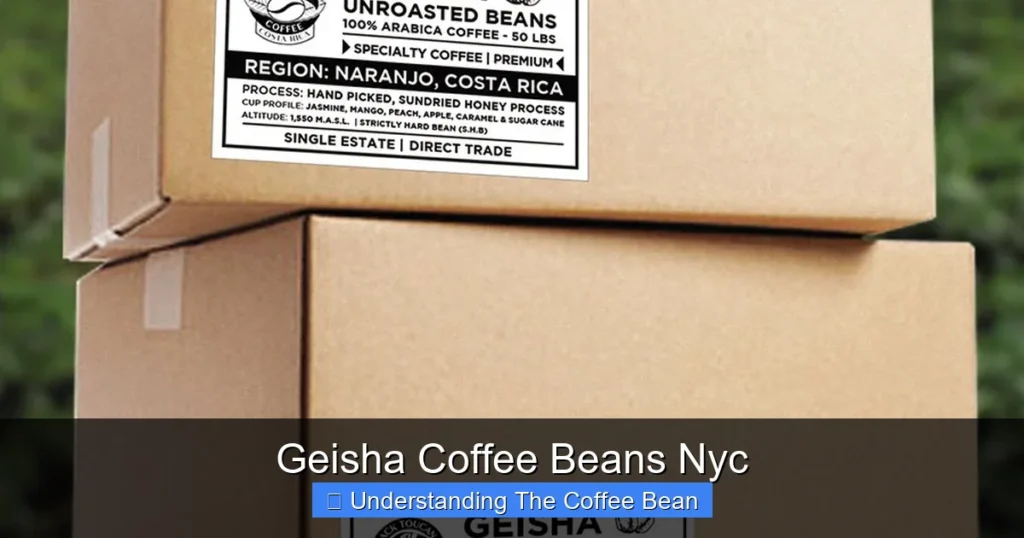
Visual guide about Geisha Coffee Beans Nyc
Image source: homegrounds.co
New York City has long been a cultural melting pot, and its coffee scene is no exception. From the classic diner brew to the third-wave specialty cafes that have popped up in every borough, NYC has embraced coffee as both a daily ritual and an art form. In recent years, that artistry has found a perfect muse in Geisha coffee beans.
The city’s deep appreciation for craftsmanship, innovation, and global flavors has made it a natural home for Geisha. Roasters and baristas in NYC have been at the forefront of sourcing, roasting, and brewing this rare bean, often traveling directly to Panama to build relationships with farmers and secure the best lots. The result is a vibrant ecosystem where Geisha is not just a luxury item, but a celebrated part of the coffee culture.
Top NYC Roasters and Cafes for Geisha
If you’re looking to experience Geisha coffee in NYC, you’re in luck. The city is home to some of the most respected specialty coffee roasters in the world, many of which offer Geisha beans seasonally or through limited releases. Here are a few standout spots:
Sey Coffee (Brooklyn): Known for their minimalist aesthetic and commitment to transparency, Sey sources directly from small farms in Panama and Ethiopia. Their Geisha offerings are often light-roasted to preserve the bean’s delicate floral notes. They also host cupping sessions where you can taste multiple Geisha lots side by side.
Devoción (Williamsburg and Flatiron): This roastery is famous for its “farm-to-cup” model, flying in fresh green coffee directly from Colombian farms. While their focus is primarily on Colombian beans, they occasionally offer Panamanian Geisha during peak harvest seasons. Their cafes serve pour-over Geisha with a side of story—each cup comes with information about the farmer and farm.
Joe Coffee (Multiple locations): A staple in NYC’s coffee scene, Joe Coffee has been roasting high-quality beans for over two decades. They’ve featured Geisha from Hacienda La Esmeralda and other top Panamanian farms, often highlighting the processing method (washed, natural, or honey) on their menu.
Toby’s Estate (Williamsburg): Originally from Australia, Toby’s brings a global perspective to NYC. They’ve offered Geisha beans from Panama and Ethiopia, with a focus on balanced roasting that enhances sweetness and acidity without overpowering the natural flavors.
Hi-Collar (East Village): This Japanese-inspired cafe is known for its meticulous pour-over service. Their Geisha offerings are often brewed with a V60 or Kalita Wave, allowing the nuanced flavors to shine. The staff is knowledgeable and happy to guide you through the tasting notes.
These cafes don’t just serve coffee—they create experiences. Many offer guided tastings, brewing workshops, and even farm tours via video call, connecting customers directly to the source.
The Rise of Geisha in NYC’s Coffee Culture
Geisha’s popularity in NYC isn’t just about taste—it’s about storytelling. In a city where authenticity and origin matter, Geisha offers a narrative that resonates. It’s a bean with history, mystery, and a touch of luxury. For many New Yorkers, sipping a cup of Geisha is like taking a mini-vacation to the highlands of Panama, even if you’re sitting in a subway-adjacent cafe in Queens.
The rise of Geisha has also pushed the boundaries of what coffee can be. It’s inspired roasters to experiment with processing methods—like anaerobic fermentation or carbonic maceration—to bring out even more complex flavors. It’s encouraged cafes to invest in high-end brewing equipment and train their baristas to precision standards. And it’s sparked conversations about sustainability, fair trade, and the future of coffee farming.
In a way, Geisha has become a symbol of NYC’s evolving coffee identity: global, innovative, and deeply passionate.
Understanding Geisha Coffee: Flavor, Processing, and Roasting
To truly appreciate Geisha coffee, it helps to understand the factors that shape its flavor. From the way the beans are processed to how they’re roasted, every step plays a role in the final cup.
Processing Methods and Their Impact
Coffee processing refers to how the fruit surrounding the bean is removed after harvesting. The three main methods—washed, natural, and honey—each produce distinct flavor profiles in Geisha.
Washed Processing: In this method, the coffee cherry is pulped, fermented to remove the mucilage, and then washed clean. The result is a clean, bright cup with pronounced acidity and floral notes. Washed Geisha often tastes like jasmine tea with hints of citrus and stone fruit. This method is popular among Panamanian farms for its consistency and clarity.
Natural Processing: Here, the whole cherry is dried in the sun, allowing the bean to absorb sugars from the fruit. Natural Geisha tends to be fruitier and sweeter, with notes of blueberry, mango, and even wine. It’s bolder and more fermented, but can be polarizing due to its intense flavors.
Honey Processing: A hybrid method where some of the mucilage is left on the bean during drying. The result is a balance between washed and natural—sweet and fruity, but still clean. Honey-processed Geisha often has notes of peach, honey, and tropical flowers.
Each method highlights different aspects of the bean, so trying multiple processing styles is a great way to explore Geisha’s range.
Roasting Geisha: A Delicate Art
Roasting Geisha is not like roasting other beans. Because of its delicate flavor profile, it requires a light to medium roast to preserve its floral and fruity characteristics. Over-roasting can mask the subtle notes and turn the coffee bitter or smoky.
Most specialty roasters in NYC use a light roast for Geisha, aiming to highlight its natural sweetness and acidity. The roast curve is carefully controlled—slow drying, gentle development, and a quick drop to avoid overdevelopment. The goal is to bring out the bean’s inherent qualities without adding roast flavor.
Some roasters also experiment with “development time”—the phase where the bean develops its sweetness and body. A shorter development time can preserve brightness, while a longer one can add body and complexity. It’s a fine balance, and one that requires skill and experience.
Seasonality and Availability
Geisha is a seasonal coffee. In Panama, the harvest typically runs from December to April, with the best lots available in early spring. Because of its limited supply and high demand, Geisha is often released in small batches and sells out quickly.
In NYC, you’ll usually find Geisha on menus from March to June, though some roasters may offer it earlier or later depending on the harvest. It’s common to see “Geisha of the Month” programs or limited-edition releases, especially during coffee festivals or cupping events.
If you’re planning to try Geisha, it’s worth checking roaster websites or following them on social media for updates. Many announce new arrivals with tasting notes, farm stories, and brewing tips.
How to Brew Geisha Coffee at Home
One of the joys of Geisha coffee is that you don’t need to visit a fancy cafe to enjoy it. With the right tools and techniques, you can brew an exceptional cup at home. The key is to treat it like the delicate, nuanced bean it is.
Choosing the Right Brewing Method
Geisha shines with pour-over methods that allow for precise control over water flow and extraction. The most popular options include:
V60: Known for its cone shape and spiral ridges, the V60 produces a clean, bright cup with high clarity. It’s ideal for highlighting Geisha’s floral and fruity notes.
Kalita Wave: With its flat bottom and three small holes, the Kalita Wave offers a more even extraction and a slightly fuller body. It’s a great choice if you prefer a balanced, tea-like cup.
Chemex: The thick paper filter removes oils and sediments, resulting in a very clean, crisp brew. It’s perfect for showcasing Geisha’s delicate aromatics.
While espresso can be used, it’s less common for Geisha due to its light body and subtle flavors. If you do try it, use a light roast and a low dose to avoid overpowering the cup.
Brewing Tips for the Best Cup
Here’s a simple guide to brewing Geisha at home:
Grind Size: Use a medium-fine grind, similar to table salt. Too fine, and you’ll over-extract; too coarse, and the flavors won’t develop.
Water Temperature: Aim for 195–205°F (90–96°C). Water that’s too hot can scorch the delicate flavors.
Ratio: Start with a 1:16 coffee-to-water ratio (e.g., 20g coffee to 320g water). Adjust to taste.
Pouring Technique: Use a gooseneck kettle for control. Start with a 30–45 second bloom (pour just enough water to wet the grounds), then pour in slow, circular motions. Total brew time should be 2.5–3.5 minutes.
Freshness: Use beans roasted within the last 2–4 weeks. Grind just before brewing for maximum aroma.
Pairing and Serving Suggestions
Geisha is best enjoyed black to appreciate its full flavor profile. But if you’re new to light-roast coffee, you might find it too acidic at first. Try pairing it with a light snack—like a lemon tart or fresh fruit—to balance the brightness.
Serve it in a pre-warmed cup to maintain temperature, and take small sips to let the flavors unfold. Many coffee lovers describe the experience as “sipping a bouquet”—each sip reveals something new.
The Future of Geisha Coffee in NYC
As demand for specialty coffee grows, so does the future of Geisha in NYC. But with that growth comes challenges. Climate change, rising production costs, and the risk of over-commercialization threaten the sustainability of Geisha farming. In response, many NYC roasters are doubling down on ethical sourcing and farmer support.
Direct trade relationships are becoming more common, with roasters visiting farms, paying premium prices, and sharing profits with growers. Some are even investing in climate-resilient farming practices, like shade-grown cultivation and water conservation.
At the same time, innovation continues. New processing techniques, experimental roasts, and hybrid varietals are expanding what Geisha can be. And as more people discover its magic, the culture around it is evolving—from exclusive tastings to community cuppings in neighborhood cafes.
In the end, Geisha coffee beans in NYC represent more than just a trend. They’re a testament to the power of craft, connection, and curiosity. Whether you’re sipping it in a sunlit Brooklyn cafe or brewing it at home on a rainy Sunday, you’re part of a global story—one that’s still being written, one cup at a time.
Frequently Asked Questions
What makes Geisha coffee beans so expensive?
Geisha beans are costly due to limited supply, high labor costs, and exceptional quality. The varietal is delicate and difficult to grow, and top lots often sell for hundreds of dollars per pound at auction. In NYC, retail prices reflect this rarity and the care taken in sourcing and roasting.
Where can I buy Geisha coffee beans in NYC?
You can find Geisha beans at specialty roasters like Sey Coffee, Devoción, Joe Coffee, and Toby’s Estate. Many sell online and in-store, with seasonal releases. Check their websites for availability and tasting notes.
Is Geisha coffee only from Panama?
While Panama is the most famous producer, Geisha is now grown in Ethiopia, Colombia, Honduras, and other countries. However, Panamanian Geisha—especially from Boquete—remains the gold standard for flavor and consistency.
How should I store Geisha coffee beans?
Store Geisha beans in an airtight container away from light, heat, and moisture. Keep them in a cool, dark place and avoid the fridge or freezer, which can cause condensation and degrade flavor. Use within 2–4 weeks of roasting.
Can I brew Geisha with a French press?
Yes, but it’s not ideal. French press brewing can mute Geisha’s delicate floral notes due to the immersion method and metal filter. For best results, use a pour-over method like V60 or Kalita Wave.
Is Geisha coffee naturally caffeinated?
Yes, Geisha contains caffeine like all coffee beans. However, its light body and floral profile may make it feel less intense than darker roasts. A typical 8 oz cup has about 95 mg of caffeine, similar to other arabica beans.