
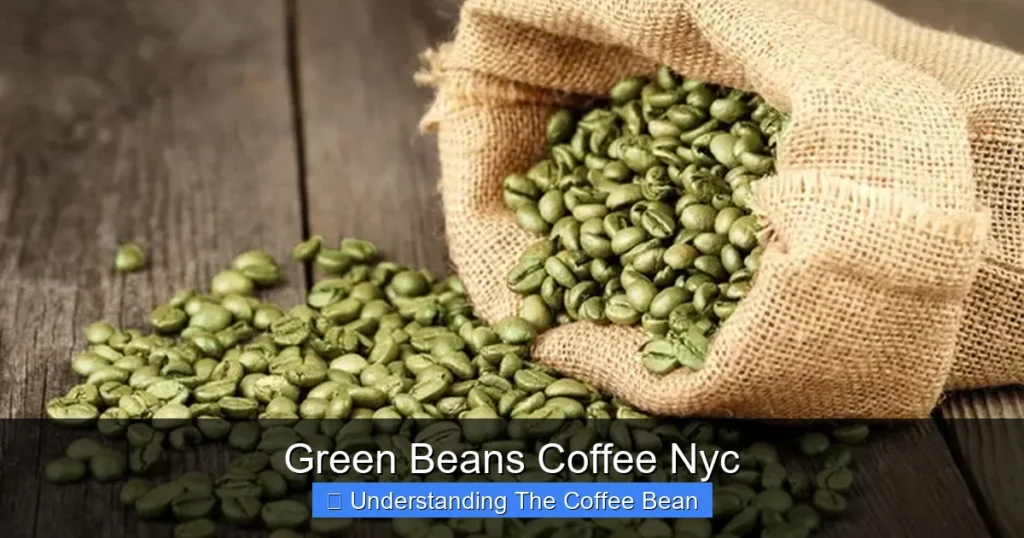
Green beans coffee NYC is more than a trend—it’s a movement toward fresher, more sustainable, and customizable coffee experiences. From home roasters to specialty cafes, New Yorkers are embracing unroasted green coffee beans for their flavor potential and health benefits.
Key Takeaways
- Green coffee beans are unroasted seeds from the Coffea plant: They retain natural antioxidants and chlorogenic acid, offering potential health benefits when brewed after roasting.
- New York City is a hub for green coffee innovation: From Brooklyn roasteries to Manhattan coffee shops, NYC leads in sourcing, roasting, and educating consumers about green beans.
- Home roasting unlocks unique flavor profiles: Roasting your own green beans lets you control roast level, freshness, and taste—perfect for coffee lovers who want a personalized cup.
- Sustainability is a major advantage: Green beans have a longer shelf life and lower carbon footprint during shipping compared to pre-roasted coffee.
- Quality sourcing matters: Look for beans from reputable importers like Cafe Altura, Sweet Maria’s, or local NYC-based green coffee suppliers for the best results.
- Green coffee isn’t meant to be brewed unroasted: These beans must be roasted before use—think of them as the raw ingredient for your perfect cup.
- NYC hosts events and classes on green coffee: Workshops at places like Joe Coffee or The Coffee Lab teach beginners how to roast and brew like a pro.
📑 Table of Contents
What Are Green Coffee Beans?
If you’ve ever walked past a specialty coffee shop in New York City and caught a whiff of something earthy, nutty, or even grassy—only to realize it’s not coffee at all—you’ve likely smelled green coffee beans. These are the raw, unroasted seeds of the Coffea plant, harvested from coffee cherries and dried to preserve their potential. Unlike the dark, aromatic beans you’re used to seeing in bags at the grocery store, green coffee beans are pale green or bluish-green in color, firm to the touch, and completely odorless until roasted.
Green beans are the foundation of every cup of coffee. Whether you’re sipping a pour-over in Williamsburg or a flat white in SoHo, that delicious brew started as a green bean. The magic happens during roasting, where heat transforms the bean’s chemistry, developing the rich flavors, oils, and aromas we associate with coffee. But before that transformation, green beans are stable, shelf-stable, and full of potential.
What makes green beans so special isn’t just their role in coffee production—it’s what they contain before roasting. They’re rich in chlorogenic acid, a natural compound with antioxidant properties. Some studies suggest that chlorogenic acid may support metabolism and heart health, though more research is needed. While you can’t brew green beans directly (they’re too hard and flavorless), their nutritional profile has sparked interest in green coffee extract supplements. However, for coffee lovers in NYC, the real appeal lies in the journey from green bean to cup.
The Journey from Farm to NYC Roastery
The story of green beans coffee NYC begins thousands of miles away—on coffee farms in Colombia, Ethiopia, Guatemala, and beyond. After the coffee cherries are hand-picked at peak ripeness, the beans are extracted, fermented, washed, and dried under the sun. This process, known as wet processing, preserves the bean’s integrity and prepares it for export.
Once dried, the beans are sorted, graded, and packed into jute bags for shipping. Because green beans are stable and don’t require refrigeration, they can travel long distances without spoiling. This makes them ideal for global trade. In fact, New York City is one of the largest importers of green coffee in the U.S., with ports like Newark handling millions of pounds each year.
Upon arrival, green beans are distributed to roasteries across the city. From small-batch operations in Bushwick to established names like Sey Coffee in Greenpoint, NYC roasters carefully select beans based on origin, varietal, and processing method. They then roast them to order, ensuring maximum freshness and flavor. Some roasters even offer green beans for sale, allowing customers to take home unroasted beans and roast them at home.
Why Green Beans Are Gaining Popularity in NYC
So why are green beans coffee NYC becoming such a hot topic? It’s not just about the beans—it’s about the culture. New Yorkers are known for their love of craft, quality, and authenticity. Whether it’s sourdough bread in Park Slope or single-origin tea in the East Village, NYC consumers crave transparency and control over what they consume.
Green coffee beans fit perfectly into this mindset. They represent a return to basics—a chance to engage with coffee at its most fundamental level. For many, roasting green beans at home is a form of culinary art. It’s meditative, educational, and deeply satisfying. You get to choose the roast level, experiment with flavors, and enjoy coffee at peak freshness.
Plus, there’s the sustainability angle. Green beans have a much lower carbon footprint than pre-roasted coffee. Roasting requires significant energy, and transporting heavy, roasted beans increases emissions. By shipping green beans and roasting locally, the coffee industry reduces its environmental impact. In a city like NYC, where sustainability is increasingly important, this resonates with eco-conscious consumers.
Another factor is cost. While green beans may seem more expensive upfront, they often provide better value in the long run. A pound of green beans can yield more roasted coffee than a pound of pre-roasted beans, thanks to moisture loss during roasting. Plus, buying in bulk from reputable suppliers can save money over time.
The Science Behind Green Coffee Beans
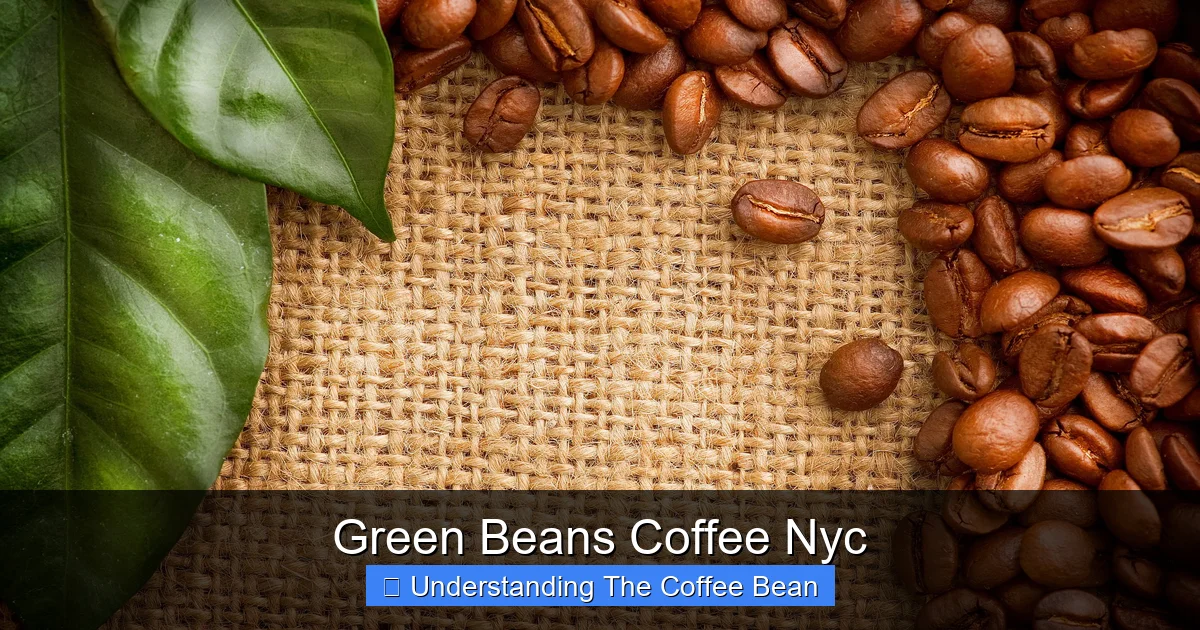
Visual guide about Green Beans Coffee Nyc
Image source: eskipaper.com
To truly appreciate green beans coffee NYC, it helps to understand the science behind these little green powerhouses. Coffee beans are seeds, and like all seeds, they contain stored energy in the form of carbohydrates, proteins, and lipids. But what sets coffee apart is its unique chemical composition—especially before roasting.
One of the most notable compounds in green coffee is chlorogenic acid (CGA). This polyphenol is responsible for many of the health benefits associated with green coffee. CGA acts as an antioxidant, helping to neutralize free radicals in the body. Some research suggests it may also support healthy blood sugar levels and metabolism, though most studies have been conducted on supplements rather than brewed coffee.
Green beans also contain caffeine, though in slightly lower concentrations than roasted beans. Interestingly, roasting doesn’t destroy caffeine—it actually makes it more bioavailable. But the real transformation happens in the Maillard reaction and caramelization, two chemical processes that occur during roasting. These reactions break down sugars and amino acids, creating hundreds of new flavor compounds. That’s why a light roast might taste floral and fruity, while a dark roast tastes smoky and bold.
How Roasting Changes the Bean
Roasting is where green beans come to life. As heat is applied, the beans undergo a series of physical and chemical changes. First, they lose moisture, turning from green to yellow. Then, as temperatures rise, they begin to brown and expand. This is when the first crack occurs—a popping sound similar to popcorn, signaling the start of the roast development.
During this phase, the Maillard reaction kicks in, creating complex flavors and aromas. Sugars caramelize, proteins break down, and oils begin to emerge. The longer the roast, the darker the bean and the more bitter the flavor. Light roasts preserve more of the bean’s origin characteristics, while dark roasts emphasize roast-derived notes like smokiness and bitterness.
For home roasters in NYC, this process is both science and art. You can roast beans in a popcorn popper, on a stovetop skillet, or with a dedicated home roaster. Each method offers different levels of control and consistency. The key is to listen, watch, and smell—roasting is as much about intuition as it is about technique.
Flavor Profiles by Origin
One of the joys of working with green beans is discovering how origin affects flavor. Just like wine, coffee has terroir—the unique combination of soil, climate, and altitude that shapes taste. Here’s a quick guide to some popular origins you might find in NYC:
– Ethiopia: Known for floral, tea-like, and fruity notes. Look for beans from Yirgacheffe or Sidamo.
– Colombia: Balanced and clean, with notes of caramel, citrus, and nuts. Huila and Nariño regions are especially prized.
– Guatemala: Full-bodied with chocolate, spice, and smoky undertones. Antigua beans are a favorite among roasters.
– Kenya: Bright and acidic, with blackcurrant and wine-like flavors. Often processed using the double fermentation method.
– Brazil: Nutty, chocolatey, and low in acidity. Ideal for espresso blends.
When you roast green beans at home, you can highlight these characteristics by adjusting your roast profile. A light roast will bring out the origin’s natural sweetness and acidity, while a darker roast will add body and depth.
Where to Buy Green Coffee Beans in NYC
If you’re ready to dive into green beans coffee NYC, the first step is finding a reliable source. Fortunately, New York City is home to a vibrant coffee community with plenty of options for sourcing high-quality green beans.
Local Roasteries and Coffee Shops
Many NYC roasteries sell green beans directly to consumers. These shops often have direct relationships with farmers and importers, ensuring traceability and quality. Some top spots include:
– Sey Coffee (Greenpoint, Brooklyn): Known for their light-roast, single-origin coffees, Sey also offers green beans for home roasting. Their staff is knowledgeable and happy to guide beginners.
– Joe Coffee (Multiple Locations): With shops across Manhattan and Brooklyn, Joe Coffee sells green beans online and in-store. They offer a rotating selection of origins and provide roasting tips.
– The Coffee Lab (Williamsburg, Brooklyn): This educational space hosts roasting classes and sells green beans from trusted importers. It’s a great place to learn and buy in one visit.
– Partners Coffee (Brooklyn and Manhattan): Partners offers green beans through their website, with detailed origin information and roast recommendations.
These shops often host events, tastings, and workshops, making them ideal for both beginners and experienced roasters.
Online Retailers with NYC Presence
If you prefer shopping online, several reputable retailers ship green beans to NYC addresses. Look for companies that prioritize transparency, sustainability, and freshness. Some top options include:
– Sweet Maria’s: Based in California but shipping nationwide, Sweet Maria’s is a favorite among home roasters. They offer a huge selection of green beans, detailed flavor notes, and free roasting guides.
– Cafe Altura: This California-based company focuses on organic, fair-trade green coffee. They ship to NYC and provide excellent customer support.
– Roastmasters: Another online retailer with a wide range of origins and varietals. They offer sample packs, making it easy to try different beans before committing to a larger order.
When ordering online, pay attention to shipping times. Green beans can last up to a year if stored properly, but fresher is always better. Look for beans with a recent harvest date and avoid those that have been sitting in a warehouse for months.
Farmer’s Markets and Specialty Stores
Don’t overlook local markets. The Union Square Greenmarket and Brooklyn Flea often feature vendors selling artisanal goods, including green coffee beans. These vendors may not have the same volume as online retailers, but they often offer unique, small-batch beans and personal recommendations.
Specialty food stores like Murray’s Cheese or Kalustyan’s in Manhattan also carry green coffee beans, especially around the holidays. While selection may be limited, these stores can be a convenient option if you’re already shopping for other ingredients.
How to Roast Green Coffee Beans at Home
Roasting green beans at home might sound intimidating, but it’s easier than you think—and incredibly rewarding. With a little practice, you can produce coffee that’s fresher, more flavorful, and more personal than anything you’ll find in a store.
Choosing Your Roasting Method
There are several ways to roast green beans at home, each with its own pros and cons:
– Popcorn Popper: One of the most popular methods. Air poppers use hot air to roast beans quickly and evenly. Look for a model with a clear chamber so you can watch the roast. Avoid oil-popping poppers—they can leave residue.
– Stovetop Skillet: A simple, low-cost option. Use a heavy-bottomed skillet and stir constantly to prevent burning. This method gives you full control but requires close attention.
– Oven Roasting: Spread beans in a single layer on a baking sheet and roast at 400°F (200°C). Stir every few minutes. This method is slower but works well for larger batches.
– Home Coffee Roaster: Dedicated roasters like the FreshRoast SR800 or Behmor offer precision and consistency. They’re more expensive but ideal for serious roasters.
For beginners, a popcorn popper is often the best starting point. It’s affordable, easy to use, and produces consistent results.
Step-by-Step Roasting Guide
Here’s a simple guide to roasting your first batch of green beans:
1. Preheat your roaster: If using a popper or oven, preheat to the recommended temperature.
2. Add beans: Use about ½ to 1 cup of green beans per batch. Don’t overcrowd—beans need room to expand.
3. Roast and monitor: Listen for the first crack (around 3–5 minutes). This signals the start of the light roast phase.
4. Decide on roast level:
– Light roast: Stop shortly after the first crack. Beans will be light brown with no oil.
– Medium roast: Continue until the beans are medium brown and slightly shiny.
– Dark roast: Wait for the second crack (a quieter, faster popping sound). Beans will be dark and oily.
5. Cool immediately: Transfer beans to a colander and stir to cool. This stops the roasting process.
6. Rest the beans: Let them rest for 12–24 hours before brewing. This allows CO2 to escape and flavors to develop.
Storing Your Roasted Beans
Once roasted, coffee beans begin to lose freshness quickly. To preserve flavor:
– Store in an airtight container away from light, heat, and moisture.
– Keep at room temperature—no need to refrigerate or freeze.
– Use within 1–2 weeks for best results.
Avoid grinding until just before brewing. Whole beans stay fresher longer than pre-ground coffee.
Health Benefits and Considerations
While green beans coffee NYC is primarily enjoyed for its flavor, there’s growing interest in its potential health benefits. However, it’s important to separate fact from fiction.
Antioxidants and Chlorogenic Acid
Green coffee beans are rich in chlorogenic acid, a compound with antioxidant properties. Antioxidants help protect cells from damage caused by free radicals, which are linked to aging and chronic diseases. Some studies suggest that chlorogenic acid may support healthy metabolism and blood sugar levels, though most research has been done on supplements, not brewed coffee.
It’s worth noting that roasting reduces chlorogenic acid levels. Light roasts retain more of this compound than dark roasts. So if you’re interested in the health benefits, a lighter roast might be preferable.
Caffeine Content
Green beans contain caffeine, but the amount can vary by origin and processing method. On average, green coffee has about 1–2% caffeine by weight. Roasting doesn’t significantly change caffeine content, though darker roasts may have slightly less due to longer exposure to heat.
For most people, moderate coffee consumption (3–4 cups per day) is safe and may even offer health benefits, such as improved focus and reduced risk of certain diseases. However, those sensitive to caffeine should monitor their intake.
Who Should Be Cautious?
While green coffee is generally safe, some people should exercise caution:
– Pregnant or nursing women: Should limit caffeine intake.
– Individuals with heart conditions: Caffeine can increase heart rate and blood pressure.
– Those with anxiety or sleep issues: Caffeine may worsen symptoms.
Always consult a healthcare provider if you have concerns about coffee consumption.
The Future of Green Coffee in NYC
As New Yorkers continue to embrace craft, sustainability, and transparency, green beans coffee NYC is poised for growth. More roasteries are offering green beans for sale, and home roasting is becoming a popular hobby. Educational events, pop-up roasting stations, and coffee festivals are helping to spread awareness.
Technology is also playing a role. Smart roasters with app connectivity allow users to track roast profiles and share results with a community. Online platforms like Home-Barista.com offer forums, tutorials, and reviews, making it easier than ever to learn.
Looking ahead, we can expect to see more direct trade relationships, with NYC roasters visiting farms and building long-term partnerships. This not only ensures quality but also supports fair wages and sustainable farming practices.
In a city that never sleeps, coffee will always be essential. But with green beans, New Yorkers are discovering a deeper, more personal connection to their daily brew.
Conclusion
Green beans coffee NYC represents more than just a trend—it’s a return to the roots of coffee culture. By engaging with unroasted beans, New Yorkers are taking control of their coffee experience, from sourcing to roasting to brewing. Whether you’re a seasoned roaster or a curious beginner, green coffee offers a world of flavor, sustainability, and discovery.
From the farms of Ethiopia to the rooftops of Brooklyn, the journey of a green bean is one of transformation. And in a city that values quality, creativity, and connection, that journey has never been more relevant. So the next time you sip a cup of coffee in NYC, remember: it all started with a green bean.
Frequently Asked Questions
Can you drink green coffee beans without roasting them?
No, green coffee beans cannot be brewed or consumed unroasted. They are too hard, flavorless, and indigestible. Roasting is necessary to develop the flavors, aromas, and chemical properties that make coffee enjoyable.
Where can I buy green coffee beans in New York City?
You can buy green coffee beans at local roasteries like Sey Coffee, Joe Coffee, and The Coffee Lab, as well as online retailers like Sweet Maria’s and Cafe Altura. Some farmer’s markets and specialty food stores also carry them.
How long do green coffee beans last?
Green coffee beans can last up to 12 months if stored in a cool, dry place in an airtight container. Unlike roasted beans, they don’t lose flavor quickly, making them ideal for long-term storage.
What’s the best way to roast green coffee beans at home?
The popcorn popper method is popular for beginners because it’s affordable and easy to use. Stovetop skillets and dedicated home roasters also work well. The key is to monitor the roast closely and cool the beans immediately after.
Are green coffee beans healthier than roasted beans?
Green beans contain higher levels of chlorogenic acid, an antioxidant, but roasting reduces this compound. Light roasts retain more antioxidants than dark roasts. Overall, both can be part of a healthy diet when consumed in moderation.
Do green coffee beans have caffeine?
Yes, green coffee beans naturally contain caffeine—about 1–2% by weight. Roasting doesn’t significantly change caffeine content, though darker roasts may have slightly less due to longer heat exposure.