
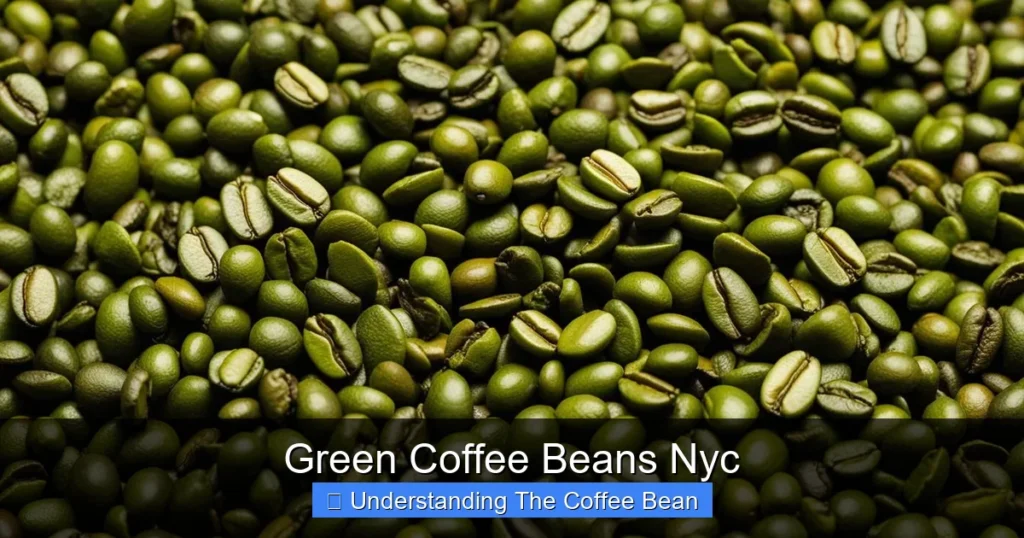
Green coffee beans are unroasted coffee seeds packed with antioxidants and potential health benefits. In New York City, specialty roasters and online retailers make it easy to access high-quality green beans for home roasting. Whether you’re a coffee enthusiast or wellness seeker, green coffee beans offer a unique way to enjoy a fresher, more customizable brew.
Key Takeaways
- Green coffee beans are raw, unroasted coffee beans that retain higher levels of chlorogenic acid, a powerful antioxidant linked to health benefits like weight management and blood sugar control.
- NYC offers a vibrant market for green coffee beans, with local roasters, specialty shops, and online vendors providing access to ethically sourced, single-origin beans.
- Home roasting green beans allows for full control over flavor and freshness, letting you experiment with roast levels from light to dark.
- Green coffee extract is popular in wellness circles, often used in supplements for its potential metabolism-boosting properties—but whole beans offer a more natural experience.
- Proper storage is essential—keep green beans in a cool, dry place away from light and moisture to preserve quality for up to a year.
- Green coffee doesn’t taste like brewed coffee—it’s grassy and bitter when raw, but roasting unlocks the rich, aromatic flavors we associate with coffee.
- Supporting local NYC roasters means fresher beans and stronger community ties, plus access to expert advice and unique bean varieties.
📑 Table of Contents
What Are Green Coffee Beans?
Green coffee beans are the raw, unroasted seeds of the Coffea plant. Unlike the brown beans you’re used to seeing at your local café or grocery store, green coffee beans are harvested, processed, and dried—but not roasted. They get their name from their natural greenish hue, which can range from olive green to pale yellow depending on the variety and processing method.
These beans are the foundation of every cup of coffee you’ve ever enjoyed. Roasting transforms them through chemical reactions like the Maillard reaction and caramelization, developing the rich flavors, aromas, and colors we associate with coffee. But before that transformation, green beans are packed with compounds that are largely diminished during roasting—most notably chlorogenic acid.
Chlorogenic acid is a potent antioxidant that has been studied for its potential health benefits, including supporting metabolism, helping regulate blood sugar, and reducing inflammation. Because roasting reduces the levels of this compound, green coffee beans offer a unique advantage for those interested in both flavor and wellness.
In New York City, the interest in green coffee beans has grown alongside the city’s thriving coffee culture. From artisanal roasters in Brooklyn to online retailers shipping nationwide, New Yorkers have more access than ever to high-quality green beans. Whether you’re looking to roast at home, explore the science of coffee, or tap into the health benefits of unroasted beans, NYC is a hotspot for green coffee innovation.
Why Choose Green Coffee Beans in NYC?
Visual guide about Green Coffee Beans Nyc
Image source: eskipaper.com
New York City is a global hub for food, culture, and innovation—and coffee is no exception. The city’s diverse population and deep appreciation for quality have created a fertile ground for specialty coffee, including the growing demand for green coffee beans. But why choose green beans over the roasted ones you can grab off the shelf?
First, there’s the freshness factor. Roasted coffee begins to lose its flavor within days of roasting, especially if not stored properly. Green coffee beans, on the other hand, can maintain their quality for up to a year when stored correctly. This means you can buy in bulk, experiment with different roasting profiles, and always have fresh beans on hand.
Second, green beans give you complete control over the roasting process. Want a light, floral Ethiopian roast? A medium, balanced Colombian? Or a dark, smoky French roast? With green beans, you decide. Home roasting has become a beloved hobby for many New Yorkers, turning the kitchen into a mini coffee lab. It’s not just about the end result—it’s about the journey, the aroma filling your apartment, and the satisfaction of crafting your perfect cup.
Third, there’s the health angle. As mentioned, green coffee beans contain higher levels of chlorogenic acid. While the research is still evolving, some studies suggest that this compound may support weight management and metabolic health. Though green coffee extract supplements are widely available, many health-conscious consumers prefer to consume the whole bean—roasted at home—to avoid added ingredients and enjoy the full sensory experience.
Finally, supporting local NYC roasters and importers means you’re getting beans that are often ethically sourced, traceable, and of exceptional quality. Many local shops work directly with farmers in coffee-growing regions, ensuring fair wages and sustainable practices. When you buy green beans from a Brooklyn roastery or a Queens-based importer, you’re not just getting coffee—you’re supporting a network of passionate people committed to quality and community.
Where to Buy Green Coffee Beans in NYC
If you’re ready to dive into the world of green coffee beans, New York City offers a wealth of options—both in-person and online. Whether you prefer the tactile experience of shopping at a local store or the convenience of home delivery, there’s a source that fits your lifestyle.
Local Roasteries and Coffee Shops
One of the best places to find green coffee beans in NYC is at local roasteries. These aren’t just places to grab a latte—they’re often hubs for coffee education and experimentation. Many roasteries sell green beans directly to customers, sometimes even offering roasting classes or workshops.
For example, **Sweatshop Coffee** in Williamsburg, Brooklyn, is known for its commitment to transparency and quality. They source beans directly from farmers and often have green beans available for purchase. Similarly, **Parlor Coffee** in DUMBO offers green beans alongside their roasted offerings, with detailed information about origin, processing, and flavor notes.
In Manhattan, **Joe Coffee Company** has multiple locations and occasionally stocks green beans, especially during special events or educational sessions. **Birch Coffee** and **Bluestone Lane** also sometimes carry green beans, particularly in their flagship locations.
Don’t be shy—ask the baristas or staff. Many are passionate about coffee and happy to share knowledge about roasting, storage, and brewing. Some may even offer small sample roasts so you can taste the difference between light, medium, and dark.
Specialty Food Stores and Markets
NYC’s specialty food scene is legendary, and several stores cater to coffee lovers looking for green beans. **Eataly**, with locations in Flatiron and downtown Brooklyn, often carries high-quality green coffee beans, especially during seasonal promotions or coffee-themed events.
**Whole Foods Market** and **Union Market** also stock green beans in select locations, usually in the bulk or international foods section. Look for brands like **Dean’s Beans** or **Equal Exchange**, which emphasize organic and fair-trade sourcing.
For a more unique experience, check out **The Bean** in the East Village—a cozy shop dedicated entirely to coffee, tea, and brewing equipment. They frequently carry green beans from small-batch importers and can help you choose based on your taste preferences.
Online Retailers with NYC Roots
If you prefer shopping from home, several NYC-based online retailers ship green coffee beans nationwide. **Roast Market**, founded by a Brooklyn coffee enthusiast, offers a curated selection of green beans from around the world, with detailed roast profiles and brewing tips.
**Coffee Bean Corral** is another popular online source, known for its wide variety and competitive pricing. While not based in NYC, they ship quickly and often partner with local roasters for pop-up events in the city.
**Sweet Maria’s**, though based in California, is a favorite among NYC home roasters for its educational resources and high-quality green beans. Their website includes roast logs, flavor guides, and even YouTube tutorials—perfect for beginners.
Farmers Markets and Pop-Ups
Keep an eye on NYC’s farmers markets and pop-up events. The **Union Square Greenmarket** and **Brooklyn Flea** often feature vendors selling artisanal goods, including green coffee beans. These events are great opportunities to meet roasters, taste samples, and learn about sustainable sourcing.
Some small-batch importers, like **Coffee Collective NYC**, host seasonal pop-ups where you can buy green beans directly and even participate in live roasting demonstrations.
How to Roast Green Coffee Beans at Home
Roasting green coffee beans at home might sound intimidating, but it’s simpler than you think—and incredibly rewarding. With a few basic tools and some patience, you can transform raw beans into aromatic, flavorful coffee right in your kitchen.
Choosing Your Roasting Method
There are several ways to roast green beans at home, each with its own pros and cons:
– **Popcorn Popper:** An air popper designed for popcorn can double as a coffee roaster. It’s affordable, easy to use, and great for small batches (about ½ cup of beans). Just pour in the beans, turn it on, and listen for the “first crack”—a popping sound that signals the start of the roast.
– **Oven Roasting:** Spread green beans in a single layer on a baking sheet and roast at 450°F (230°C) for 15–20 minutes, stirring every 5 minutes. This method gives you more control but requires close attention to avoid burning.
– **Stovetop Pan:** Use a heavy-bottomed skillet or cast-iron pan over medium-high heat. Stir constantly to ensure even roasting. This method is traditional and allows for quick adjustments, but it’s easy to scorch the beans if you’re not careful.
– **Dedicated Home Roaster:** Devices like the **FreshRoast SR800** or **Nesco Coffee Roaster** offer precision and consistency. They’re more expensive but ideal for serious home roasters who want repeatable results.
Understanding Roast Levels
Roasting is all about timing and temperature. Here’s a quick guide to the main roast levels:
– **Light Roast (City Roast):** Roasted just past the first crack. Beans are light brown with no oil on the surface. Retains more acidity and origin flavors—great for single-origin beans from Ethiopia or Kenya.
– **Medium Roast (Full City):** Roasted to the end of the first crack or just into the second. Balanced flavor, aroma, and body. Ideal for everyday drinking and works well with milk-based drinks.
– **Dark Roast (French or Italian):** Roasted well into the second crack. Beans are dark brown, often shiny with oil. Bold, smoky flavor with reduced acidity. Popular for espresso.
Tips for Successful Home Roasting
– **Start Small:** Begin with ½ to 1 cup of beans to get a feel for the process.
– **Ventilate:** Roasting produces smoke and chaff (the silvery skin that flakes off). Open windows or use a range hood.
– **Cool Quickly:** Once roasted, transfer beans to a colander and stir to cool. This stops the roasting process and prevents overcooking.
– **Rest the Beans:** Let roasted beans rest for 12–24 hours before brewing. This allows CO2 to escape and flavors to develop.
– **Keep a Roast Log:** Note the time, temperature, and observations. This helps you replicate successful roasts.
Roasting at home isn’t just about making coffee—it’s a sensory experience. The sound of the crack, the smell of toasting beans, the anticipation of that first sip—it’s a ritual that connects you to the origins of your coffee in a way store-bought beans never can.
Health Benefits and Considerations
Green coffee beans have gained attention not just for their flavor potential but also for their health properties. While they’re not a miracle cure, they do offer some compelling benefits—especially when compared to roasted coffee.
Rich in Antioxidants
The star compound in green coffee beans is chlorogenic acid, a polyphenol with strong antioxidant effects. Antioxidants help neutralize free radicals in the body, which are linked to aging, inflammation, and chronic diseases like heart disease and diabetes.
Roasting reduces chlorogenic acid levels by up to 50%, meaning green beans—and lightly roasted beans—retain more of this beneficial compound. Some studies suggest that chlorogenic acid may help regulate blood sugar, reduce blood pressure, and support fat metabolism.
Potential for Weight Management
Green coffee extract has been marketed as a weight loss supplement, and some clinical trials have shown modest results. A 2012 study published in *Diabetes, Metabolic Syndrome and Obesity* found that participants who took green coffee extract lost an average of 10% of their body weight over 22 weeks.
However, it’s important to note that most of these studies used concentrated extracts, not whole beans. Drinking brewed green coffee (which is possible but not common) or roasting and brewing lightly may offer some benefits, but results vary widely. Always consult a healthcare provider before using green coffee for weight loss, especially if you have underlying health conditions.
Caffeine Content and Sensitivity
Green coffee beans contain slightly less caffeine than roasted beans, but the difference is minimal. If you’re sensitive to caffeine, green coffee won’t necessarily be a low-caffeine alternative. However, because you control the roast, you can experiment with lighter roasts, which may have a brighter, less jittery effect for some people.
Safety and Side Effects
Green coffee is generally safe when consumed in moderation. However, excessive intake—especially of extracts—can lead to side effects like insomnia, nervousness, stomach upset, or rapid heartbeat. Pregnant women, people with anxiety disorders, or those on medication should talk to a doctor before adding green coffee to their routine.
Also, avoid drinking raw green coffee. Unroasted beans are extremely bitter and difficult to digest. Always roast before brewing.
Storing Green Coffee Beans Properly
One of the biggest advantages of green coffee beans is their long shelf life—when stored correctly. Unlike roasted beans, which peak within weeks, green beans can stay fresh for up to a year or more.
Ideal Storage Conditions
To preserve quality, store green beans in a cool, dry, dark place. Think: a pantry or cupboard away from the stove, dishwasher, or window. Avoid heat, light, moisture, and oxygen—the four enemies of coffee freshness.
Use an airtight container, preferably glass or ceramic with a tight seal. Avoid plastic, which can absorb odors and isn’t always airtight. Some roasters recommend vacuum-sealed bags for long-term storage.
Freezing and Refrigeration: Yes or No?
There’s debate about freezing green beans. While freezing can extend shelf life, it also risks condensation when the beans are thawed, which can degrade quality. If you must freeze, divide beans into small portions, seal them in airtight bags, and thaw completely before opening.
Refrigeration is generally not recommended due to humidity and temperature fluctuations. Stick to cool, stable room temperature storage for best results.
Signs of Spoilage
Green beans should smell grassy, earthy, or slightly nutty. If they smell musty, sour, or off, they may be spoiled. Visually, look for mold, discoloration, or an unusually dark hue. When in doubt, trust your senses—better safe than sorry.
Green Coffee Beans and the NYC Coffee Culture
New York City’s coffee scene is more than just espresso shots and oat milk lattes. It’s a culture of curiosity, craftsmanship, and community. Green coffee beans fit perfectly into this ethos, offering a deeper connection to the origins of coffee and the people who grow it.
From rooftop roasteries in Bushwick to pop-up cupping sessions in Chelsea, NYC embraces innovation in coffee. Green beans are part of that story—enabling home roasters, supporting sustainable sourcing, and fostering a culture of learning.
Many local cafes now host “roast-your-own” events, where customers can bring green beans and use professional equipment under expert guidance. Others partner with schools and community centers to teach coffee education, including the science of roasting and the economics of fair trade.
In a city that never sleeps, coffee is more than a drink—it’s a ritual, a conversation starter, and a way to slow down. Green coffee beans invite New Yorkers to engage with that ritual on a deeper level, from seed to cup.
Conclusion
Green coffee beans are more than a trend—they’re a gateway to a richer, more personalized coffee experience. In New York City, where quality and innovation go hand in hand, green beans are finding a welcoming home among home roasters, health enthusiasts, and coffee connoisseurs alike.
Whether you’re drawn to the potential health benefits, the joy of home roasting, or the desire to support ethical sourcing, green coffee beans offer something unique. With a growing number of local roasters, specialty shops, and online resources, accessing high-quality green beans in NYC has never been easier.
So why not give it a try? Pick up a bag of green beans, fire up your popcorn popper, and discover the magic of roasting your own coffee. Your perfect cup is just a roast away.
Frequently Asked Questions
What are green coffee beans?
Green coffee beans are raw, unroasted coffee seeds harvested from the Coffea plant. They retain higher levels of chlorogenic acid, an antioxidant, and must be roasted before brewing.
Where can I buy green coffee beans in NYC?
You can buy green coffee beans at local roasteries like Sweatshop Coffee and Parlor Coffee, specialty stores like Eataly, online retailers like Roast Market, and at farmers markets and pop-up events.
Can I drink green coffee beans without roasting?
No, you should not drink unroasted green coffee beans. They are extremely bitter and difficult to digest. Always roast them first to develop flavor and make them safe to brew.
How long do green coffee beans last?
When stored properly in a cool, dry, dark place in an airtight container, green coffee beans can stay fresh for up to a year or more.
Do green coffee beans have health benefits?
Green coffee beans are rich in chlorogenic acid, an antioxidant linked to potential benefits like blood sugar regulation and metabolism support. However, more research is needed, and they should not replace medical treatment.
What’s the best way to roast green coffee beans at home?
The easiest method for beginners is using an air popcorn popper. For more control, try a dedicated home roaster or stovetop pan. Always roast in a well-ventilated area and cool beans quickly after roasting.