
I’ve spent years dialing in brews for clients, competitions, and my own morning rituals—and I can tell you with confidence that water temperature is one of the most powerful levers in coffee. How does water temperature affect coffee extraction? It changes what dissolves, how fast it dissolves, and which flavors dominate in your cup. Get this wrong and you’ll taste it immediately; get it right and your coffee opens up with clarity, sweetness, and balance. In this guide, I’ll share the science, the practical ranges, and the real-world lessons I’ve learned so you can brew more consistently delicious coffee at home or behind the bar.
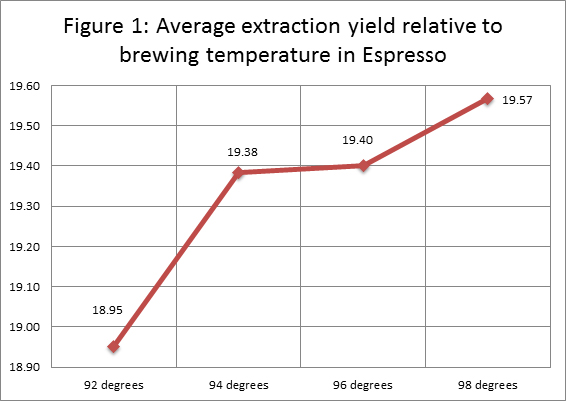
Source: fivesenses.com.au
Why Temperature Matters In Coffee Extraction
When we brew, water acts as a solvent. Temperature controls the solvent’s power. Hotter water increases the solubility and diffusion rates of compounds in coffee—organic acids, simple sugars, aromatic oils, caffeine, and bitter polyphenols. As temperature rises, extraction generally speeds up, but it doesn’t lift all flavors equally. Acids and fruit notes extract early, sweetness lands next, and bitterness and astringency arrive later.
This sequence explains why temperature tweaks can transform a cup:
- Too low a temperature can under-extract, yielding sour, thin, or salty notes with muted sweetness.
- Too high a temperature can over-extract, pushing bitterness, dryness, and muddled flavors.
- The sweet spot balances brightness, sweetness, and finish while preserving aroma.
Professional standards commonly target an extraction yield around 18 to 22 percent for filter coffee, with a total dissolved solids level that matches your brew method and preference. Temperature is a primary variable to get you into that zone efficiently and predictably.
The Science: Solubility, Diffusion, And Volatility
To brew smarter, it helps to know what temperature really does at the molecular level.
- Solubility: Many desirable compounds—acids, sugars, and aromatics—dissolve more readily as temperature increases. This means hotter water can pull more flavor in less time.
- Diffusion: Higher temperatures increase molecular movement, accelerating how fast compounds leave the grounds and enter your brew water.
- Volatility: Aroma compounds are volatile and evaporate faster at higher temperatures. This boosts fragrance but can also drive off delicate notes if you brew too hot or agitate excessively.
- Cell structure: Roasted coffee cells become more porous. Hot water penetrates these pores more easily, but it also risks pulling harsher phenolics if pushed too far.
In practical terms, temperature doesn’t work alone. It interacts with grind size, brew time, and turbulence. When you increase temperature, you often need to adjust one or more of those to maintain balance.
Optimal Temperature Ranges By Brew Method
These are reliable starting points I use when dialing in. Always adjust to your beans, grind, and taste.
- Pour-over and drip: 195 to 205°F (90 to 96°C). I lean toward 200 to 205°F for light roasts to unlock sweetness and florals, and 195 to 200°F for medium to darker roasts to avoid harshness.
- French press: 195 to 203°F (90 to 95°C). Because immersion extracts more evenly over time, slightly cooler water can reduce bitterness.
- AeroPress: 175 to 200°F (80 to 93°C). Recipes vary widely. Lower temperatures with longer times can yield silky cups; hotter and shorter can be brighter and punchier.
- Espresso: 195 to 205°F (90 to 96°C) at the group. Light-roast espresso often benefits from the higher end to boost extraction; darker roasts usually prefer cooler to tame bitterness.
- Cold brew: 34 to 75°F (1 to 24°C). Long times compensate for low temperatures. Expect lower perceived acidity and high smoothness; hot bloom steps can add brightness.
- Turkish/cezve: Near simmer but not a rolling boil. Control is key to preserve aromatics.
My quick heuristic: lighter roasts, lower solubility, higher temperature; darker roasts, higher solubility, lower temperature.
How Temperature Interacts With Grind, Time, And Ratio
Temperature is a teammate, not a solo act. Change one variable and the others must often shift.
- Grind size: Hotter water extracts faster. If you raise temperature and keep grind constant, you may over-extract. Offset with a slightly coarser grind.
- Brew time: Higher temperature shortens needed contact time. For immersion brews, a 2 to 3 minute French press at 203°F can taste similar to 4 minutes at 195°F when grind is adjusted.
- Brew ratio: Concentration affects perception. A slightly higher ratio (more coffee per water) with hotter water can keep body while preventing bitterness if you keep time and grind in check.
- Agitation: Stirring or swirling increases extraction. Combine high agitation with high temperature and you can overshoot quickly.
A practical workflow I use:
- Set a target temperature based on roast level and method.
- Grind to hit a 2.5 to 3 minute drawdown for pour-over with that temperature.
- Taste and adjust in small steps: 2°F temperature nudges, tiny grind tweaks, and modest agitation changes.
Roast Level, Bean Density, And Origin Considerations
Not all coffees behave the same at the same temperature.
- Light roasts: Denser, less soluble. Benefit from 200 to 205°F in filter and 200 to 204°F in espresso to unlock sweetness and reduce vegetal notes.
- Medium roasts: Versatile. 195 to 202°F is a forgiving range for most brews.
- Dark roasts: More soluble and fragile. 190 to 198°F helps avoid harsh bitterness and smoky dominance.
- High-altitude, washed coffees: Often shine hotter to pop acidity and clarity.
- Natural process or very fresh coffees: Can be intense at high temps; moderate heat can preserve fruit without fermenty heaviness.
From my cupping table, I’ve repeatedly seen Ethiopian washed light roasts open up at 203 to 205°F, while a Brazil natural medium roast tastes best near 197 to 200°F to keep chocolatey sweetness front and center.
Water Quality, Altitude, And Equipment Accuracy
Temperature guidance assumes your water and gear are on point.
- Water chemistry: Aim for moderate hardness and alkalinity. Balanced buffer capacity stabilizes extraction and flavor. Poor water can mask temperature improvements.
- Altitude: Water boils at lower temperatures as elevation rises. At 5,000 feet, boil is about 202°F. You may need longer contact times, finer grinds, or covered brews to compensate.
- Kettle accuracy: Many variable-temp kettles can be off by 2 to 5°F. Verify with a calibrated thermometer. Espresso machines also vary; measure at the grouphead when possible.
- Heat loss: Preheat brewers, servers, and cups. A 10°F drop between kettle and slurry can sabotage your target without you noticing.
I once chased a “sour” problem for days before realizing my kettle dropped 8°F by the time water hit the bed on cold mornings. Preheating fixed it instantly.
Practical Protocol: How I Dial In Temperature
Use this simple, repeatable test to find your sweet spot for a new coffee.
- Start point: Choose a method and set 200°F for light, 198°F for medium, 194°F for dark.
- Control variables: Fix your ratio (for example, 1:16), grind, and agitation. Preheat gear.
- Brew and taste: Note acidity, sweetness, body, bitterness, and aftertaste.
- Adjust in small steps: Move temperature by 2°F, keeping everything else constant.
- Map results: Three brews are often enough to triangulate the ideal range.
- Lock it in: Once temperature is set, fine-tune grind to dial clarity and finish.
Tip: If the cup is sharp and sour with hollow sweetness, go 2 to 4°F hotter. If it’s bitter and drying, drop 2 to 4°F or coarsen grind slightly.
Common Mistakes And How To Fix Them
– Brewing with boiling water: A rolling boil can scald lighter roasts. Let water rest 15 to 30 seconds off boil or set kettle precisely.
– Ignoring heat loss: Cold brewers and servers can drop your slurry 5 to 10°F. Preheat everything.
– Overcorrecting: Jumping 10°F between tests hides the true cause. Move in 2°F increments.
– One-size-fits-all: Each coffee is unique. Reset expectations with new bags, especially different origins and roasts.
– Misreading sourness: Sour can be under-extraction, but it can also be excessively cool water with too coarse a grind. Adjust both thoughtfully.
These small fixes have saved countless brews in my kitchen and café trainings.
Frequently Asked Questions
What Is The Best Water Temperature For Pour-Over?
For most coffees, 195 to 205°F works well. I start at 200 to 205°F for light roasts and 195 to 200°F for medium to dark roasts, then adjust by taste in 2°F steps.
Does Hotter Water Always Make Coffee Bitter?
Not always. Hotter water increases extraction speed, which can lead to bitterness if time and grind are unchanged. Balanced with a slightly coarser grind or shorter contact time, hotter water can boost sweetness and clarity without excess bitterness.
How Do I Compensate For High Altitude Brewing?
Because water boils at a lower temperature, increase contact time slightly, grind a bit finer, preheat equipment, and consider covered steeping. For pour-overs, aim for the highest stable temperature you can achieve and reduce heat loss.
Can I Use A Thermometer To Check My Kettle?
Yes. Many kettles and espresso machines are a few degrees off. A reliable instant-read thermometer helps ensure your setpoint matches actual water temperature.
Why Does My Coffee Taste Sour Even At 205°F?
It could be grind too coarse, insufficient agitation, or heat loss in your brewer. Preheat your gear, tighten the grind slightly, and ensure your pour technique wets the bed evenly.
What About Cold Brew—Does Temperature Matter There?
Yes. Even within cold ranges, temperature affects extraction rate and flavor. Cooler steeps often take longer and emphasize smoothness; slightly warmer room-temperature steeps extract faster and can preserve more aromatics.
Wrap-Up And Next Steps
Water temperature is the steering wheel of coffee extraction. Raise it and you speed up extraction; lower it and you slow down. The key is balance: align temperature with roast level, adjust grind and time to match, and control water quality and heat loss. With small, intentional changes—2°F at a time—you can turn inconsistent cups into reliably sweet, aromatic brews.
Try the dialing protocol on your next bag and note the differences. If this guide helped, subscribe for more brew science, explore my other coffee deep-dives, or drop a comment with your favorite temperature hacks.
Watch This Video on How does water temperature affect coffee extraction?