
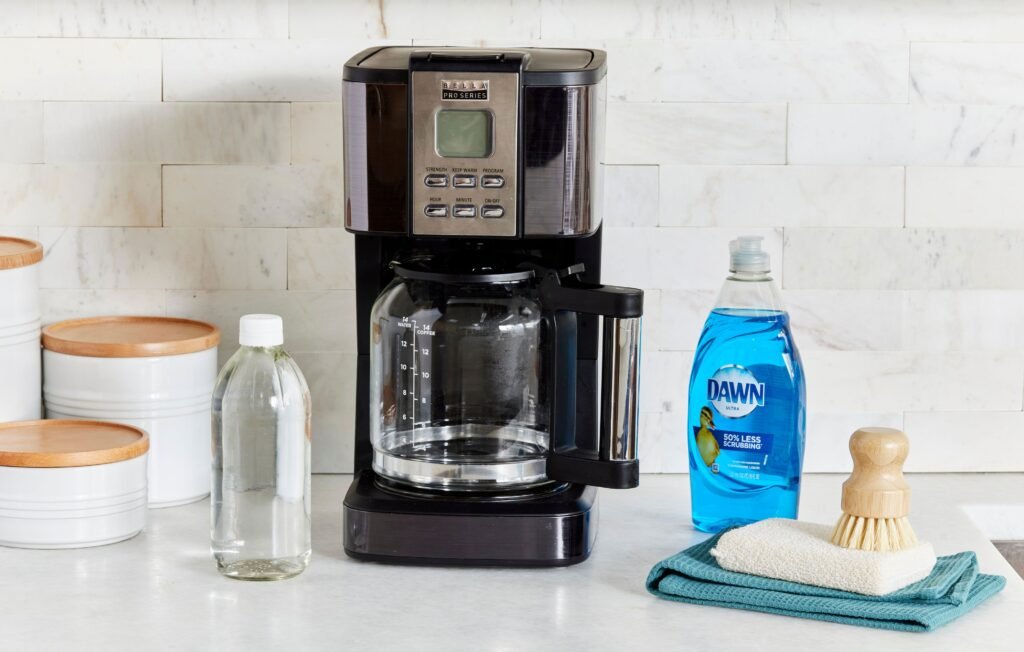
I’ve brewed thousands of cups testing beans, grinders, and brew methods, and here’s the hard truth: flavor starts with a clean machine. If you want brighter acidity, fuller body, and a consistent finish, learning how to clean your coffee maker for better taste is non-negotiable. Mineral scale insulates heat, coffee oils turn rancid, and microbes grow where water lingers. In this guide, I’ll show you the exact, step-by-step process I use, backed by practical experience and solid food-safety principles, to bring your brewer back to peak performance without guesswork.

Source: www.amazon.com
Why Cleaning Your Coffee Maker Changes The Taste
Clean equipment isn’t just about hygiene; it’s about extraction science.
- Mineral scale: Hard-water deposits coat heating elements and internal tubing. This lowers brew temperature and slows flow, causing under-extraction, sourness, and weak body. Descaling restores proper heat transfer and flow.
- Coffee oils: Brewed coffee leaves lipids that oxidize and go rancid. These cling to the brew basket, carafe, and showerhead, causing bitter, stale flavors even with fresh beans.
- Microbial buildup: Moist, warm environments invite biofilms that can impart musty or earthy off-notes. Routine sanitation prevents this.
- Temperature stability: A clean machine reaches target brewing range more consistently. Stable heat means consistent extraction and better sweetness.
From experience, the difference after a proper deep clean is dramatic: citrus notes pop, bitterness drops, and the finish becomes clean instead of muddy.
Source: www.makingmanzanita.com
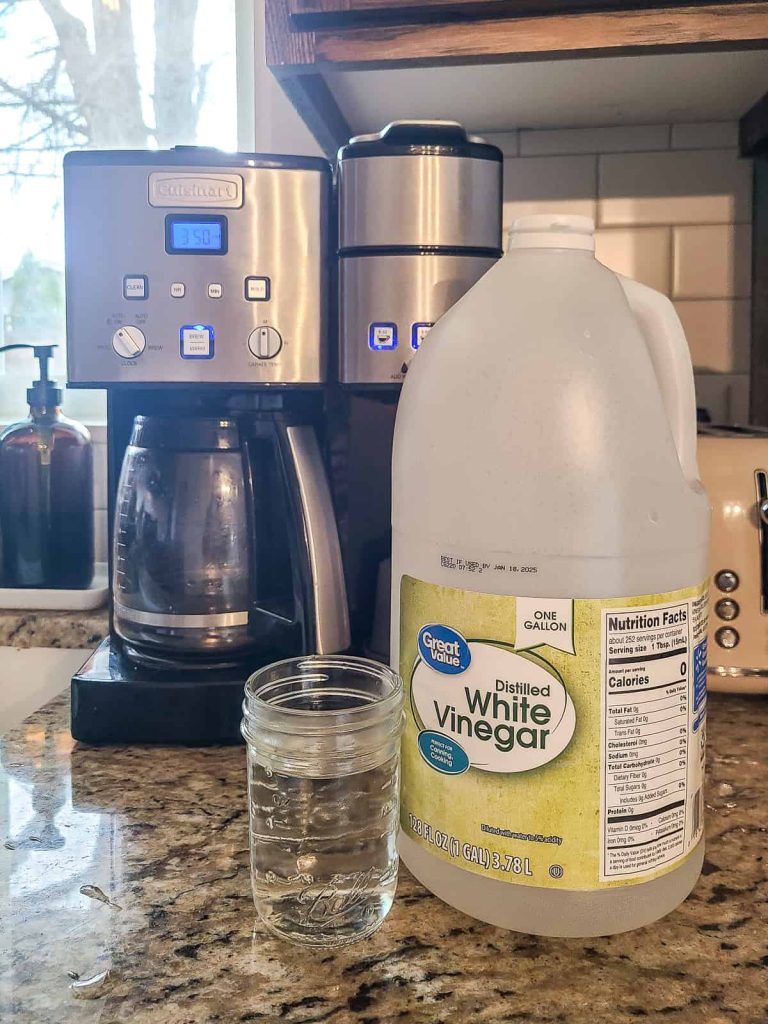
Tools And Ingredients You’ll Need
- White distilled vinegar or food-grade citric acid
- Alternatively, a commercial descaling solution
- Mild fragrance-free dish soap
- Clean microfiber cloths and a soft brush or toothbrush
- Paper filters or your reusable filter
- Fresh, cold water for rinse cycles
- Optional: Baking soda for deodorizing exterior parts
- Optional: Water hardness test strips to set your cleaning schedule
Tip from the trenches: If your water is very hard, keep citric acid on hand. It’s effective, inexpensive, and leaves less lingering aroma than vinegar.
Source: www.self.com
Step-By-Step: How I Clean A Drip Coffee Maker
Follow this sequence once a month for average use, or more often with hard water.
- Empty and prep
- Unplug the machine. Remove the filter basket and carafe. Discard any grounds.
- Wash removable parts
- Clean the carafe, lid, brew basket, and permanent filter with warm water and mild soap. Use a soft brush to remove oily residue. Rinse thoroughly and air dry.
- Descale the internal system
- Choose one:
- Vinegar: Mix 1 part white vinegar with 1 part water.
- Citric acid: Dissolve 1 to 2 tablespoons per quart of warm water.
- Commercial descaler: Follow the label exactly.
- Fill the reservoir with your descaling solution.
- Run the first brew cycle with a pause
- Start a brew cycle. When the carafe is half full, pause the machine for 20 to 30 minutes to let the solution dissolve scale inside. Then resume and finish the cycle.
- Let it sit briefly
- Turn off and let the machine rest for another 10 minutes. This improves contact time for stubborn deposits.
- Rinse thoroughly
- Discard the solution. Fill the reservoir with fresh water and run two to three full water-only brew cycles, or until there’s no aroma. This step matters: it removes residual acidity and any loosened debris.
- Clean the showerhead and exterior
- Wipe the showerhead and interior surfaces you can reach with a damp cloth. If the showerhead is removable, soak it in warm soapy water, scrub, and rinse. Wipe exterior panels with a slightly soapy cloth, then a second pass with clean water. Dry.
- Final quality check
- Brew a small test batch with water only. If you detect vinegar or citrus, run another rinse cycle.
Safety notes I’ve learned: Never mix cleaners. Never run abrasive powders through the machine. And always unplug before scrubbing anything near electrical components.

Source: urnex.com
Descaling Options: Vinegar, Citric Acid, Or Commercial Solutions
-
White vinegar
- Pros: Cheap, effective on scale, widely available.
- Cons: Lingering smell if not rinsed well; can be harsh on some rubbers over time.
- Ratio: 1:1 with water.
-
Citric acid
- Pros: Effective, minimal odor, food-safe.
- Cons: Requires dissolving; too strong can pit some metals if over-concentrated.
- Ratio: 1 to 2 tablespoons per quart of water.
-
Commercial descalers
- Pros: Designed for coffee equipment, clear instructions.
- Cons: Higher cost; formulas vary.
From testing, citric acid provides the best balance of effectiveness and neutral aroma for home use. Vinegar works great but demands thorough rinsing. Commercial products shine for espresso or machines under warranty.
Source: www.makingmanzanita.com
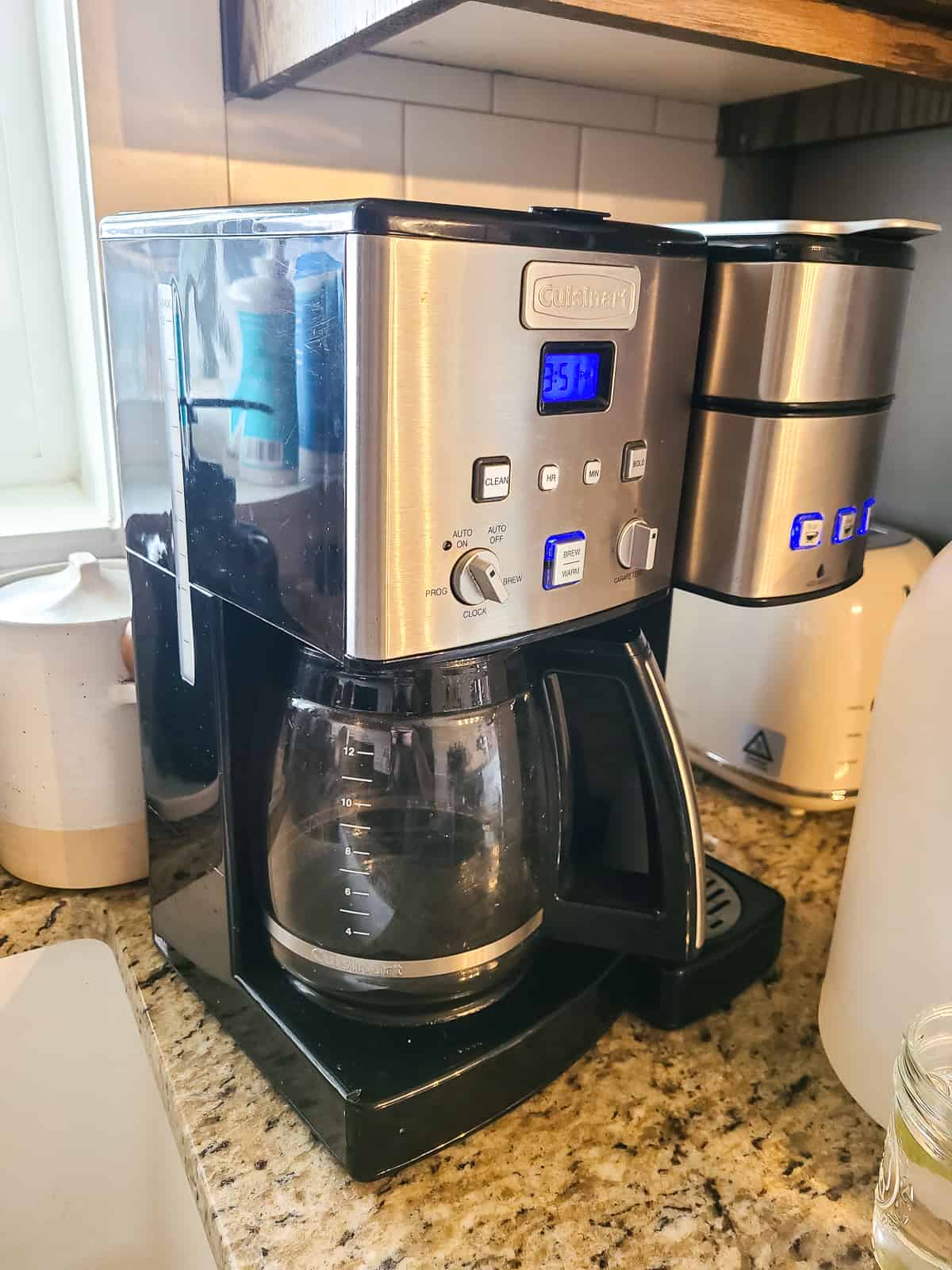
Cleaning Single-Serve And Espresso Machines
Single-serve brewers
- Remove pod holder and needle components if the design allows. Soak in warm soapy water and brush gently to clear coffee residue.
- Descale using the machine’s descaling mode with vinegar, citric acid, or approved descaler.
- Run multiple water-only cycles until the water runs clear and odor-free.
- Don’t forget the drip tray and reservoir lid; they harbor odors.
Espresso machines
- Descale the boiler per the manufacturer’s guidance. Some machines require specific descalers and procedures.
- Backflush machines with a three-way valve using a dedicated espresso cleaning powder. Use water backflushing daily and detergent on a scheduled basis.
- Soak portafilters and baskets in espresso cleaner, then rinse thoroughly.
- Purge and wipe the steam wand after every use; soak the tip if milk residue accumulates.
Real-world lesson: Neglected single-serve needles clog easily, causing weak or inconsistent cups. A five-minute soak and brush often restores normal flow and taste.
Maintenance Schedule And Quick Habits
Daily
- Rinse carafe, lid, and basket after each brew. Empty the reservoir if you won’t brew within 24 hours.
Weekly
- Soap wash all removable parts. Wipe the showerhead and machine exterior. Run a water-only cycle.
Monthly
- Descale following the steps above. Increase to every two weeks if you have hard water or brew multiple times per day.
Water quality tips
- If your tap water is very hard, use filtered or spring water to reduce scale and improve clarity in flavor.
- Test strips can help tailor your descaling frequency.
Small habit, big payoff: Dry parts after washing. Standing moisture causes musty odors and film that dulls flavor.
Troubleshooting Off-Flavors After Cleaning
-
Vinegar taste lingers
- Run one or two additional water-only cycles. Add a small pinch of baking soda to the carafe during a rinse, then rinse again to neutralize odor.
-
Sour, thin coffee
- Check brew temperature and flow. Persistent scale can still be insulating the heater; repeat a milder descale and increase contact time.
-
Bitter or ashy notes
- Clean the basket and carafe again. Rancid oils hide in seams and lids. Consider replacing a scratched, older plastic carafe that traps oils.
-
Musty or moldy aroma
- Disassemble and deep clean removable parts. Ensure everything dries fully between uses. Leave the reservoir lid slightly ajar when not in use.
-
Plastic or chemical smell
- Rinse cycles plus a citric-acid descale usually resolve it. Avoid fragranced soaps, which transfer to taste.
Frequently Asked Questions
How often should I clean and descale my coffee maker?
For average use and moderately hard water, wash removable parts weekly and descale monthly. If you brew daily with hard water, descale every two weeks. If you use filtered water and brew less often, every 6 to 8 weeks may suffice.
Is vinegar safe for my coffee maker?
Yes, when diluted 1:1 with water and thoroughly rinsed afterward. Some manufacturers prefer citric acid or specific descalers, especially for espresso. Always check your manual for compatibility.
Can I use lemon juice instead of citric acid?
You can, but it’s less consistent because natural juices vary in acidity and contain sugars and oils. Food-grade citric acid powder delivers predictable strength and cleaner rinsing.
Why does my coffee taste weak even after cleaning?
Persistent scale can still be affecting temperature or flow. Repeat descaling with longer soak time. Also check your grind size, coffee-to-water ratio, and freshness of beans.
Do reusable metal filters impact taste after they get dirty?
Yes. Oils accumulate on metal mesh and can add bitterness. Soak and scrub them weekly with warm soapy water, rinse well, and dry completely to prevent off-flavors.
Will cleaning improve brew temperature?
Often, yes. Removing mineral scale improves heat transfer so water reaches the ideal brewing range more reliably, which helps extraction and flavor balance.
What’s the best water to use for taste and machine health?
Clean, moderately mineralized water tends to taste best and reduces extreme scaling. Filtered tap water often strikes a good balance. Extremely hard water creates scale; extremely soft or distilled can flatten flavor.
Conclusion
A clean coffee maker is the fastest path to better taste: stronger aroma, clearer flavors, and consistent performance. Build a simple routine—daily rinses, weekly soap washes, and monthly descaling—and you’ll taste the difference in every cup. Start today by checking your water hardness, choosing a descaler, and scheduling your next deep clean. If this guide helped, subscribe for more brew tips, share your results, or drop a question in the comments.
Watch This Video on How to clean your coffee maker for better taste