
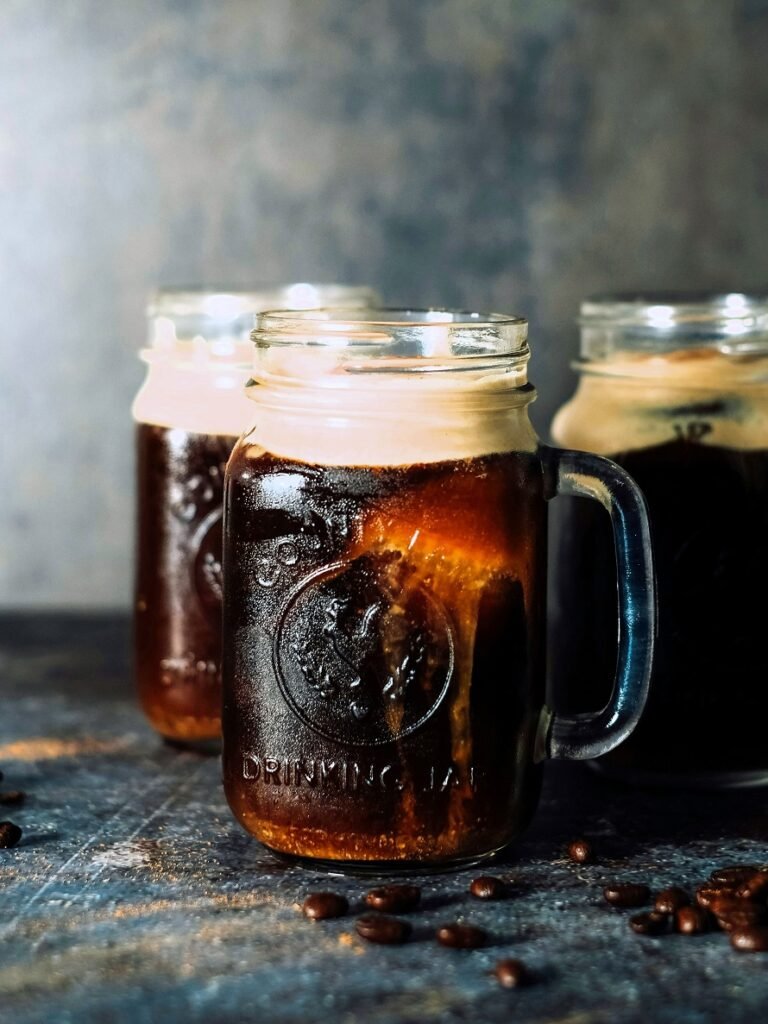
I’ve been making cold brew concentrate at home for years, dialing in ratios for different beans, testing grind sizes side-by-side, and troubleshooting everything from silty brews to sour notes. In this guide, I’ll show you exactly how to make cold brew concentrate at home with a barista-tested process that’s simple, scalable, and repeatable. You’ll learn the ideal ratio, grind size, brew time, filtration tips, and how to store and serve a smooth, rich concentrate that rivals any café.
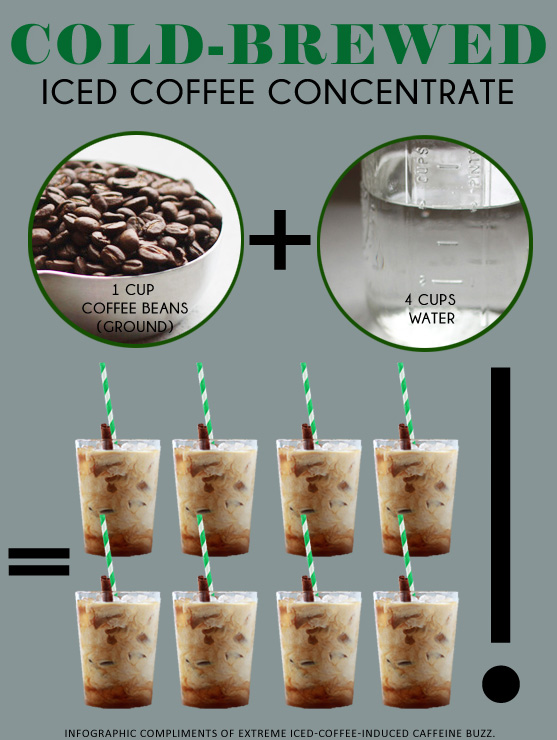
Source: www.kitchentreaty.com
What Is Cold Brew Concentrate And Why It Works
Cold brew concentrate is a strong coffee extract brewed at room temperature or colder for 12 to 24 hours, then filtered and stored as a base. You dilute it with water or milk to your taste. Unlike hot coffee, cold brew extracts fewer bitter compounds and less acidity, producing a naturally sweet, chocolatey cup with low bite.
Here’s the science-backed gist:
- Lower-temperature extraction reduces chlorogenic acid breakdown and volatile acidity. This translates to a smoother flavor profile.
- Extended contact time compensates for the lower temperature, pulling enough soluble compounds to create a potent concentrate.
- A coarse grind controls extraction and limits sediment, keeping the concentrate clean and stable.
I favor cold brew concentrate because it’s incredibly versatile: one batch lasts all week, mixes beautifully with milk alternatives, and makes quick iced lattes, mochas, and even cocktails.
Source: www.theworktop.com
Gear And Ingredients You’ll Need
You can make excellent cold brew with basic kitchen gear. Use what you have, then upgrade if you want even cleaner results.
- Coffee grinder: Burr grinder preferred for consistent coarse grind. Pre-ground is okay if labeled coarse, but freshness matters.
- Brewing vessel: Mason jar, French press, or dedicated cold brew system. Aim for a container with a lid.
- Filter: Fine-mesh sieve plus paper filter, V60/Chemex filter, or reusable cloth filter. In a pinch, use layered cheesecloth.
- Scale and timer: For precise ratio and timing. Measuring cups work if you don’t have a scale.
- Coffee: Freshly roasted whole-bean coffee, medium to medium-dark roast is easiest to balance.
- Water: Clean, filtered water for best flavor.
Pro tip from my kitchen: A French press is a great starter tool because it handles brewing and first-stage filtering in one.
Source: www.oxo.com
The Golden Ratio: How Much Coffee To Water
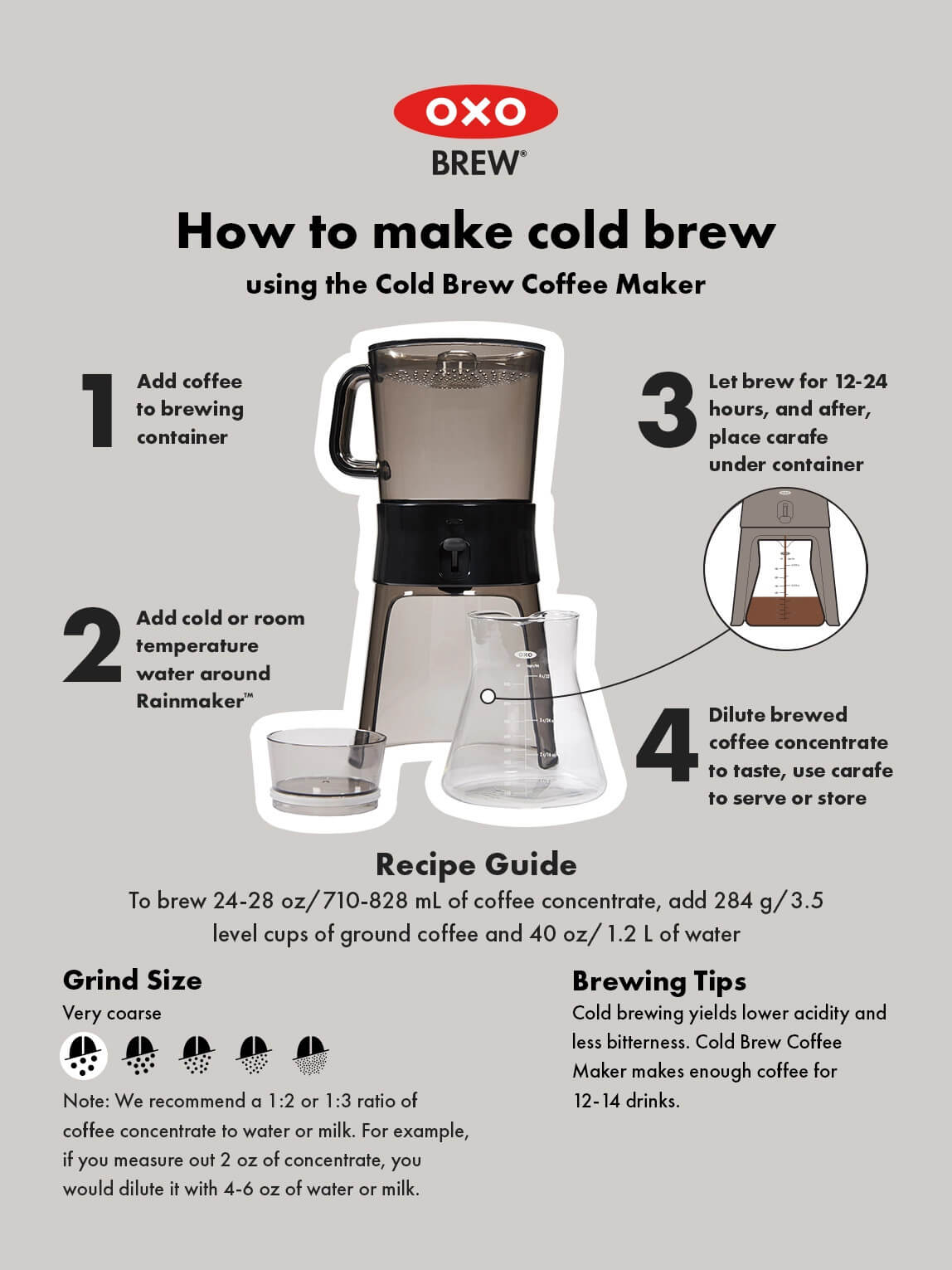
For concentrate, use a stronger ratio than regular cold brew. A dependable starting point is 1:4 by weight.
- Standard concentrate ratio: 1 part coffee to 4 parts water by weight
Example: 125 g coffee to 500 g water - For a stronger, syrupy base: 1:3
- For a lighter but still flexible base: 1:5
Why weight matters: Coffee density varies by roast and bean, so scoops are inconsistent. Weighing ensures repeatable results.
How this dilutes:
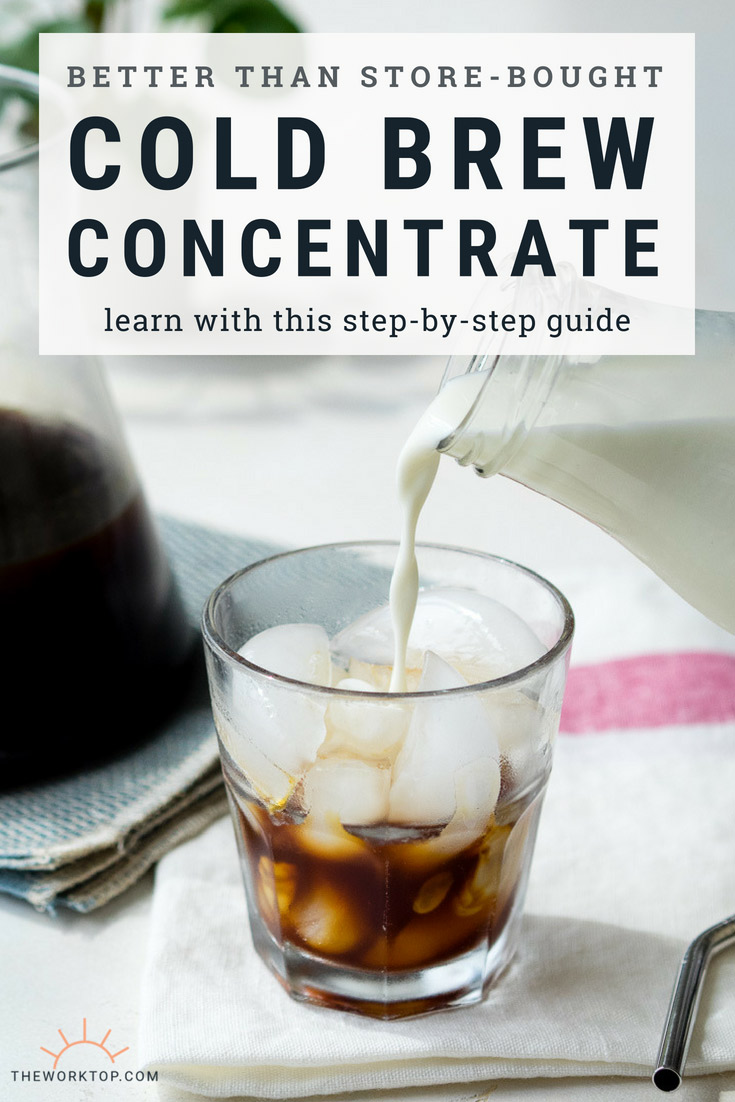
- 1:1 with water or milk for a café-strength iced coffee
- 1:2 for a milder drink
- Over ice, you can start 1:1 and let melting ice naturally balance the cup

Source: www.youtube.com
Step-By-Step: Making Cold Brew Concentrate
Follow this simple method for clean, consistent results.
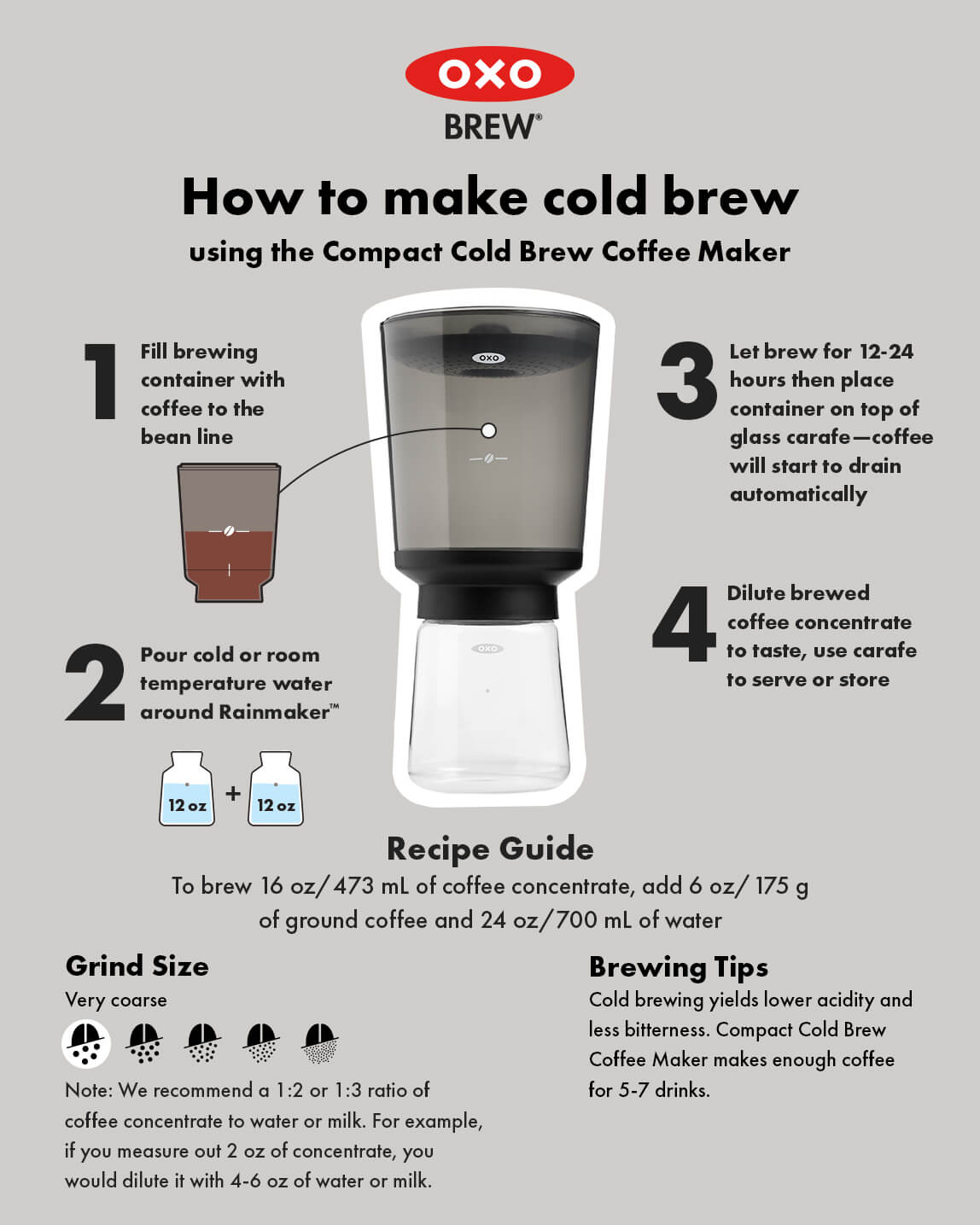
- Grind
- Grind size: Coarse, like kosher salt. Too fine leads to over-extraction and sludge.
- Target: 125 g coffee for a small batch or scale to your needs.
- Combine
- Add ground coffee to your jar or French press.
- Pour 500 g cold, filtered water over the grounds, saturating evenly.
- Stir gently to wet all grounds and minimize dry pockets.
- Steep
- Cover and brew 12 to 18 hours at room temperature for balanced extraction.
- For fridge brewing, go 18 to 24 hours because colder temps slow extraction.
- I prefer 16 hours at room temp for medium roasts, 18 to 20 for darker roasts.
- Press or Decant
- If using a French press, press the plunger slowly, then move to the filtration step.
- If using a jar, let grounds settle, then pour off through a sieve to catch the bulk of the grounds.
- Filter
- Pass the brew through a paper or cloth filter to polish the concentrate. This improves clarity, flavor, and shelf life.
- Store
- Transfer to a clean, airtight bottle and refrigerate.
Taste and tweak:
- If it tastes weak, shorten your dilution later or move to 1:3 next time.
- If it’s bitter or astringent, coarsen the grind or reduce steep time.
Source: www.oxo.com
Filtration: Getting A Clean, Silky Concentrate
Clarity affects flavor and stability. A two-stage filter yields the best results.
- Stage one: Fine-mesh sieve or French press to remove coarse particles.
- Stage two: Paper coffee filter or cloth filter for micro-particles and oils.
What I’ve learned:
- Paper filters yield the cleanest, longest-lasting concentrate with less sediment.
- Cloth filters give more body and sweetness but need meticulous cleaning.
- If you only have a sieve, line it with layered cheesecloth to reduce silt.
Patience pays off. Don’t stir during filtering—agitation pushes fines through the filter.

Source: www.youtube.com
Dilution, Serving, And Recipe Ideas
Dial in to taste using these practical starting points.
Dilution basics:
- Strong iced coffee: 1:1 concentrate to water over ice
- Balanced latte-style: 1:1 with milk or a creamy alt milk
- Milder cup: 1:2 concentrate to water or milk
Flavor pairings I love:
- Vanilla-maple: 6 oz diluted brew + 0.5 tsp vanilla + 1 tsp maple syrup
- Orange mocha: 6 oz brew + 1 tsp cocoa + orange peel strip, shake with ice
- Spiced cold brew: Pinch of cinnamon and cardamom, top with cold foam
Advanced tip: For nitro-like texture at home, shake diluted cold brew vigorously in a sealed jar with a couple of ice cubes, then strain into a glass for a creamy head.

Source: www.youtube.com
Storage, Shelf Life, And Food Safety
Cold brew concentrate keeps well when filtered and refrigerated properly.
- Storage: Airtight glass bottle in the fridge at 34 to 40°F.
- Shelf life: 7 to 10 days for paper-filtered concentrate; up to 2 weeks if very clean and cold. I aim to finish within 7 days for peak flavor.
- Hygiene: Sanitize bottles, avoid touching filter surfaces, and keep everything cold.
- Signs to discard: Fizz, off smells, visible haze or mold.
From testing, I’ve found paper-filtered batches not only taste brighter but also stay stable longer because there’s less suspended material.
Beans, Roast Levels, And Flavor Tuning
Your choice of beans shapes the cup more than any gadget.
-
Roast level
- Medium roast: Balanced sweetness and acidity, my default for versatility.
- Medium-dark: Chocolaty, lower perceived acidity, great for lattes.
- Light roast: Brighter, fruit-forward; extend steep time slightly and keep grind coarse.
-
Origin profiles
- Latin America: Cocoa, caramel, nuts—classic cold brew flavors.
- Africa: Berry, citrus, florals—lively, great when lightly diluted.
- Indonesia: Earthy, syrupy body—excellent for bold concentrates.
-
Grind and time tuning
- If sour or thin: Finer grind by a notch or add 2 hours.
- If bitter or chalky: Coarsen grind or reduce time by 2 hours.
Keep notes on ratio, grind setting, steep time, and taste. After two or three batches, you’ll lock in your perfect profile.
Troubleshooting And Pro Tips
Common issues and fixes I’ve learned through many batches:
- Too weak
- Use 1:3 or 1:4 ratio, extend steep by 2 to 4 hours, or reduce dilution.
- Bitter or astringent
- Coarsen grind, shorten steep, and ensure water isn’t overly hard.
- Muddy or gritty
- Add a paper-filter step; avoid stirring during filtration.
- Flat flavor
- Use fresher coffee, switch to medium roast, and try a 1:3 ratio for more punch.
- Slow draining filter
- Pre-wet paper filters and pour in stages; don’t overload the cone.
Pro gear upgrades that truly help:
- Burr grinder for consistent coarse particles.
- Large paper filters or a Chemex for fast, clean polishing.
- A dedicated cold brew system if you make large weekly batches.
Cost, Yield, And Caffeine Facts
Why making cold brew concentrate at home is worth it:
-
Cost
- Café cold brew can run 3 to 6 times more per serving than homemade.
- Example: 125 g coffee at 16–20 USD/lb yields about 12–16 oz concentrate, which makes 24–32 oz of café-strength cold brew after dilution.
-
Yield
- Expect roughly 70 to 75 percent of your water volume as final concentrate after absorption by grounds and filtration.
-
Caffeine
- Concentrate is potent, but total caffeine per serving depends on dilution and dose.
- A typical 8–10 oz diluted serving lands near or a bit above a standard hot coffee, but it varies by bean and ratio.
- If you’re caffeine-sensitive, start with a 1:2 dilution and adjust.
Frequently Asked Questions Of How To Make Cold Brew Concentrate At Home
What Grind Size Should I Use For Cold Brew Concentrate?
Use a coarse grind, similar to kosher salt. This prevents over-extraction and reduces sediment. If your brew tastes bitter or sludgy, the grind is likely too fine.
How Long Should I Steep The Coffee?
Steep 12 to 18 hours at room temperature or 18 to 24 hours in the fridge. Start at 16 hours for medium roasts and adjust by 2-hour increments based on taste.
What’s The Best Ratio For Cold Brew Concentrate?
Begin with 1:4 coffee to water by weight. For stronger concentrate, use 1:3. Dilute 1:1 for a bold drink or 1:2 for a milder cup.
How Do I Store Cold Brew Concentrate And How Long Does It Last?
Refrigerate in an airtight glass bottle. It’s best within 7 days and can last up to about 10 to 14 days if very well filtered and kept cold. Discard if you notice off smells, haze, or fizz.
Can I Make Cold Brew Concentrate In A French Press?
Yes. Brew directly in the press, plunge slowly, then polish through a paper or cloth filter for clarity and longer shelf life.
Why Does My Cold Brew Taste Sour?
Under-extraction is likely. Extend steep time by 2 hours, try a slightly finer grind, or make sure all grounds are fully saturated during brewing.
Is Cold Brew The Same As Iced Coffee?
No. Iced coffee is brewed hot and chilled, often brighter and more acidic. Cold brew is brewed cold for many hours, producing a smoother, lower-acid cup.
Conclusion
You now have a reliable, step-by-step method to make cold brew concentrate at home: choose a coarse grind, use a 1:4 ratio, steep for 12 to 18 hours, filter well, and store cold. From quick weekday iced coffees to creamy weekend lattes, this concentrate becomes your flexible, flavorful base. Start with one small batch, take notes, and tweak the grind and time until it’s perfect for your palate. If you found this helpful, subscribe for more coffee guides, share your results, or drop a question—I’m happy to help you fine-tune your next brew.
Watch This Video on How to make cold brew concentrate at home