
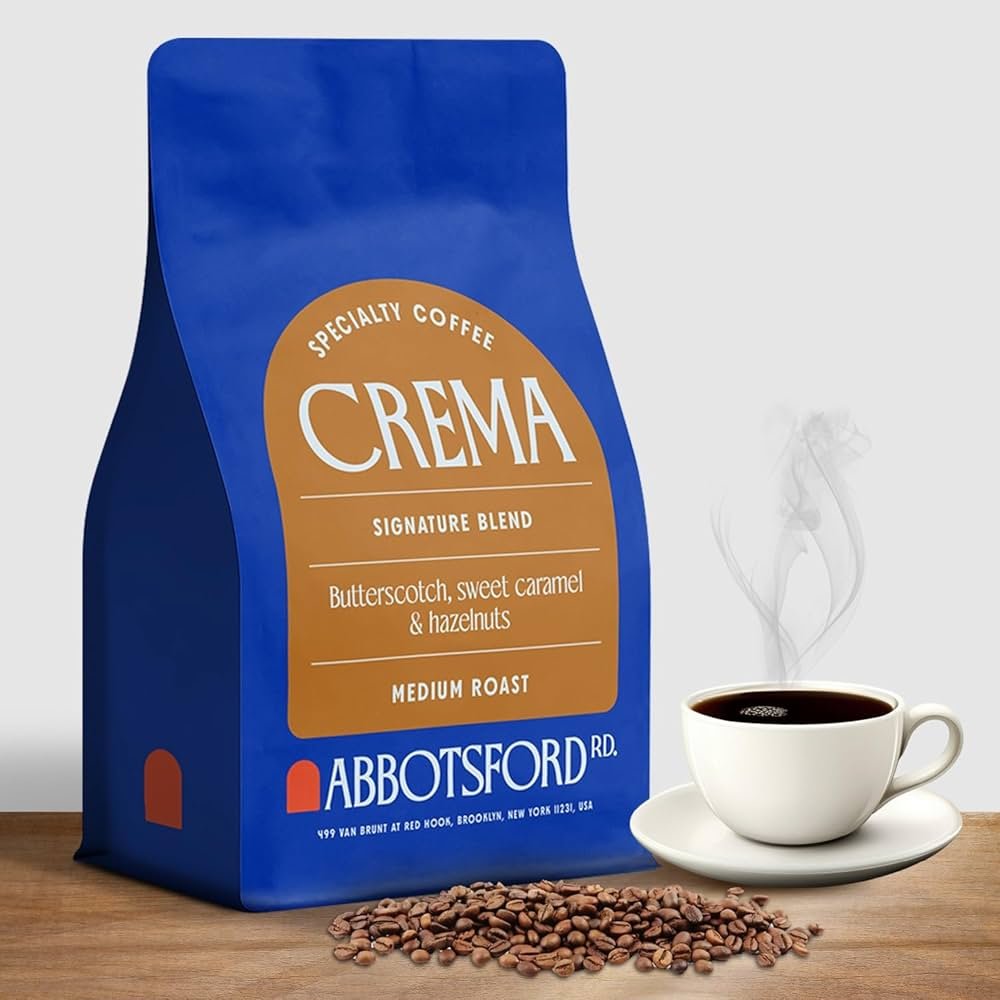
I’ve spent years exploring the borough’s cafes, touring roasteries, and cupping with head roasters from Williamsburg to Red Hook. What I’ve seen firsthand is clear: the rise of specialty coffee roasters in Brooklyn is not a fad—it’s a full-scale transformation driven by quality, transparency, and community. In this guide, I’ll break down how Brooklyn became a specialty coffee powerhouse, what makes these roasters different, and how you can taste the best of it without getting overwhelmed. Whether you’re a barista, a home brewer, or just coffee-curious, you’ll find practical insights and local tips throughout.

Source: www.amazon.com
What Sparked Brooklyn’s Specialty Coffee Boom
Brooklyn’s coffee rise didn’t happen overnight. It evolved from a confluence of culture, craft, and economics.
- Demand for quality: Around the late 2000s, consumers started seeking traceable, single-origin coffee with higher quality scores, often 80+ on the Specialty Coffee Association cupping scale.
- Cultural shift: The third-wave coffee movement emphasized craftsmanship, flavor clarity, and transparent sourcing. Brooklyn’s maker culture, already thriving in food, beer, and design, embraced it.
- Talent concentration: Baristas and roasters moved to neighborhoods like Williamsburg, Bushwick, and Gowanus, where experimental spaces and collaborative labs allowed small-batch roasting to thrive.
- Tech and tools: Affordable sample roasters, data logging software, and portable refractometers democratized precision roasting and brewing.
- Pandemic pivot: Direct-to-consumer subscriptions and local delivery accelerated growth for micro-roasters, turning neighborhood brands into citywide names.
From my early cuppings in a tiny Bushwick warehouse to recent roastery visits near the Brooklyn Navy Yard, the progression is obvious: more experimentation, sharper quality control, and a stronger commitment to ethically sourced coffee.
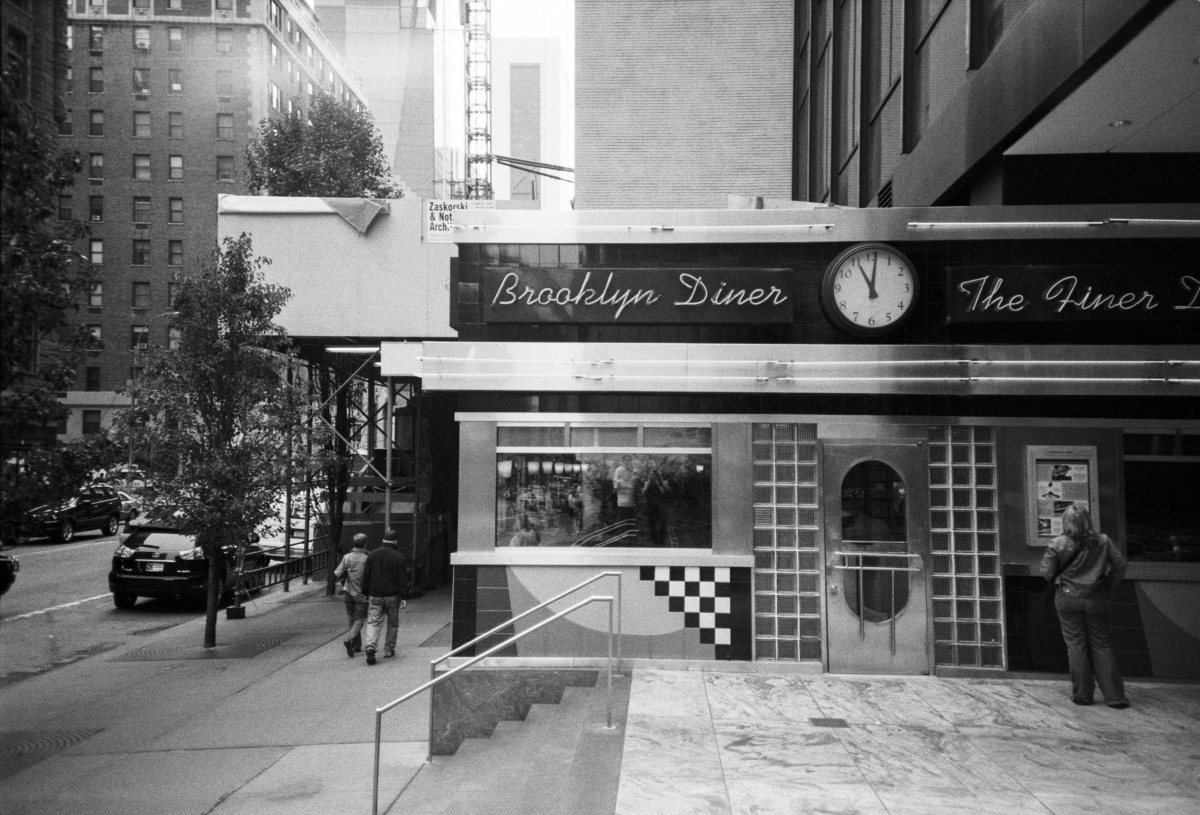
Source: freshcup.com
What Makes A “Specialty” Roaster Different
Specialty coffee roasters in Brooklyn share a few defining traits that set them apart from commodity coffee brands.
- Sourcing standards: They prioritize traceable lots through direct trade or trusted importers, often paying premiums above market price to support producers and secure consistency.
- Quality benchmarks: Coffees typically score 80+ on standardized cupping protocols. Many release limited microlots with unique processing methods like honey or anaerobic fermentation.
- Roast profiles: Instead of dark, smoky notes, you’ll find roast curves designed to highlight terroir—think juicy Kenyan acidity, floral Ethiopian aromatics, or chocolatey Colombian sweetness.
- Transparency: Detailed bag labels show origin, variety, altitude, processing, and roast date, helping drinkers learn and compare.
- Education: Public cuppings, classes, and brew guides empower customers to brew better at home, which strengthens loyalty and community.
In my experience, the most trustworthy Brooklyn roasters invite you to taste and ask questions. If a roaster can walk you through their profile decisions and show batch logs, that’s a strong signal of consistency and care.
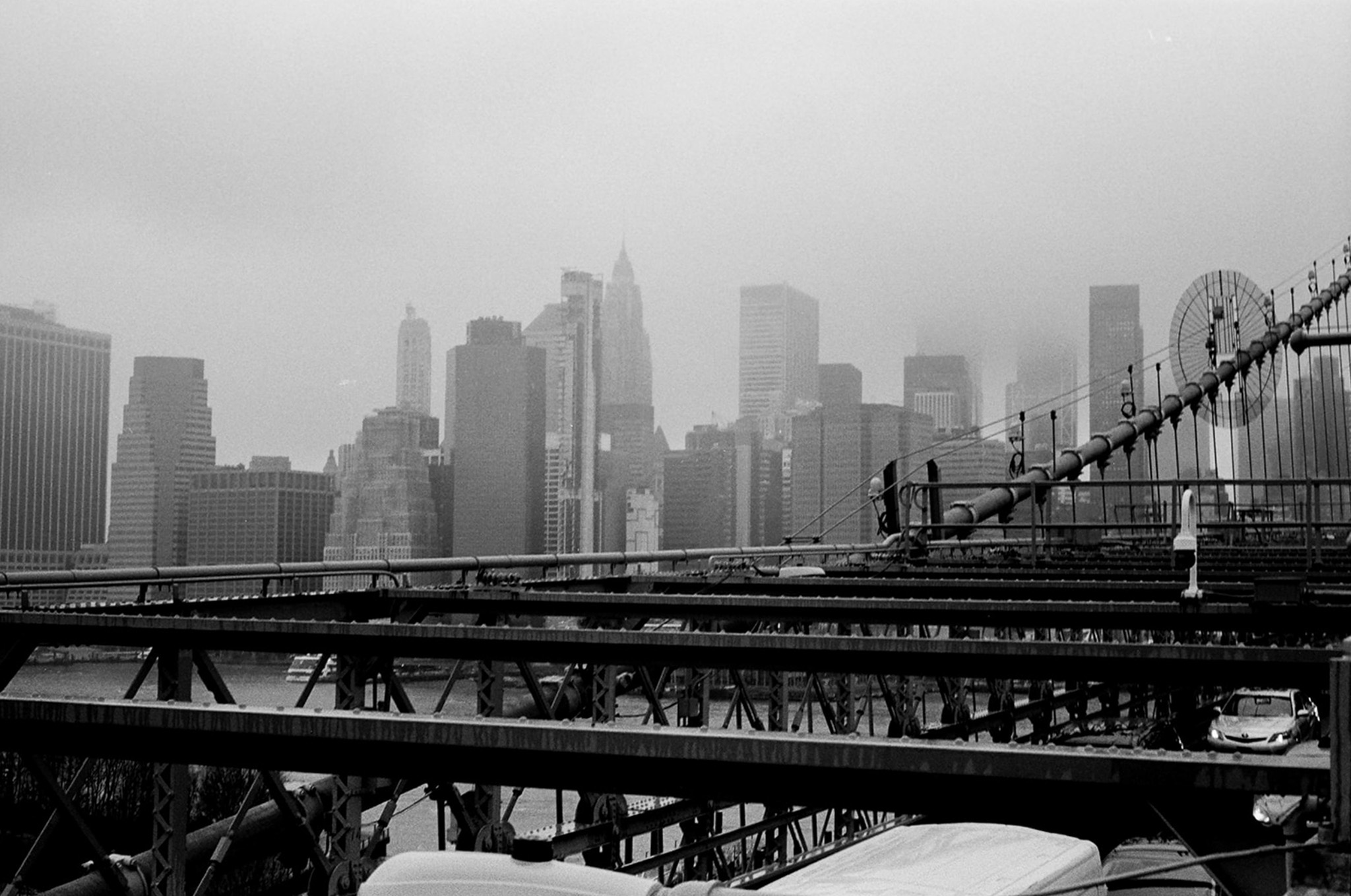
Source: home.lamarzoccousa.com
Neighborhoods Powering The Brooklyn Coffee Scene
Certain pockets of Brooklyn have become micro-ecosystems for roasting, training, and cafe culture.
- Williamsburg: A gateway for newcomers with easy-to-love pour-overs and accessible espresso programs. Expect lighter roast profiles and experimental signature drinks.
- Bushwick: Home to many production roasteries and shared roasting spaces. You’ll find edgy, limited-release single origins and pop-up cuppings.
- Greenpoint: Balance of cozy cafes and quality-forward espresso bars with a strong pastry game to match nuanced brew methods.
- Gowanus and Red Hook: Larger roastery footprints, training labs, and wholesale operations that supply cafes across the borough.
Tip from the field: Plan a Saturday roastery crawl. Start with a morning pour-over in Williamsburg, hop the L and G lines to Bushwick and Greenpoint for cuppings, then end in Red Hook for espresso and a roastery tour. You’ll taste Brooklyn’s range in a single day.

Source: www.amazon.com
From Farm To Brooklyn: Sourcing, Logistics, And Ethics
Great roasted coffee starts long before beans hit a Brooklyn drum roaster. Understanding the supply chain makes your cup taste better because you know what you’re supporting.
- Harvest and processing: Flavor begins with cultivar and terroir, then is shaped by washed, natural, honey, or experimental processing.
- Import partnerships: Specialty importers vet quality, cup for defects, and handle logistics. Some Brooklyn roasters buy directly from producers they visit annually to build long-term relationships.
- Price and sustainability: Paying above-market premiums helps producers reinvest in equipment, drying beds, and agronomy training. Many roasters adopt long-term contracts to stabilize income for farms.
- Traceability: Lot-level tracking ensures you can follow a coffee from farm to bag. QR codes and digital batch logs are increasingly common.
I’ve toured sourcing sessions where green buyers compare samples by moisture content, water activity, and density before they ever roast. When a roaster shares these specs, it adds credibility and shows they’re making data-driven decisions.

Source: www.amazon.com
Inside The Roastery: How Brooklyn Roasters Dial In Flavor
Roasting is where art meets science. Here’s how top Brooklyn roasters achieve consistent, expressive profiles.
- Sample roasting: Small batches reveal a coffee’s potential. Roasters cup side by side to choose a direction.
- Profile development: Adjustments to charge temperature, gas, airflow, and end temperature control sweetness, acidity, and body.
- Data and repeatability: Roast-logging software tracks rate of rise, turning point, and development time. This allows seasonal recalibration as beans age.
- Quality control: Daily cuppings catch defects and maintain flavor targets. Refractometers and TDS checks help dial in cafe brews.
As a useful analogy, think of roasting like cooking steak: the same cut can be seared to highlight different textures and juiciness. In coffee, heat application shapes sugars and acids to highlight origin character without burning nuance.
How To Taste Specialty Coffee Like A Local
You don’t need pro gear to enjoy Brooklyn’s best. Start with intention and a simple routine.
- Smell first: Dry aroma offers early clues. Floral notes suggest Ethiopian heirlooms; cocoa and nuts hint at Latin American origins.
- Note temperature changes: Flavors open as the cup cools. Bright fruit at first might settle into caramel or spice.
- Compare side by side: Order two single origins. Take small sips and jot a few descriptors to train your palate.
- Check brew parameters: Ask for dose, yield, and time. If you brew at home, start with a 1:16 ratio and 200°F water, then adjust to taste.
A personal trick I use: taste a coffee black, then revisit with a splash of milk. If the sweetness holds and bitterness doesn’t spike, the roast is well balanced for both filter and espresso.
Practical Tips For Visiting Brooklyn Roasteries And Cafes
Make the most of your coffee adventures with a little planning.
- Go early: Mornings offer the freshest dial-ins and shortest lines.
- Ask about the bar: Some cafes run separate bars for espresso and pour-over; it speeds things up and improves quality.
- Look for roast dates: Aim for 4 to 21 days off roast for most filter brews, slightly longer for espresso.
- Join a cupping: Many roasters host public sessions weekly. It’s the fastest way to learn flavor profiles and meet the community.
- Try limited releases: Microlots and experimental processes sell out quickly. Sign up for newsletters or subscriptions.
Mistake to avoid: buying only by origin name. Ethiopia or Colombia alone isn’t enough. Check variety, altitude, processing, and roast level to match your taste.
Economic Impact And The Future Of Brooklyn’s Coffee
Specialty coffee roasters in Brooklyn are more than trendsetters; they’re small businesses fueling local jobs, training programs, and hospitality careers.
- Jobs and training: Roasteries support roles in production, quality control, logistics, and education, creating pathways for baristas to advance.
- Wholesale networks: Local cafes, restaurants, and offices rely on stable roasting partners for consistent quality and service.
- Innovation pipeline: Expect more ready-to-drink cans, instant specialty coffee, and sustainable packaging like compostable bags.
- Sustainability focus: Watch for increased shade-grown sourcing, water-saving processing, and regenerative agriculture partnerships.
Industry data consistently shows specialty coffee outpacing commodity growth in urban markets, and Brooklyn’s density, tourism, and culinary scene make it a bellwether. The next wave will likely blend sensory excellence with measurable impact across the supply chain.
Frequently Asked Questions Of The Rise Of Specialty Coffee Roasters In Brooklyn
What qualifies coffee as “specialty” in Brooklyn?
Specialty coffee generally scores 80 or above on standardized cupping protocols and is traceable to specific farms or cooperatives. Brooklyn roasters often highlight origin, variety, altitude, and processing to meet those standards.
How do I choose between single-origin and blends?
Choose single-origin for distinct flavors and seasonal exploration, and blends for balance and consistency, especially in milk drinks. Many Brooklyn roasters design blends tailored to espresso while rotating single origins for pour-overs.
Are lighter roasts always better?
Not necessarily. Lighter roasts emphasize acidity and origin character, while medium roasts can enhance sweetness and body. The best choice depends on your taste and brew method. Ask the barista how they recommend serving a particular coffee.
What’s the best time to buy beans after the roast date?
For filter coffee, 4 to 21 days off roast is a reliable window. For espresso, many roasters prefer 10 to 30 days to allow degassing and stabilize extraction.
How can I support ethical sourcing as a consumer?
Look for transparency on labels, ask roasters about long-term relationships with producers, and consider subscriptions from companies that publish sourcing details and pay premiums above commodity prices.
Do Brooklyn roasters offer classes or cuppings?
Yes. Many host public cuppings, brewing workshops, and latte art classes. Check their event calendars or sign up for newsletters to secure a spot.
Conclusion
Brooklyn’s specialty coffee scene rose on the shoulders of community, craftsmanship, and a deep respect for the people who grow the beans. We now have roasters that cup daily, publish sourcing details, and invite anyone to learn. If you’re ready to explore, plan a neighborhood crawl, join a cupping, and start comparing brewing variables at home. The more you taste, the more the city opens up in your cup.
Take the next step: subscribe to a local roaster, bring a friend to a cupping, or leave a comment with your favorite Brooklyn coffee experience so others can discover it too.
Watch This Video on The rise of specialty coffee roasters in Brooklyn