
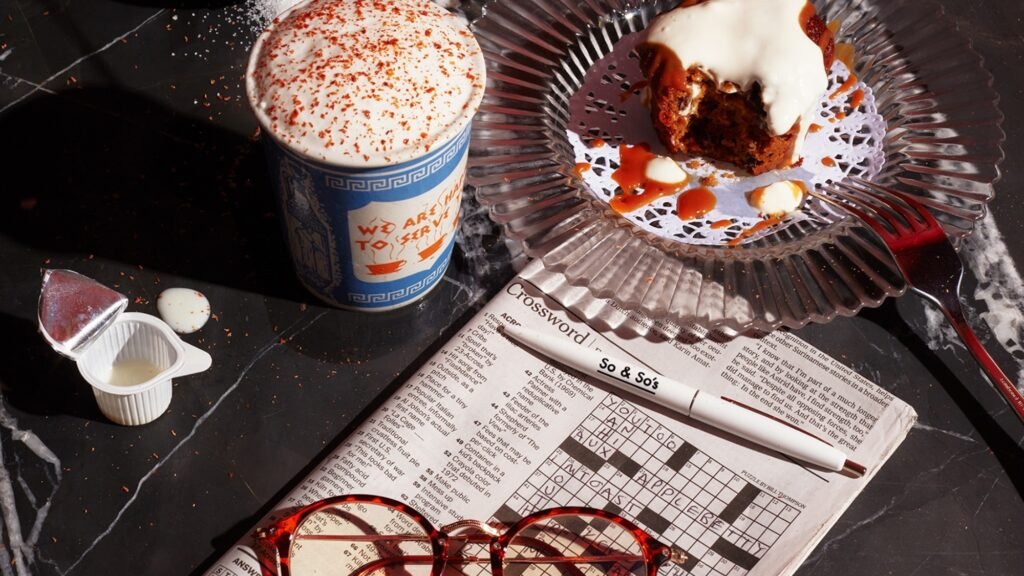
I’ve started countless mornings with a steaming cup from the corner store, and I can tell you this: a classic NYC bodega coffee is more than caffeine—it’s a ritual. It’s hot, fast, affordable, and surprisingly comforting, with a flavor that’s strong, a little rough around the edges, and perfect when ordered “regular.” If you’ve ever wondered what a classic NYC bodega coffee is like, I’ll break it down from experience and research so you can order with confidence and enjoy it like a local.
Source: www.etsy.com
What Makes A Classic NYC Bodega Coffee, Well, Classic?
A classic NYC bodega coffee is drip coffee brewed in a commercial machine that runs all day behind the deli counter. It’s typically a dark roast, poured into a paper cup, and served “regular,” which in New York means coffee with milk and two sugars. You can ask for “light and sweet” if you want extra milk and sugar, or “black” if you want it straight.
Why it stands out:
- It’s fast and reliable. You’ll find it at nearly any corner bodega, early morning to late night.
- It’s affordable. Historically around a dollar, now commonly in the $1.50 to $3 range depending on neighborhood and size.
- It’s part of daily life. From construction workers to commuters, it fuels the city one cup at a time.
From my routine stops in Manhattan and Queens, I’ve learned that the charm is consistency: a familiar taste, a nod from the cashier, and you’re out the door in 30 seconds.

Source: designdives.com
The Flavor Profile: Strong, Sweet, And Straightforward
If specialty coffee is a symphony, bodega coffee is a drumbeat. Expect:
– Roast level: Dark and sturdy, often with smoky, chocolatey notes.
– Body: Medium to heavy, with a slightly oily finish.
– Bitterness: Noticeable when black, but balanced when ordered regular.
– Sweetness: The sugar and milk round off the edges and create that nostalgic “New York” taste.
Why it tastes this way:
- The beans are typically commodity-grade blends leaning darker for consistency.
- The coffee often sits on a warming plate, which concentrates and deepens the roast-like flavors.
- Milk and sugar are integral to the experience, smoothing out bitterness.
My tip: If you’re trying it for the first time, go “regular.” It’s the most authentic expression of the style.
Source: www.etsy.com
How To Order Like A Local
Ordering bodega coffee is its own language. Here’s how I do it on autopilot:
– “Regular” means milk and two sugars.
– “Light and sweet” means extra milk and sugar.
– “Black” and “black no sugar” mean exactly that.
– Size: Small, medium, or large; some spots say 10, 12, and 16 ounces.
– Milk options: Whole milk dominates, but many bodegas now carry half-and-half, skim, or plant-based milks.
Etiquette helps:
- Know your order before you’re at the front.
- Cash is still common; tap-to-pay is increasingly available.
- If there’s a line, step aside after ordering to keep things moving.
Mistakes to avoid:
- Asking for “regular” and expecting “black.” In New York, regular includes milk and sugar.
- Overcomplicating your order during a morning rush. Keep it tight and clear.
Source: www.etsy.com
Behind The Counter: Equipment, Beans, And Milk
Most bodegas rely on standard commercial drip brewers, with glass pots or insulated airpots. The setup is designed for volume and speed, not micro-precision.
What you’ll typically find:
- Brewer: Bunn-style drip machines with warming plates or thermal towers.
- Grind: Medium to medium-coarse pre-ground coffee for consistency.
- Beans: Dark roast blends designed to taste bold even with milk and sugar.
- Milk: Whole milk is the default. Half-and-half is common. Plant milks (oat, almond) increasingly available in many neighborhoods.
Why this matters:
- The equipment prioritizes throughput and reliability.
- The darker roast ensures flavor doesn’t get lost in milk, sugar, or on a quick commute.
- The system is made to deliver the same taste every time, even under pressure.
From experience, when pots are freshly brewed during rushes, the coffee is best—cleaner, hotter, and more aromatic. If you see a fresh pot going up, that’s your moment.
Source: www.etsy.com
Price, Sizes, And What To Expect Today
Bodega coffee used to be a one-dollar icon. Inflation and operating costs have gently nudged prices up, but it’s still one of the best deals in the city.
What I usually see:
- Prices: About $1.50 to $3 depending on size and neighborhood.
- Sizes: Small, medium, large; sometimes extra-large in busy delis.
- Add-ons: Flavored syrups are less common but slowly spreading; most bodegas focus on the basics.
Pro tip: Neighborhood matters. In Midtown and trendy parts of Brooklyn, expect higher prices than in outer boroughs.
Source: www.untappedcities.com
Culture And Iconography: The Blue-And-White Cup
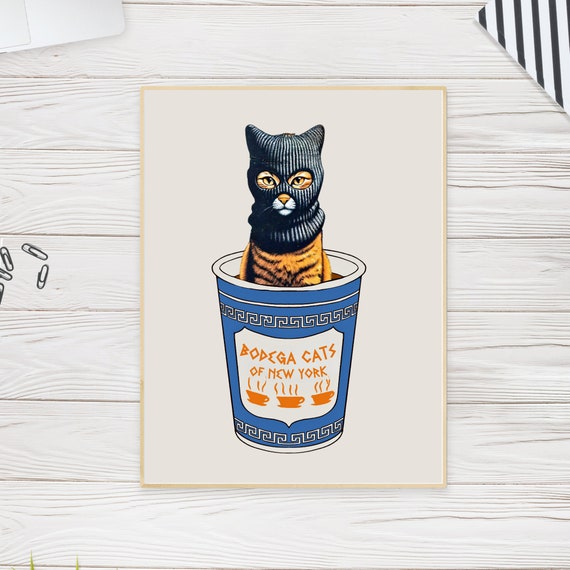
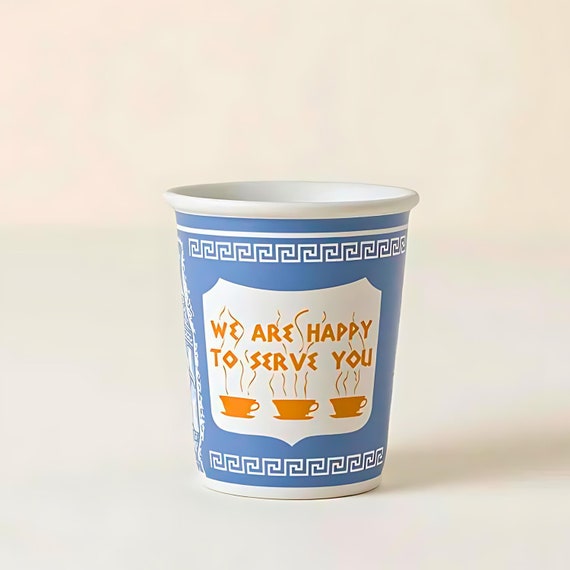
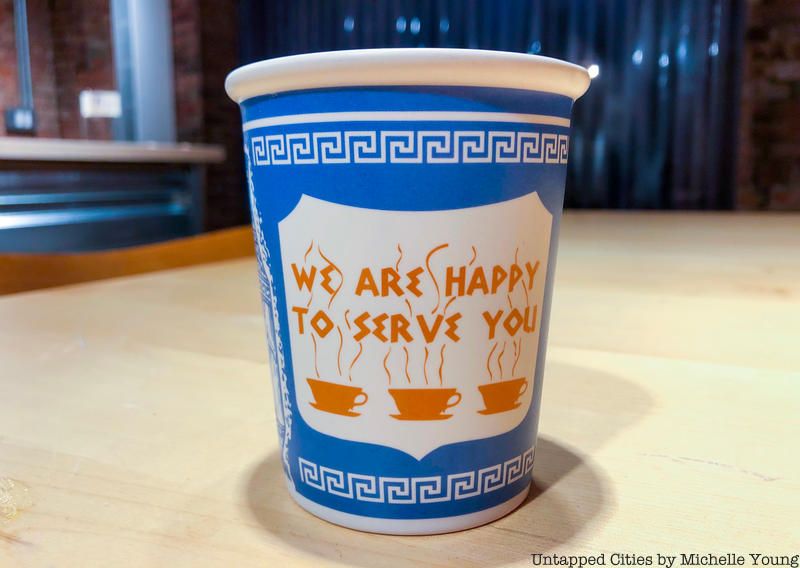
You might associate NYC coffee with the iconic blue-and-white “We Are Happy To Serve You” Anthora cup. While not every bodega uses it, the design has become synonymous with New York’s to-go coffee culture. It evokes that quick, no-fuss experience: a hot cup in hand, steam rising into the morning air, and the city moving around you.
From film scenes to street photography, that cup symbolizes everyday New York. Even if you get a plain white paper cup, the spirit is the same—practical, unfussy, and totally local.
Health And Customization Tips
Bodega coffee can fit a range of preferences if you know how to ask.
What I recommend:
- Reduce sugar: Ask for “one sugar” or “no sugar” and sweeten yourself.
- Milk choices: Many bodegas have skim, half-and-half, or plant-based options. Ask what’s available before ordering.
- Freshness: If the pot looks low or old, politely ask if a fresh brew is on the way.
- Temperature: If your cup is scalding, let it sit for a minute; bodega joe often comes very hot.
Transparency note: Nutritional details vary widely by location. If you have dietary needs, check the milk carton or ask to see the container; most staff are happy to show you.
How It Compares To Third-Wave Coffee Shops
Bodega coffee and specialty coffee serve different roles.
Key differences:
- Speed vs. nuance: Bodega coffee is grab-and-go; third-wave shops focus on precision brewing and origin transparency.
- Flavor: Bodega coffee is bold and straightforward; specialty coffee highlights acidity, sweetness, and terroir.
- Price: Bodega cups are budget-friendly; specialty pours run higher for quality sourcing and labor.
I bounce between both. On workdays, I want that fast bodega jolt. On weekends, I’ll savor a pour-over. There’s room in a New Yorker’s routine for both.
Frequently Asked Questions Of What Is A Classic NYC Bodega Coffee Like?
What does “regular” mean when ordering bodega coffee?
In New York, “regular” means coffee with milk and two sugars. If you want it black, say “black” or “black no sugar.”
How much does a typical bodega coffee cost?
Expect roughly $1.50 to $3 depending on size and neighborhood. Outer boroughs tend to be cheaper than central Manhattan.
Is bodega coffee always dark roast?
Usually yes. Darker roasts deliver consistent flavor, especially with milk and sugar. Some bodegas may use medium-dark blends, but bright, light roasts are rare.
Can I get plant-based milk at a bodega?
More and more, yes. Oat and almond milks are increasingly common, but availability varies. Ask before ordering to keep the line moving.
Is bodega coffee good quality?
It’s built for reliability and taste under real-world conditions—hot, strong, and satisfying. It’s not a specialty-grade experience, but it does its job exceptionally well for the price.
What’s the best time to get the freshest cup?
Morning rush (around 7–10 a.m.) is ideal because pots turn over quickly. If you see a fresh brew going on, that’s your best bet.
Conclusion
A classic NYC bodega coffee is a snapshot of the city: quick, reliable, and full of character. It’s a dark, no-nonsense brew that shines when ordered regular, best enjoyed hot on the sidewalk with the day unfolding around you. If you’re new to it, try a small regular during the morning rush and taste what millions of New Yorkers swear by.
Ready to explore more local coffee rituals? Subscribe for neighborhood guides, comment with your favorite bodega, or share a tip from your corner of the city. Then, grab a cup and take a walk—you might just find your new daily habit.
Watch This Video on What is a classic NYC bodega coffee like?