
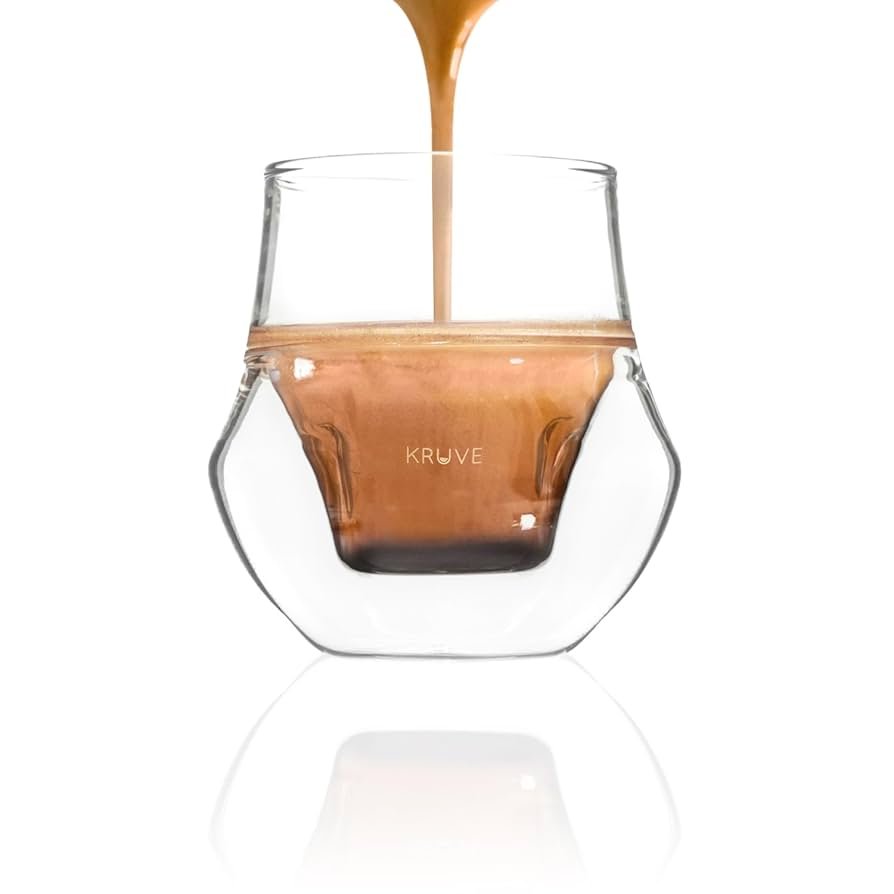
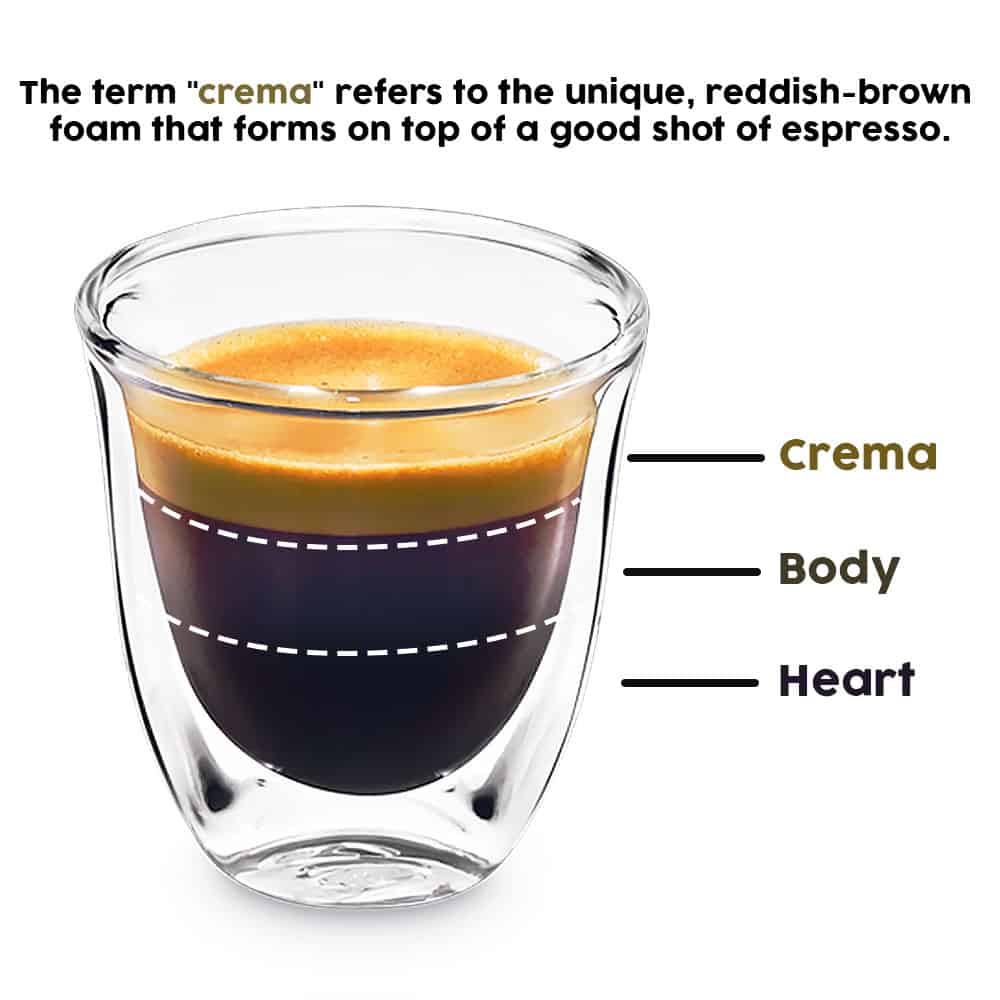
I’ve pulled thousands of shots behind the bar and at home, and one question never goes away: What is crema on espresso? In simple terms, crema is the golden-brown foam that sits on top of a properly extracted espresso, formed by CO2, emulsified oils, and dissolved solids under high pressure. But beyond the aesthetics, crema can tell us a surprising amount about freshness, roast, grind, and extraction. In this guide, I’ll break down the science, share hard-won tips, and help you judge when crema matters—and when it doesn’t.

Source: twochimpscoffee.com
What Crema Actually Is: A Barista’s Definition
Crema is a stable foam composed of microscopic CO2 bubbles, coffee oils, and suspended solids produced when hot water, under 9 bars of pressure, emulsifies compounds in finely ground coffee. Freshly roasted beans retain CO2. During extraction, that gas rapidly expands and carries oils to the surface, forming a fine-textured layer with a hazelnut-to-tawny color.
From a sensory standpoint, crema adds aromatics and a bitter-sweet edge to your first sip. It’s not the espresso’s whole story, but it’s the opening chapter. In my experience, crema is best viewed as a quick diagnostic: it hints at bean freshness, roast level, grind quality, and puck prep—without fully defining flavor quality.
Key characteristics:
- Color: Ranges from light hazelnut to deep caramel, with tiger-striping in some blends.
- Texture: Fine, tight bubbles that linger 30–90 seconds.
- Thickness: Usually 1–4 millimeters on a standard 1:2 ratio shot.
- Aroma: Concentrated volatile compounds that dissipate quickly.
What the research suggests:
- CO2 content is the primary driver of crema formation.
- Lipids, melanoidins, and proteins stabilize the foam.
- Pressure, temperature, and particle distribution influence bubble size and persistence.
Source: bigcupofcoffee.com
The Science Of Crema Formation
Espresso extraction is fast, pressurized chemistry. A few factors work together:
- CO2 from fresh coffee: Roasted beans contain trapped CO2. Grinding releases some; pressure extracts the rest. This outgassing forms the foam’s microbubbles.
- Emulsification of oils: High pressure and heat disperse coffee lipids into tiny droplets, which cling to bubble surfaces and stabilize the foam.
- Fine particles and colloids: Microparticles from the coffee bed suspend in the liquid, adding color and body to the crema.
- Pressure and temperature: Around 9 bars and 195–205°F promote optimal emulsification; too hot or too cold shifts solubility and foam stability.
- Roast chemistry: Darker roasts generally produce more crema due to higher CO2 and oil mobility, although the flavor can skew bitter if extraction is rushed.
A helpful analogy: Think of crema like the head on a well-poured stout. Gas provides lift, proteins and oils provide structure, and the pour conditions decide texture and longevity.
:max_bytes(150000):strip_icc()/GettyImages-925392702-ce9de88aa4c8404ea213381a1a0cd9b9.jpg)
Source: www.thespruceeats.com
Does More Crema Mean Better Espresso?
Short answer: not necessarily. Crema is a visual cue, not a flavor guarantee.
What crema can indicate:
- Freshness: More crema often means fresher beans, especially 5–21 days post-roast for most roasts.
- Roast level: Darker roasts typically show fuller crema.
- Species: Robusta-heavy blends often produce thicker crema than 100% Arabica due to higher CO2 and lipid content.
What crema can’t guarantee:
- Balance or sweetness: You can have tons of crema and still get a flat or bitter shot.
- Proper extraction: Channeling can create big crema but hollow flavor.
- Bean quality: Defects and stale storage can hide behind pretty foam.
My rule behind the bar: Judge by taste first. Crema is a clue, not the verdict.
Source: www.reddit.com
Factors That Influence Crema
From my daily dialing-in routines, these variables consistently move the needle:
- Bean freshness: Too fresh (0–3 days) can mean unruly CO2 and unstable crema; too old (30+ days for many roasts) means thin or fast-fading crema.
- Roast level: Medium to medium-dark often gives a balanced crema; very light roasts can have paler, thinner crema but superb flavor if extracted well.
- Grind size and distribution: Uniform fines help with foam formation, but an excess of fines or clumps can cause channeling. Quality burrs and good puck prep matter.
- Dose and yield: Typical starting point is 1:2 ratio in 25–35 seconds. Extremes can thin out or over-thicken crema.
- Pressure and flow: Around 9 bars is standard; inconsistent pressure or poor preinfusion can disrupt foam stability.
- Temperature: Aim for 195–205°F; too hot can scorch oils and thin crema, too cool can under-emulsify.
- Water quality: Moderate alkalinity and hardness improve foam stability and flavor; ultra-soft or very hard water harms both.
- Basket and puck prep: Precision baskets, a level tamp, and even distribution reduce channeling and stabilize crema.
Practical note: Robusta in the blend can be a tool if you want more persistent crema for milk drinks or traditional Italian-style shots.
Source: coffeeatthree.com
How To Get Better Crema At Home
Here’s the straightforward workflow I use when dialing in:
- Choose appropriate beans: Start with a medium or medium-dark espresso roast, 5–14 days post-roast. Store in a sealed, opaque container at room temp.
- Dial in grind: Adjust until you hit a 1:2 ratio in 25–35 seconds with a steady, syrupy flow and even blonding.
- Improve distribution: Use a WDT tool and a consistent tamp around 30 pounds of pressure. Keep the puck dry before locking in.
- Stabilize temperature: Let the machine fully warm up. If available, use PID to hold a stable set point.
- Preinfuse: 2–8 seconds of gentle preinfusion helps saturate the puck and reduce channeling, often improving crema consistency.
- Maintain your gear: Clean the group head, shower screen, and burrs regularly. Old oils and fines degrade foam and flavor.
- Optimize water: Aim for water around 50–70 ppm alkalinity and 60–120 ppm total hardness to balance extraction and foam stability.
Home test I love: Pull two shots back-to-back, changing only one variable (grind, dose, or temperature). Watch crema formation and taste side by side to learn what each change does.
Troubleshooting Crema Problems
Common issues I see and how I fix them:
-
Thin or quickly disappearing crema
- Likely causes: Old beans, low brew temp, under-extraction, extremely light roast.
- Fix: Use fresher beans, raise temperature slightly, fine up the grind, or lengthen contact time.
-
Big, bubbly crema with harsh bitterness
- Likely causes: Very fresh beans gassing off, too hot, or channeling.
- Fix: Rest beans a few more days, lower temperature 1–2°F, improve puck prep.
-
Dark, patchy crema with early blonding
- Likely causes: Uneven distribution, grinder retention, or uneven basket.
- Fix: WDT, purge the grinder, and check basket cleanliness.
-
No crema on new beans
- Likely causes: Very light roast, low pressure, or very soft water.
- Fix: Increase pressure or preinfusion time, raise temperature, or remineralize water to target specs.
-
Crema tastes too bitter on first sip
- Tip: Stir the espresso before drinking to integrate the crema with the liquid. This balances the sensory profile.
Tasting Crema Like A Pro
When I cup espresso, I evaluate crema intentionally:
- Spoon test: Skim a small sample. If it’s aggressively bitter or ashy on top, I stir the shot to redistribute oils and aroma.
- Color cues: Uniform hazelnut suggests even extraction. Mottled tiger-striping can be fine, but patchy pale spots often hint at channeling.
- Time-to-fade: Crema that lingers 45–60 seconds is a decent sign of foam stability, though I still prioritize taste.
For milk drinks, a slightly thicker crema can help carry flavor through milk, especially with traditional cappuccinos. For straight shots, balance and sweetness matter more than foam height.
FAQs Of What Is Crema On Espresso?
What exactly is crema on espresso?
Crema is the golden-brown foam made of CO2 bubbles, emulsified oils, and suspended coffee solids that forms on top of an espresso extracted under high pressure.
Does more crema mean better espresso?
Not always. While crema can indicate freshness and certain roast traits, flavor quality depends on proper extraction, grind, and puck prep.
Why do some beans produce more crema than others?
Darker roasts and Robusta-containing blends often yield more crema due to higher CO2 and lipid content. Freshness and processing also matter.
How long should crema last?
Typically 30–90 seconds. Very fast-fading crema may suggest older beans or under-extraction, though light roasts can still taste great with thinner crema.
Can I improve crema with technique alone?
Yes, to a point. Better distribution, preinfusion, stable temperature, and correct grind help. But bean freshness, roast level, and water composition are foundational.
Should I stir my espresso to mix the crema?
If the first sip tastes harsh or overly bitter, stirring integrates crema with the liquid and often improves balance.
Why is my crema very light in color?
Likely a light roast, cooler brew temp, or under-extraction. Try a slightly finer grind or a small temperature increase.
Conclusion
Crema is the espresso’s first impression: a sign of fresh beans, sound technique, and healthy extraction. It forms when pressure, heat, CO2, and oils create a fine, persistent foam—beautiful, aromatic, and meaningful, but not a guarantee of flavor quality. Use it as a guide, not a grade.
If you want better crema at home, focus on fresh beans, consistent grind, careful puck prep, stable temperature, and good water. Taste is king, so stir, compare, and iterate. Try one improvement at a time this week—dial in your grind, refine your preinfusion, or tweak your temperature—and watch your crema (and flavor) fall into place.
If you found this helpful, subscribe for more barista-level guides, or drop a comment with your crema challenges and I’ll help you troubleshoot.
Watch This Video on What is crema on espresso?