

I’ve spent years behind the bar and in front of the espresso machine, dialing in shots and steaming milk for thousands of drinks. When people ask me, What is the difference between a latte and a cappuccino?, I smile because it’s a simple question with a surprisingly rich answer. At its core, both drinks start with espresso and steamed milk, but their textures, ratios, and flavor balance are intentionally different. If you’ve ever sipped a latte and thought “smooth and silky,” then tried a cappuccino and felt “airy and bold,” you’ve already tasted the true difference. Let’s break it down clearly so you can order—or make—exactly what you’ll love most.
Source: coffeenate.com
The Core Difference At A Glance
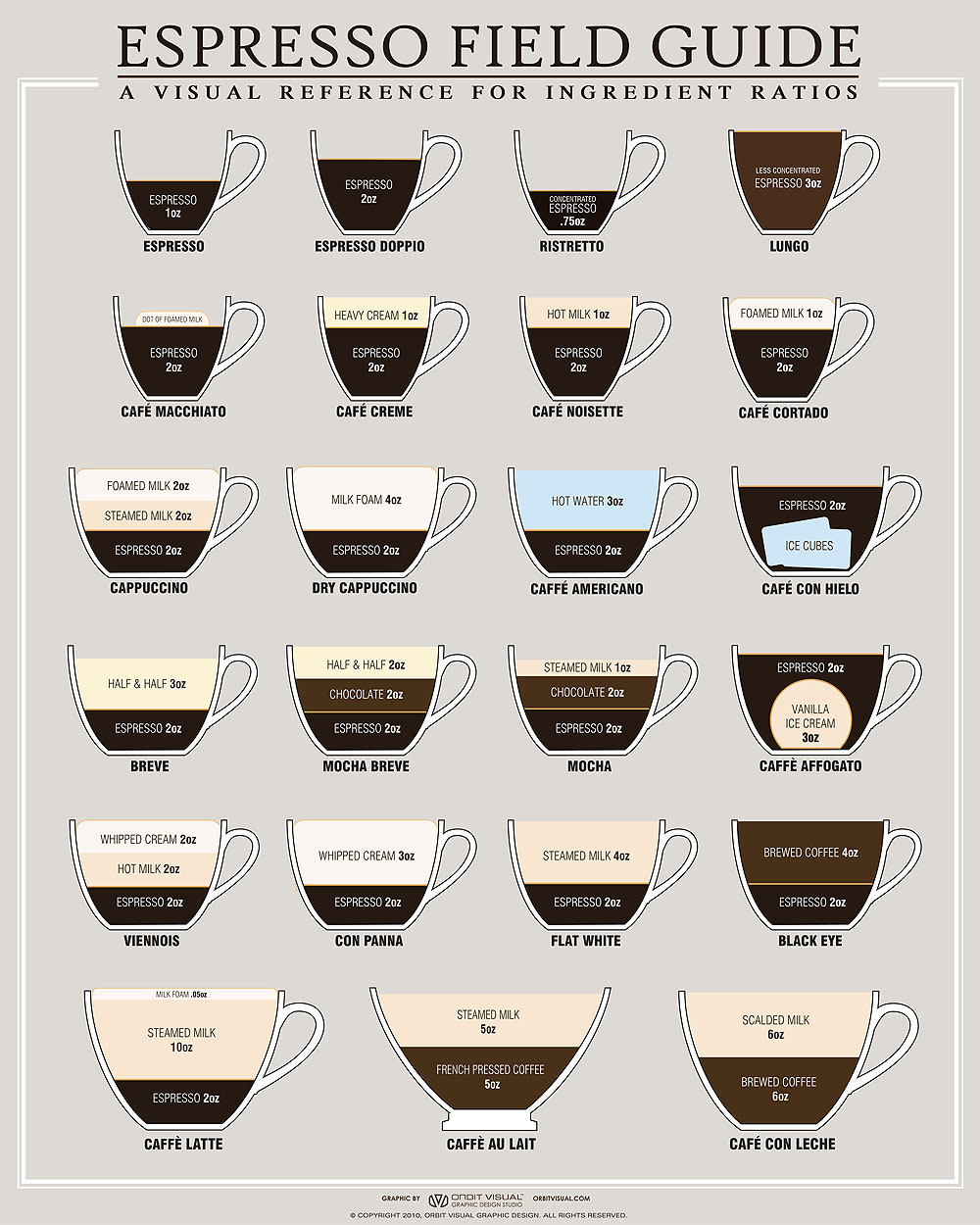
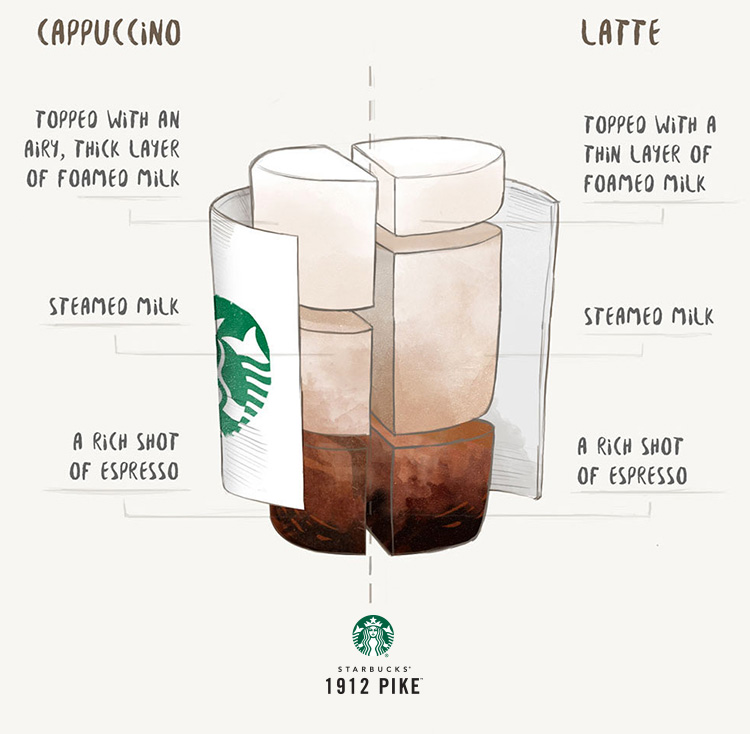
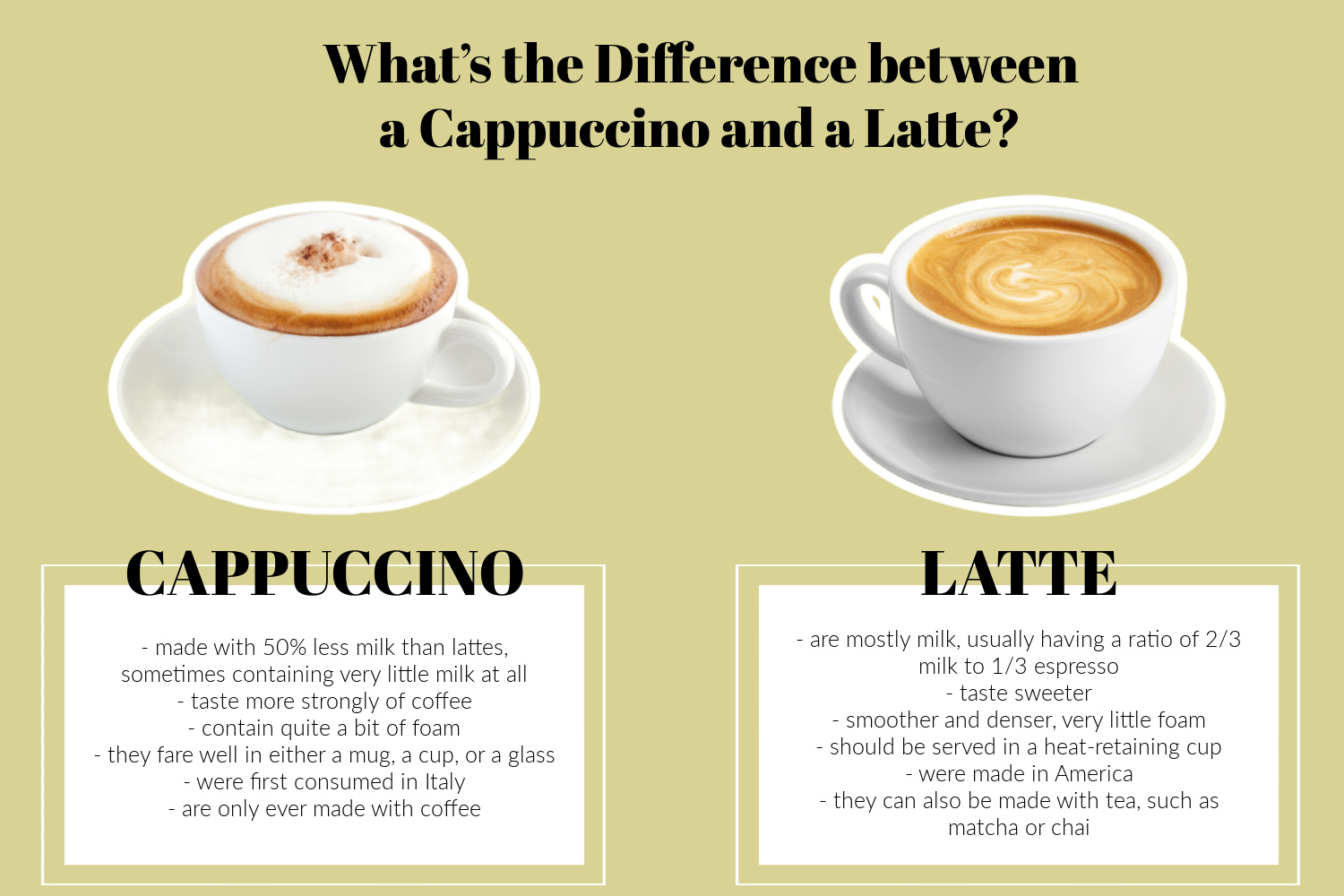
When I teach new baristas, I frame latte vs cappuccino like this: a latte is espresso-forward but milk-dominant with a velvety texture, while a cappuccino is espresso-forward with a distinct, airy foam cap that amplifies aroma and intensity. Both rely on balanced espresso extraction, but they diverge in milk texture and volume.
Here’s the simple way I describe it at the bar:
- Latte: More steamed milk, thinner microfoam, larger cup, smoother mouthfeel.
- Cappuccino: Less milk, thicker and drier foam, smaller cup, stronger coffee perception.
From a sensory angle, foam acts like a volume knob. Cappuccino foam diffuses aromas and concentrates perception of espresso brightness, while latte microfoam mellows acidity and brings out sweetness. Studies in sensory science back up how foam bubble size and density affect perceived sweetness and bitterness, which is why technique matters so much in both drinks.
Source: www.starbucks.com.cn
Espresso, Milk, And Foam Ratios
Classic ratios vary by region and café, but the intent is consistent.
- Espresso base: 1 to 2 shots (about 18–36 g liquid espresso depending on recipe).
- Latte ratio: Roughly 1 part espresso to 3–5 parts steamed milk, topped with 0.5–1 cm microfoam.
- Cappuccino ratio: Traditionally equal thirds by volume—espresso, steamed milk, foam—served around 5–6 oz total.
In practice:
- A typical 12 oz latte uses 1–2 shots and a lot of milk, creating a mellow profile suited to flavored syrups or latte art.
- A traditional cappuccino sits at 5–6 oz, giving more clarity to the espresso’s origin and roast.
Reality check: Some chains stretch cappuccinos larger, but the hallmark remains a noticeably thicker foam layer. When I compete in latte art jams, I always shift toward latte-style microfoam for pourability; for cappuccinos, I reduce milk volume and incorporate more air early to achieve a drier, mousse-like cap.
Source: kingsofcaffeine.com
Milk Texture And Mouthfeel
Milk texture is the signature difference. Texture changes flavor because fat, protein, and air interact differently at varied temperatures.
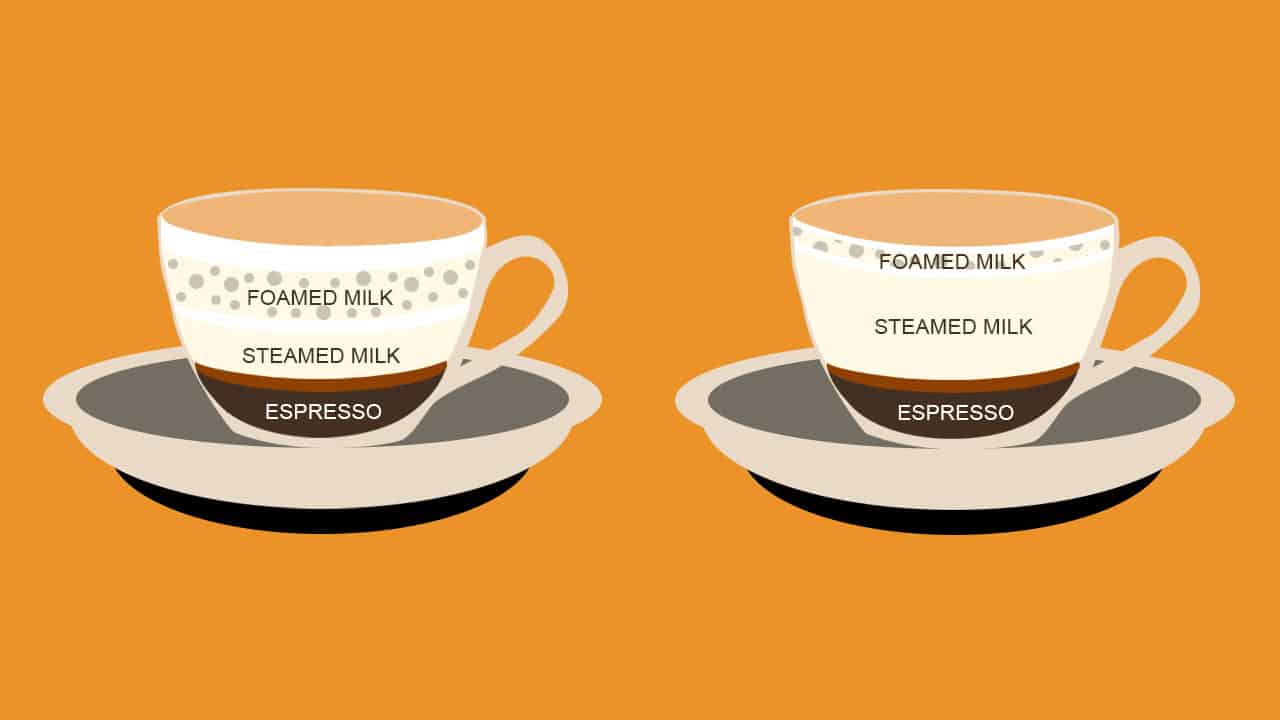
- Latte microfoam: Fine, glossy, paint-like texture with tiny bubbles. Made by introducing minimal air (gentle “chirps” for 2–3 seconds), then rolling the milk to integrate. Result: silky, sweet, and ideal for latte art.
- Cappuccino foam: Thicker, drier, more structured foam with larger microbubbles. Introduce air for longer early in steaming, then heat to a slightly lower final temp for stability. Result: a fluffy cap that sits on the espresso, adding a light, aerated mouthfeel.
Temperature matters:
- Sweet spot for milk: 130–150°F (54–65°C) to maximize sweetness from lactose without scorching proteins. Lattes often land near 140–150°F for that plush feel; cappuccinos sometimes a touch cooler to keep foam stable.
Common mistakes I see:
- Over-aerating lattes makes them bubbly and thin.
- Under-aerating cappuccinos collapses the cap and turns them into small lattes.
Source: coffeenate.com
Flavor, Strength, And Sweetness
Both drinks can use the same espresso, but they taste different because milk volume and foam density reshape flavor perception.
- Latte: Softer, sweeter, and rounder. The extra milk emphasizes caramel and chocolate notes, especially with medium roasts. It’s a great canvas for syrups like vanilla or caramel without overpowering the espresso.
- Cappuccino: Brighter, more intense, and aromatic. The foam concentrates the coffee’s acidity and aroma, highlighting fruit or nut notes, especially with lighter roasts.
If you prefer chocolate croissant vibes, go latte. If you enjoy biscotti crunch with a lift of citrus or toasted nuts, cappuccino’s your friend.
Source: www.lemonsforlulu.com
Sizes, Calories, And Nutrition
Portion size drives nutrition differences more than anything else.
-
Typical sizes:
- Cappuccino: 5–6 oz.
- Latte: 8–16 oz (sometimes 20 oz in chains).
-
Calorie range with whole milk and a double shot:
- Cappuccino: roughly 80–120 calories (small volume).
- Latte: roughly 150–250+ calories depending on size.
-
Dairy alternatives:
- Oat milk boosts body and perceived sweetness, great for latte art.
- Almond milk is lighter and can split if overheated; better for smaller cappuccinos when well-steamed.
- Soy milk foams reliably but can mask delicate espresso notes.
Industry data consistently shows that lower final milk temp enhances perceived sweetness, letting you enjoy fewer syrups. From my experience, a 140°F latte with whole or oat milk often needs no added sweetener.
Variations And Regional Styles
Cafés interpret latte vs cappuccino through their culture and gear.
-
Wet vs dry cappuccino:
- Wet: More steamed milk, less foam; closer to a small latte.
- Dry: More foam, less liquid; stronger perceived coffee flavor.
-
Flat white: Typically smaller than a latte (5–6 oz) with ultra-fine microfoam and a higher coffee-to-milk ratio. Sits between cappuccino intensity and latte silkiness.
-
Iced versions:
- Iced latte: Espresso over ice with cold milk; no steamed texture, clean and refreshing.
- Iced cappuccino: Often a misnomer; some cafés use cold foam to mimic the hot foam’s texture.
-
Italian tradition:
- Cappuccino is a morning drink with pastry, seldom ordered after late morning.
- Latte in Italy is simply milk; order caffè latte to avoid a glass of plain milk.
Ordering Smart: Barista Tips And Mistakes To Avoid
What I ask guests to dial in the perfect drink:
– Do you want creamy or airy? Creamy points to latte; airy points to cappuccino.
– How big? If you want a small, punchy drink, cappuccino or flat white fits better than a 16 oz latte.
– Any dietary preferences? Oat milk for body, almond for lighter, dairy for classic sweetness.
Practical tips:
- Ask for a traditional cappuccino if you want the 5–6 oz format with a thick foam cap.
- Request milk temp around 140°F if you prefer more sweetness.
- For stronger coffee flavor in a latte, choose a smaller size or ask for ristretto shots.
Mistakes to avoid:
- Ordering a cappuccino expecting heavy latte art; true capp foam is less pourable.
- Overloading lattes with syrup before trying a well-extracted, correctly steamed version—you may find you don’t need as much sweetener.
Home Brewing: Tools, Techniques, And Practice
Making café-quality drinks at home is doable with practice.
What you need:
- Espresso machine with a reliable steam wand and a precise grinder.
- Fresh coffee, ideally a medium roast for balanced milk drinks.
- A 12 oz milk pitcher for better control and a thermometer while you learn.
Technique that works for me:
- For lattes: Stretch milk briefly (2–3 seconds of air) then roll to polish. Aim for glossy paint-like microfoam and 140–150°F.
- For cappuccinos: Introduce air longer up front to build a thicker foam, then roll enough to integrate without collapsing bubbles. Slightly cooler finish keeps foam stable.
- Pouring:
- Latte: Steady stream, pitcher close to the surface, then lift and lower to draw art.
- Cappuccino: Gentle center pour, let the foam settle like a cap rather than chasing elaborate art.
If you’re using a handheld frother or French press, you can still create drinkable foam:
- Warm milk gently, whisk or pump to create foam.
- For latte-like texture, stop earlier for smaller bubbles.
- For cappuccino-like texture, froth longer and spoon foam on top.
Frequently Asked Questions of What is the difference between a latte and a cappuccino?
Is a cappuccino stronger than a latte?
Both usually contain the same espresso. Cappuccinos taste stronger because there’s less milk and more foam, so espresso flavors stand out more.
What are the traditional sizes for each drink?
A classic cappuccino is 5–6 oz total. Lattes typically range from 8–16 oz, with larger sizes at chains.
Which drink is better for latte art?
Lattes. Their fine microfoam makes detailed pours easier. Cappuccino foam is thicker and less pourable, so art is simpler or minimal.
What milk works best for each?
Whole milk delivers the best texture and sweetness for both. Oat milk is a strong alternative for lattes; for cappuccinos, any milk that foams sturdily (whole, soy, some barista oat blends) works well.
How do wet and dry cappuccinos differ?
Wet cappuccinos have more steamed milk and less foam, tasting creamier. Dry cappuccinos have more foam and less liquid, tasting bolder and lighter in body.
Can I get an iced cappuccino?
Many cafés serve an iced drink with cold foam to mimic cappuccino texture. Technically, a traditional cappuccino is hot, but cold-foam versions are a popular modern twist.
What’s the difference between a latte and a flat white?
A flat white is smaller with a higher espresso-to-milk ratio and ultra-fine microfoam, sitting between cappuccino intensity and latte creaminess.
Conclusion
The real difference between a latte and a cappuccino comes down to milk volume and foam texture, which reshape flavor, aroma, and mouthfeel. If you crave silky and mellow, go latte. If you want airy, aromatic, and punchier coffee character, choose a cappuccino. Try both with a smaller size and a 140°F milk target to appreciate how texture transforms taste. Ready to level up your coffee routine? Experiment at home, ask your barista for a traditional cappuccino, or subscribe for more guides and brew tips. Drop your questions or favorite recipes in the comments—I read them all.
Watch This Video on What is the difference between a latte and a cappuccino?