
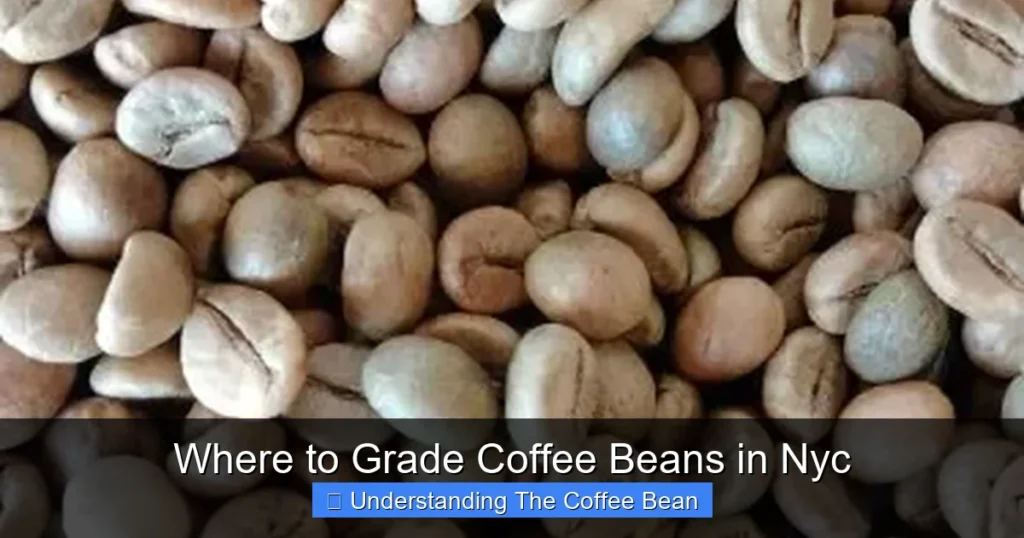
Grading coffee beans in NYC is easier than ever, thanks to a thriving specialty coffee scene. From professional cupping labs to roaster-hosted workshops, the city offers multiple ways to learn how to assess bean quality, flavor, and origin.
Key Takeaways
- Specialty coffee roasters often host public cupping sessions: These events are ideal for learning how to grade beans using industry-standard methods.
- Cupping labs and coffee schools provide hands-on training: Institutions like the Coffee Quality Institute (CQI) partner with NYC venues for certified courses.
- Third-wave cafes welcome curious coffee lovers: Many cafes offer informal tastings where you can observe or participate in grading.
- Look for SCAA or SCA-certified instructors: These professionals use standardized protocols to evaluate aroma, acidity, body, and aftertaste.
- Home grading is possible with the right tools: A simple setup—scale, grinder, hot water, and spoons—lets you practice sensory evaluation at home.
- Seasonal and single-origin beans offer the best learning opportunities: These highlight terroir and processing differences, key factors in professional grading.
- Networking with local baristas enhances your skills: Many are trained graders and happy to share insights during off-peak hours.
📑 Table of Contents
- Why Grading Coffee Beans Matters in NYC’s Coffee Culture
- What Is Coffee Grading—And Why Should You Care?
- Top Places in NYC to Learn Coffee Grading
- How to Grade Coffee Beans Like a Pro
- The Role of Technology and Tools in Coffee Grading
- Building a Coffee Grading Community in NYC
- Conclusion: Start Your Coffee Grading Journey Today
Why Grading Coffee Beans Matters in NYC’s Coffee Culture
New York City isn’t just a hub for finance, fashion, and food—it’s also a thriving center for specialty coffee. Walk into almost any neighborhood, and you’ll find a third-wave café roasting its own beans, hosting latte art competitions, or offering pour-over tastings. But behind every perfect cup is a rigorous process of evaluation known as coffee grading. This practice determines a bean’s quality, flavor potential, and market value. Whether you’re a home brewer, aspiring barista, or simply a curious coffee lover, understanding where to grade coffee beans in NYC opens the door to deeper appreciation and better brewing.
Grading isn’t just for professionals. It’s a skill that helps you choose better beans, avoid overpaying for mediocre coffee, and brew with confidence. In a city where coffee culture is both competitive and collaborative, learning how to assess beans gives you an edge. You’ll start noticing subtle differences in acidity, body, and aroma—details that separate a good cup from a great one. And the best part? You don’t need a lab coat or a degree to get started. NYC offers a variety of accessible, hands-on opportunities to learn and practice coffee grading.
What Is Coffee Grading—And Why Should You Care?
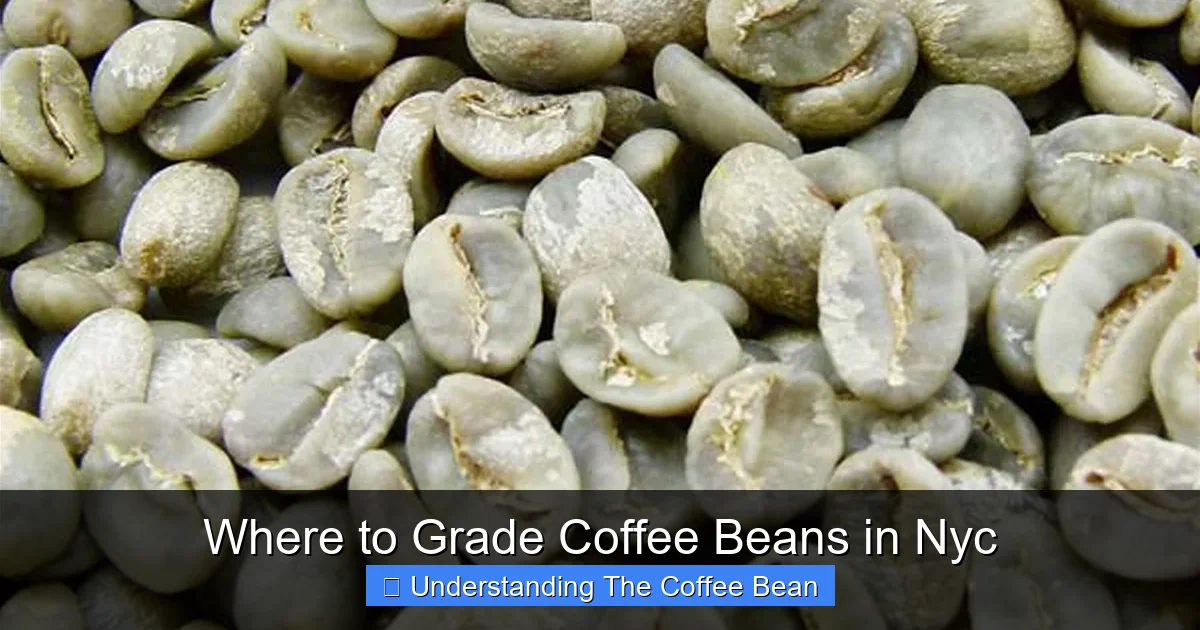
Visual guide about Where to Grade Coffee Beans in Nyc
Image source: freshgoodsgroup.com
At its core, coffee grading is the systematic evaluation of green (unroasted) or roasted coffee beans to determine their quality. This process considers factors like bean size, density, moisture content, defect count, and sensory characteristics such as aroma, flavor, acidity, body, and aftertaste. Professional graders—often called Q Graders when certified by the Coffee Quality Institute—use standardized protocols to ensure consistency and fairness.
But why should you, as a consumer or enthusiast, care about grading? For one, it helps you understand what you’re buying. A bag labeled “single-origin Ethiopian” might sound impressive, but without grading, you can’t be sure if those beans are truly exceptional or just average. Grading reveals whether a coffee has been processed properly, stored correctly, and roasted to highlight its best qualities. It also helps roasters maintain consistency and build trust with their customers.
In NYC, where competition among roasters is fierce, grading is a way to stand out. Top roasters like Sey Coffee, Partners Coffee, and Variety Coffee Roasters invest heavily in quality control. They cup (taste) every batch before it hits the shelves. By learning how they do it, you gain insight into what makes a coffee truly special—and how to replicate that excellence at home.
Top Places in NYC to Learn Coffee Grading
If you’re serious about learning how to grade coffee beans, NYC offers several excellent venues—from formal training centers to casual cupping sessions at local cafes. Here are some of the best places to start your journey.
1. The Coffee Classroom at Sey Coffee
Located in the heart of Brooklyn, Sey Coffee is more than just a roastery—it’s a destination for coffee education. Their on-site Coffee Classroom offers regular cupping sessions and grading workshops led by certified Q Graders. These sessions typically last 90 minutes and cover everything from green bean evaluation to sensory analysis using the Specialty Coffee Association (SCA) flavor wheel.
During a typical class, you’ll taste multiple coffees side by side, learning to identify flavor notes like citrus, chocolate, or floral hints. Instructors guide you through the cupping process: smelling the dry grounds, breaking the crust after adding hot water, and slurping to aerate the coffee across your palate. You’ll also learn how to score each sample using the SCA’s 100-point scale, which evaluates attributes like uniformity, cleanliness, and sweetness.
What sets Sey apart is their commitment to transparency. They often share the origin stories of the beans you’re tasting—where they were grown, how they were processed, and why they were selected. This context enriches the grading experience, helping you connect flavor to farming practices.
2. Partners Coffee’s Public Cuppings
Partners Coffee, with multiple locations across Brooklyn and Manhattan, hosts free weekly cupping sessions at their flagship roastery in Greenpoint. These events are open to the public and require no prior experience. Arrive early—seats fill up quickly.
The cuppings follow a structured format. A trained barista or roaster leads the session, explaining the basics of sensory evaluation before guiding attendees through three to five different coffees. You’ll learn how to assess aroma, flavor, acidity, body, and aftertaste using descriptive language. For example, you might note that one coffee has “bright lemon acidity” while another has a “smooth, tea-like body.”
What’s great about Partners’ approach is its accessibility. The language is friendly and jargon-free, making it perfect for beginners. Plus, you can buy bags of the coffees you taste, so you can continue your grading practice at home.
3. Variety Coffee Roasters’ Roastery Tours
Variety Coffee Roasters, known for their meticulous sourcing and roasting, offers guided roastery tours that include a cupping session. These tours take place at their Long Island City facility and provide a behind-the-scenes look at how coffee moves from green bean to brewed cup.
During the cupping portion, you’ll taste coffees from different regions—Colombia, Kenya, Guatemala—and learn how altitude, soil, and processing methods affect flavor. The staff explains how they grade incoming shipments, checking for defects like black or broken beans, and how they adjust roast profiles to highlight each coffee’s strengths.
One unique feature of Variety’s tours is their focus on sustainability. You’ll hear about their direct trade relationships with farmers and how quality grading supports fair pricing. This adds a social dimension to the technical process, showing how grading impacts people as well as flavor.
4. The New York Coffee Festival’s Educational Pavilions
Every fall, the New York Coffee Festival transforms the Metropolitan Pavilion into a celebration of all things coffee. Among the latte art throwdowns and cold brew samples, the festival features an educational pavilion with workshops on coffee grading.
These sessions are often led by industry experts, including Q Graders and roasting champions. Topics range from “Introduction to Cupping” to “Advanced Sensory Analysis.” You’ll get hands-on experience with professional-grade equipment and taste rare, high-scoring coffees that aren’t available in stores.
The festival is a great way to immerse yourself in the coffee community. You’ll meet roasters, farmers, and fellow enthusiasts, all passionate about quality. Plus, many vendors offer discounts on beans and gear, so you can build your home grading kit.
5. Brooklyn Roasting Company’s Community Events
Brooklyn Roasting Company, a local favorite with several cafes across the city, frequently hosts community cuppings and coffee education nights. These events are often held in partnership with local organizations or as part of neighborhood festivals.
What makes their events special is their focus on inclusivity. They welcome everyone—from first-time tasters to seasoned brewers—and emphasize fun over formality. You might find yourself grading beans while sipping a nitro cold brew or chatting with a farmer via video call.
They also offer mini-workshops on home grading, teaching you how to set up a simple cupping station using items you already have. For example, you can use a kitchen scale, a blade grinder (though a burr grinder is better), and a thermometer to control water temperature.
How to Grade Coffee Beans Like a Pro
Now that you know where to go, let’s dive into the actual process of grading coffee beans. Whether you’re at a professional lab or your kitchen table, the principles remain the same.
The Cupping Protocol: Step by Step
Cupping is the gold standard for coffee grading. It’s a standardized method used by professionals worldwide to evaluate coffee objectively. Here’s how it works:
1. **Weigh the Beans**: Use a digital scale to measure 8.25 grams of coffee per 150 ml of water. This ensures consistency across samples.
2. **Grind Fresh**: Grind the beans just before brewing—coarse, like sea salt. This preserves aroma and prevents over-extraction.
3. **Smell the Dry Grounds**: Before adding water, take a moment to inhale the dry fragrance. Notes might include floral, fruity, or nutty scents.
4. **Add Hot Water**: Pour 200°F (93°C) water over the grounds, filling each cup to the same level. Let it steep for 3–4 minutes.
5. **Break the Crust**: After steeping, use a spoon to break the crust of grounds that forms on top. This releases trapped aromas—sniff deeply.
6. **Skim and Taste**: Remove the floating grounds with a spoon. Let the coffee cool slightly, then slurp a small amount. Slurping aerates the liquid, spreading it across your palate for full flavor perception.
7. **Evaluate and Score**: Assess each sample using the SCA’s 100-point scale. Key categories include:
– Aroma and fragrance
– Flavor
– Aftertaste
– Acidity
– Body
– Balance
– Uniformity
– Clean cup
– Sweetness
– Overall impression
A score above 80 is considered specialty grade—the highest quality. Most NYC roasters aim for 85+.
What to Look for When Grading
As you taste, pay attention to these key attributes:
– **Acidity**: Not sourness, but a bright, wine-like quality. High-altitude coffees often have vibrant acidity.
– **Body**: The weight or texture of the coffee on your tongue. Think “light like tea” vs. “heavy like syrup.”
– **Flavor**: The dominant taste notes—chocolate, berry, caramel, etc. These should be clean and distinct.
– **Aftertaste**: What lingers after swallowing. A long, pleasant finish is a sign of quality.
– **Balance**: How well the flavors harmonize. A great coffee doesn’t have one overpowering element.
Defects to watch for include:
– **Quakers**: Underripe beans that turn yellow during roasting and taste papery.
– **Black or broken beans**: Indicate poor processing or storage.
– **Fermmented or musty notes**: Suggest over-fermentation or mold.
Tips for Home Grading
You don’t need a lab to practice. Here’s how to grade coffee at home:
– **Use a consistent setup**: Same scale, grinder, water temperature, and cup size.
– **Taste multiple samples side by side**: This helps you compare and contrast.
– **Keep a tasting journal**: Note your impressions for each coffee. Over time, you’ll develop a personal flavor vocabulary.
– **Start with single-origin beans**: They highlight regional characteristics better than blends.
– **Invite friends**: Turn grading into a social event. Everyone brings a coffee, and you cup together.
The Role of Technology and Tools in Coffee Grading
While sensory evaluation is at the heart of grading, technology plays an important supporting role—especially in professional settings.
Moisture Meters and Density Sorters
Roasters use moisture meters to ensure green beans are dried to the ideal 10–12% moisture content. Too much moisture can lead to mold; too little can cause brittleness. Density sorters, often used at origin, separate beans by weight—denser beans typically roast more evenly and develop better flavor.
Colorimeters and Roast Analyzers
After roasting, colorimeters measure the bean’s surface color to ensure consistency across batches. Roast analyzers track temperature and time, helping roasters replicate profiles that highlight a coffee’s best qualities.
Digital Scales and Thermometers
Precision is key. A 0.1-gram scale ensures accurate dosing, while a thermometer guarantees water is at the optimal 200°F. These tools are affordable and essential for anyone serious about grading.
Apps and Software
Apps like Cropster and Artisan help roasters log cupping scores, track roast data, and analyze trends. While not necessary for beginners, they’re useful for those managing a home roasting operation.
Building a Coffee Grading Community in NYC
One of the best parts of learning to grade coffee in NYC is the community. The city’s coffee scene is collaborative, with roasters, baristas, and enthusiasts eager to share knowledge.
Join a Coffee Club or Meetup
Groups like the New York Coffee Meetup host regular events, including cuppings, brewing workshops, and farm tours. These gatherings are great for networking and learning from others.
Follow Local Roasters on Social Media
Many roasters post about upcoming cuppings, new arrivals, and grading tips. Sey Coffee, for example, shares behind-the-scenes videos of their Q Graders in action.
Volunteer at Coffee Events
The New York Coffee Festival and other events often need volunteers. It’s a chance to get free access, meet experts, and deepen your understanding of the industry.
Conclusion: Start Your Coffee Grading Journey Today
Grading coffee beans might sound intimidating, but in NYC, it’s more accessible than ever. Whether you attend a workshop at Sey Coffee, join a free cupping at Partners, or practice at home with a few tools, you’re taking a meaningful step toward better coffee. Grading isn’t just about scoring beans—it’s about understanding the journey from farm to cup, appreciating the craft behind every roast, and developing your own palate.
The city’s vibrant coffee culture welcomes curious minds. So grab a spoon, find a session, and start tasting. With each cup, you’ll grow more confident in your ability to judge quality, choose better beans, and brew with intention. And who knows? You might just discover a new favorite origin—or even inspire a future Q Grader.
Frequently Asked Questions
What is a Q Grader, and do I need to become one to grade coffee?
A Q Grader is a certified coffee taster trained by the Coffee Quality Institute to evaluate beans using standardized methods. You don’t need to be certified to grade coffee—many enthusiasts learn through workshops and practice at home.
Can I grade coffee beans without special equipment?
Yes! While professional tools help, you can start with a kitchen scale, grinder, hot water, and spoons. The key is consistency in your process.
How often do NYC roasters host public cupping sessions?
Most specialty roasters host cuppings weekly or monthly. Check their websites or social media for schedules—many are free and open to the public.
What’s the difference between grading green and roasted beans?
Green bean grading focuses on physical traits like size, moisture, and defects. Roasted bean grading emphasizes sensory qualities like flavor, aroma, and aftertaste.
Are coffee grading sessions suitable for beginners?
Absolutely. Most sessions are designed for all levels, with instructors explaining terms and techniques in simple, approachable language.
Where can I buy high-quality beans to practice grading at home?
Top NYC roasters like Sey, Partners, and Variety sell single-origin beans online and in-store. Look for recent roast dates and detailed origin information.