
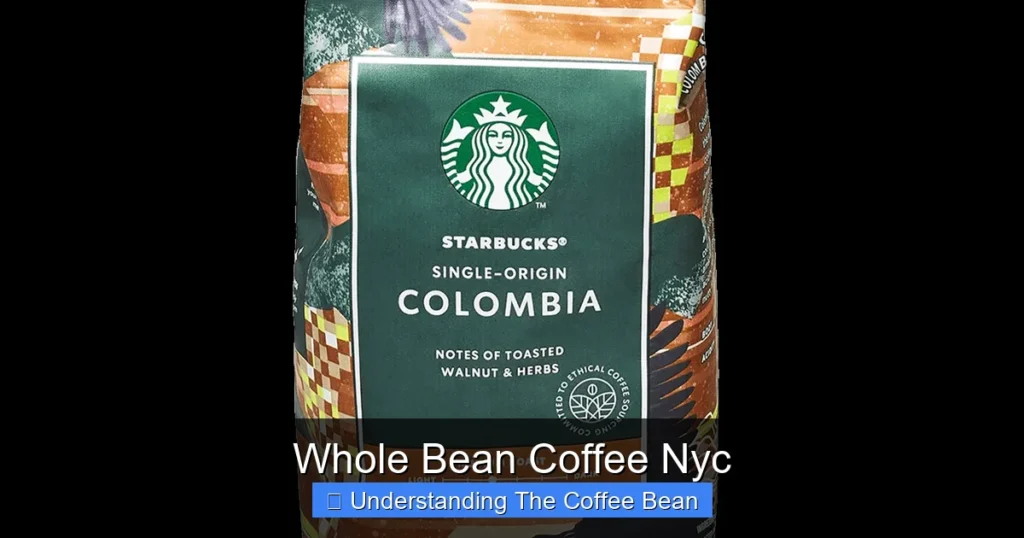
Whole bean coffee NYC is more than a trend—it’s a movement toward fresher, richer, and more sustainable coffee experiences. Whether you’re brewing at home or supporting local roasters, choosing whole beans means better flavor, aroma, and control over your daily cup.
If you’ve ever wandered through the bustling streets of New York City with a warm cup of coffee in hand, you’ve likely tasted the magic that comes from a well-crafted brew. But have you ever wondered what makes that cup so special? Often, the secret lies not just in the barista’s skill, but in the beans themselves—specifically, whole bean coffee. In NYC, the love for high-quality, freshly roasted whole bean coffee isn’t just a preference; it’s a culture. From cozy neighborhood cafes in Brooklyn to sleek roasteries in Manhattan, the city pulses with a passion for coffee that starts at the source: the bean.
Whole bean coffee refers to coffee beans that haven’t been ground yet. Unlike pre-ground coffee, which loses flavor quickly due to increased surface area exposure to air, whole beans maintain their natural oils, aroma, and complexity much longer. This means that when you grind your beans just before brewing, you’re unlocking the full potential of the coffee—every nuance of flavor, every hint of fruit or chocolate, every whisper of floral notes. In a city that values quality, authenticity, and craftsmanship, it’s no surprise that whole bean coffee has become the gold standard for discerning drinkers.
Key Takeaways
- Freshness matters: Whole bean coffee retains flavor and aroma longer than pre-ground, giving you a superior taste with every brew.
- NYC is a coffee hub: The city boasts dozens of independent roasters and cafes offering high-quality, ethically sourced whole bean coffee.
- Grind at home for best results: Grinding beans just before brewing unlocks peak flavor and allows customization based on your preferred method.
- Explore diverse origins: From Ethiopian single-origins to Colombian dark roasts, NYC roasters bring global coffee varieties to your kitchen.
- Support local businesses: Buying from NYC-based roasters supports the local economy and promotes sustainable, transparent sourcing.
- Storage is key: Keep whole beans in an airtight container away from light, heat, and moisture to preserve freshness.
- Try seasonal offerings: Many NYC roasters release limited-edition beans tied to seasons or harvests—don’t miss out on unique flavors.
📑 Table of Contents
The Rise of Whole Bean Coffee in NYC
New York City has long been a melting pot of cultures, and its coffee scene reflects that diversity. Over the past two decades, the city has seen a dramatic shift from chain coffee shops and instant brews to a thriving ecosystem of independent roasters, specialty cafes, and home-brewing enthusiasts. At the heart of this transformation is the growing demand for whole bean coffee—beans that are roasted locally, sourced ethically, and delivered fresh to consumers.
One of the driving forces behind this shift is the third wave coffee movement, which treats coffee as an artisanal product rather than a commodity. This movement emphasizes traceability, sustainability, and flavor complexity. In NYC, roasters like Sey Coffee, Variety Coffee Roasters, and Partners Coffee have become household names, not just for their expertly crafted drinks, but for their commitment to offering whole bean coffee that tells a story—from farm to cup.
Another factor is the rise of home brewing. With more people working remotely and investing in high-quality kitchen tools, the demand for premium whole bean coffee has surged. People want to replicate the cafe experience at home, and the first step is starting with the right beans. Whole beans allow for greater control over grind size, brew time, and extraction, making it easier to dial in the perfect cup.
Why NYC Loves Whole Bean Coffee
So why has whole bean coffee become such a staple in New York’s coffee culture? It starts with freshness. Coffee begins to lose its flavor within minutes of being ground. By keeping the beans whole until the moment of brewing, you preserve the volatile compounds that give coffee its rich aroma and complex taste. This is especially important in a city where coffee is consumed quickly and often—on the subway, during a walk, or between meetings.
But it’s not just about taste. New Yorkers are increasingly conscious of where their food and drink come from. Whole bean coffee from local roasters often comes with detailed information about origin, processing method, and farmer partnerships. This transparency builds trust and allows consumers to make informed choices. Whether it’s a naturally processed Ethiopian Yirgacheffe or a washed Colombian Huila, knowing the story behind your beans adds depth to the experience.
Additionally, the variety available in NYC is unmatched. With dozens of roasters operating across the five boroughs, you can find everything from light, tea-like African coffees to bold, smoky dark roasts from Latin America. Many roasters also offer seasonal blends and limited releases, giving coffee lovers something new to try every few weeks.
Understanding the Coffee Bean: From Farm to Your Cup
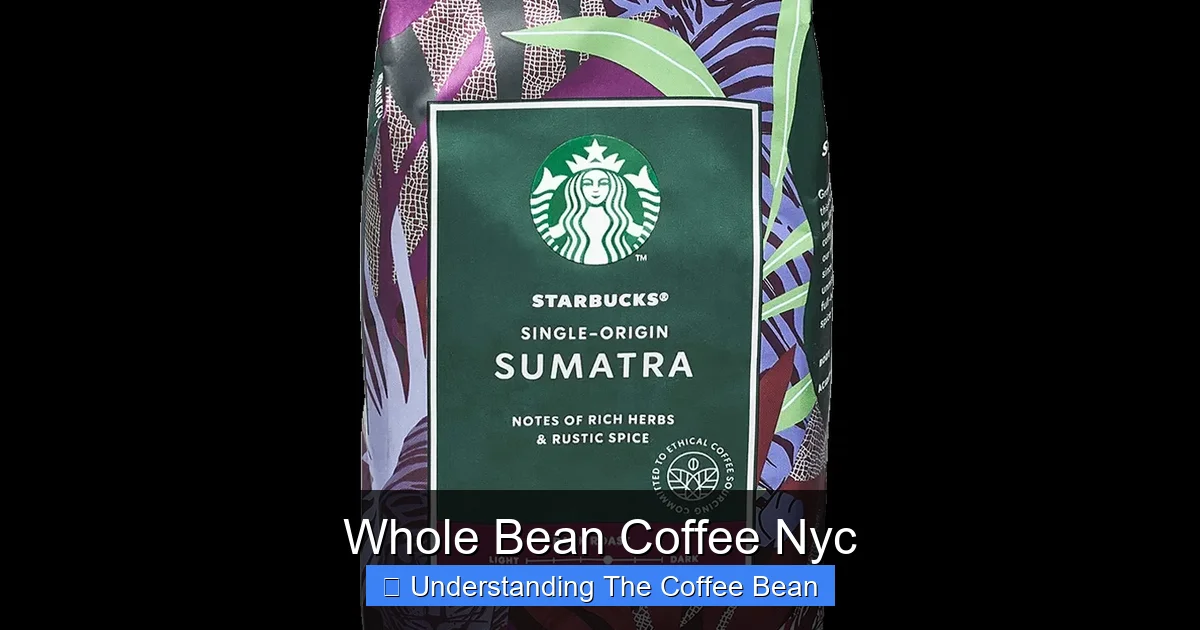
Visual guide about Whole Bean Coffee Nyc
Image source: bunny-wp-pullzone-8lgzf5kyx3.b-cdn.net
To truly appreciate whole bean coffee, it helps to understand where it comes from. Coffee beans are actually the seeds of the coffee cherry, a fruit that grows on shrubs in tropical regions around the equator. These regions—known as the “coffee belt”—include countries like Ethiopia, Colombia, Brazil, Guatemala, and Kenya. Each region imparts unique characteristics to the beans based on altitude, soil, climate, and processing methods.
The Journey of a Coffee Bean
The journey of a coffee bean begins on a farm, where coffee cherries are hand-picked when ripe. After harvesting, the beans are extracted from the fruit and processed—either by washing, natural drying, or honey processing—each method affecting the final flavor profile. Once processed, the beans are dried, sorted, and exported to roasters around the world.
In NYC, many roasters work directly with farmers or through cooperatives to ensure fair wages and sustainable practices. This direct trade model not only supports farming communities but also results in higher-quality beans. Roasters often visit farms, cup samples, and build long-term relationships to secure the best harvests.
Once the green (unroasted) beans arrive in New York, they’re roasted in small batches to bring out their unique flavors. Roasting is both an art and a science—too light, and the coffee may taste grassy or underdeveloped; too dark, and it can become bitter and lose its origin characteristics. Skilled roasters use their senses—sight, sound, smell—to determine the perfect roast level for each bean.
Types of Coffee Beans
There are two main species of coffee beans: Arabica and Robusta. Arabica, which makes up about 60–70% of global coffee production, is known for its smooth, complex flavors and lower caffeine content. It’s the preferred choice for specialty coffee and is widely used by NYC roasters. Robusta, on the other hand, is more bitter, higher in caffeine, and often used in espresso blends for its crema and body.
Within Arabica, there are hundreds of varieties, each with distinct traits. For example, Typica and Bourbon are classic varieties known for their clean, sweet profiles, while Geisha (or Gesha) is prized for its floral, tea-like notes and often commands high prices. In NYC, you’ll find roasters offering single-origin beans from specific farms or regions, allowing you to taste the terroir—the unique environmental factors that shape flavor.
How to Choose the Best Whole Bean Coffee in NYC
With so many options available, choosing the right whole bean coffee can feel overwhelming. But with a few guidelines, you can find beans that match your taste preferences and brewing style.
Know Your Roast Level
Roast level plays a big role in flavor. Light roasts preserve the bean’s origin characteristics—think bright acidity, floral notes, and fruity undertones. These are ideal for pour-over or drip methods. Medium roasts offer a balance of origin flavor and roast development, with notes of caramel, nuts, and chocolate. They’re versatile and work well with most brewing methods. Dark roasts are bold and smoky, with lower acidity and pronounced bitterness. They’re popular for espresso and French press.
When shopping in NYC, look for roast dates on the packaging. Freshness is key—beans are best consumed within 2–4 weeks of roasting. Avoid bags without dates or those that feel oily (a sign of over-roasting or staleness).
Consider the Origin
Different regions produce different flavor profiles:
– Africa (Ethiopia, Kenya): Bright, fruity, floral, with wine-like acidity.
– Central & South America (Colombia, Guatemala, Costa Rica): Balanced, nutty, chocolatey, with medium body.
– Asia (Indonesia, Vietnam): Earthy, herbal, full-bodied, often with smoky or spicy notes.
If you enjoy a clean, tea-like cup, try an Ethiopian Yirgacheffe. If you prefer something rich and chocolatey, a Colombian or Brazilian blend might be your go-to.
Support Local Roasters
One of the best ways to find great whole bean coffee in NYC is to support local roasters. Many offer online ordering with local delivery or pickup, and some even host cupping sessions or brewing workshops. Visiting a roastery in person lets you talk to the experts, sample different beans, and learn about their sourcing practices.
Some top NYC roasters to explore include:
– Sey Coffee (Brooklyn): Known for light, experimental roasts and direct trade relationships.
– Variety Coffee Roasters (Multiple locations): Offers a rotating selection of single-origin and blended beans.
– Partners Coffee (Brooklyn & Manhattan): Focuses on sustainability and community engagement.
– Joe Coffee Company (Multiple locations): A pioneer in NYC’s specialty coffee scene with a wide range of whole bean options.
– La Cabra (Williamsburg): A Danish-inspired roastery with Scandinavian-style light roasts.
Brewing with Whole Bean Coffee: Tips for the Perfect Cup
Buying great whole bean coffee is only half the battle—how you brew it matters just as much. The goal is to extract the right balance of flavors without over- or under-extracting.
Grind Just Before Brewing
The most important step? Grind your beans right before you brew. A burr grinder is ideal because it produces consistent particle size, which leads to even extraction. Blade grinders tend to create uneven grounds, resulting in a bitter or weak cup.
Grind size should match your brewing method:
– Coarse: French press, cold brew
– Medium: Drip coffee, pour-over
– Fine: Espresso, AeroPress (with short brew time)
Use the Right Water
Water makes up about 98% of your coffee, so quality matters. Use filtered water if your tap water has a strong taste or odor. The ideal water temperature is between 195°F and 205°F—just below boiling. Too hot, and you’ll burn the coffee; too cool, and extraction will be weak.
Measure Accurately
Use a scale to measure both coffee and water. A standard ratio is 1:16 (1 gram of coffee to 16 grams of water), but you can adjust to taste. For example, a 20-gram dose of coffee with 320 grams of water makes about two cups.
Experiment and Take Notes
Coffee is personal. What tastes amazing to one person might not suit another. Keep a brewing journal to track variables like grind size, brew time, water ratio, and flavor notes. Over time, you’ll dial in your perfect recipe.
Storing Whole Bean Coffee for Maximum Freshness
Even the best beans can go stale if not stored properly. To keep your whole bean coffee fresh:
– Store in an airtight container—glass or ceramic with a rubber seal works well.
– Keep it in a cool, dark place—avoid the fridge or freezer, as moisture and temperature fluctuations can degrade quality.
– Buy in smaller quantities—only purchase what you’ll use in 2–3 weeks.
– Avoid clear containers—light accelerates staling.
Many NYC roasters sell beans in resealable bags with one-way valves that let gases escape without letting air in. These are great for short-term storage.
The Future of Whole Bean Coffee in NYC
As sustainability and transparency become more important to consumers, the future of whole bean coffee in NYC looks bright. Roasters are increasingly focusing on regenerative farming, carbon-neutral shipping, and compostable packaging. Some are even experimenting with anaerobic fermentation and other innovative processing methods to create unique flavor profiles.
Technology is also playing a role. Apps like Trade Coffee and Yes Plz connect consumers with rotating selections from top roasters, delivered fresh to your door. Subscription services allow you to try new beans regularly without leaving home.
At the same time, the community aspect of coffee continues to grow. Pop-up markets, coffee festivals, and brewing competitions bring people together to celebrate the craft. In a city that never sleeps, coffee remains a constant—a moment of pause, connection, and pleasure.
Whether you’re a seasoned barista or a casual drinker, whole bean coffee offers a richer, more rewarding experience. In NYC, where quality and innovation go hand in hand, there’s never been a better time to explore the world of fresh, locally roasted beans.
Frequently Asked Questions
What is whole bean coffee?
Whole bean coffee refers to coffee beans that have not been ground. They retain their natural oils and flavors longer than pre-ground coffee, resulting in a fresher, more aromatic cup when brewed.
Why is whole bean coffee better than pre-ground?
Whole beans stay fresher because their surface area is minimized, slowing oxidation. Grinding just before brewing releases maximum flavor and aroma, leading to a superior taste experience.
Where can I buy whole bean coffee in NYC?
You can buy whole bean coffee from local roasters like Sey Coffee, Variety Coffee Roasters, and Partners Coffee, as well as specialty cafes, farmers markets, and online with local delivery options.
How should I store whole bean coffee?
Store whole beans in an airtight container in a cool, dark place. Avoid the fridge or freezer, and use within 2–4 weeks of the roast date for best flavor.
What’s the best way to grind whole bean coffee?
Use a burr grinder for consistent particle size. Grind just before brewing, and adjust the grind size based on your method—coarse for French press, medium for drip, fine for espresso.
How long does whole bean coffee stay fresh?
Whole bean coffee is best consumed within 2–4 weeks of roasting. While it doesn’t “expire” quickly, flavor and aroma diminish over time, especially if not stored properly.