
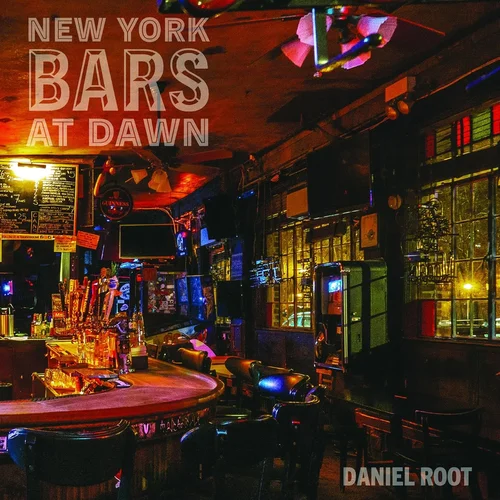
The East Village has long been a cultural epicenter of New York City—a neighborhood where punk rock history meets avant-garde art, and where bodegas share corners with boutique galleries. But in recent years, it’s also become a serious contender in the city’s coffee scene. Once dominated by chain cafes and corner delis serving burnt drip coffee, the East Village now boasts a vibrant ecosystem of independent roasters, third-wave coffee shops, and cozy neighborhood hangouts that cater to everyone from remote workers to weekend brunchers. Whether you’re a local looking for your next morning ritual or a visitor eager to experience NYC’s evolving café culture, finding the right coffee shop can make all the difference.
This guide is designed to cut through the noise and help you discover the best coffee shops in the East Village—not just based on aesthetics or Instagram appeal, but on real quality, consistency, and value. We’ve spent months visiting dozens of spots, talking to baristas, sampling single-origin pour-overs, testing Wi-Fi speeds, and evaluating everything from pastry freshness to seating comfort. Our goal isn’t to crown one “best” spot (because coffee preferences are deeply personal), but to give you the tools and insights to choose the perfect café for your needs—whether that’s a quiet corner to write, a lively space to meet friends, or a place that serves the most ethically sourced espresso in Manhattan.
You’ll learn how to evaluate coffee shops beyond the surface level: what makes a great cup of coffee, how to assess ambiance and service, and why certain shops stand out in a neighborhood saturated with options. We’ll break down key factors like bean sourcing, brewing methods, price fairness, and community impact. You’ll also get practical advice on avoiding common pitfalls—like choosing a spot based solely on aesthetics or falling for overhyped menu items. By the end of this guide, you’ll have a curated shortlist of East Village coffee shops tailored to your lifestyle, budget, and taste preferences.

What to Look for When Choosing a Coffee Shop
1. Coffee Quality & Bean Sourcing
The foundation of any great coffee shop is, unsurprisingly, the coffee itself. But “good coffee” isn’t just about strong or bitter—it’s about balance, origin, roast profile, and freshness. In the East Village, you’ll find everything from locally roasted beans to international imports, so knowing what to look for is essential.
Start by asking where the beans come from. Ethical sourcing matters—not just for sustainability, but for flavor. Shops that partner directly with farms or co-ops often have more transparent supply chains and higher-quality beans. Look for terms like “direct trade,” “fair trade,” or “single-origin” on menus or signage. Single-origin coffees highlight the unique terroir of a specific region—think fruity Ethiopian Yirgacheffe or chocolatey Colombian Huila—while blends offer consistency and balance.
Roast date is another critical factor. Freshly roasted beans (within 2–4 weeks) deliver the most vibrant flavors. Avoid shops that can’t tell you when their beans were roasted or that use pre-ground coffee for espresso—this is a red flag. The best shops roast in-house or work with local roasters like Sey Coffee, Birch Coffee, or Variety Coffee Roasters, all of which have strong presences in NYC.
Brewing method also impacts taste. Pour-over, AeroPress, and Chemex highlight nuanced flavors, while espresso-based drinks rely on precise extraction and milk texture. A skilled barista should be able to explain the flavor notes of their offerings and recommend pairings. If the staff seems disinterested or uninformed, it’s a sign the shop prioritizes speed over craft.
2. Ambiance & Atmosphere
Coffee shops are more than just places to grab a drink—they’re third spaces where people work, socialize, read, or simply pause. The ambiance can make or break your experience. In the East Village, you’ll find a wide range of vibes: minimalist Scandinavian designs, retro diners with vinyl booths, industrial lofts with exposed brick, and cozy nooks with bookshelves and plants.
Consider what kind of environment suits your needs. If you’re working remotely, look for ample seating, reliable Wi-Fi, and power outlets. Some shops, like Everyman Espresso, are known for their quiet, focused atmosphere—ideal for deep work. Others, like Abraço, are bustling and communal, perfect for catching up with friends over a quick espresso.
Lighting matters too. Natural light boosts mood and productivity, so cafes with large windows or skylights (like La Colombe’s outpost on 2nd Ave) are often more inviting. Noise level is another factor—some shops play curated playlists at a conversational volume, while others are nearly silent. If you’re sensitive to sound, visit during off-peak hours to test the vibe.
Seating layout is often overlooked but crucial. Are tables spaced for privacy? Are chairs comfortable for long stays? Is there outdoor seating? The East Village’s narrow sidewalks mean outdoor seating is limited, but spots like Bluestone Lane on 1st Ave offer charming sidewalk tables that are perfect for people-watching.
3. Menu Variety & Food Quality
While coffee is the star, food can elevate the experience—especially if you’re planning to stay for a while. The best East Village coffee shops offer more than just stale muffins and pre-packaged pastries. Look for fresh, house-made items like croissants, scones, avocado toast, or grain bowls.
Many shops now cater to dietary preferences with vegan, gluten-free, and dairy-free options. Champs Diner, for example, serves plant-based comfort food in a retro setting, while Two Hands offers Australian-style brunch with fresh juices and acai bowls. Even traditional cafes like Joe Coffee have expanded their menus to include seasonal specials and artisanal sandwiches.
Pay attention to food freshness. Are pastries baked daily? Is toast made to order? A shop that invests in food quality likely cares about coffee too. Also, consider portion sizes and value—some places charge $14 for a tiny avocado toast, while others offer generous plates for the same price.
Beverage variety is equally important. Beyond espresso and drip, do they offer cold brew, nitro coffee, matcha, or specialty drinks like lavender lattes or turmeric golden milk? Seasonal menus (pumpkin spice in fall, iced horchata in summer) show creativity and attention to trends without sacrificing quality.
4. Service & Staff Knowledge
A great cup of coffee can be ruined by poor service. The best coffee shops in the East Village pride themselves on knowledgeable, friendly staff who treat customers like regulars—even on your first visit. Baristas should be able to explain brewing methods, recommend drinks based on your preferences, and handle customizations with ease.
Look for shops where staff engage with customers—asking how your day is going, remembering your usual order, or offering samples of new beans. This level of care builds loyalty and enhances the overall experience. Conversely, rushed or indifferent service can make even the best coffee feel transactional.
Training matters. Many top-tier shops invest in barista education, hosting cupping sessions, latte art workshops, or coffee origin tours. This expertise translates into better drinks and a more informed customer experience. Don’t hesitate to ask questions—good baristas love sharing their passion.
Wait times are also a factor. During peak hours (8–10 AM), lines can form quickly. Some shops, like Devoción, manage this with efficient workflows and multiple registers. Others may feel chaotic. If you’re in a rush, consider visiting mid-morning or afternoon when crowds thin out.
5. Location & Accessibility
The East Village spans roughly from Houston Street to 14th Street, between the Bowery and the East River. While it’s a compact neighborhood, not all coffee shops are equally convenient. Consider proximity to subway lines, bus stops, and your daily routes.
Subway access is key. The L train (1st Ave, 3rd Ave), 6 train (Astor Place, 8th St), and F/M trains (2nd Ave) serve the area. Shops near these stops—like Black Fox Coffee Co. near Astor Place—are ideal for commuters. If you walk or bike, look for shops with bike racks or wide sidewalks.
Accessibility also includes hours of operation. Some cafes open as early as 6:30 AM for early risers, while others don’t open until 8 or 9. Weekend hours vary too—some close early on Sundays. If you’re a night owl, note that most East Village coffee shops close by 6 or 7 PM, with a few exceptions like Stumptown Coffee Roasters on 2nd Ave, which stays open until 8 PM.
Parking is nearly impossible in the East Village, so driving is not recommended. Stick to public transit, walking, or rideshares.
6. Price & Value
Coffee prices in NYC have risen, and the East Village is no exception. A standard drip coffee might cost $3.50–$4.50, while a specialty latte can run $5.50–$7. Add a pastry, and you’re easily at $10–$15 per visit. But price doesn’t always equal quality—and value is about more than just cost.
Evaluate what you’re getting for your money. Is the coffee expertly brewed? Is the space comfortable? Are the ingredients high-quality? A $6 pour-over from a skilled barista using single-origin beans offers better value than a $4 latte made with stale beans and steamed milk.
Look for loyalty programs or discounts. Some shops offer punch cards (buy 9, get 1 free) or app-based rewards. Others have happy hour pricing on cold brew or pastries in the afternoon. Bluestone Lane, for example, offers a 10% discount for students and seniors.
Also consider portion sizes. A large iced coffee might cost $5.50 but last you two hours—better value than a small espresso for $4. And if you’re a regular, building a relationship with the staff can lead to small perks, like a free upgrade or a complimentary pastry on your birthday.
7. Sustainability & Ethical Practices
More than ever, consumers care about how their coffee is made—and where it comes from. The best East Village coffee shops are transparent about their sustainability efforts, from bean sourcing to waste reduction.
Look for compostable cups, lids, and straws. Many shops now use plant-based materials instead of plastic. Some, like Devoción, have eliminated single-use cups entirely for in-house drinks, encouraging customers to bring reusable mugs (often with a discount).
Energy efficiency matters too. Shops with energy-efficient espresso machines, LED lighting, and low-flow water systems reduce their environmental footprint. Water usage is especially important in coffee brewing—some shops recycle water or use filtration systems to minimize waste.
Community involvement is another sign of ethical operation. Do they host local art shows? Support neighborhood events? Partner with local farms or nonprofits? Shops like Everyman Espresso regularly collaborate with local artists and musicians, fostering a sense of place beyond just coffee.
Finally, consider labor practices. Are baristas paid living wages? Do they receive benefits? While this info isn’t always public, shops that prioritize employee well-being often have lower turnover and more passionate staff—both of which improve your experience.
8. Community & Vibe
The East Village has a distinct personality—eclectic, creative, and slightly rebellious. The best coffee shops reflect that spirit. They’re not just places to drink coffee; they’re hubs for artists, writers, musicians, and activists.
Pay attention to who’s there. Are students hunched over laptops? Are locals chatting over espresso? Are there regulars the staff knows by name? A strong sense of community often means the shop is well-loved and well-maintained.
Events can also enhance the vibe. Some shops host open mic nights, poetry readings, or coffee cupping sessions. Abraço, for instance, is known for its tight-knit community and frequent gatherings. Others, like Joe Coffee, sponsor local races or art walks.
Even the music playlist contributes to the vibe. Is it indie rock, jazz, lo-fi beats, or world music? A thoughtfully curated soundtrack can make a space feel welcoming and intentional. Avoid shops with overly loud or repetitive playlists—they can be distracting, especially for work or conversation.
Ultimately, the right coffee shop should feel like an extension of your lifestyle. Whether you’re seeking solitude, connection, or inspiration, the East Village has a spot that fits.
Different Types of Coffee Shops in the East Village

Common Mistakes to Avoid
❌ Mistake: Choosing Based on Instagram Appeal Alone
Why it’s bad: A beautifully designed café with marble counters and hanging plants might look great in photos, but if the coffee is mediocre or the service is slow, your experience will suffer. Prioritizing aesthetics over substance leads to disappointment.
What to do instead: Visit during off-peak hours to assess real quality. Order a simple black coffee—if it’s well-balanced and flavorful, the shop likely cares about craft. Read recent reviews that mention taste, not just decor.
❌ Mistake: Ignoring Bean Freshness
Why it’s bad: Stale beans produce flat, bitter coffee—even with perfect brewing. Many shops grind beans in bulk or use pre-ground espresso, which loses aroma quickly.
What to do instead: Ask when the beans were roasted. Look for shops that grind to order and display roast dates. Avoid places that can’t answer basic questions about their coffee.
❌ Mistake: Overlooking Seating and Wi-Fi
Why it’s bad: You might love the coffee, but if there’s nowhere to sit or the Wi-Fi drops every five minutes, it’s not practical for work or study.
What to do instead: Test the space before committing. Bring your laptop, plug in, and see how long the connection holds. Check if outlets are accessible and chairs are comfortable for extended use.
❌ Mistake: Assuming All “Artisanal” Shops Are Equal
Why it’s bad: The term “artisanal” is often used loosely. Some shops use it as a marketing buzzword without the craftsmanship to back it up.
What to do instead: Look for transparency—roaster info, origin details, brewing methods. Talk to the barista. A truly artisanal shop will welcome curiosity and explain their process.
❌ Mistake: Skipping Smaller, Local Spots
Why it’s bad: Chain cafes and网红 (wǎng hóng—“internet-famous”) spots dominate attention, but hidden gems often offer better value and authenticity.
What to do instead: Explore side streets and lesser-known blocks. Ask locals for recommendations. Shops like Kobrick Coffee on 6th St have been serving quality coffee for decades without the hype.
❌ Mistake: Not Considering Peak Hours
Why it’s bad: A café that’s perfect at 2 PM might be chaotic at 8:30 AM. Long lines, crowded seating, and rushed service can ruin the experience.
What to do instead: Visit at different times. If you need quiet, avoid weekday mornings. If you want energy, weekend brunch might be ideal. Plan accordingly.
❌ Mistake: Overlooking Sustainability Practices
Why it’s bad: Supporting shops that use excessive plastic or source unethically contributes to environmental harm and exploitative labor practices.
What to do instead: Choose shops that prioritize eco-friendly packaging, composting, and fair-trade sourcing. Bring your own cup for discounts and reduced waste.
Budget Guidelines: How Much Should You Spend?
Entry-Level ($3–$5 per drink): At this price point, expect basic drip coffee, standard espresso drinks, and pre-packaged pastries. Shops like Joe Coffee and Bluestone Lane offer solid quality at reasonable prices. You’ll find reliable Wi-Fi and decent seating, but fewer specialty options. Ideal for daily commuters or budget-conscious students.
Mid-Range ($5–$7 per drink): This is the sweet spot for most coffee lovers. Shops like Everyman Espresso and Devoción offer expertly brewed coffee, house-made pastries, and a welcoming atmosphere. You’ll find single-origin pour-overs, seasonal drinks, and knowledgeable staff. Great for remote workers, casual meetings, or weekend treats.
Premium ($7–$9 per drink): For enthusiasts and professionals, premium shops focus on craft and innovation. Expect rare beans, experimental brewing methods (like siphon or cold drip), and beautifully plated food. Stumptown Coffee Roasters and Two Hands fall into this tier. Prices reflect expertise, sourcing, and experience.
Luxury ($9+ per drink): These are rare in the East Village, but some pop-ups or limited-edition offerings (like rare geisha beans or barrel-aged cold brew) can reach this range. More about the experience than daily consumption—think tasting flights or private cuppings. Best for special occasions or coffee pilgrims.
Expert Tips for Getting the Best Deal
- Visit during off-peak hours: Mornings (before 8 AM) and afternoons (after 3 PM) are quieter, with shorter lines and more seating. You’ll also get more personalized service.
- Bring your own cup: Most shops offer a $0.25–$0.50 discount for reusable cups. Over a month, that’s $5–$10 saved—and less waste.
- Follow shops on social media: Many announce flash sales, new menu items, or community events on Instagram or Twitter. Abraço, for example, often posts about limited-edition pastries.
- Try the house specialty: Instead of ordering a standard latte, ask what the barista recommends. House specials often use unique ingredients or brewing methods and are priced fairly.
- Use cash for small purchases: Some shops give slight discounts for cash payments to avoid credit card fees. It’s rare, but worth asking.
- Check for student or senior discounts: Shops like Bluestone Lane and Joe Coffee offer reduced pricing with valid ID.
- Attend community events: Cuppings, latte art workshops, and live music nights often include free samples or discounted drinks.
- Support local during off-seasons: Winter months (January–February) often see fewer tourists, so shops may offer promotions to attract locals.

Frequently Asked Questions
Q: What’s the best time to visit East Village coffee shops?
A: Weekday mornings (7–9 AM) are busiest, especially near subway stops. For a quieter experience, visit mid-morning (10–11 AM) or early afternoon (2–4 PM). Weekends are lively but can be crowded—arrive early for brunch spots.
Q: Are there any coffee shops with outdoor seating?
A: Yes, but it’s limited. Bluestone Lane on 1st Ave, La Colombe on 2nd Ave, and Two Hands on 2nd Ave offer sidewalk tables. Availability depends on weather and city permits.
Q: Do East Village coffee shops offer vegan or gluten-free options?
A: Absolutely. Most shops now have plant-based milk (oat, almond, soy), vegan pastries, and gluten-free bread. Champs Diner and Two Hands are particularly strong in this area.
Q: Can I work remotely from these cafes?
A: Yes, many are remote-work friendly. Look for shops with reliable Wi-Fi, power outlets, and quiet zones. Everyman Espresso and Joe Coffee are top choices for productivity.
Q: Are there any historic coffee shops in the East Village?
A: Yes. Kobrick Coffee, founded in 1941, is one of NYC’s oldest continuously operating coffee shops. It’s a piece of living history with a classic New York vibe.
Q: How do I know if a coffee shop roasts its own beans?
A: Ask the staff or check the menu. Shops that roast in-house often mention it prominently. Devoción and Stumptown are known for their roasting programs.
Q: What’s the difference between third-wave and traditional coffee shops?
A: Third-wave shops focus on coffee as an artisanal product—highlighting origin, roast, and brewing technique. Traditional shops prioritize speed and consistency, often using blends and automated machines.
Q: Are tips expected at coffee shops?
A: It’s customary to tip $0.50–$1 for standard drinks, especially if the barista crafts your drink with care. For large orders or customizations, $1–$2 is appreciated.
Q: Do any shops offer coffee subscriptions or beans to go?
A: Yes. Devoción, Everyman Espresso, and Stumptown sell bags of beans and offer subscription services for home delivery.
Q: What’s the best coffee shop for a first date?
A: Choose a spot with good lighting, comfortable seating, and a relaxed vibe. Abraço and Bluestone Lane are popular for casual meetups.
Our Final Recommendations
- Best for Budget-Conscious Buyers: Joe Coffee – Consistent quality, fair prices, and multiple locations. Great for daily coffee without breaking the bank.
- Best Overall Value: Everyman Espresso – Expertly brewed coffee, knowledgeable staff, and a quiet atmosphere. Ideal for work or relaxation.
- Best Premium Option: Devoción – Direct-trade beans, stunning interior, and a commitment to sustainability. A must-visit for coffee lovers.
- Best for Beginners: Bluestone Lane – Approachable menu, friendly service, and Australian-inspired comfort. Perfect for those new to specialty coffee.
- Best for Advanced Users: Stumptown Coffee Roasters – Innovative brewing, rare beans, and a deep focus on craft. For those who appreciate the nuances of coffee.
Conclusion: Making the Right Choice
Choosing the right coffee shop in the East Village isn’t just about finding a place to drink coffee—it’s about finding a space that aligns with your lifestyle, values, and daily rhythms. Whether you’re a remote worker seeking quiet focus, a foodie exploring brunch menus, or a coffee purist chasing the perfect pour-over, this neighborhood offers something for everyone.
Remember, the “best” coffee shop is the one that makes you feel at home. It’s where the barista remembers your name, the Wi-Fi never fails, and the coffee tastes like it was made just for you. Use this guide to explore, compare, and discover your personal favorites. Don’t be afraid to try new spots, ask questions, and support shops that prioritize quality and community.
And when you find that perfect corner café—the one with the perfect light, the perfect brew, and the perfect vibe—savor it. Because in a city that never sleeps, a great cup of coffee can be the quiet moment of peace you didn’t know you needed.
Now go forth, explore the East Village, and may your next coffee be your best yet.