
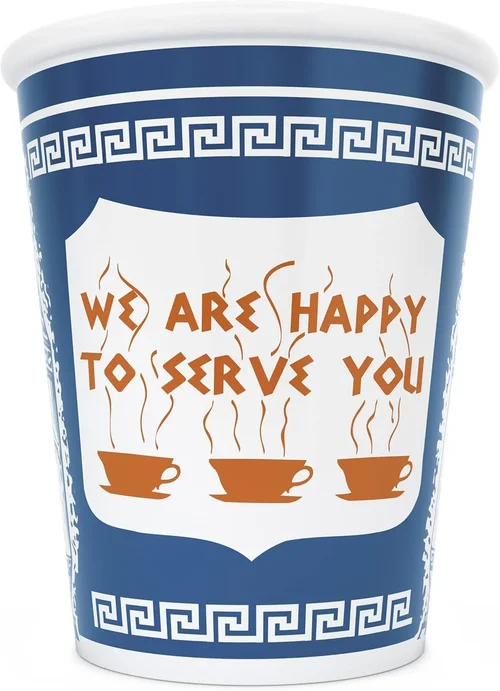
New York City doesn’t just serve coffee—it breathes it. From the first steamy sip at a corner bodega to the meticulously poured single-origin pour-over in a Williamsburg café, coffee is woven into the city’s rhythm. Whether you’re a lifelong New Yorker or a visitor chasing the perfect cup, finding the world’s best cup of coffee in NYC isn’t about luck—it’s about knowledge. With hundreds of roasters, cafés, and brewing methods to choose from, the choices can feel overwhelming. That’s where this guide comes in.
This comprehensive buying guide is designed to help you navigate the vibrant and competitive NYC coffee scene like an expert. Whether you’re looking to brew café-quality coffee at home, support local roasters, or simply discover the best spot for your morning ritual, we’ll walk you through everything you need to know. You’ll learn how to evaluate coffee quality, understand different brewing methods, compare roasters, and make smart purchasing decisions—whether you’re buying beans, equipment, or a cup to go. We’ll also break down pricing, highlight common pitfalls, and share insider tips to ensure you get the most flavor, value, and satisfaction from every purchase.
The NYC coffee market is one of the most dynamic in the world. It’s home to third-wave pioneers, innovative micro-roasters, and globally inspired cafés that push the boundaries of what coffee can be. But with so much variety comes complexity. Not all “artisanal” labels are created equal, and not every expensive bag of beans delivers on its promise. This guide cuts through the noise, offering a clear, practical framework for evaluating coffee based on taste, sourcing, freshness, and value. By the end, you’ll have the confidence to choose the right coffee for your palate, lifestyle, and budget—whether you’re sipping in SoHo or brewing in Bushwick.

What to Look for When Buying Coffee in NYC
1. Bean Origin & Sourcing Ethics
The foundation of any great cup of coffee starts with the bean. In NYC, the best roasters prioritize transparency about where their coffee comes from—down to the farm, cooperative, or region. Single-origin beans, which come from one specific location (like Ethiopia’s Yirgacheffe or Colombia’s Huila), often offer more distinct flavor profiles than blends. These might include floral notes, bright acidity, or chocolatey undertones, depending on the terroir.
But origin isn’t just about flavor—it’s about ethics. Look for roasters that practice direct trade or work with certified fair-trade and organic suppliers. These practices ensure farmers are paid fairly and that environmental standards are upheld. In a city like New York, where conscious consumption is on the rise, many top-tier cafés proudly display their sourcing stories on menus or websites. For example, Sey Coffee in Bushwick sources directly from small farms in Ethiopia and publishes detailed farm profiles. This level of transparency builds trust and often correlates with higher quality.
When evaluating a bag of beans, check the packaging for the country of origin, farm name (if available), harvest date, and processing method (washed, natural, honey). Avoid vague labels like “Central American Blend” without further detail. The more specific, the better.
2. Roast Date & Freshness
Freshness is non-negotiable when it comes to great coffee. Unlike wine, coffee doesn’t improve with age—it degrades. The optimal window for brewing is typically 7 to 21 days after the roast date. Beyond that, flavors begin to flatten, and stale, cardboard-like notes can emerge.
In NYC, many independent roasters roast in small batches and label their bags with clear roast dates. This is a hallmark of quality. Avoid beans that only list a “best by” date—this can be months after roasting and is a red flag for stale coffee. Instead, look for bags stamped with the actual roast date.
Roast level also matters. Light roasts preserve the bean’s natural characteristics and are ideal for pour-over or Chemex brewing. Medium roasts offer a balance of origin flavor and body, making them versatile for drip or French press. Dark roasts, while popular in traditional NYC diners, often mask origin nuances with smoky, bitter notes and are best suited for espresso or milk-based drinks.
3. Brewing Method Compatibility
Not all coffee is created equal for every brewing method. The grind size, roast level, and bean origin should align with how you plan to brew. For example, a light-roasted Ethiopian bean with floral notes shines in a pour-over, where water extracts delicate flavors slowly. The same bean might taste under-extracted and sour in a French press, which requires a coarser grind and longer steep time.
In NYC, you’ll find cafés specializing in specific methods—like Abraço in the East Village, known for its expert espresso, or Devoción in Williamsburg, which emphasizes pour-over and drip. At home, your equipment matters just as much. An AeroPress favors medium-fine grinds and works well with medium roasts, while a Moka pot needs a fine grind and performs best with darker roasts.
When buying beans, ask the roaster or barista for a brewing recommendation. Many NYC roasters provide suggested grind sizes and ratios on their packaging or websites. This guidance ensures you get the most out of your purchase.
4. Price vs. Value
Coffee in NYC can range from $2 for a basic drip at a corner cart to $12 for a single-origin pour-over at a specialty café. At home, a bag of beans might cost $16–$30 for 12 ounces. But price doesn’t always equal quality—and value isn’t just about the lowest cost.
Consider cost per cup. A $24 bag of beans that makes 15 cups comes out to $1.60 per cup—far cheaper than buying daily café drinks. But if those beans are stale or poorly roasted, the value plummets. Conversely, a $30 bag from a top-tier roaster like Stumptown or Birch Coffee might offer exceptional flavor, making it worth the premium.
Value also includes convenience, ethics, and experience. Supporting a local roaster who pays fair wages and uses sustainable packaging adds intangible worth. Similarly, a café that offers educational tastings or brewing workshops provides more than just coffee—it offers community and learning.
5. Brand Reputation & Roaster Expertise
In a city with over 500 coffee shops, reputation matters. Established roasters like Joe Coffee, Cafe Grumpy, and Partners Coffee have built loyal followings through consistency, innovation, and education. These brands often invest in training baristas, hosting cupping sessions, and collaborating with farmers.
But don’t overlook emerging roasters. NYC’s coffee scene thrives on innovation, and newer names like Variety Coffee Roasters, Black Fox Coffee, and Sweetleaf are gaining acclaim for their experimental approaches and community focus. Check reviews on platforms like Yelp, Google, and specialty coffee forums. Look for mentions of flavor clarity, service quality, and roast consistency.
Roaster expertise also shows in packaging. High-quality beans are often vacuum-sealed or nitrogen-flushed to preserve freshness. Look for one-way degassing valves on bags—these allow CO2 to escape without letting oxygen in, which prevents staling.
6. Sustainability & Packaging
Sustainability is increasingly important to NYC coffee lovers. From compostable cups to carbon-neutral shipping, eco-conscious practices are becoming standard among top roasters. When buying beans, consider the packaging: is it recyclable? Compostable? Reusable?
Many NYC roasters now use compostable bags made from plant-based materials. Others, like Parlor Coffee, offer refill programs where you bring your own container. These initiatives reduce waste and often come with small discounts—win-win for your wallet and the planet.
Also consider the carbon footprint of shipping. Buying locally roasted beans reduces transportation emissions. NYC-based roasters like Sey, Devoción, and Oslo Coffee Roasters roast within the city, ensuring peak freshness and lower environmental impact.
7. Taste Profile & Personal Preference
Ultimately, the best coffee is the one you enjoy. Taste is subjective, and what works for a friend might not suit your palate. Some prefer bright, acidic coffees with citrus notes; others favor rich, chocolatey profiles with low acidity.
When trying new beans, pay attention to flavor notes listed on the bag—but don’t rely on them entirely. Descriptors like “blueberry” or “honey” are guides, not guarantees. The only way to know is to taste.
Many NYC cafés offer tasting flights or cupping sessions, where you can sample multiple coffees side by side. This is a great way to discover your preferences. Keep a coffee journal to track what you like: roast level, origin, brewing method, and flavor notes. Over time, you’ll develop a personal profile that guides your purchases.
8. Accessibility & Convenience
Even the best coffee loses value if it’s hard to get. Consider how often you’ll buy beans, where you’ll store them, and how you’ll brew them. If you’re always on the go, a café with multiple locations (like Birch Coffee or Joe) might be more practical than a single-location roaster.
For home brewing, think about your routine. Do you have time for a 5-minute pour-over, or do you need a quick French press? Are you willing to invest in a grinder and scale, or do you prefer pre-ground convenience?
Online ordering is another factor. Many NYC roasters offer subscription services with home delivery. This ensures you never run out and often comes with discounts. Brands like Partners Coffee and Variety offer flexible plans—weekly, biweekly, or monthly—with the option to pause or cancel anytime.
Different Types of Coffee in NYC

Common Buying Mistakes to Avoid
❌ Mistake: Ignoring the Roast Date
Why it’s bad: Buying coffee without checking the roast date is like buying bread without checking the expiration date. Coffee peaks within days of roasting and declines rapidly. Stale beans produce flat, lifeless cups, no matter how expensive or exotic the origin.
What to do instead: Always look for a clear roast date on the package. If it’s missing or more than three weeks old, skip it. Prioritize roasters who roast to order or at least weekly.
❌ Mistake: Choosing Based on Packaging Alone
Why it’s bad: Fancy labels, artistic designs, and buzzwords like “artisanal” or “small-batch” don’t guarantee quality. Some brands invest more in marketing than in sourcing or roasting.
What to do instead: Focus on substance over style. Check for origin details, roast date, and processing method. Read reviews or ask for recommendations from trusted sources.
❌ Mistake: Buying Pre-Ground Coffee
Why it’s bad: Pre-ground coffee loses aroma and flavor within minutes of grinding. The large surface area exposed to air accelerates oxidation, leading to stale, dull coffee.
What to do instead: Buy whole beans and grind them just before brewing. Even a basic burr grinder makes a noticeable difference in taste.
❌ Mistake: Overlooking Brewing Method
Why it’s bad: Using the wrong grind size or brew time can ruin even the best beans. A light roast brewed too quickly will taste sour; a dark roast over-extracted will be bitter.
What to do instead: Match your beans to your brewing method. Ask the roaster for guidance or follow standard ratios: 1:15 coffee to water for pour-over, 1:12 for espresso.
❌ Mistake: Chasing Trends Blindly
Why it’s bad: Jumping on every new trend—like anaerobic fermentation or carbonic maceration—can lead to overspending on experimental lots that don’t suit your taste.
What to do instead: Try new things, but stay grounded in your preferences. Use trends as exploration tools, not decision-makers.
❌ Mistake: Neglecting Storage
Why it’s bad: Storing coffee in the fridge, freezer, or near heat sources degrades quality. Moisture, light, and air are coffee’s enemies.
What to do instead: Store beans in an airtight container at room temperature, away from light and heat. Use within three weeks of opening.
❌ Mistake: Not Supporting Local Roasters
Why it’s bad: While national brands are convenient, they often lack the freshness and community impact of local roasters. NYC’s coffee culture thrives on independent innovation.
What to do instead: Visit local roasteries, attend cuppings, and build relationships with baristas. Your support helps sustain the city’s vibrant coffee ecosystem.
Budget Guidelines: How Much Should You Spend?
Entry-Level ($12–$18 per 12 oz): This range includes reliable chain brands and some local roasters offering consistent, approachable blends. Expect decent quality with moderate freshness. Ideal for casual drinkers or those new to specialty coffee. Brands like Joe Coffee’s house blend or Birch Coffee’s everyday roast fall here.
Mid-Range ($18–$24 per 12 oz): The sweet spot for most buyers. Beans are typically freshly roasted, well-sourced, and flavorful. You’ll find excellent single-origin options and small-batch roasts from roasters like Variety, Partners, and Sweetleaf. Great for daily brewing with noticeable quality.
Premium ($24–$30 per 12 oz): For enthusiasts and professionals. These beans often come from award-winning farms, experimental processing methods, or limited harvests. Roasters like Sey, Devoción, and Oslo offer exceptional clarity and complexity. Worth the investment for special occasions or deep exploration.
Luxury ($30+ per 12 oz): Top-tier lots from microlots, competition-winning farms, or rare processing techniques. These are often sold in small quantities and may require pre-ordering. While impressive, they’re not necessary for daily enjoyment—reserve for tasting experiences or gifts.
Expert Tips for Getting the Best Deal
– Buy in bulk during seasonal sales: Many roasters offer discounts during holidays or harvest seasons. Sign up for newsletters to get alerts.
– Subscribe for savings: Most NYC roasters offer 10–15% off subscription orders. You’ll also get first access to new releases.
– Visit roasteries directly: Buying beans at the source often means fresher product and lower prices than online retailers.
– Attend cupping events: Free or low-cost tastings let you sample before you buy and learn from experts.
– Compare online vs. in-store: Some roasters charge more online due to shipping. Check both options.
– Look for “roaster’s choice” deals: These curated selections often include discounted or overstock beans at a lower price.
– Use loyalty programs: Cafés like Joe and Birch offer punch cards or app-based rewards for frequent buyers.
– Test before committing: Buy a small amount first. If you love it, stock up. If not, try something else.
Frequently Asked Questions
Q: What makes NYC coffee different from other cities?
A: NYC’s coffee scene blends tradition with innovation. You’ll find everything from classic diner brews to cutting-edge third-wave cafés. The density of roasters, barista talent, and consumer demand creates a competitive, high-quality environment unmatched in most cities.
Q: How do I know if a coffee is truly “specialty”?
A: Specialty coffee is graded on a 100-point scale by certified tasters. To qualify, it must score 80 or above. Look for roasters who mention SCAA (Specialty Coffee Association of America) standards or provide tasting notes and origin details.
Q: Can I make café-quality coffee at home?
A: Absolutely. With fresh beans, a good grinder, and proper technique, home brewing can rival café quality. Invest in a gooseneck kettle for pour-over or a quality espresso machine if you prefer lattes.
Q: Is expensive coffee always better?
A: Not necessarily. Price reflects sourcing, processing, and branding—but taste is subjective. A $20 bag from a local roaster may outperform a $30 imported lot if it’s fresher and better suited to your palate.
Q: How long do coffee beans last?
A: Whole beans stay fresh for 2–4 weeks after roasting if stored properly. Ground coffee lasts about 1–2 weeks. Always check the roast date.
Q: What’s the best brewing method for beginners?
A: The French press is forgiving and requires minimal equipment. For more control, try the AeroPress—it’s versatile, portable, and produces clean, rich coffee.
Q: Should I buy decaf?
A: If you want to avoid caffeine but still enjoy flavor, look for Swiss Water Process decaf—it preserves more taste than chemical methods. Many NYC roasters offer high-quality decaf options.
Q: How do I support sustainable coffee?
A: Choose roasters with transparent sourcing, compostable packaging, and fair wages. Bring your own cup, recycle beans bags, and avoid single-use pods.
Q: Where can I learn more about coffee?
A: Attend workshops at cafés like Sey or Devoción, read books like “The World Atlas of Coffee,” or take online courses from the Specialty Coffee Association.
Q: What’s the best time to buy coffee in NYC?
A: Visit roasteries on weekdays when fresh batches are likely. Many roast on Tuesdays and Thursdays. Avoid weekends if you want the absolute freshest beans.
Our Final Recommendations
– Best for Budget-Conscious Buyers: Birch Coffee House Blend – Affordable, widely available, and consistently good. Great for daily drip brewing.
– Best Overall Value: Partners Coffee Ethiopia Yirgacheffe – Bright, floral, and complex at a fair price. Roasted in Brooklyn with traceable sourcing.
– Best Premium Option: Sey Coffee Natural Process Ethiopia – Juicy, berry-forward, and expertly roasted. A standout for pour-over lovers.
– Best for Beginners: Joe Coffee Colombia Supremo – Balanced, approachable, and widely praised. Perfect for exploring single-origin flavors.
– Best for Advanced Users: Devoción Fresh Roasted Colombia – Sourced directly from farms and roasted within days of harvest. Unmatched freshness and depth.
Conclusion: Making the Right Choice
Finding the world’s best cup of coffee in NYC isn’t about chasing the most expensive or exotic option—it’s about aligning your choices with your values, taste, and lifestyle. Whether you’re sipping a meticulously crafted pour-over in a minimalist Williamsburg café or brewing a rich French press at home with beans from your favorite local roaster, the perfect cup is within reach.
This guide has equipped you with the tools to evaluate coffee like an expert: from understanding sourcing and freshness to matching beans with brewing methods and avoiding common pitfalls. Remember, the best coffee is the one that brings you joy, connects you to the story behind the bean, and fits seamlessly into your daily rhythm.
So go ahead—explore, taste, and discover. Support the roasters who care. Experiment with new origins. Share your findings with friends. And most importantly, savor every sip. In a city that never sleeps, your perfect cup of coffee is more than a drink—it’s a moment of calm, connection, and craftsmanship in the chaos. Make it count.