
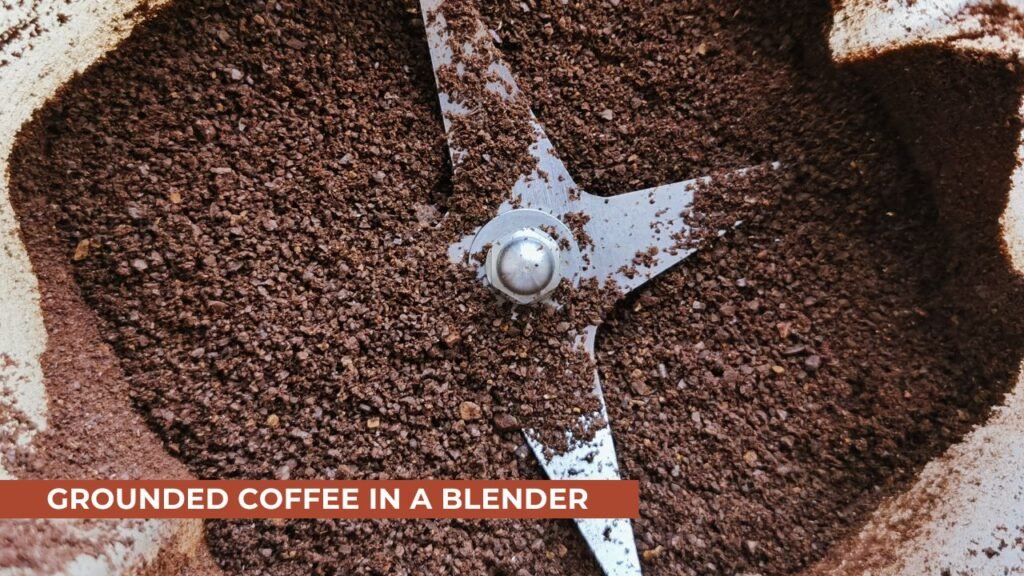
I’ve spent years dialing in espresso bars, judging home brew-offs, and testing gear, and I can say with confidence: yes, fresh ground coffee is really better—when you control a few key variables. In this guide, I’ll unpack the science, share my hands-on lessons, and show you when fresh grinding makes a noticeable difference and when it doesn’t. If you’ve ever wondered whether the jump from pre-ground to fresh ground coffee is worth it, you’re in the right place.

Source: twochimpscoffee.com
What “Fresh” Actually Means In Coffee
Freshness in coffee isn’t just a vibe—it’s chemistry. Once beans are roasted, aromatic compounds start escaping and oils oxidize. Grinding dramatically accelerates these processes by increasing surface area, which is why timing matters.
Key freshness concepts I rely on when training baristas:
- Volatile aromatics drive flavor. Fruity, floral, and chocolate notes are carried by compounds that evaporate quickly after grinding.
- Oxidation dulls sweetness. Exposure to oxygen degrades oils and acids, flattening the cup.
- CO2 degassing affects extraction. Freshly roasted beans release CO2 that helps bloom and carry aromatics during brewing.
From my tasting notes across cuppings, the biggest perceived differences between fresh and pre-ground coffee are aroma intensity, clarity of flavor notes, and perceived sweetness.

Source: www.beanground.com
How Quickly Does Coffee Lose Flavor After Grinding?
The clock starts the moment you grind. Based on lab data from food chemistry research and what I’ve observed on the bar:
– The first 15–60 minutes: fastest loss of peak aromatics. Espresso shots made within this window pop with clarity.
– 2–24 hours: noticeable decline in aroma; flavor skews flatter and more bitter.
– 24–72 hours: major loss of nuance; acceptable for milk drinks or cold brew, but not ideal for black coffee.
– Beyond 72 hours: cup is often hollow, papery, or stale.
Whole beans keep their best character for 1–3 weeks post-roast when stored well, while pre-ground can taste tired within a day or two.
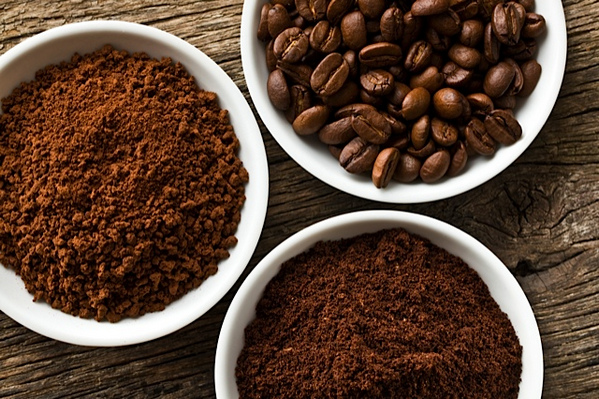
Source: www.ecooe.com
Fresh Ground vs. Pre-Ground: When It Matters Most
I’ve tested dozens of side-by-side brews with home users. Here’s when fresh grinding really shines—and when pre-ground can be fine.
High-impact scenarios for fresh grinding:
- Espresso. Tiny grind changes swing extraction wildly. Fresh grind retains aromatics and improves crema, mouthfeel, and balance.
- Light roasts. Delicate floral and fruit notes disappear fastest; grinding fresh protects them.
- Filter brews with bloom. A fresh grind blooms vigorously, helping even extraction and sweetness.
Lower-impact scenarios where pre-ground can work:
- Cold brew. Long, coarse, immersion extraction mutes nuance; pre-ground can be serviceable if used quickly.
- Dark roasts. Smoky, roasty flavors dominate, so subtle aromatics matter less.
- Milk-heavy drinks. Milk masks some flavor loss.
If convenience is your priority, buy smaller bags of pre-ground from a reputable roaster and brew within a few days. But if you want café-level flavor at home, fresh grinding is the single most powerful upgrade.
Grinder Choice: Burr Beats Blade (And Why It Matters)
Not all grinding is equal. I learned this the hard way early in my career when a blade grinder gave me harsh, bitter brews.
What to look for:
- Burrs over blades. Burr grinders produce uniform particle sizes for even extraction. Blades chop unevenly, creating bitter fines and sour boulders.
- Consistency across settings. Good burr grinders hold a setting and scale from espresso to French press without drift.
- Build quality and burr size. Larger, well-machined burrs offer more consistency and less heat buildup.
Practical picks by use case:
- Filter brewing on a budget: entry-level hand burr grinders or basic electric burrs.
- Espresso at home: stepless burr grinders built for fine adjustment.
- Premium versatility: high-end flat or conical burr grinders with single-dosing.
If you only upgrade one tool, make it the grinder—even before the coffee maker.
Brewing Variables That Amplify Freshness
Fresh grinding helps, but your brew method can either spotlight or smother that freshness. Here are the variables I optimize with clients:
- Grind size distribution. Target uniformity to prevent bitter fines and underextracted boulders.
- Ratio. Start at 1:15 to 1:17 coffee-to-water for pour-over, 1:2 for espresso, and adjust for taste.
- Water quality. Use clean water at around 70–150 ppm total dissolved solids with balanced alkalinity. Poor water erases nuance.
- Temperature. Brew at 195–205°F for most methods. Too cool yields sour; too hot extracts harshness.
- Bloom. For pour-over, 30–45 seconds with about 2–3 times the coffee’s weight in water releases CO2 and improves evenness.
- Contact time. Keep immersion brews consistent; don’t let French press sit too long on the grounds.
Personal tip: when switching from pre-ground to fresh, expect to grind a notch finer and shorten brew time slightly to keep extraction balanced.
Storage And Freshness Hacks That Actually Work
I’ve tested every storage trick on the shelf. These methods consistently help:
- Buy smaller, more often. Two 8-ounce bags beat one 16-ounce bag for maintaining flavor.
- Use airtight, opaque containers. Light and oxygen accelerate staling.
- Purge air. Canisters with one-way valves or manual vacuum pumps help, especially for pre-ground.
- Avoid heat and humidity. Store in a cool, dry cabinet—not the fridge or above the oven.
- Freeze whole beans smartly. Portion into small airtight bags, freeze immediately, and grind from frozen. This preserves aromatics for weeks to months.
What not to do:
- Don’t refrigerate daily-use coffee. Moisture and odors are the enemy.
- Don’t leave ground coffee in a hopper overnight. It goes stale quickly.
Taste Test: What You’ll Notice When You Grind Fresh
When I run home tastings, here’s what most people report within the first sip:
- Bigger aroma on the nose and in the cup.
- Sweeter, cleaner finish with less bitterness.
- Clearer flavor notes: berries in Ethiopians, citrus in washed coffees, cocoa in Brazils.
- More stable extraction across brews, making dialing in easier.
Try this at home: brew two cups back to back with the same beans—one ground right before brewing and one ground 24 hours earlier, stored airtight. Smell both before tasting. Most people can call the fresh cup blind just from aroma and sweetness.
Cost, Convenience, And Sustainability Considerations
Is fresh grinding “worth it” for your lifestyle? Here’s how I help friends decide:
- Budget. A solid burr grinder starts around the cost of a few café visits per month. It pays off quickly if you brew daily.
- Time. Grinding adds 30–60 seconds to your routine. For many, the flavor payoff is worth it.
- Waste. Fresh grinding encourages buying whole beans, which often come in recyclable or compostable bags. Use only what you need, reducing wasted stale coffee.
- Accessibility. If noise or mobility is a concern, consider a quiet hand grinder or pre-dosed single-serve options from specialty roasters.
Bottom line: for most coffee lovers, the flavor-to-effort ratio heavily favors grinding fresh.
Frequently Asked Questions of Is Fresh Ground Coffee Really Better?
Does grinding coffee right before brewing really change flavor?
Yes. Grinding releases volatile aromatics that quickly dissipate. Brewing immediately captures them in the cup, yielding more aroma, sweetness, and clarity.
How long does ground coffee stay fresh?
Flavor drops rapidly within the first hour and continues to fade over 24–72 hours. For best results, grind within minutes of brewing.
Is a blade grinder good enough?
Blade grinders can work in a pinch, but they create uneven particles that cause bitter and sour notes. A burr grinder is the single best upgrade for taste.
Do I need different grind sizes for different brew methods?
Yes. Espresso requires fine, consistent grinds; pour-over needs medium-fine; French press uses coarse. Matching grind to method ensures even extraction.
Should I freeze coffee beans?
Freezing whole beans in airtight, portioned bags preserves freshness for weeks to months. Grind directly from frozen to reduce condensation.
Why does my fresh coffee taste sour or bitter?
Common causes include incorrect grind size, poor water quality, improper ratio, or temperature issues. Adjust one variable at a time to dial in.
Can pre-ground coffee ever taste great?
It can taste good if used quickly, stored airtight, and brewed with proper water and ratio. However, it rarely matches the aroma and clarity of fresh ground.
Wrap-Up: Make Freshness Work For You
Fresh ground coffee is really better because it preserves aromatics, improves extraction, and delivers a sweeter, clearer cup. If you’re ready to level up, start with a burr grinder, buy smaller bags more often, and dial in your water, ratio, and temperature. Run a simple side-by-side test at home—you’ll taste the difference.
Take action today: pick a reliable burr grinder, choose a fresh bag from a local roaster, and brew within minutes of grinding. If you found this helpful, subscribe for more guides, share your tasting results in the comments, and explore related resources to keep improving your coffee game.
Watch This Video on Is fresh ground coffee really better?