
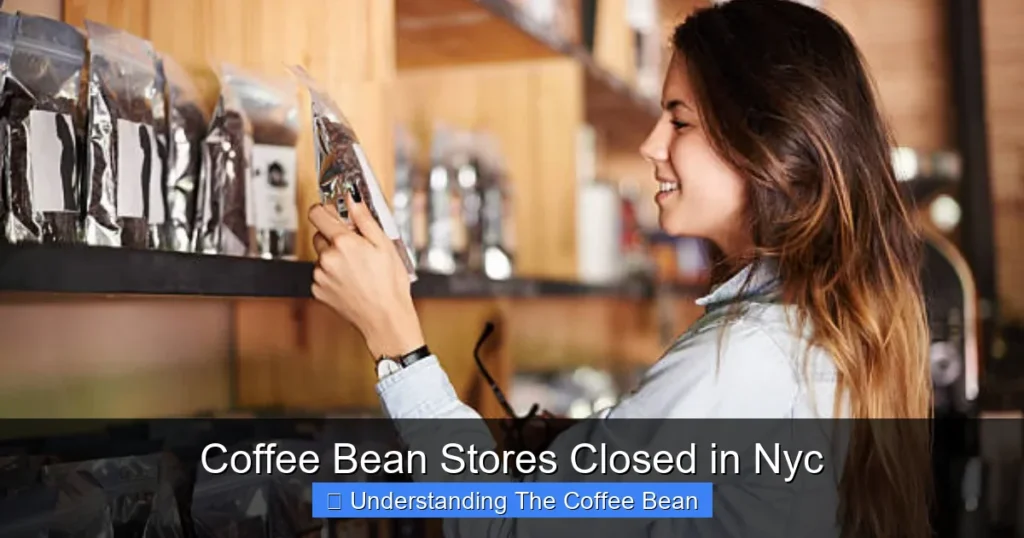
Many coffee bean stores closed in NYC due to rising rents, shifting consumer habits, and increased competition. While the physical footprint has shrunk, the city’s coffee culture remains strong through independent roasters and online sales.
If you’ve walked through Manhattan, Brooklyn, or Queens in recent years, you might have noticed something missing: the familiar scent of freshly roasted coffee beans wafting from small, independent coffee bean stores. Once a staple in New York City’s vibrant food and beverage scene, many of these specialty shops have quietly shut their doors. The question on many minds is: why are coffee bean stores closed in NYC?
It’s not that New Yorkers have lost their love for coffee—far from it. The city still runs on caffeine, with countless cafes, espresso bars, and coffee carts serving up everything from pour-overs to cold brews. But the landscape has changed. The traditional model of a standalone coffee bean store—where customers could browse bags of single-origin beans, chat with knowledgeable baristas, and take home their favorite roast—has become increasingly rare.
This shift isn’t just about taste or trends. It’s the result of a perfect storm: skyrocketing rent, evolving shopping habits, fierce competition, and the lasting impact of the pandemic. While some iconic names have disappeared, others are finding creative ways to survive. Understanding why coffee bean stores closed in NYC requires looking at the bigger picture—economic pressures, consumer behavior, and the resilience of local entrepreneurs.
Key Takeaways
- Rising commercial rents have made it difficult for small coffee bean stores to survive in high-traffic NYC neighborhoods.
- Shift to online shopping has reduced foot traffic, pushing many brick-and-mortar stores to close or pivot to e-commerce.
- Increased competition from chain cafes and grocery stores selling premium beans has squeezed independent retailers.
- Changing consumer behavior favors convenience and subscription models over in-store purchases.
- Independent roasters are adapting by offering hybrid models—online sales with limited pop-up shops or delivery services.
- Community support matters—local coffee lovers can help sustain remaining stores by shopping locally and spreading the word.
- The future of coffee in NYC lies in innovation, sustainability, and personalized customer experiences.
📑 Table of Contents
The Rise and Fall of NYC’s Coffee Bean Stores
New York City has long been a hub for coffee culture. In the early 2000s, the third-wave coffee movement—emphasizing quality, origin, and craftsmanship—took root in neighborhoods like Williamsburg, Greenwich Village, and the Lower East Side. Independent coffee roasters and bean shops flourished, offering everything from Ethiopian Yirgacheffe to Guatemalan Antigua. These weren’t just places to buy coffee; they were community hubs where people connected over shared passions for flavor, sustainability, and slow living.
Stores like Porto Rico Importing Company in the East Village and Joe Coffee Company became local institutions. They hosted cupping sessions, taught brewing techniques, and built loyal followings. For many New Yorkers, buying coffee beans was an experience—not just a transaction.
But around 2018, the tide began to turn. One by one, beloved shops started closing. Some quietly faded away; others announced farewells with emotional social media posts. The reasons weren’t always clear to customers, but behind the scenes, the challenges were mounting.
Economic Pressures and Rising Rents
One of the biggest factors behind the closure of coffee bean stores in NYC is the city’s notoriously high commercial rent. In neighborhoods like SoHo, Tribeca, and Williamsburg, landlords charge premium prices for retail space—often exceeding $200 per square foot annually. For a small business selling high-quality but low-margin products like coffee beans, these costs are unsustainable.
Consider a typical 800-square-foot coffee shop in Brooklyn. Even with strong sales, the rent alone could cost $160,000 or more per year. Add in utilities, insurance, payroll, and inventory, and the math quickly becomes daunting. Many owners found they were working long hours just to break even—or worse, losing money each month.
“We loved what we did, but the rent kept going up, and sales couldn’t keep pace,” said Maria Lopez, former owner of Brew & Bean in Park Slope, which closed in 2021. “We tried everything—loyalty programs, events, even selling merchandise—but it wasn’t enough.”
The Pandemic’s Lasting Impact
The COVID-19 pandemic accelerated the decline of many small businesses, and coffee bean stores were no exception. With offices closed, foot traffic plummeted. Tourists vanished. People stayed home, and when they did venture out, they prioritized essentials over specialty goods.
Many coffee shops pivoted to takeout and delivery, but bean stores faced a unique challenge: their core product—whole beans meant for home brewing—wasn’t in high demand during lockdowns. Why buy beans when you’re not commuting, hosting guests, or treating yourself to a café experience?
Some stores tried to adapt by offering online sales, but without the in-person experience, it was hard to compete with larger retailers like Amazon or specialty coffee websites. Others relied on community support, but even the most loyal customers had limited budgets during uncertain times.
Changing Consumer Habits
Even before the pandemic, consumer behavior was shifting. More people were buying coffee online, subscribing to monthly bean deliveries, or purchasing premium beans at grocery stores like Whole Foods or Fairway. These options offered convenience, competitive pricing, and often faster delivery than local shops could provide.
Subscription services like Trade Coffee, Atlas Coffee Club, and Driftaway Coffee gained popularity by curating beans from top roasters and delivering them directly to customers’ doors. For busy New Yorkers, this was a game-changer. Why spend 20 minutes browsing in a store when you can get expertly selected beans delivered for less?
Additionally, the rise of home brewing—fueled by affordable equipment like the AeroPress, Chemex, and Nespresso machines—meant people were buying beans more frequently but in smaller quantities. This reduced the need for large, frequent trips to a physical store.
Competition from Chains and Grocery Stores
Visual guide about Coffee Bean Stores Closed in Nyc
Image source: shout.sg
Another major factor in the closure of coffee bean stores in NYC is increased competition. While independent shops once had the specialty coffee market to themselves, they now face pressure from multiple fronts.
Chain Cafes Expanding Their Reach
Major chains like Starbucks, Blue Bottle, and Intelligentsia have expanded aggressively in NYC, opening locations in nearly every neighborhood. These cafes don’t just serve coffee—they also sell bags of beans, often at competitive prices. With their massive buying power, they can offer discounts and loyalty rewards that small shops simply can’t match.
Starbucks, for example, sells its Pike Place Roast for around $10.95 for 12 ounces—similar to what an independent shop might charge, but with the added benefit of convenience and brand recognition. For many customers, the choice is clear: why go out of your way to a small store when you can grab beans on your morning coffee run?
Grocery Stores Enter the Game
Grocery stores have also upped their coffee game. Whole Foods, for instance, carries a wide range of organic, fair-trade, and single-origin beans from reputable roasters. They often feature tasting bars and staff trained in coffee knowledge—blurring the line between supermarket and specialty shop.
Even mainstream chains like Trader Joe’s and Target now offer affordable, high-quality coffee options. Trader Joe’s, in particular, has built a cult following for its private-label beans, which are often sourced from the same farms as more expensive brands.
This democratization of specialty coffee has been great for consumers—but tough for small retailers. Why pay $18 for a bag of beans at a local store when you can get a similar product at the supermarket for $12?
The Rise of Online Retailers
The internet has leveled the playing field—but not always in favor of local businesses. Online retailers can reach a global audience, offer lower prices due to economies of scale, and use data-driven marketing to target coffee lovers with precision.
Websites like Coffee Bean Direct, Volcanica Coffee, and even Amazon sell thousands of coffee varieties with fast shipping and customer reviews. Many offer subscription models, allowing customers to receive fresh beans on a schedule that suits them.
For a small NYC shop, competing with these giants is nearly impossible. They can’t match the pricing, the selection, or the convenience. As a result, many have shifted focus—or closed altogether.
How Independent Roasters Are Adapting
Despite the challenges, not all is lost. Many independent coffee roasters and bean sellers in NYC are finding innovative ways to survive—and even thrive.
Pivoting to E-Commerce
One of the most effective strategies has been moving online. Stores that once relied solely on foot traffic now sell the majority of their beans through their websites. They use social media, email newsletters, and online ads to reach customers beyond their immediate neighborhood.
For example, Sey Coffee, a Brooklyn-based roaster, shifted to a primarily online model after closing its café in 2020. They now offer nationwide shipping, virtual cupping sessions, and a subscription service that delivers freshly roasted beans every two weeks. Their Instagram account showcases brewing tips, farm stories, and behind-the-scenes content—building a loyal community of coffee enthusiasts.
Pop-Up Shops and Farmers Markets
Some roasters are embracing temporary retail spaces. Pop-up shops at events, festivals, or inside other businesses allow them to reach customers without the burden of long-term leases. Farmers markets are another popular option—vendors can sell beans, offer samples, and connect with locals in a low-cost setting.
Sweatshop Coffee, a Queens-based roaster, regularly sets up at Smorgasburg and other food markets. “It’s a great way to meet people, get feedback, and sell beans without the overhead,” says co-founder David Kim. “We also use it to test new roasts and see what people respond to.”
Subscription Models and Memberships
Subscription services have become a lifeline for many small roasters. By offering monthly or bi-weekly deliveries, they create predictable revenue and build long-term relationships with customers.
Some go a step further by offering membership programs. For example, Cafe Grumpy, a well-known NYC roaster, offers a “Coffee Club” where members get exclusive access to limited-edition beans, early product launches, and invitations to private events. This creates a sense of belonging and encourages repeat purchases.
Collaborations and Community Engagement
Building community is key to survival. Many roasters partner with local businesses—bakeries, bookstores, yoga studios—to cross-promote and share audiences. They host workshops, brewing classes, and coffee tastings to educate customers and foster loyalty.
Others focus on sustainability and ethics, highlighting their direct trade relationships with farmers and eco-friendly packaging. This resonates with socially conscious consumers who are willing to pay a premium for transparency and responsibility.
The Role of Consumer Choice
While economic and market forces play a major role in the closure of coffee bean stores in NYC, consumer behavior is equally important. Every purchase is a vote—for the kind of city we want to live in.
Supporting Local Businesses
When you buy beans from a local roaster, you’re not just getting great coffee—you’re supporting jobs, entrepreneurship, and community. Small businesses reinvest in their neighborhoods, sponsor local events, and create spaces for connection.
Even small actions matter. Sharing a post on social media, leaving a positive review, or simply telling a friend about a great local shop can make a difference.
Understanding the True Cost of Coffee
It’s easy to default to the cheapest option, but cheap coffee often comes at a hidden cost—low wages for farmers, environmental damage, and poor quality. Independent roasters typically pay fair prices, use sustainable practices, and prioritize flavor and ethics.
By choosing to spend a little more at a local shop, you’re voting for a more equitable and sustainable coffee industry.
Building Relationships
One of the joys of shopping at a local coffee bean store is the personal connection. The staff know your name, remember your favorite roast, and can offer tailored recommendations. That kind of service is hard to replicate online or at a chain.
Even if you can’t visit in person, many shops offer virtual consultations or personalized brewing guides. It’s a way to keep the human touch alive in a digital world.
The Future of Coffee in NYC
So, what does the future hold for coffee in New York City? Will we see a resurgence of independent bean stores, or is the era of the standalone coffee shop over?
The answer lies in adaptation. The most successful roasters are those that blend tradition with innovation—honoring the craft of coffee while embracing new ways to reach customers.
Hybrid Models Are Here to Stay
The future is likely hybrid: a mix of online sales, limited retail presence, and community engagement. Some roasters may operate out of shared kitchens or co-working spaces, reducing overhead while maintaining quality.
Others might focus on niche markets—like rare varietals, experimental processing methods, or zero-waste packaging—to differentiate themselves in a crowded market.
Technology and Personalization
Technology will play a bigger role. Apps that recommend beans based on taste preferences, AI-driven brewing assistants, and blockchain tracking for bean origins are already emerging. These tools can enhance the customer experience and build trust.
At the same time, there’s a growing appetite for authenticity. People want to know where their coffee comes from, how it’s made, and who’s behind it. Storytelling—through websites, social media, and packaging—will remain a powerful tool.
Sustainability as a Priority
Environmental concerns are shaping the industry. From compostable packaging to carbon-neutral shipping, roasters are finding ways to reduce their impact. Consumers are paying attention—and rewarding brands that prioritize the planet.
In NYC, where sustainability is increasingly valued, this could be a key differentiator for local shops.
The Enduring Love for Coffee
Despite the closures, New Yorkers’ love for coffee hasn’t faded. If anything, it’s deepened. People are more knowledgeable, more curious, and more passionate about what they drink.
The city’s coffee culture may look different now—less about brick-and-mortar stores and more about connection, quality, and convenience—but it’s far from dead. It’s evolving.
And as long as there are people who care about great coffee, there will be people willing to sell it.
Conclusion
The closure of coffee bean stores in NYC is a complex story—one shaped by economics, technology, and changing lifestyles. While many beloved shops have disappeared, the spirit of specialty coffee lives on.
Independent roasters are adapting, innovating, and finding new ways to serve their communities. Consumers have more options than ever, from online subscriptions to farmers market pop-ups. And the demand for high-quality, ethically sourced coffee remains strong.
The future of coffee in New York isn’t about returning to the past. It’s about building something new—something that honors tradition while embracing change. Whether you’re sipping a pour-over in a Williamsburg café or receiving a bag of beans in the mail, one thing is clear: the city’s coffee culture is resilient, creative, and here to stay.
So the next time you reach for a bag of beans, consider where it came from. Support a local roaster. Try something new. And remember: every cup tells a story.
Frequently Asked Questions
Why are so many coffee bean stores closing in NYC?
Many coffee bean stores closed in NYC due to rising commercial rents, reduced foot traffic, and increased competition from chains and online retailers. The pandemic also accelerated closures by disrupting normal shopping patterns.
Can I still buy fresh coffee beans in New York City?
Yes! While some standalone stores have closed, many independent roasters still sell beans online, at farmers markets, or through pop-up shops. You can also find fresh beans at specialty cafes and some grocery stores.
Are online coffee subscriptions better than local shops?
Online subscriptions offer convenience and variety, but local shops provide personal service, community connection, and often fresher beans. The best choice depends on your priorities—convenience, quality, or supporting local businesses.
How can I support local coffee roasters in NYC?
Buy beans directly from their websites, visit their pop-ups or cafes, leave reviews, and share their work on social media. Even small actions help sustain independent businesses.
Will coffee bean stores ever return to NYC in large numbers?
It’s unlikely we’ll see a return to the past model, but hybrid formats—online sales with limited retail—are growing. The future is about adaptation, not revival.
What makes NYC coffee culture unique?
NYC’s coffee culture blends diversity, innovation, and passion. From historic roasters to experimental brewers, the city offers a rich, ever-evolving coffee experience shaped by its people and neighborhoods.