

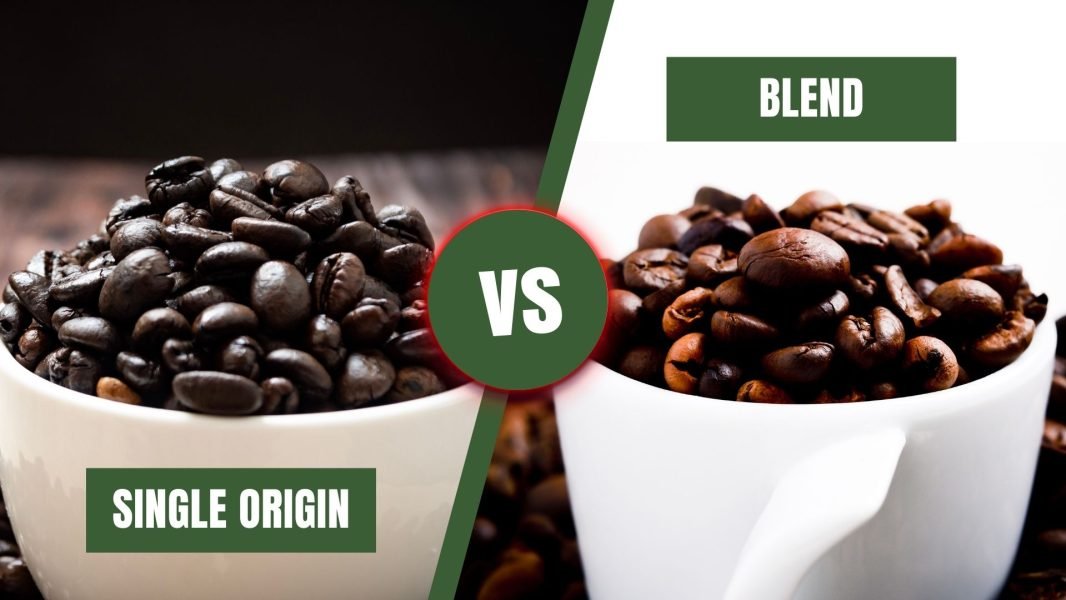
If you’ve ever wondered why some coffees sing with strawberry notes while others taste reliably chocolaty day after day, you’re asking the right question: Single-origin coffee vs. blends—what’s the difference? I’ve spent years tasting, buying, and brewing both for home and for cafes, and I’ve learned where each shines. In this guide, I’ll break down how origin, processing, and roasting shape your cup, when to choose single-origin coffee, when blends make more sense, and how to brew each for the best flavor. Expect clear explanations, real-world examples, and practical tips you can use on your next brew.

Source: www.youtube.com
What Single-Origin Really Means
Single-origin coffee comes from one defined source: a country, region, cooperative, farm, or even a single lot or varietal. The tighter the definition, the more traceable the cup’s character. Think of it like wine terroir; altitude, soil, cultivar, and processing method shape the flavor in the cup.
What you’ll usually taste:
- Distinct terroir-driven flavors. For example, washed Ethiopian coffees often show jasmine, bergamot, and stone fruit; natural-processed Ethiopians can lean blueberry and strawberry. Colombian lots frequently lean toward citrus and caramel, while Kenyan coffees bring blackcurrant and tomato-like acidity.
- Seasonal variability. Harvests change year to year. That’s part of the charm; it’s also why your favorite lot might taste slightly different next season.
- Transparency and traceability. You can often learn the farm’s elevation, variety, and processing method (washed, natural, honey, anaerobic), which correlates with flavor outcomes.
Personal note: When I first brewed a fresh-crop Kenyan AA on a V60, it tasted like blackcurrant candy with a tomato-soup savoriness that sounds odd on paper but was stunning in the cup. That’s single-origin magic—memorable, sometimes surprising, and deeply expressive.
Source: specialtycoffee.id
What Coffee Blends Really Are
Blends combine coffees from multiple origins or lots to achieve a desired, consistent flavor profile. Roasters blend to balance acidity, sweetness, body, and aroma, and to deliver reliability across seasons.
Why roasters create blends:
- Consistency. A good blend tastes familiar whether it’s January or July.
- Balance. A bright, fruity component can be rounded by a chocolatey Brazil or nutty Central American base.
- Purpose-built profiles. For example, “espresso blends” engineered to cut through milk with caramel sweetness and low bitterness, or “breakfast blends” optimized for drip.
Common blend architectures:
- Base coffee for body and sweetness. Often Brazil or a mellow Central American lot.
- Accent coffee for acidity or aroma. Ethiopian, Kenyan, or a high-grown washed Central American.
- Optional depth note. A slightly darker component for cocoa, spice, or roast-forward structure.
From my bar shifts, blends saved the day during busy mornings: reliable crema, sweet shots, and milk drinks that tasted consistent no matter who pulled the shot. That predictability keeps cafes and home drinkers happy.
Flavor, Consistency, And Seasonality
When comparing single-origin coffee vs. blends, think trade-offs and intent.
How they differ:
- Flavor clarity vs. harmony. Single-origin coffees spotlight a place; blends emphasize balance and approachability.
- Consistency vs. seasonality. Blends are engineered to be stable; single-origins evolve with harvests.
- Complexity type. Single-origins often show layered, place-specific notes. Blends can deliver complexity through complementary components.
- Roast approach. Single-origins are commonly roasted lighter to showcase origin character; blends may skew medium to ensure sweetness and body across brew methods, especially espresso.
Quality indicators to look for:
- Freshness window. Roast date matters more than almost anything else for both.
- Roast level transparency. Lighter roasts highlight acidity and nuance; medium can balance sweetness and body; darker roasts downplay origin in favor of roast character.
- Processing method. Washed coffees tend to be cleaner and brighter; naturals are fruit-forward; honey and anaerobic methods can add body, funk, or winey notes.
If you crave vibrant fruit and floral aromas, go single-origin. If you want a forgiving cup that’s sweet and chocolatey every day, a well-built blend shines.
Brewing Tips: Getting The Best From Each
Dial-in advice changes with the coffee’s character.
For single-origin coffee:
- Pour-over or AeroPress for clarity. Start around 1:16 brew ratio, 94–96°C water for light roasts, medium-fine grind, and aim for 2:45–3:15 total time.
- Espresso needs finesse. Use a slightly higher dose and longer yield for bright washed Africans to soften acidity. For example, 18 g in, 45–50 g out in 28–34 seconds.
- Water matters. Softer water with 60–80 ppm hardness and ~30–40 ppm alkalinity helps preserve delicate aromatics.
For blends:
- Drip or batch brew for reliability. 1:15–1:17 ratio, 92–94°C water, medium grind. Expect rounded sweetness.
- Espresso sweet spot. 1:2 to 1:2.2 ratio (e.g., 18 g in, 36–40 g out) at 92–94°C. Adjust finer if shots run sour; coarser if bitter.
- Milk pairing. Choose blends with chocolate, caramel, and nut notes; they cut through milk without turning sharp.
Mistakes I learned to avoid:
- Over-extracting naturals. Fruit-heavy single-origins can taste boozy or bitter if pushed too fine. Coarsen slightly and shorten contact time.
- Using boiling water on light roasts. It can emphasize astringency. Let the kettle settle a few seconds.
- Ignoring grinder retention. Switch between coffees? Purge a few grams to avoid flavor cross-over.
Price, Ethics, And Sustainability
Pricing often reflects traceability, rarity, and labor. Single-origin microlots, especially experimental processes or rare varieties, cost more due to limited supply and meticulous handling. Blends can be more affordable while still being ethically sourced.
What to consider:
- Transparency. Look for farms or cooperatives, elevation, varieties, and processing details listed. More info usually signals care and traceability.
- Certifications and beyond. Certifications can help, but many exceptional producers sell direct without them. Seek roasters who publish relationship details and pay premiums above commodity prices.
- Freshness and storage. Store coffee in a cool, dry place in its valve bag or in an airtight container; avoid the freezer unless you freeze whole bags with minimal headspace and thaw fully before opening.
Sustainability tip: Ask your roaster how they maintain blend consistency. Responsible roasters rotate components seasonally while keeping farmer relationships strong—a win for flavor and for producers.
Which Should You Buy? Use Cases
Match your coffee to your preferences, gear, and routine.
Choose single-origin if:
- You enjoy exploring distinctive flavors like florals, citrus, and berry.
- You brew manually and like to tweak grind, temperature, and ratio.
- You want to learn about terroir and processing.
Choose blends if:
- You want a dependable daily driver with chocolate, caramel, and nut notes.
- You drink milk-based espresso and value crema, sweetness, and low bitterness.
- You’re stocking an office or household with varied palates.
Practical examples:
- Bright pour-over on a slow weekend: washed Ethiopian or Kenyan single-origin.
- Cappuccino before work: medium-roast house espresso blend.
- Cold brew for the week: a chocolaty blend or a natural-processed single-origin with fruit sweetness.
Mistakes To Avoid And Pro Tips
Avoid these pitfalls:
– Buying too much at once. Coffee peaks within 7–21 days after roast for most brew methods. Buy what you’ll use in 2–4 weeks.
– Ignoring grind quality. A burr grinder upgrades both single-origins and blends more than almost any other gear change.
– One-size-fits-all recipes. Light single-origins often need hotter water and finer grinds than medium blends in pour-over.
Pro tips that helped me:
- Taste side by side. Brew a single-origin and a blend with identical recipes to train your palate.
- Log your brews. Note dose, grind, time, and taste. Patterns emerge quickly.
- Calibrate water. If your coffee tastes flat or harsh, test your water. Small mineral adjustments can unlock sweetness and clarity.
Frequently Asked Questions of Single-origin coffee vs. blends: what’s the difference?
Is single-origin coffee always better than blends?
Not inherently. Single-origin offers distinct place-driven flavors, while blends deliver balance and consistency. “Better” depends on your taste and brew method.
Which is best for espresso: single-origin or blend?
Blends are more forgiving for espresso, especially in milk drinks. Single-origin espresso can be stunning but requires careful dialing to manage acidity and extraction.
Why do some single-origins taste fruity?
Variety, altitude, and processing (especially natural and honey methods) can concentrate fruit-forward esters. Lighter roasts preserve these compounds.
Do blends hide lower-quality beans?
Not necessarily. Good roasters blend quality components for balance. That said, ultra-cheap blends may rely on lower-grade coffee. Look for transparency and tasting notes.
How long does coffee stay fresh?
Whole beans are best within 2–4 weeks of roast for peak flavor. Keep them sealed, away from heat, light, and moisture. Grind just before brewing.
Can I use the same grind for all coffees?
You can, but you’ll get better results by adjusting. Lighter single-origins often need a finer grind and hotter water than medium-roast blends for pour-over.
Are single-origin coffees always light roast?
No. Many are light to showcase terroir, but you can find medium and even darker roasts. Roast choice should match your taste and brew method.
Conclusion
Single-origin coffee vs. blends comes down to intent. If you want expressive, place-driven flavors and don’t mind tweaking your brew, reach for single-origin. If you value reliability and a sweet, balanced cup that shines in many brew methods—especially espresso with milk—choose a well-constructed blend. Try both side by side this week, take notes, and let your palate guide you. Ready to explore deeper? Subscribe for more brew guides, origin spotlights, and dial-in tips, or drop your questions in the comments so we can troubleshoot together.
Watch This Video on Single-origin coffee vs. blends: what’s the difference?