

I’ve spent years behind the espresso machine dialing in shots, steaming milk, and training teams on specialty coffee standards. When people ask me what exactly is a Flat White, I explain it as the espresso drink for those who crave velvety texture, balanced sweetness, and a clear coffee-first flavor. A flat white is an espresso-based drink made with a double shot and finely textured microfoam milk, finished with a thin, glossy layer. It’s not a small latte and not a cappuccino—it’s its own thing, and when done right, it’s unforgettable. Keep reading and I’ll show you how to identify, order, and even make a proper flat white at home with confidence.
:max_bytes(150000):strip_icc()/Partners-Flat-White-FT-BLOG0523-b11f6273c2d84462954c2163d6a1076d.jpg)
Source: www.foodandwine.com
What Exactly Is a Flat White? Definition and Core Elements
A flat white is a small, espresso-forward milk drink typically served in a 5 to 6-ounce cup. It uses:
- A double shot of espresso for structure and flavor clarity
- Silky microfoam milk with a very fine, paint-like texture
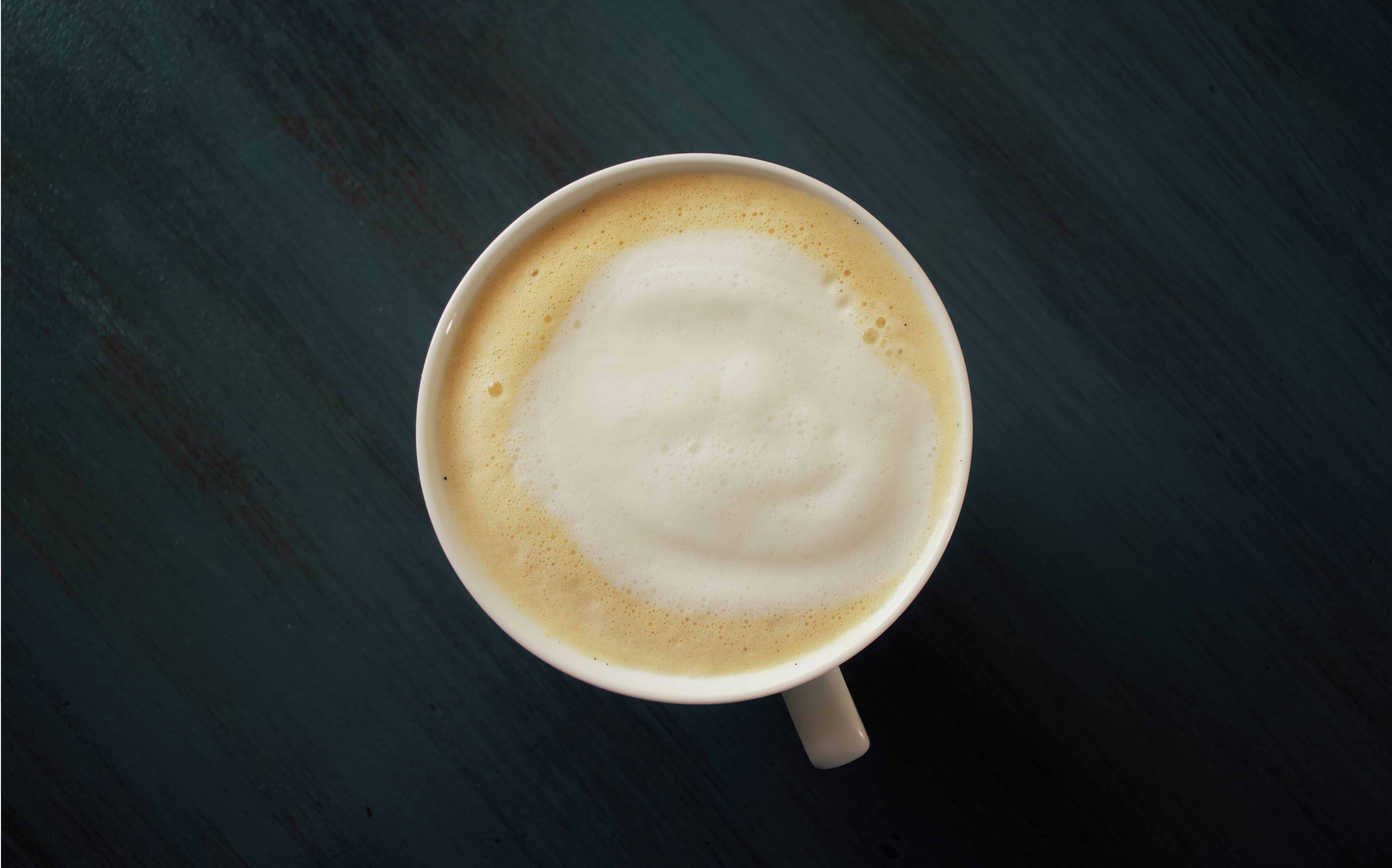
- A thin, flat layer of foam on top, not a big foamy cap
The hallmark is balance. You should taste espresso first, then gentle milk sweetness. The mouthfeel is key: no big bubbles, no dry foam, just glossy microfoam that seamlessly blends with the espresso. In specialty cafes, you’ll often see a simple latte art pattern; that’s a sign the milk texture is spot-on.
From my experience, when someone says their flat white tasted like a latte, the milk texture or cup size was off. Proper proportion is non-negotiable here.

Source: aromas.com.au
Where Did the Flat White Come From? A Brief Origin Story
Australia and New Zealand both claim the flat white. Baristas and coffee historians generally agree it emerged in the 1980s in the Antipodean specialty scene, when cafes began prioritizing espresso quality and milk texture. Whether you pin it to Sydney or Wellington, the drink spread globally as third‑wave coffee took hold.
What matters more than exact origin is why it caught on: the flat white highlights espresso nuances while delivering a creamy, integrated texture. As specialty coffee grew, consumers demanded drinks that showcased bean quality and roast profiles—this drink does exactly that.

Source: www.787coffee.com
Flat White vs Latte vs Cappuccino: The Key Differences
These three drinks all use espresso and milk, but they’re not interchangeable.
-
Flat white
- Size: 5 to 6 ounces
- Espresso: Double shot
- Milk: Satin microfoam with minimal foam layer
- Taste: Espresso-forward, creamy, balanced
-
Latte
- Size: 8 to 12 ounces (or larger)
- Espresso: Single or double shot
- Milk: More steamed milk, slightly thicker foam on top
- Taste: Milk-forward, softer espresso presence
-
Cappuccino
- Size: 5 to 6 ounces
- Espresso: Single or double shot
- Milk: Equal parts espresso, steamed milk, and airy foam
- Taste: Lighter body due to dry foam, more pronounced foam sweetness
A flat white’s microfoam integrates so smoothly that it feels denser and silkier than a latte, without the dry openness of a cappuccino. If you love espresso clarity but dislike airy foam, flat white is your sweet spot.
Source: www.triplebarcoffee.com
The Science of Microfoam: Texture, Temperature, and Taste
Microfoam is milk with microscopic bubbles suspended uniformly, creating a glossy, paint-like consistency. The science:
- Proteins unfold as milk heats, forming a stable film around air bubbles
- Lactose caramelizes subtly, enhancing perceived sweetness
- Ideal temperature range for steaming is about 130 to 150°F; beyond 155°F, milk sweetness diminishes and texture coarsens
Whole milk creates luscious microfoam thanks to higher fat content and proteins. You can still achieve great results with alternatives:
- Oat milk: Excellent stability and sweetness; look for barista blends
- Soy milk: Strong foam potential; can curdle at very high heat or with overly acidic espresso
- Almond milk: Lighter body; better texturing with barista formulations
From the station: I keep a thermometer for training, but I teach baristas to feel the pitcher—when it’s just too hot to hold for more than a second, you’re near the sweet spot. Stop early and let carryover heat finish the job.
Ratios, Recipes, and Standards: How I Dial In a Proper Flat White
While cafes vary, this is the profile I rely on for consistency.
-
Espresso
- Dose: 18 to 20 grams in, 36 to 40 grams out in 25 to 32 seconds
- Aim for balanced extraction with clear sweetness and a syrupy body
- A slightly ristretto profile can emphasize body and chocolate notes
-
Milk
- Volume: Enough to land in a 5 to 6-ounce cup
- Texture: Fine microfoam with a thin, flat cap
- Temperature: 135 to 145°F for optimal sweetness and comfort
-
Assembly
- Start with the double shot in a pre-warmed cup
- Swirl and tap the pitcher to integrate microfoam
- Pour steadily from low height to blend, then lift slightly to finish with a simple art pattern
Pro tip: If the espresso tastes thin or sour in milk, coarsen or lengthen the ratio slightly. If it tastes bitter or flat, grind a touch coarser or shorten the shot time.
Ordering Like a Pro: Customizations and Cafe Etiquette
When I’m ordering, I keep it short and specific:
- Specify milk choice: whole, oat, soy, almond
- If you prefer a stronger hit, ask for a double ristretto flat white
- If you want a slightly larger cup, say small flat white in a 6-ounce cup
- Avoid add-ons that break the style, like heavy foam or oversized cups
Cafes may interpret flat white differently, especially outside specialty shops. If you care about precision, ask: What size do you serve your flat white? Is it a double shot? This shows respect for the barista’s craft and ensures you get what you want.
Common Mistakes and How to Fix Them
I’ve made them all. Here’s what to watch for:
-
Too much foam
- Symptom: Cappuccino-like dome, fluffy top
- Fix: Lower the steam wand sooner; focus on texturing, not frothing
-
Oversized cup
- Symptom: Tastes like a latte
- Fix: Serve in a 5 to 6-ounce vessel
-
Overheated milk
- Symptom: Scalded taste, dull sweetness
- Fix: Stop steaming around 140°F and let residual heat finish
-
Thin espresso
- Symptom: Watery, sour in milk
- Fix: Adjust grind finer, consider a slightly shorter ratio
-
Old beans
- Symptom: Flat, papery flavors
- Fix: Use fresh, specialty-grade beans roasted within the last 2 to 4 weeks
Nutrition, Beans, and Milk Options
Flat whites are smaller than lattes, so calorie counts are moderate and vary by milk:
- Whole milk, 6 ounces: roughly 100 to 130 calories
- Oat milk, 6 ounces: roughly 110 to 150 calories depending on brand
- Skim milk: fewer calories but lighter mouthfeel
Bean choice matters. I prefer medium or medium-light roasts for balanced sweetness and clarity. Washed coffees show citrus and floral notes; naturals bring berry and chocolate. For a classic crowd-pleaser, a chocolatey Brazil or a blend with a Central American component is hard to beat.
Step-by-Step: How I Make a Flat White at Home
You can get close at home with a decent espresso machine and a small pitcher.
-
Prep
- Warm your cup and rinse the portafilter
- Weigh 18 to 20 grams of coffee, grind fine, distribute, and tamp evenly
-
Pull the shot
- Aim for 36 to 40 grams out in 25 to 32 seconds
- Taste and adjust grind as needed
-
Steam the milk
- Fill the pitcher to the bottom of the spout with cold milk
- Start with the wand tip at the surface to introduce minimal air, then submerge to texture
- Keep the whirlpool rolling; stop around 140°F
-
Pour
- Swirl pitcher to polish the microfoam
- Begin pouring low to integrate, then lift slightly to finish flat with a small art pattern
No espresso machine? Brew a strong, short moka pot or AeroPress concentrate and texture milk with a Nanofoamer or French press. It won’t be identical, but it can be delicious and very close in texture.
Frequently Asked Questions of What exactly is a Flat White?
Is a flat white just a small latte?
No. A flat white is smaller, more espresso-forward, and uses finer microfoam with a thinner top layer. A latte is larger and more milk-forward.
What size cup is a true flat white?
Most specialty cafes serve it in a 5 to 6-ounce cup. Anything significantly larger leans toward a latte.
Can I order a flat white with alternative milk?
Yes. Oat milk is popular for its sweetness and foam stability. Barista-formulated versions of oat, soy, and almond work best.
What espresso ratio works best?
A double shot around 1:2 yield, pulled in 25 to 32 seconds, offers body and clarity. A slight ristretto can emphasize chocolatey notes.
Why does my homemade flat white taste weak?
Common reasons include oversized cups, under-extracted espresso, or milk with too much air. Tighten your shot, use a smaller cup, and focus on microfoam.
Can I add flavored syrups to a flat white?
You can, but it drifts from the traditional style. If you add syrup, keep it minimal to preserve espresso clarity.
What beans are best for a flat white?
Medium to medium-light roasts with chocolate, nut, or caramel notes are versatile. Blends with Brazil, Colombia, or Guatemala components are reliable.
Wrap-Up: Savor The Balance In Every Sip
A flat white is the sweet spot between clarity and comfort: a double-shot espresso crowned with satin microfoam and poured into a small cup for perfect balance. We covered what a flat white is, how it differs from a latte and cappuccino, the science of microfoam, pro-level ratios, and how to order or make one at home. Try dialing in your next cup using the steps here, then tweak your espresso ratio and milk temperature until it sings. If this guide helped, subscribe for more coffee deep dives or drop a comment with your questions or favorite bean-and-milk combo.
Watch This Video on What exactly is a Flat White?